
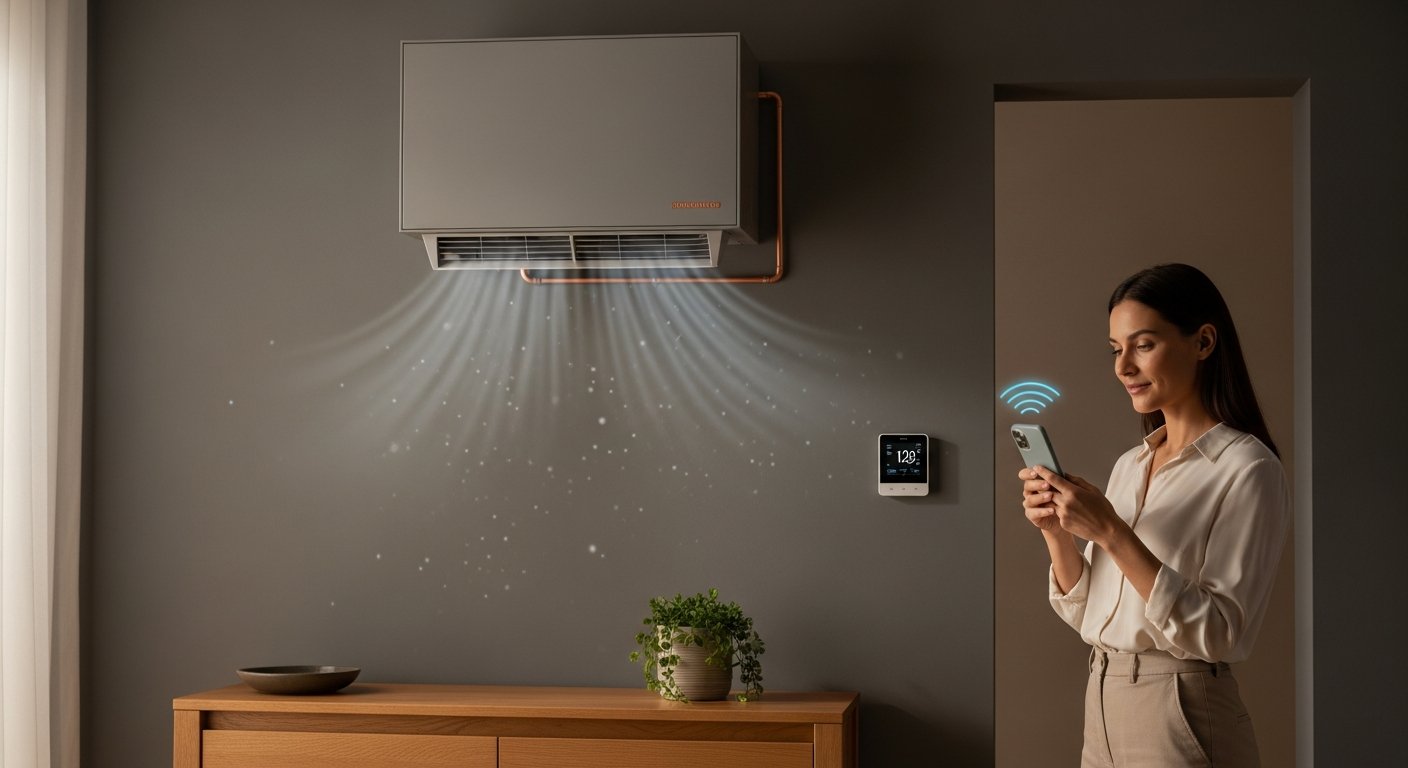
HVAC Replacement Cost and Savings Guide
Learn the key signs you need an HVAC replacement, understand the costs, and get tips for choosing the right contractor to save money.
By Danica Leslie
Learn more about Central Air Conditioning Installation or Replacement for guides, costs, and what to expect.
Compare Central Air Conditioning Installation or Replacement Pros Near You

Enter your ZIP code to compare top-rated local professionals and request free quotes.
When your heating and cooling system begins to fail, the decision to invest in a new one can feel overwhelming. You might be dealing with uneven temperatures, rising utility bills, or strange noises that signal the end of your current unit's life. An HVAC replacement is a significant home improvement project, but it is also one of the most impactful investments you can make for your comfort, energy efficiency, and property value. This guide walks you through every step of the process, from understanding the costs to selecting the right contractor, so you can approach this project with confidence and clarity.
Signs That You Need an HVAC Replacement
Knowing when to repair versus replace your HVAC system is a common dilemma. While some issues are minor and easily fixed, others are clear indicators that a replacement is the more cost-effective and practical choice. Ignoring these signs can lead to more frequent breakdowns, higher energy bills, and a complete system failure at the worst possible time.
Look for these common warning signs that your system is nearing the end of its useful life:
- The system is more than 15 years old and requires frequent repairs.
- Your energy bills are steadily increasing despite regular maintenance.
- You notice unusual noises like grinding, squealing, or banging coming from the unit.
- The system struggles to maintain a consistent temperature or cycles on and off frequently.
- You see visible rust, corrosion, or refrigerant leaks around the equipment.
If you are experiencing several of these issues, it is wise to start planning for a replacement. While a repair might seem cheaper in the short term, the accumulated costs of multiple repairs can quickly exceed the value of the old unit. A new, high-efficiency system will not only provide better comfort but also lower your monthly operating costs, making the investment worthwhile over time.
Understanding the True Cost of a New HVAC System
The cost of an HVAC replacement varies widely based on several key factors, including the size of your home, the type of system you choose, the efficiency rating, and the complexity of the installation. On average, homeowners can expect to pay anywhere from $5,000 to $12,000 for a standard central air conditioning and furnace replacement, with high-end systems potentially costing even more. It is essential to understand that these figures are not just for the equipment itself; the price includes labor, permits, and the removal of your old system.
To get a more accurate estimate for your specific situation, you need to consider the following cost drivers:
- System Type: A split system (outdoor condenser and indoor furnace) is common, but ductless mini-splits or heat pumps have different price points.
- Equipment Size: The size, measured in tons for cooling and BTUs for heating, must match your home's load calculation. Bigger is not always better.
- Efficiency Rating: Higher SEER (Seasonal Energy Efficiency Ratio) and AFUE (Annual Fuel Utilization Efficiency) ratings mean higher upfront costs but significant long-term energy savings.
- Ductwork Condition: If your existing ductwork has leaks, is undersized, or needs replacement, this adds to the total project cost.
- Labor and Installation Complexity: Difficult access points, unique home layouts, and the need for new electrical wiring or gas lines will increase labor charges.
While the initial price is a major consideration, it should not be the only factor in your decision. A cheaper system with a lower efficiency rating will likely cost you more in monthly energy bills over its lifespan. Conversely, a higher-priced, high-efficiency system can pay for itself through reduced utility costs and may qualify for rebates or tax credits. When comparing quotes, always look at the total cost of ownership, not just the sticker price.
How to Choose the Right HVAC Contractor
Selecting a qualified contractor is arguably the most critical step in the HVAC replacement process. A properly installed system is more efficient, reliable, and durable than one that is poorly installed, regardless of the brand or model. A reputable contractor will perform a thorough load calculation, recommend the right size system, and ensure all components are installed to code and manufacturer specifications.
Here is a checklist to help you evaluate potential contractors:
- Verify that they are licensed, bonded, and insured in your state.
- Ask for references from recent HVAC replacement projects in your area.
- Check their ratings with the Better Business Bureau and online review platforms.
- Request a written, itemized quote that details all costs and the exact equipment to be installed.
- Ask about their experience with your specific type of system (e.g., heat pump, gas furnace).
- Inquire about warranties on both the equipment and the labor.
Using a referral platform like Homes.Contractors can simplify this process significantly. Instead of calling one contractor at a time and hoping for the best, you can submit a single request and receive multiple quotes from pre-vetted professionals in your area. This approach not only saves you time but also gives you the leverage of comparing offers side-by-side. You can evaluate each contractor's experience, pricing, and proposed solution to make an informed choice that fits your budget and needs.
Financing Your HVAC Replacement
Given the significant investment required, many homeowners are concerned about how to pay for a new HVAC system. Fortunately, there are several financing options available to make the project more manageable. Understanding these options can help you avoid financial strain and choose a payment method that aligns with your long-term budget.
Consider these common financing avenues:
- Cash or Savings: If you have the funds available, paying in cash avoids interest charges and may give you negotiation leverage.
- Home Equity Loan or Line of Credit: These often offer lower interest rates and are tax-deductible in some cases, but they use your home as collateral.
- Manufacturer Financing: Many HVAC brands offer promotional financing options, such as deferred interest or low APR plans, through their network of dealers.
- Contractor Financing: Some contractors partner with third-party lenders to offer payment plans directly to homeowners.
- Energy Efficiency Rebates and Tax Credits: Federal and local incentives can significantly reduce the net cost of a high-efficiency system. Check the Database of State Incentives for Renewables and Efficiency (DSIRE) for current offers.
Before signing any financing agreement, make sure you understand the interest rate, the repayment term, and any hidden fees. A zero-percent APR offer might seem attractive, but if you do not pay the balance off within the promotional period, you could be charged retroactive interest. Always calculate the total cost of the loan and compare it to other options. Also, ask your contractor about any current rebates or incentives for which you might qualify, as these can lower your overall expense and shorten your payback period.
The HVAC Replacement Process: What to Expect
Understanding the steps involved in a professional HVAC replacement can alleviate stress and help you prepare your home for the installation day. A typical replacement project follows a structured sequence, from the initial assessment to the final cleanup. Knowing what to expect will also help you ask informed questions and ensure the job is done correctly.
Here is a step-by-step breakdown of the process:
- Initial Consultation and Load Calculation: The contractor inspects your home, measures square footage, checks insulation levels, and performs a Manual J load calculation to determine the correct system size.
- System Selection and Quote: Based on the load calculation and your preferences, the contractor recommends specific equipment options and provides a detailed, written quote for your approval.
- Scheduling and Pre-Installation Preparation: You agree on a date, and the contractor orders the equipment. You may need to clear the area around your indoor unit and provide access to the outdoor condenser.
- Removal of Old Equipment: The installation team arrives, safely disconnects and removes your old furnace, air conditioner, and related components. They will also dispose of them properly.
- Installation of New System: The new indoor unit (furnace or air handler) and outdoor unit (condenser or heat pump) are installed. This includes connecting refrigerant lines, electrical wiring, and ductwork as needed.
- Testing and Quality Checks: The contractor runs the system through multiple cycles, checks for proper airflow and temperature differences, and tests for refrigerant leaks. They will also verify that the thermostat is working correctly.
- Final Walkthrough and Paperwork: You are shown how to use the new system and thermostat, and you receive all warranty documents, permits, and the final invoice.
While the installation itself can often be completed in a single day, more complex projects involving ductwork modifications or electrical upgrades may take longer. A professional contractor will keep you informed at each stage and ensure the work area is left clean and safe. The key is to not rush the process; a careful, thorough installation is your best guarantee of system performance and longevity.
Maximizing the Lifespan of Your New HVAC System
Once your new HVAC system is in place, your focus should shift to protecting your investment. A properly maintained system can last 15 to 20 years, operate at peak efficiency, and avoid costly breakdowns. Neglecting regular maintenance, on the other hand, can shorten its lifespan and lead to premature failure.
Adopt these simple maintenance habits to extend the life of your system:
- Change Air Filters Regularly: Check your filter monthly and replace it every 1 to 3 months, or as recommended by the manufacturer. A dirty filter restricts airflow and strains the system.
- Schedule Annual Professional Tune-Ups: Have a qualified technician inspect and service your system before each heating and cooling season. This includes checking refrigerant levels, cleaning coils, and verifying electrical connections.
- Keep the Outdoor Unit Clean: Clear away debris, leaves, and vegetation from around the condenser unit. Ensure it has at least two feet of clearance on all sides for proper airflow.
- Use a Programmable Thermostat: Optimize energy usage by setting back the temperature when you are away or asleep. Smart thermostats can learn your schedule and further reduce energy consumption.
- Monitor for Unusual Signs: Listen for odd noises, watch for inconsistent temperatures, and keep an eye on your energy bills. If something seems off, call a professional sooner rather than later.
By following these steps, you not only extend the life of your equipment but also maintain its efficiency and keep your home comfortable year-round. Regular maintenance is a small cost compared to the expense of a premature replacement or an emergency repair. It also helps you catch minor issues early, preventing them from escalating into major problems that could disrupt your family's comfort.
Replacing your HVAC system is a major decision with long-term financial and comfort implications. By understanding the signs of failure, the true costs involved, and the importance of choosing a qualified contractor, you can navigate the process with confidence. Using a platform like Homes.Contractors to compare multiple quotes ensures you get a fair price and find a professional who meets your needs. With the right system and proper care, you will enjoy a comfortable, energy-efficient home for many years to come.
Learn more about Central Air Conditioning Installation or Replacement for guides, costs, and what to expect.
Compare Central Air Conditioning Installation or Replacement Pros Near You
Enter your ZIP code to compare top-rated local professionals and request free quotes.