
How to Plan a Flawless Cabinet Installation
A step-by-step guide to planning a flawless cabinet installation, covering measurements, material choices, cost estimates, and selecting a qualified contractor.
By Alexia Mabel
Learn more about Cabinet Installation for guides, costs, and what to expect.
Compare Cabinet Installation Pros Near You

Enter your ZIP code to compare top-rated local professionals and request free quotes.
Cabinet installation can transform the look, function, and value of your kitchen, bathroom, or laundry room. But a successful project depends on much more than picking a style you like. From measuring your space accurately to choosing the right contractor and avoiding costly mistakes, the process involves a series of critical decisions. This guide walks you through the essential steps of planning a cabinet installation, helping you understand what to expect, how to budget, and how to get the best results for your home.
Before You Begin: Assessing Your Needs and Space
Every cabinet installation starts with a clear understanding of your goals and your existing space. Are you replacing outdated cabinets in the same layout, or are you planning a full remodel that changes the floor plan? Do you need more storage, better accessibility, or simply a fresh look? Answering these questions first will guide every subsequent choice, from cabinet style to hardware and finish.
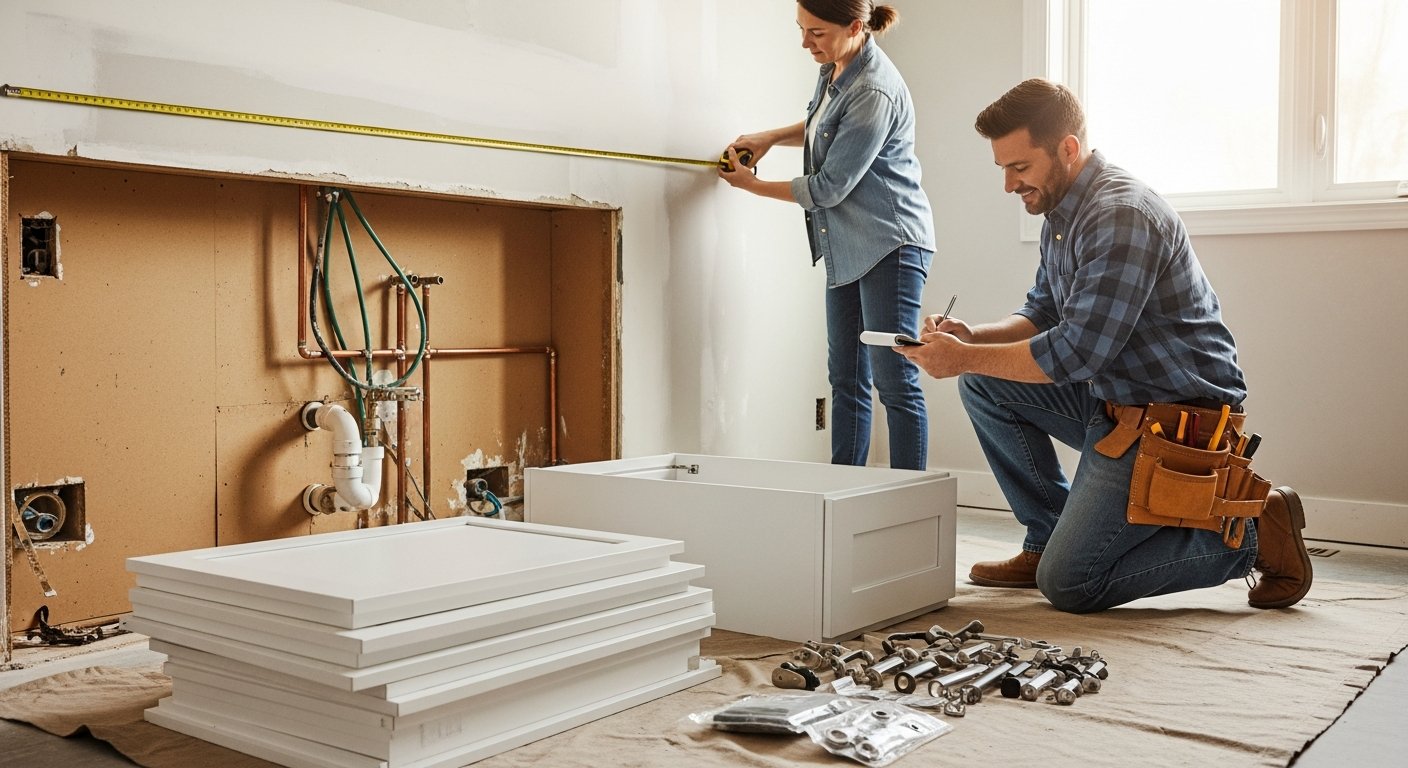
Next, take precise measurements of your space. This is not the time for estimates. Measure the width, height, and depth of every wall where cabinets will be installed. Note the locations of windows, doors, plumbing lines, electrical outlets, and any obstacles like radiators or uneven floors. These measurements are the foundation of your cabinet layout, and even a small error can lead to significant problems during installation.
Consider how you use the room. In a kitchen, think about your cooking and cleaning routines. In a bathroom, consider storage for toiletries and linens. A professional cabinet installer can help you optimize your layout, but knowing your own habits is the first step in creating a functional design.
Types of Cabinets and Key Considerations
Once you have a clear picture of your space and needs, it is time to explore the types of cabinets available. The two primary categories are stock cabinets and custom cabinets, each with its own set of advantages and trade-offs.
Stock cabinets are pre-manufactured in standard sizes and styles. They are the most budget-friendly option and are available immediately through most home improvement stores. Custom cabinets are built to your exact specifications, offering unlimited design flexibility and higher quality materials, but they come with a longer lead time and a higher price tag. There is also a middle option: semi-custom cabinets, which offer some customization within a standard framework.
Beyond the build type, you will need to consider the cabinet construction itself. Look for features like dovetail joints, plywood or solid wood construction, soft-close hinges, and full-extension drawer glides. These details affect durability and everyday usability. Here are a few key factors to weigh:
- Material: Plywood boxes are more durable than particleboard, especially in high-moisture areas.
- Door style: Framed or frameless construction impacts the look and accessibility.
- Finish: Painted, stained, or laminate finishes each have different maintenance needs.
- Hardware: The quality of hinges and drawer slides determines how smoothly the cabinets operate over time.
Your choices here will significantly affect both the cost and the longevity of your new cabinets. It is wise to invest in quality where it matters most, such as in the cabinet boxes and hardware, as these are difficult to upgrade later.
Getting Accurate Cost Estimates
Understanding the cost of your cabinet installation is critical for effective budgeting. The total price includes the cabinets themselves, labor for installation, and any necessary adjustments to your room, such as flooring, electrical, or plumbing work. To get a realistic picture, you should request detailed quotes from multiple contractors.
When you request quotes, provide each contractor with the same information: your measurements, chosen cabinet type, and the scope of work. This ensures that you are comparing apples to apples. A professional contractor will visit your home, verify your measurements, and discuss your needs before providing a quote. Be wary of quotes that are significantly lower than others, as they may indicate the use of inferior materials or a lack of experience.
To simplify this process, use a service like Homes.Contractors. The platform allows you to request free, customized quotes from pre-vetted contractors in your area. You can compare offers side by side, ensuring you find a fair price without compromising on quality. This approach saves you time and helps you avoid the risk of hiring an unqualified installer.
Selecting the Right Cabinet Installation Contractor
Choosing the right contractor for your cabinet installation is perhaps the most important decision you will make. A skilled installer ensures that your cabinets are level, securely anchored, and aligned perfectly with your walls and floors. An inexperienced one can turn a simple job into a nightmare, leading to gaps, misaligned doors, and even structural damage.
Start your search by asking for recommendations from friends, family, or your local home improvement store. Then, use an online directory like Homes.Contractors to find vetted professionals in your area. The platform provides ratings and reviews from previous homeowners, giving you valuable insight into a contractor's reliability and workmanship. When you have a list of candidates, conduct interviews and ask for references.
During the interview, ask about their experience with similar projects, their licensing and insurance, and their process for handling unexpected issues. A reputable contractor will be happy to provide proof of insurance and a written contract that outlines the scope of work, timeline, and payment schedule. Do not hesitate to ask for a detailed breakdown of the quote, including labor, materials, and any potential additional costs.
The Installation Process: What to Expect
A typical cabinet installation follows a well-defined sequence of steps. Knowing what to expect can help you prepare and communicate effectively with your contractor. While the exact process can vary based on your project, most installations include the following phases:
- Preparation: The work area is cleared, and the old cabinets are removed (if applicable). The contractor will inspect the walls and subfloor for any damage or irregularities.
- Layout and Marking: The installer marks the wall to indicate the exact placement of each cabinet, ensuring that the layout is level and square.
- Installing the Upper Cabinets: Wall cabinets are hung first, typically on a ledged board to keep them level. They are secured to the wall studs with heavy-duty screws.
- Installing the Base Cabinets: Base cabinets are placed and leveled, using shims as needed. They are then secured to each other and to the wall.
- Countertop Preparation: If your countertop is being replaced, the installer will ensure the base cabinets are perfectly level and ready to support the new surface.
- Finishing Touches: Doors and drawers are adjusted, hardware is installed, and any trim or molding is added to complete the look.
Throughout the process, a good contractor will keep you informed of progress and any challenges that arise. They will also protect your floors and adjacent areas from dust and debris. After the installation, they will walk you through the finished work and provide instructions for care and maintenance.
Common Mistakes to Avoid
Even with careful planning, mistakes can happen. Being aware of the most common pitfalls can help you avoid them or address them early. One frequent error is underestimating the importance of proper wall preparation. If your walls are not straight or are covered with old tile, the cabinets may not fit flush, requiring expensive adjustments.
Another common mistake is ordering cabinets before the flooring is installed. Cabinets are typically installed on top of the finished floor, so the floor must be in place first. If you are also replacing your flooring, ensure that the sequence is planned correctly. Skipping the leveling of the floor is another issue; a floor that is not level will cause cabinets to rock and doors to misalign.
Finally, many homeowners make the mistake of focusing only on the front of the cabinet and ignoring the quality of the cabinet box and hardware. Investing in solid construction and high-quality hinges and slides will pay off in the long run, preventing sagging doors and stuck drawers. It is also wise to avoid making final decisions on cabinet style and color without considering how they will interact with your countertop, backsplash, and lighting.
Budgeting for Your Cabinet Project
Creating a realistic budget for your cabinet installation is essential to avoid financial stress. The cost can vary widely depending on the size of your kitchen or bathroom, the type of cabinets you choose, and the complexity of the installation. A good rule of thumb is to allocate a significant portion of your renovation budget to cabinets, as they are often the most expensive component of a kitchen or bathroom remodel.
To get a clearer picture, start by gathering quotes from multiple contractors. Use the detailed estimates to compare not only the total price but also the breakdown of costs. This will help you identify where you can save money without sacrificing quality. For example, you might choose stock cabinets instead of custom ones, or you might opt for a simpler installation that requires less electrical or plumbing work.
Remember to set aside a contingency fund of about 10% to 15% of your total budget for unexpected expenses, such as discovering water damage behind old cabinets or needing to replace subflooring. A well-prepared budget will give you peace of mind and help you navigate the project without financial surprises.
Why Use Homes.Contractors for Your Project
Finding a trustworthy contractor for your cabinet installation can be a daunting task. Homes.Contractors simplifies this process by connecting you with qualified, pre-vetted professionals in your area. The platform offers a comprehensive directory and an educational hub, providing you with the tools you need to make an informed decision.
By using Homes.Contractors, you can request multiple quotes for free, allowing you to compare prices and services from different contractors. This competitive process helps you find a fair price while ensuring you have access to experienced installers. The site also features ratings and reviews from other homeowners, giving you valuable insights into a contractor's reliability and workmanship.
In addition to connecting you with contractors, the site offers a wealth of educational articles and FAQs to help you understand the intricacies of your project. Whether you are planning a kitchen remodel or a bathroom update, you will find practical advice on budgeting, material selection, and project management. This combination of resources empowers you to approach your cabinet installation with confidence.
Ultimately, a successful cabinet installation requires careful planning, the right materials, and a skilled contractor. By following the steps outlined in this guide and using a trusted resource like Homes.Contractors to find qualified professionals, you can transform your space with cabinets that are both beautiful and functional. Take the time to prepare thoroughly, and your new cabinets will provide years of enjoyment and value.
Learn more about Cabinet Installation for guides, costs, and what to expect.
Compare Cabinet Installation Pros Near You
Enter your ZIP code to compare top-rated local professionals and request free quotes.