How to Get an Accurate Home Repair Project Estimate
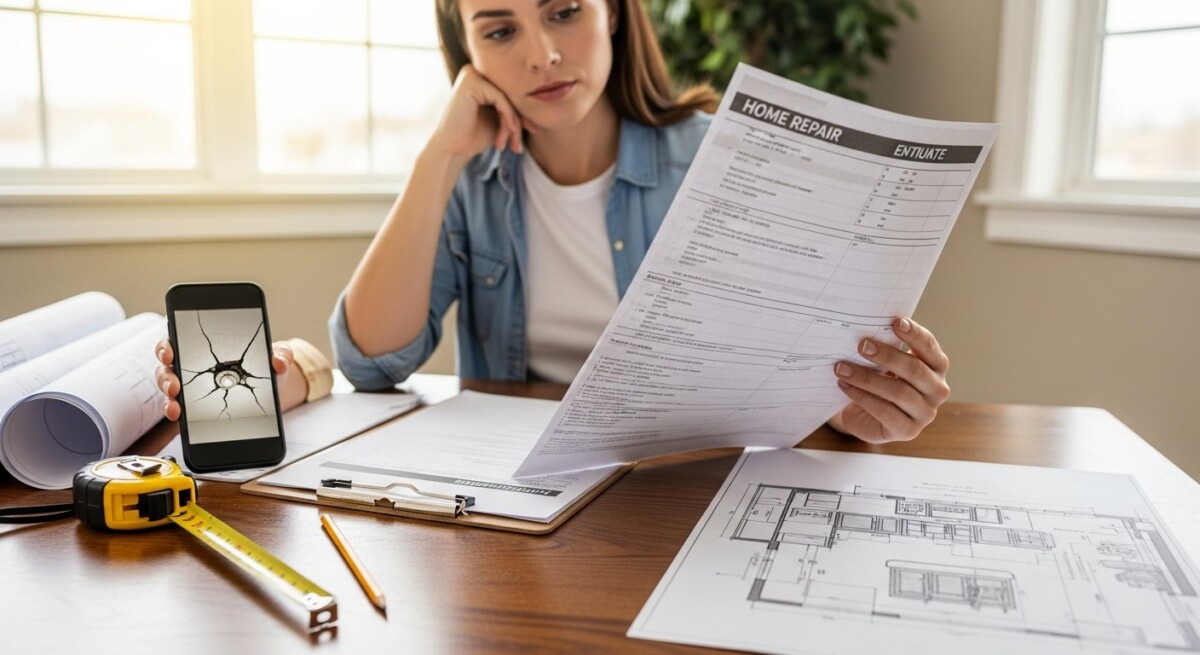
You notice a small crack in your ceiling after a heavy rain, or your bathroom floor feels a little soft near the tub. A project idea pops into your head, like updating your outdated kitchen. Your first thought is likely, “How much is this going to cost?” Getting a reliable home repair project estimate is the crucial first step that every homeowner faces, yet it can feel confusing and overwhelming. Without a clear understanding of the scope and cost, small issues can quietly grow into major, expensive problems, and exciting remodeling dreams can stall before they even begin.
Understanding Home Repair Project Estimates
A home repair project estimate is a detailed forecast of the costs involved in fixing a problem or completing a renovation. It’s more than just a single number. Think of it as a roadmap that outlines the work to be done, the materials required, the labor involved, and the projected timeline.
This document helps you understand what you’re paying for and allows you to compare proposals from different contractors on an equal footing. A thorough estimate protects both you and the contractor by setting clear expectations from the start, preventing misunderstandings and surprise charges later on.
Why This Matters for Your Home
An accurate estimate is your primary tool for protecting your biggest investment: your home. Without it, you’re essentially planning a financial journey without a map. You might budget for a simple patch job, only to discover the underlying issue requires a complete system replacement.
This lack of clarity can lead to rushed decisions, choosing the lowest bidder without understanding why their price is low, or worse, delaying necessary repairs altogether. Procrastination on home repairs is rarely cost-effective. A small leak ignored today can lead to catastrophic water damage, mold remediation, and structural repairs tomorrow, multiplying the cost exponentially.
If you notice signs of this issue in your home, it may help to speak with a qualified contractor. Request a free quote or call to explore your repair or remodeling options.
Common Problems Homeowners Experience
When seeking estimates, homeowners often encounter frustrating inconsistencies and gaps in information. One contractor might quote a price verbally over the phone, while another provides a multi-page breakdown. This makes an apples-to-apples comparison nearly impossible.
Other common issues include estimates that are unrealistically low to win the job, only to have change orders and extra fees appear later. Sometimes, the estimate lacks detail, simply listing a final price without explaining how it was calculated. This leaves you vulnerable to cost overruns and disputes.
- Vastly different price quotes for the same described project.
- “Ballpark” figures that bear no resemblance to the final bill.
- Estimates that exclude critical costs like permits, disposal fees, or potential unforeseen problems.
- Pressure to sign a contract immediately based on a vague estimate.
- Difficulty understanding the scope of work and quality of materials proposed.
- Contractors who are reluctant to put a detailed estimate in writing.
How Professionals Solve the Problem
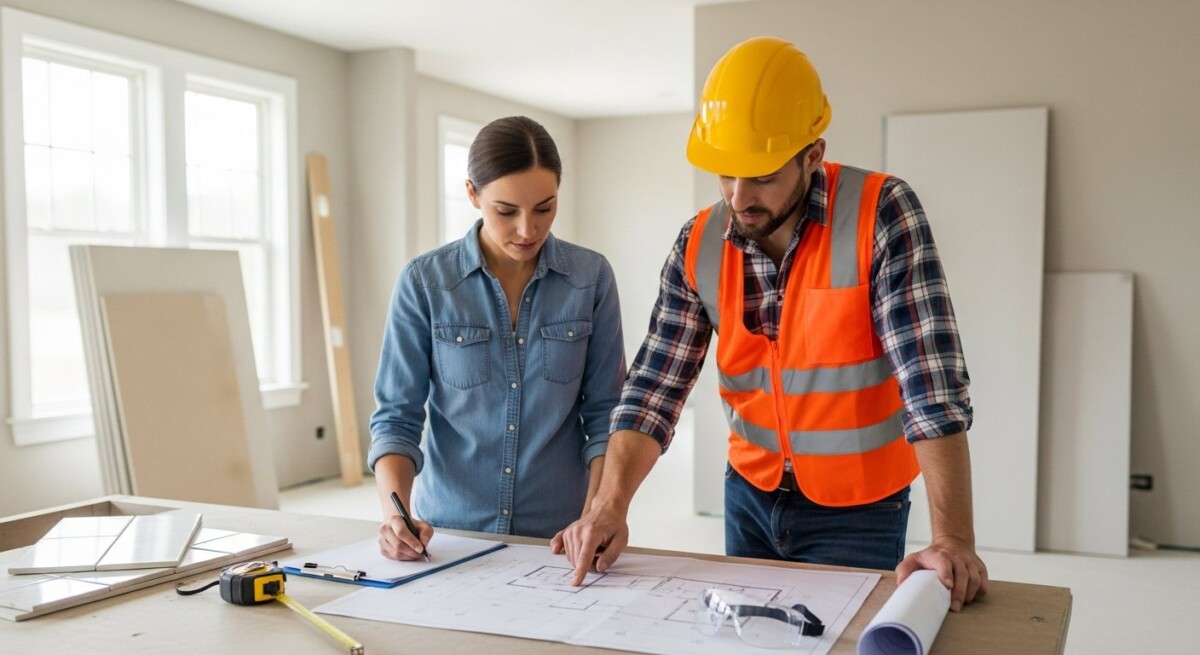
A reputable contractor approaches an estimate as a professional diagnosis. They start by thoroughly inspecting the problem area to understand not just the symptom, but the root cause. This professional eye can spot hidden issues a homeowner might miss, which is essential for creating a complete and accurate scope of work.
Their process is systematic and transparent. They break down the project into clear phases, specify the exact materials and brands to be used, and account for all labor, overhead, and necessary profit. This methodology ensures the estimate is comprehensive and fair, providing you with peace of mind and a solid foundation for your project. For a deeper look at what a trustworthy estimate should include, our guide to home repair estimates breaks down each component.
- Initial Consultation & Inspection: The contractor visits your home to assess the project, ask questions, and understand your goals.
- Scope of Work Development: They define every task required, from demolition to cleanup.
- Material Takeoff & Pricing: They calculate the quantities and types of materials needed and source accurate costs.
- Labor & Timeline Calculation: They estimate the hours for skilled tradespeople and create a projected schedule.
- Compilation & Presentation: All costs are compiled into a clear, written document presented to you for review.
A professional inspection can reveal hidden issues before they become expensive repairs. Compare contractor quotes here or call to discuss your project.
Warning Signs You Should Not Ignore
Sometimes, the need for a repair estimate is obvious, like a hole in the roof. Other times, the signs are subtle but just as urgent. Paying attention to these early warnings can save you thousands of dollars and prevent major disruptions to your home life.
Ignoring these signs allows problems to worsen. What starts as a minor annoyance can evolve into a safety hazard, a severe structural issue, or a scenario that requires emergency service at a premium cost. Acting early by getting a professional estimate is always the more prudent and economical path.
- Water stains on ceilings or walls, or a musty smell indicating potential mold.
- Cracks in foundation walls, especially if they are widening or horizontal.
- Roof shingles that are curling, cracked, or missing.
- Flickering lights, frequently tripped circuit breakers, or outlets that feel warm.
- Persistent drafts, uneven temperatures between rooms, or skyrocketing energy bills.
- Sagging floors, sticking doors, or windows that won’t open or close properly.
What Affects the Cost of Repairs or Installation
Many factors influence the final number on your home repair project estimate. Understanding these variables helps you interpret why estimates might differ and allows you to make informed choices that can impact cost. The size and complexity of the job are the most obvious drivers, but other elements play a significant role.
The quality and type of materials you select create a wide cost range. Labor intensity, the accessibility of the work area, and the age of your home (which may involve updating old plumbing or electrical to meet code) are all critical. Additionally, regional labor rates, permit costs, and the contractor’s level of expertise and insurance will be reflected in a professional estimate.
Costs can vary depending on the condition of your home. The best way to know the price is to get a personalized estimate. Request free quotes from contractors or call today.
How to Choose the Right Contractor
The estimate is a reflection of the contractor. A clear, detailed, and professional document often indicates a clear, detailed, and professional approach to the work itself. Your goal is to find a contractor you can trust to communicate openly and execute the project reliably.
Don’t automatically choose the lowest bid. A surprisingly low estimate can be a red flag, indicating the use of subpar materials, a lack of proper insurance, or an intention to cut corners. Instead, look for value,a fair price for quality work, backed by solid credentials and a good reputation. This is especially important for affordable home repairs for first-time homeowners, where budget is key but quality cannot be compromised.
- Verify they are licensed, bonded, and insured for your protection.
- Read recent customer reviews and ask for references from past clients.
- Insist on a detailed, written estimate that breaks down labor, materials, and other costs.
- Get at least three estimates to understand the market rate for your project.
- Ask about their experience with projects similar to yours and request to see photos.
Long-Term Benefits of Professional Work
Investing in a professional repair based on a solid estimate pays dividends long after the project is complete. First and foremost, it ensures the work is done safely and to building code, protecting your family from electrical, structural, or other hazards. Quality workmanship and materials also mean greater durability, so you won’t be facing the same issue again in a few years.
Furthermore, professional repairs can enhance your home’s energy efficiency, lowering utility bills. They also protect and often increase your property’s market value. Perhaps most importantly, they provide peace of mind. Knowing a problem has been resolved correctly allows you to enjoy your home without the underlying worry of a looming, expensive failure. If your repair stems from a specific incident like a flood, understanding the complete process of home repair after water damage highlights the importance of thorough, professional restoration.
What should a home repair estimate include?
A detailed estimate should include a clear description of the work (scope), a list of materials with brands/quantities, a breakdown of labor costs, a project timeline, the total cost, and payment terms. It should also note who is responsible for obtaining permits and handling cleanup.
How many estimates should I get for a home repair?
It’s wise to get at least three written estimates from licensed contractors. This gives you a good range for comparison on price, approach, and professionalism. It helps you identify outliers that are suspiciously high or low.
Is a quote the same as an estimate?
Often these terms are used interchangeably, but there can be a difference. An estimate is an educated guess of costs, which may change. A quote or bid is typically a fixed-price offer for the specified work. Always clarify what you are being given.
Why are some estimates free and others charge a fee?
Simple, small projects often have free estimates. For complex renovations or diagnostic work (like finding a leak), a contractor may charge a consultation fee, which is often applied to the project cost if you hire them. This compensates them for their expert time in planning.
Can I negotiate a home repair estimate?
Yes, you can discuss the estimate. You might ask if there are alternative materials that could lower cost, or if scheduling the work in their off-season offers a discount. Avoid simply demanding a lower price, as this may lead to corners being cut.
What if I find a problem after the work starts?
This is a common scenario called an “unforeseen condition.” A good contractor will pause, document the issue, provide you with a change order (a mini-estimate for the extra work), and get your approval before proceeding. This should be outlined in your contract.
Should the cheapest estimate be my choice?
Not necessarily. The cheapest option may exclude necessary work, use inferior materials, or indicate inexperience. Compare the details of each estimate. The best value is a fair price from a trustworthy contractor with a clear, comprehensive plan.
How long is a repair estimate valid?
Material and labor costs fluctuate. Most estimates are valid for 30 to 90 days. If you delay your project, ask the contractor if the estimate is still accurate or if it needs to be updated due to market changes.
Navigating home repairs and renovations starts with a single, powerful step: obtaining a clear and professional home repair project estimate. This document transforms uncertainty into a actionable plan, empowering you to make smart decisions for your home and budget. By addressing issues early and comparing detailed quotes from qualified contractors, you invest in the long-term safety, comfort, and value of your home. Don’t let guesswork dictate your next project,take control by starting with a reliable estimate today.