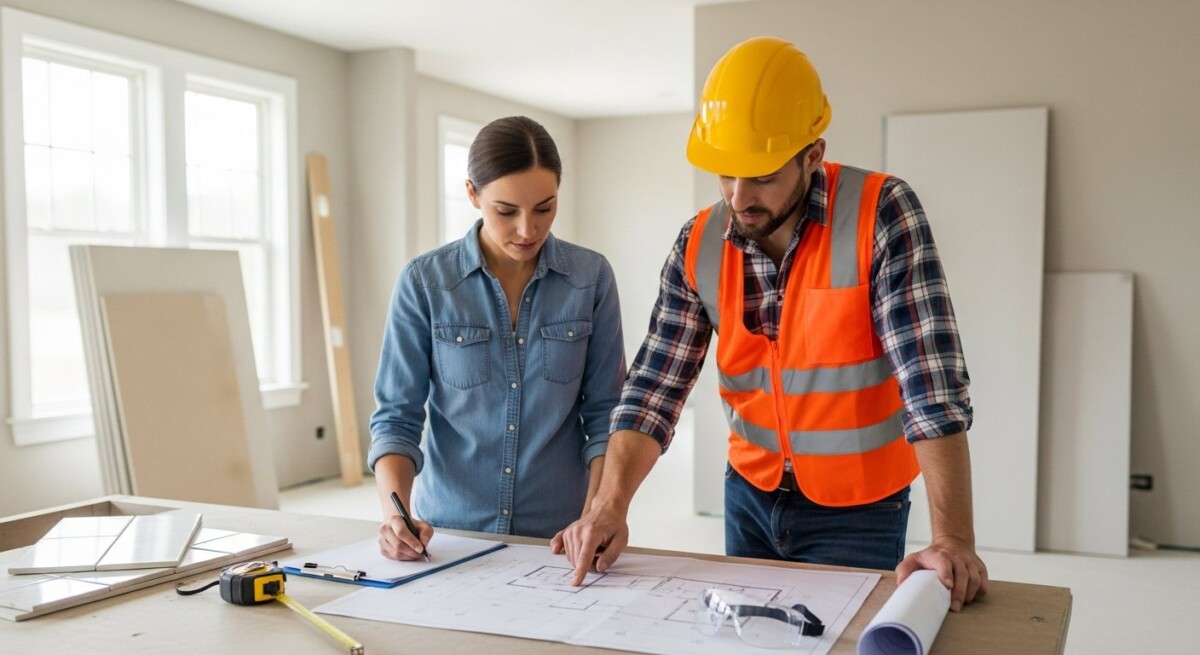
How to Avoid Contractor Overcharging: A Homeowner Guide
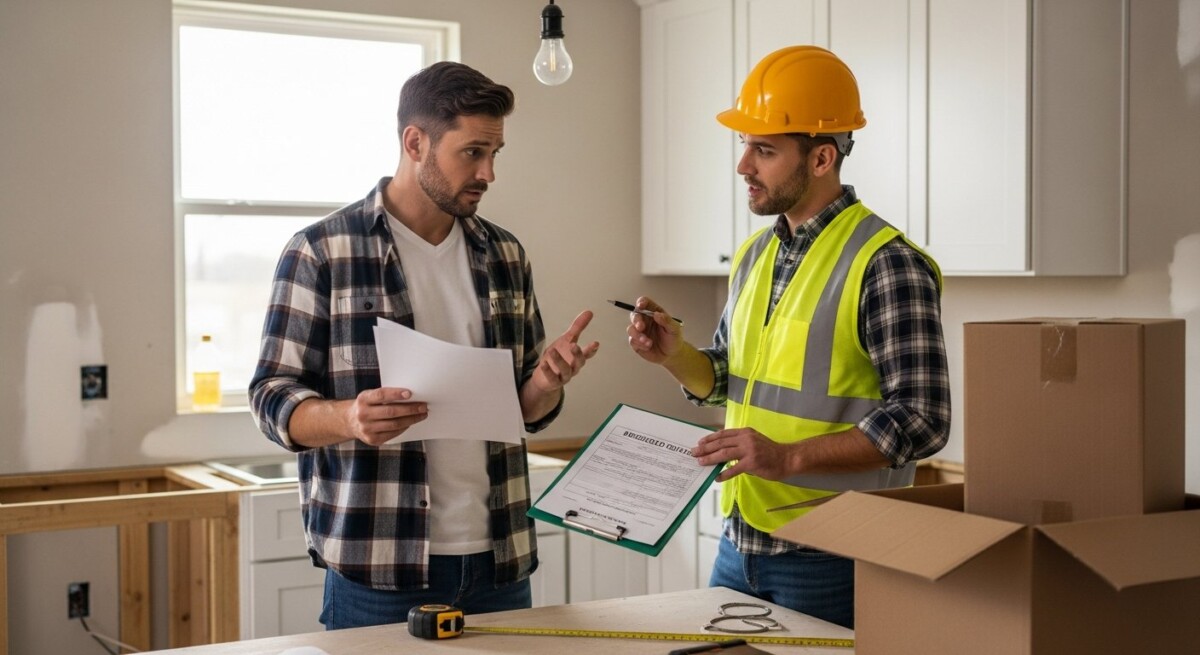
You finally saved up for that kitchen remodel. You hired a contractor who seemed honest, shook hands on a price, and then watched the final bill balloon by thousands of dollars. It happens more often than you think. Many homeowners discover they have been overcharged only after the check has cleared and the crew has left. Learning how to avoid contractor overcharging before you sign a contract can save you money, stress, and years of regret. If you ignore the warning signs, a simple bathroom update can turn into a financial headache that damages your budget and your trust in home professionals.
Understanding how to avoid contractor overcharging
Contractor overcharging happens when a professional bills you for more work, more materials, or higher rates than what was originally agreed upon. Sometimes it is intentional,like padding an estimate with unnecessary line items. Other times it results from poor communication or vague contracts. Either way, you end up paying extra for services you did not authorize.
This problem affects homeowners of all types, but it is most common when the project involves urgent repairs or complex remodeling. When you are stressed about a leaking roof or a broken furnace, you are less likely to question a price. Older homes also tend to attract higher bids because contractors assume hidden problems exist. Knowing how to spot inflated pricing and how to push back is a skill every homeowner should develop.
What is a fair price versus an overcharge?
A fair price covers reasonable labor, quality materials, and a modest profit for the contractor. An overcharge includes unnecessary fees, inflated material costs, or charges for work that was never performed. The key difference is transparency. A trustworthy contractor explains every line item. A contractor who overcharges often rushes you through the estimate or refuses to put quotes in writing.
Why this matters for your home
Overpaying a contractor does more than drain your wallet. It can delay other important home repairs because you have less money to spend. If you are forced to cut corners elsewhere, your home may suffer from neglected maintenance that leads to bigger problems like water damage, mold, or structural issues.
There is also a safety risk. A contractor who overcharges may also cut corners on materials or skip crucial steps to keep their profit high. This can result in shoddy work that fails inspections or, worse, causes an accident. Protecting your home value means hiring honest professionals who deliver quality work at a fair price.
Delaying a project because you are worried about being overcharged often makes the situation worse. A small roof leak can rot your decking and ruin your insulation. A faulty electrical outlet can spark a fire. The longer you wait, the more expensive the eventual repair becomes.
If you notice signs of this issue in your home, it may help to speak with a qualified contractor. Request a free quote or call to explore your repair or remodeling options.
Common problems homeowners experience
Homeowners often realize they have been overcharged only after the work is finished. The bill arrives and line items like “unforeseen structural issues” or “emergency labor fees” appear without explanation. You may also notice that the final price is significantly higher than the original estimate, with no clear reason why.
These problems show up in various parts of the home. A contractor might quote you for premium flooring but install a cheaper brand. They might charge for eight hours of work when the job only took five. Some contractors even add fees for permits they never pulled or inspections they never scheduled.
- Inflated material costs that do not match market prices
- Unexplained change orders that increase the total bill
- Charges for cleanup or disposal that were supposed to be included
- Markups on subcontractor work that are not disclosed upfront
- Fees for “project management” that were never mentioned in the contract
- Billing for time or materials that were not actually used on your project
How professionals solve the problem
Experienced contractors who value their reputation do not overcharge. They provide clear, itemized estimates and stick to them unless you approve changes in writing. They explain each cost, answer your questions, and give you time to compare bids. A professional wants you to feel confident in the price before work begins.
When you hire a reputable contractor, the process typically follows a predictable path that protects you from surprises.
- They conduct a thorough inspection of your home and identify all necessary work.
- They provide a written estimate with detailed line items for labor, materials, permits, and fees.
- They explain the timeline and any potential variables that could affect the cost.
- They ask you to sign a contract that locks in the price and scope of work.
- They communicate regularly during the project and seek approval before making changes.
- They provide a final invoice that matches the agreed-upon estimate.
Professional work is safer and more reliable than DIY fixes because it comes with warranties, insurance, and accountability. If something goes wrong, you have recourse. A DIY attempt might save money upfront but can lead to expensive mistakes that a professional would have avoided.
A professional inspection can reveal hidden issues before they become expensive repairs. Compare contractor quotes here or call to discuss your project.
Warning signs you should not ignore
Your gut feeling is often the first warning sign. If a contractor seems pushy, avoids putting things in writing, or pressures you to sign a contract immediately, those are red flags. High-pressure sales tactics are common among contractors who plan to overcharge you later.
Another warning sign is a quote that is dramatically lower than every other bid you received. That lowball number is often a bait-and-switch. The contractor will start the work, then claim they found unexpected problems that require more money. By then, you are halfway through the project and feel trapped.
- A contractor asks for a large deposit before starting any work
- They do not have a physical business address or a valid license
- They refuse to provide references from past clients
- They insist on cash payments to “save you taxes”
- They change the scope of work verbally but not in writing
- They claim your insurance will cover the full cost of unnecessary upgrades
What affects the cost of repairs or installation
Several factors influence how much a contractor charges, and understanding these can help you spot an overcharge. The size of your project is the most obvious factor. A full basement remodel costs more than a simple bathroom update. But within that project, material choices, labor rates, and accessibility all play a role.
Materials vary widely in price. If a contractor quotes you for top-tier tile but plans to install a mid-range option, you are being overcharged. Labor costs also depend on the complexity of the work. A job that requires specialized skills,like electrical rewiring or custom cabinetry,will cost more than basic painting or drywall.
The age of your home matters too. Older homes often have outdated wiring, asbestos, or lead paint that requires special handling. A contractor should explain these potential issues upfront, not surprise you with extra charges mid-project. Accessibility also affects cost. A second-story addition requires scaffolding and more labor, which adds to the bill.
Costs can vary depending on the condition of your home. The best way to know the price is to get a personalized estimate. Request free quotes from contractors or call today.
How to choose the right contractor
Selecting a contractor is one of the most important decisions you will make for your home. The right professional will protect your investment and respect your budget. The wrong one can cost you thousands and leave you with unfinished or unsafe work.
Start by asking friends and neighbors for recommendations. Then verify each candidate by checking their license, insurance, and online reviews. A contractor with a long history of satisfied customers is less likely to overcharge you. Always get at least three written estimates and compare them carefully.
- Verify that the contractor holds a valid license for your state and type of work
- Ask for proof of general liability and workers’ compensation insurance
- Read recent reviews on trusted platforms like the Better Business Bureau or Google
- Request a detailed, line-item estimate in writing before signing anything
- Confirm that the contractor has experience with projects similar to yours
Long-term benefits of professional work
Hiring a professional who charges a fair price gives you peace of mind. You know the work was done correctly, with quality materials, and in compliance with local building codes. That peace of mind translates into real value when you decide to sell your home. Buyers pay more for a house with a documented history of professional repairs and upgrades.
Professional work also lasts longer. A properly installed roof or HVAC system will perform efficiently for years, saving you money on energy bills and maintenance. When you avoid overcharging by choosing an honest contractor, you also avoid the hidden costs of redoing shoddy work later. In the end, paying a fair price for quality work is cheaper than paying a low price for poor work.
Your home is likely your largest asset. Protecting it with professional, fairly priced repairs is one of the smartest financial decisions you can make. Compare quotes, ask questions, and never feel pressured to hire someone who makes you uncomfortable.
Frequently asked questions
How do I know if a contractor is overcharging me?
Compare their estimate to at least two other bids from reputable contractors. If one quote is significantly higher or lower than the others, ask for a detailed breakdown. Look for vague line items like “miscellaneous fees” or “project management” that lack explanation.
What should I do if I suspect I have been overcharged?
Start by reviewing your contract and the final invoice side by side. Contact the contractor and ask for clarification on any charges you do not recognize. If they refuse to explain or adjust the bill, consider filing a complaint with your state contractor licensing board or seeking legal advice.
Can a contractor charge more than the estimate?
Only if you approve changes in writing. A reputable contractor will not exceed the agreed-upon price without discussing it with you first. Always insist on a signed change order before any extra work begins.
What is a typical markup on materials?
Most contractors add a markup of 10% to 20% on materials to cover their time sourcing, transporting, and handling them. If you see a markup higher than 30%, ask for an explanation. You can also check material prices yourself at local suppliers to verify the cost.
Should I pay a deposit before work starts?
A small deposit,usually 10% to 20% of the total project cost,is standard. Avoid contractors who demand 50% or more upfront. Large deposits are a common sign of overcharging or even outright scams.
How can I avoid being overcharged for emergency repairs?
Get a written estimate before authorizing any work, even in an emergency. If the situation is truly urgent, ask the contractor to provide a rough quote over the phone and confirm it in writing before they begin. Compare that quote with other emergency service providers when possible.
Is it cheaper to hire a contractor directly instead of using a directory?
Directories like Homes.Contractors help you compare multiple pre-vetted contractors quickly, which can save you time and money. The key is to get multiple quotes regardless of how you find your contractor. Comparing bids is the best way to avoid overcharging.
What questions should I ask a contractor before hiring them?
Ask about their license and insurance, how they handle change orders, what the payment schedule looks like, and whether they offer a warranty on their work. A contractor who answers these questions clearly and in writing is more likely to be trustworthy.
Your home deserves honest work at a fair price. By learning how to avoid contractor overcharging, you protect your budget, your property, and your peace of mind. Start by comparing quotes from multiple professionals and never settle for a contractor who makes you feel rushed or pressured. The right fit is out there, and taking the time to find them is the best investment you can make.