How Many Contractor Quotes Should You Get for Home Projects
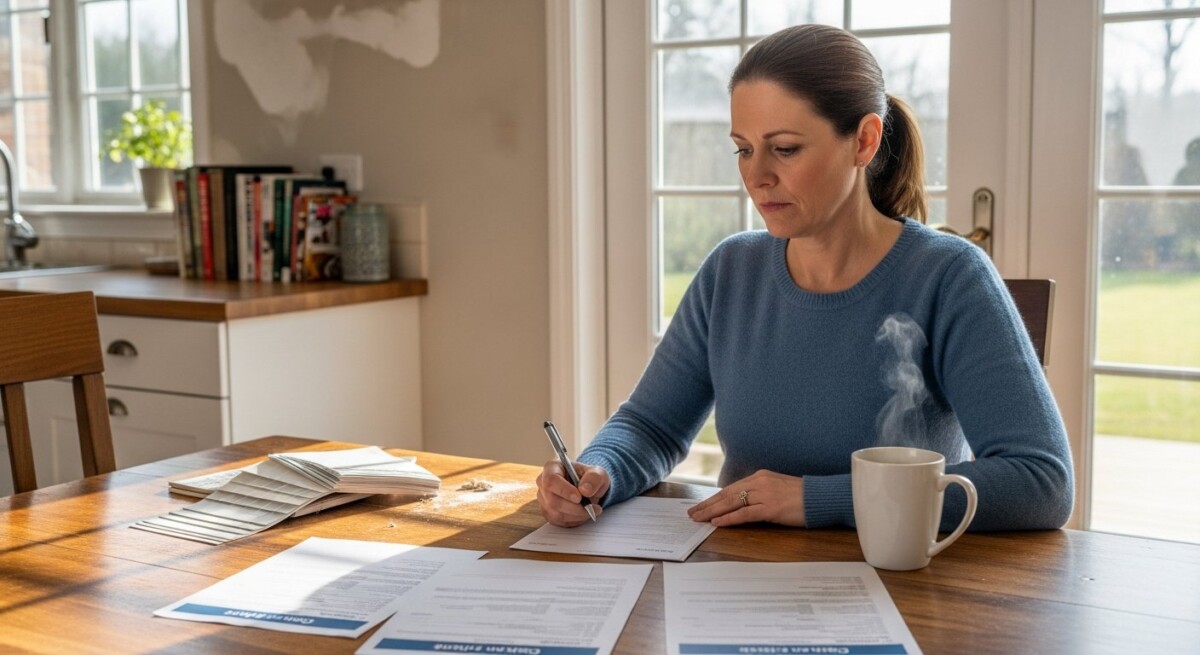
You notice a water stain spreading across your living room ceiling. Or maybe your bathroom tiles feel spongy underfoot. Your first instinct might be to call the first contractor you find online and get the work done quickly. But that urgency can lead to overpaying, poor workmanship, or even getting scammed. One of the most common questions homeowners ask is how many contractor quotes should you get before committing to a project. The answer is not just a number,it is a strategy that protects your home, your budget, and your peace of mind.
When you understand how many contractor quotes to collect, you gain leverage, clarity, and confidence. You stop guessing and start comparing real options. This article will walk you through the exact number of quotes you need, why it matters, and how to use those quotes to make the best decision for your home.
Understanding How Many Contractor Quotes You Should Get
Most home improvement experts recommend obtaining three to four detailed quotes for any significant repair or remodeling project. This range gives you enough data to spot outliers,bids that are suspiciously low (often cutting corners) or excessively high (padding the price). It also helps you understand the typical market rate for your specific job in your area.
Getting fewer than three quotes leaves you vulnerable. A single quote gives you no benchmark. Two quotes can create a false choice between two options that may both be overpriced. Three or four quotes reveal a realistic price range and show you which contractors are thorough in their estimates and which ones gloss over important details.
Homes most affected by this decision are those with older systems, unique architectural features, or projects that require multiple trades, such as basement finishing or whole-home remodels. The more complex the project, the more important it becomes to compare multiple bids.
Why Three Quotes Is the Sweet Spot
Three quotes provide statistical balance. With three estimates, you can identify the middle range and use that as your baseline for negotiation. You also have enough information to evaluate each contractor’s communication, professionalism, and willingness to answer questions,factors that are just as important as price.
Why This Matters for Your Home
Skipping the quote-collection process can cost you thousands of dollars and lead to shoddy work that requires redoing. A contractor who knows you have not compared prices may inflate their bid. Worse, a contractor who underbids significantly may use cheap materials, skip permits, or rush the job, leaving you with safety hazards or code violations.
Property damage is another real risk. A poorly installed roof can leak for years before you notice the rot in your attic. An incorrectly wired electrical panel can create a fire hazard. These problems are not just expensive to fix,they can endanger your family. Getting multiple quotes helps you choose a contractor who will do the job right the first time.
Delaying repairs while you shop around is also risky. A small crack in your foundation can widen during the next freeze-thaw cycle. A dripping pipe can cause mold that requires costly remediation. Collecting quotes quickly,ideally within the same week,lets you address issues before they escalate.
If you notice signs of this issue in your home, it may help to speak with a qualified contractor. Request a free quote or call (800) 555-0199 to explore your repair or remodeling options.
Common Problems Homeowners Experience
Many homeowners fall into the trap of hiring the first contractor they meet, especially when the problem feels urgent. A burst pipe or a broken furnace creates panic, and panic leads to poor decisions. Others assume that the lowest bid is the best deal, only to discover hidden fees or incomplete work later.
Another common problem is confusion about what a quote should include. Some contractors provide a lump sum without listing materials, labor, or timeline. Others leave out permit fees or disposal costs. Without multiple quotes to compare, you might not realize what is missing until the work begins,and by then, you are already committed.
Here are the most frequent issues homeowners face when they do not collect enough contractor quotes:
- Overpaying by 20,50% compared to market average
- Hiring unlicensed contractors who perform unsafe work
- Discovering hidden costs after the project starts
- Receiving incomplete work that fails inspection
- Getting stuck with poor-quality materials that fail early
- Wasting time on contractors who ghost you after payment
How Professionals Solve the Problem
Experienced contractors expect you to collect multiple quotes. A professional will take the time to visit your home, assess the scope of work, and provide a written estimate that itemizes labor, materials, timeline, and payment schedule. They understand that your due diligence is a sign of a serious homeowner.
The typical process for a professional contractor looks like this:
- Initial consultation: The contractor inspects the problem area, asks about your goals, and measures the space.
- Detailed estimate: They provide a written breakdown of costs, including materials, labor, permits, and cleanup.
- Project timeline: They outline start and completion dates, along with milestones for larger projects.
- Contract signing: Once you approve the quote, they provide a contract that matches the estimate exactly.
- Work and inspection: They complete the work, often pulling permits and scheduling inspections as required.
Professional work is safer and more reliable than DIY fixes because contractors carry insurance, know local building codes, and have access to trade-only materials. They also stand behind their work with warranties that protect you if something goes wrong.
A professional inspection can reveal hidden issues before they become expensive repairs. Compare contractor quotes here or call (800) 555-0199 to discuss your project.
Warning Signs You Should Not Ignore
Your home often gives you clues that a repair is needed long before a crisis hits. Paying attention to these warning signs can save you from emergency repairs that cost double the price of planned work. If you notice any of the following, start collecting contractor quotes immediately.
- Water stains on ceilings or walls (indicates a roof or plumbing leak)
- Warped or buckling floors (sign of moisture damage or foundation issues)
- Musty odors in basements or crawl spaces (mold or mildew growth)
- Frequent circuit breaker trips (overloaded or aging electrical system)
- Cracks in drywall or brickwork (possible foundation movement)
- Drafts or uneven temperatures (poor insulation or HVAC problems)
Early action prevents these small issues from turning into major structural repairs. A roofer can patch a few missing shingles for a few hundred dollars. Waiting until the roof leaks through the decking can turn into a $10,000 replacement. The same logic applies to plumbing, electrical, and foundation work.
What Affects the Cost of Repairs or Installation
Understanding what drives the price of your project helps you evaluate quotes more intelligently. You will see why one contractor’s bid is higher than another’s and whether the difference is justified by better materials or more comprehensive work.
Key factors that influence pricing include the size of the project, the materials specified, labor rates in your region, and the accessibility of the work area. For example, a bathroom remodel in a 1950s home may require bringing old plumbing up to code, which adds cost. A roof replacement on a steep, three-story house will cost more than a simple ranch-style home because of safety requirements and longer labor hours.
The age of your home also matters. Older homes often have hidden issues like knob-and-tube wiring, lead paint, or asbestos that must be handled by specialists. These discoveries can double your project cost, which is why it is wise to have a contractor inspect the area before you commit to a fixed price.
Costs can vary depending on the condition of your home. The best way to know the price is to get a personalized estimate. Request free quotes from contractors or call (800) 555-0199 today.
How to Choose the Right Contractor
Choosing a contractor is not just about the lowest number on the estimate. You are hiring someone to work inside your home, often for weeks at a time. Trust, communication, and reliability matter as much as price. Here are practical tips for selecting the right professional.
- Verify licenses and insurance: Ask for proof of general liability insurance and workers’ compensation. Uninsured contractors can leave you liable for injuries or damages.
- Read recent reviews: Check Google, Yelp, and the Better Business Bureau. Look for patterns,multiple complaints about the same issue should raise red flags.
- Ask for detailed estimates: A vague quote is a red flag. Insist on itemized costs so you know exactly what you are paying for.
- Compare at least three quotes: Use the range to identify the fair market price for your project. Discard bids that are far above or below the middle.
- Confirm experience: Ask how many similar projects they have completed. A contractor who specializes in kitchen remodels may not be the best choice for a new roof.
Long-Term Benefits of Professional Work
When you invest in professional repairs or installations, you are buying more than a fixed problem. You are buying durability, safety, and peace of mind. A properly installed roof lasts 20,30 years. A well-finished basement adds usable living space and increases your home’s resale value.
Energy efficiency is another major benefit. Professional contractors seal gaps, install proper insulation, and use materials that reduce your heating and cooling bills. Over time, those savings can offset the cost of the repair. You also avoid the frustration of recurring problems that plague DIY or low-bid work.
Finally, professional work protects your home’s value. When you sell, buyers and home inspectors will notice quality craftsmanship. Permits and inspection records show that the work was done correctly, which removes a common negotiation point during the sale. In short, spending a little more upfront for a qualified contractor pays off many times over in the long run.
How many contractor quotes should I get for a small repair?
For minor repairs under $1,000, two to three quotes are usually sufficient. Focus on contractors who specialize in that specific type of work. Even for small jobs, comparing quotes helps you avoid overpaying.
Is it rude to get multiple contractor quotes?
No, it is standard practice. Reputable contractors expect you to shop around. Being transparent that you are collecting multiple bids is professional and shows you are a serious homeowner.
What if one contractor’s quote is much lower than the others?
A significantly lower bid is a red flag. It may indicate the contractor is cutting corners on materials, skipping permits, or lacking insurance. Use the other quotes to verify the realistic cost and ask the low bidder for a detailed breakdown.
How long does it take to get contractor quotes?
Most contractors can provide a quote within 2,5 business days after visiting your home. For complex projects, such as a full kitchen remodel, allow up to two weeks to receive all estimates.
Should I pay for contractor quotes?
Most contractors provide free estimates. Be wary of anyone who charges a fee just to give a quote. Some specialty contractors, like structural engineers, may charge a consultation fee, but that is different from a standard home repair quote.
What should a contractor quote include?
A professional quote should list the scope of work, materials and their costs, labor charges, permit fees, a payment schedule, and an estimated timeline. Avoid quotes that are a single number with no details.
Can I negotiate a contractor quote?
Yes, you can negotiate, especially if you have multiple quotes showing a range. Ask if the contractor can match a competitor’s price or offer a discount for scheduling during their slow season.
How do I know if a contractor quote is fair?
Compare the quote against at least two others for the same scope of work. Research average costs for your area using online resources. If the quote falls within the middle range and the contractor has good reviews, it is likely fair.
Getting the right number of contractor quotes is one of the smartest steps you can take as a homeowner. It protects your budget, your home’s safety, and your long-term investment. Start by identifying the problem, then reach out to three or four qualified contractors. Compare their estimates, check their credentials, and choose the one who offers the best combination of price, professionalism, and trust. Your home deserves nothing less.