
How Long Contractor Estimates Remain Valid for Homeowners
Learn how long contractor estimates remain valid, why they expire, and how to protect your home project budget with current, accurate pricing.
By Chelsea Kris
Learn more about Home Inspection for guides, costs, and what to expect.
Compare Home Inspection Pros Near You

Enter your ZIP code to compare top-rated local professionals and request free quotes.
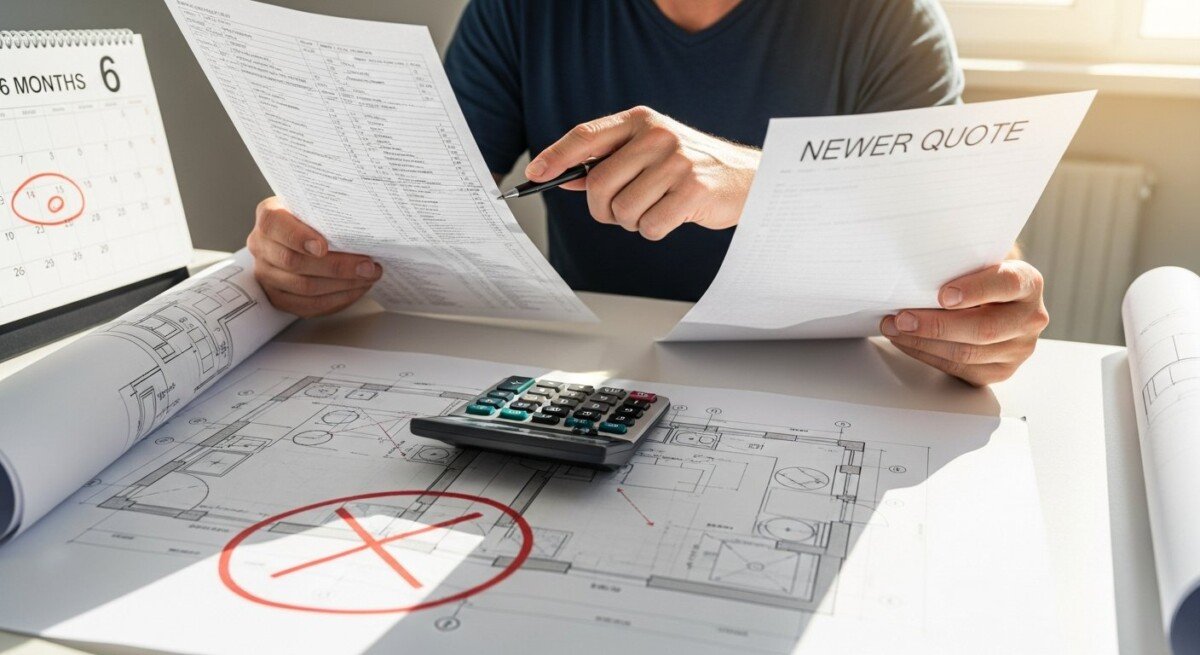
You finally decide to move forward with that kitchen remodel or roof replacement you’ve been planning. You pull out the detailed estimate a contractor gave you six months ago, ready to schedule the work. But when you call, you’re met with disappointing news: the price has gone up significantly. The estimate is no longer valid, and your carefully planned budget is now out the window. This frustrating scenario is more common than you might think, and it often catches homeowners by surprise, leading to delays, financial strain, and the difficult task of restarting the planning process.
Understanding How Long Contractor Estimates Remain Valid
In simple terms, a contractor’s estimate is a professional guess at the cost of a project, based on the prices of materials and labor at a specific point in time. It’s not a locked-in price forever. Think of it like a snapshot of costs, not a permanent guarantee.
Estimates expire because the costs that go into your project are constantly changing. Lumber, tiles, appliances, and skilled labor don’t have fixed prices. When material costs rise or a contractor’s schedule fills up, the numbers from months ago simply don’t reflect current reality.
While any home project can be affected, this issue is especially relevant for larger, more complex jobs like full remodels, additions, or major system replacements. These projects involve more variables and a longer timeline between initial planning and final commitment.
Why This Matters for Your Home
An expired estimate doesn’t just mean a higher number on a page. It can directly impact your ability to maintain and improve your most valuable asset,your home. Delaying necessary repairs or upgrades because of budget surprises can allow small problems to grow into major, costly emergencies.
For instance, putting off a roof estimate that has expired could mean water damage spreads while you scramble to reassess finances. Postponing a foundation repair could lead to more extensive structural issues. Acting on current, accurate pricing protects your home’s integrity, your family’s safety, and your long-term financial investment.
If you notice signs of this issue in your home, it may help to speak with a qualified contractor. Request a free quote or call to explore your repair or remodeling options.
Common Problems Homeowners Experience
The core problem is the gap between expectation and reality. Homeowners responsibly get estimates to plan their budgets, only to find the financial landscape has shifted when they’re ready to begin. This can derail projects entirely or force compromises on quality and materials.
Beyond the sticker shock, other issues arise. You might lose your place in a reputable contractor’s schedule, facing longer wait times. You may also discover that certain materials are no longer available at the old price, or at all, changing the look and function of your planned project.
- Budget Shortfalls: The new price exceeds your saved funds, requiring loans or scaling back the project.
- Project Delays: Needing new estimates pushes your start date back by weeks or months.
- Material Substitutions: Being forced to choose different, potentially inferior materials to meet a budget.
- Lost Contractor Availability: Your preferred contractor may be booked solid by the time you re-engage.
- Worsening Existing Damage: For repair projects, delay can mean the problem gets bigger and more expensive to fix.
- Planning Fatigue: The frustration of restarting the planning process can lead to abandoning the project altogether.
How Professionals Solve the Problem
An experienced contractor doesn’t just provide a number; they provide a roadmap based on current market conditions. When you get a fresh, valid estimate, you’re getting a plan built on today’s costs and the contractor’s current workload. This clarity is the foundation of a successful project.
Professional work ensures the job is done correctly, safely, and efficiently. They handle permits, source materials reliably, manage skilled labor, and foresee potential hurdles you might not consider. This expertise prevents costly mistakes and ensures the repair or renovation adds lasting value to your home. A key part of starting right is understanding contractor estimates and what they include.
- Current Assessment: They visit your home to evaluate the current scope, noting any changes since the last estimate.
- Updated Material Pricing: They source real-time costs from suppliers for the exact products specified.
- Labor and Scheduling: They calculate costs based on their team’s current rates and availability.
- Detailed Proposal: They provide a clear, written estimate with a defined validity period (often 30-90 days).
- Project Management: Once you approve, they secure materials and schedule the work, locking in timelines and costs.
A professional inspection can reveal hidden issues before they become expensive repairs. Compare contractor quotes here or call to discuss your project.
Warning Signs You Should Not Ignore
The most obvious sign is time itself. If your estimate is more than 30-60 days old, it’s likely approaching or past its useful life. Don’t assume prices are static; proactively check in with your contractor if you’ve delayed your decision.
Listen to news about supply chain issues or inflation in the construction sector. These are direct indicators that your old estimate is becoming less reliable. If a contractor mentions that material lead times have changed, that’s another clue that costs may have shifted as well.
- Your estimate document is dated more than 60 days ago.
- You hear news reports about rising costs of lumber, metals, or other building materials.
- The contractor mentions being “booked further out” than they were when you first spoke.
- You sense hesitation or a need to “revisit the numbers” when you call to schedule.
- For repair projects, the visible issue (like a leak or crack) has worsened since you got the estimate.
- You’ve changed the project scope even slightly from the original plan.
What Affects the Cost of Repairs or Installation
Many factors influence the final price on your estimate, and they all fluctuate. Material costs are the most volatile, often changing with market demand, tariffs, and supply chain logistics. The type and grade of materials you choose,from standard laminate to custom hardwood,also create a wide price range.
Labor costs depend on the project’s complexity, the skill required, and regional demand for tradespeople. A simple drywall repair costs far less per hour than a custom tile installation. Furthermore, the age and condition of your home can reveal unexpected issues once work begins, like outdated wiring or structural surprises, which must be factored into a current, accurate estimate.
Costs can vary depending on the condition of your home. The best way to know the price is to get a personalized estimate. Request free quotes from contractors or call today.
How to Choose the Right Contractor
Selecting a contractor is about more than just the lowest price. It’s about finding a trustworthy partner who will communicate clearly and stand behind their work. Start by verifying their license and insurance,this is non-negotiable for your protection.
Read reviews and ask for references from past clients with similar projects. A reputable contractor will be happy to provide this. When you get estimates, ensure they are detailed, in writing, and include a clear expiration date. This makes how to compare contractor estimates much easier and more effective.
- Check for a valid state license and general liability insurance.
- Read online reviews and ask for 2-3 recent client references.
- Request a detailed, written estimate that breaks down material and labor costs.
- Compare at least three estimates to understand the market rate for your project.
- Ask about their experience with projects exactly like yours.
- Ensure communication is clear and responsive from the very start.
Long-Term Benefits of Professional Work
Investing in professional work with a valid, current estimate pays dividends for years. First and foremost, it ensures safety. Proper electrical work, structural repairs, and plumbing installations prevent hazards that could harm your family or lead to catastrophic damage.
Quality workmanship also means durability. A job done right lasts longer, saving you money on repeated repairs or premature replacements. Furthermore, many upgrades, like energy-efficient windows or insulation, lower your utility bills month after month. Finally, professional renovations and well-executed repairs significantly boost your home’s resale value, protecting and growing your investment.
How long is a contractor’s estimate typically good for?
Most contractor estimates are valid for 30 to 90 days. This window protects both you and the contractor from significant price changes in materials and labor. Always ask for the validity period to be stated clearly on your written estimate.
Can a contractor honor an old estimate?
While some might try, it’s often not financially feasible for them due to rising costs. Holding them to an expired estimate can strain the relationship or force them to use lower-quality materials. It’s always best to request an updated quote.
What makes an estimate expire?
Estimates expire primarily due to increases in material costs, changes in labor rates, and shifts in the contractor’s availability and scheduling. Market volatility and supply chain disruptions can shorten an estimate’s realistic validity.
Should I get multiple estimates for a home project?
Yes, getting at least three detailed estimates is highly recommended. It helps you understand the fair market price, reveals different approaches to your project, and allows you to evaluate contractors based on clarity, detail, and professionalism.
What’s the difference between an estimate and a quote?
In everyday talk, they’re often used interchangeably. However, an “estimate” is typically a careful approximation, while a “quote” or “bid” is often a firmer price. Always get written clarification on how fixed the price is and what could change it.
Does a signed contract lock in the price?
A signed contract with a fixed-price clause should lock in the price for the defined scope of work. This is why moving from an estimate to a signed contract promptly is crucial,it protects you from future price hikes for the agreed-upon project.
How can I speed up my project to avoid estimate expiration?
Clear and timely communication is key. Make decisions promptly, secure your financing in advance, and be ready to sign a contract and put down a deposit once you select a contractor. Delays on your end can push the project past the estimate’s validity.
What if I have an old estimate for an emergency repair?
For emergencies, contact the contractor immediately. Explain the situation. While the old price may not hold, they can provide a current assessment and prioritize the repair, often preventing further damage that would be even more costly.
Understanding the lifespan of a contractor’s estimate empowers you to plan your home projects wisely. By acting on current information and choosing a reputable professional, you protect your budget, your timeline, and your home itself. Don’t let an expired estimate derail your plans or allow a small issue to become a major headache. The most practical step you can take today is to get fresh, detailed estimates from qualified contractors, giving you the clarity and confidence to move forward.
Learn more about Home Inspection for guides, costs, and what to expect.
Compare Home Inspection Pros Near You
Enter your ZIP code to compare top-rated local professionals and request free quotes.