How Contractor Bids Are Calculated: A Homeowner’s Guide
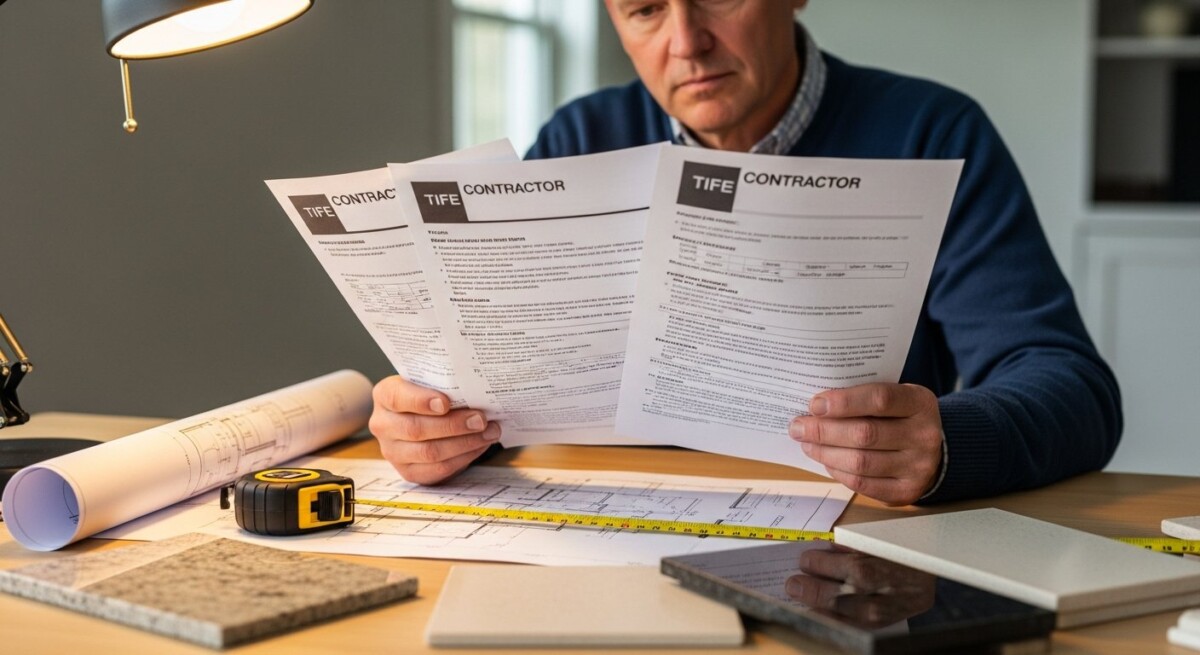
You’ve finally decided to tackle that kitchen remodel or fix that persistent leak. You call a few contractors, and soon, estimates start arriving. One is surprisingly low, another seems astronomical, and a third is somewhere in the middle but with vague details. You’re left wondering: how are these numbers even determined? Understanding how contractor bids are calculated is the key to making a confident, informed decision for your home and your budget.
Understanding How Contractor Bids Are Calculated
A contractor’s bid is far more than a random guess. It’s a detailed, itemized projection of the total cost to complete your specific project. Think of it as a roadmap that accounts for every material, every hour of labor, and every potential challenge.
This calculation happens because every home and project is unique. A professional contractor must assess your space, understand your goals, and anticipate the work required to turn your vision into reality. They’re pricing not just the visible finish, but all the steps,seen and unseen,to get there.
Homes with older systems, complex layouts, or unclear project scopes often see the widest bid ranges. This isn’t necessarily a red flag, but a sign that contractors are interpreting the unknowns differently.
Why This Matters for Your Home
Choosing a contractor based solely on the bottom-line number can be a costly mistake. An accurate bid reflects a thorough understanding of the project, protecting you from surprise charges and change orders later. It ensures the work is planned correctly from the start.
Ignoring how a bid is built can lead to serious risks. A suspiciously low bid might mean a contractor is cutting corners on materials, skipping permits, or underestimating labor,problems that can compromise safety, cause property damage, and lead to failed work that needs expensive re-dos.
Conversely, understanding a detailed bid gives you control. It allows you to see where your money is going, make informed trade-offs (like material choices), and invest in a solution that protects your home’s value and your family’s comfort for years to come.
If you notice signs of this issue in your home, it may help to speak with a qualified contractor. Request a free quote or call to explore your repair or remodeling options.
Common Problems Homeowners Experience
When bids are unclear or vary wildly, homeowners face real frustration. You might feel like you’re comparing apples to oranges, unable to tell which contractor has truly captured the full scope of work. This confusion can delay vital projects and leave your home vulnerable.
These problems often stem from a vague project description or an incomplete site assessment. Without clear parameters, each contractor must make assumptions, leading to bids that cover different levels of work. This is why getting detailed, line-item estimates is so crucial.
- “Scope Creep” Surprises: The final bill is much higher than the bid because “unforeseen” issues arose.
- Material Mystery: The bid lists “install flooring” but doesn’t specify the quality, brand, or cost of the materials themselves.
- Hidden Labor Costs: Prep work, cleanup, debris removal, or permit fees are omitted, only to appear later.
- Overly Optimistic Timelines: A low bid may assume a rushed job, leading to scheduling conflicts and potential quality issues.
- Structural Unknowns: For remodels, what’s behind the walls can drastically change the project cost, and some bids may not account for contingencies.
How Professionals Solve the Problem
A reputable contractor solves the bid puzzle through a meticulous process. They start by listening to your needs and conducting a thorough on-site evaluation. This allows them to build a comprehensive plan and a corresponding bid that leaves little to chance.
Professional work is safer and more reliable because this detailed planning anticipates problems before they happen. It ensures the right materials are sourced, the proper permits are pulled, and skilled labor is scheduled appropriately. This upfront effort is what you’re investing in for a smooth, predictable project.
The typical process behind a professional bid includes:
- Consultation & Site Visit: Discussing your goals and examining the work area to understand all variables.
- Scope Definition: Documenting every task required, from demolition to final cleanup.
- Material Takeoff: Calculating the exact quantities and specifications of all needed materials.
- Labor Estimation: Determining the crew size, skill level, and number of hours needed.
- Overhead & Profit Calculation: Factoring in business costs (insurance, tools, vehicles) and a fair profit margin to stay in business.
- Contingency Planning: Often including a small percentage (e.g., 10-15%) for reasonable unforeseen conditions in older homes.
A professional inspection can reveal hidden issues before they become expensive repairs. Compare contractor quotes here or call to discuss your project.
Warning Signs You Should Not Ignore
When reviewing bids, certain warning signs should give you pause. These indicators often point to a contractor who hasn’t fully thought through your project or, worse, is planning to use subpar methods. Catching these early can save you immense hassle.
Acting on these signs by seeking clarification or more estimates can prevent larger problems. A detailed, transparent bid is your first defense against project mismanagement and financial stress. It sets the stage for a successful partnership.
- The “One-Page Wonder”: A bid that is just a single, round number with no breakdown of costs or materials.
- Pressure to Sign Immediately: Being told the price is only good for today or that they have a “cancellation” slot they can give you if you commit now.
- Reluctance to Provide References: An unwillingness to connect you with past clients who had similar work done.
- Vague or Missing License/Insurance Info: This is non-negotiable for your protection.
- Large Upfront Payment Demands: Requesting more than 10-30% as a deposit before any work begins.
- No Clear Timeline: The bid doesn’t include a start date, projected duration, or payment schedule tied to milestones.
What Affects the Cost of Repairs or Installation
Many factors influence the final number on a contractor’s bid. Understanding these helps you see why your neighbor’s bathroom remodel cost might differ from yours. It’s rarely just about square footage.
The biggest cost drivers are the project’s complexity and the quality of materials. A simple, open space is easier and cheaper to work in than a cramped, multi-level area with poor access. Similarly, standard builder-grade materials cost a fraction of custom or high-end finishes.
Other key factors include:
- Labor Intensity: Custom tile work, detailed carpentry, or complex electrical runs require more skilled hours.
- Site Accessibility: A third-story room or a backyard with a narrow gate can increase time and equipment needs.
- Age & Condition of the Home: Older homes often need remediation (like knob-and-tube wiring or plumbing updates) before new work can begin.
- Permits & Inspections: Local government fees and the time to manage them are factored into professional bids.
- Geographic Location: Material and labor costs vary significantly by region and local market demand.
Costs can vary depending on the condition of your home. The best way to know the price is to get a personalized estimate. Request free quotes from contractors or call today.
How to Choose the Right Contractor
With a clearer understanding of bids, choosing the right contractor becomes a more objective process. Your goal is to find a professional whose detailed estimate reflects both quality and value, and with whom you feel comfortable communicating.
This decision is about partnership, not just price. The right contractor will educate you, provide clear options, and stand behind their work. Taking these steps protects your investment and ensures your home is in good hands. For a deeper dive into this process, our guide on how many contractor bids homeowners should get walks you through finding the right balance.
- Verify Credentials: Always check for a valid state license, liability insurance, and workers’ compensation.
- Read Reviews & Ask for References: Look at recent reviews on multiple platforms and actually call 2-3 past clients.
- Insist on Detailed, Written Estimates: Compare bids that break down labor, materials, and other costs line-by-line.
- Compare Multiple Quotes: Get at least 3 detailed bids to understand the market rate for your specific project.
- Assess Communication: Choose someone who listens, answers questions clearly, and responds promptly.
Long-Term Benefits of Professional Work
Investing in a well-calculated bid from a professional contractor pays dividends long after the project is complete. It’s an investment in your home’s integrity, efficiency, and marketability. Quality work lasts longer, performs better, and causes fewer headaches.
Beyond the immediate repair or upgrade, professional work enhances your daily life. It improves safety by ensuring electrical and structural elements are to code. It boosts energy efficiency with proper installation of insulation, windows, or HVAC systems, lowering utility bills.
Ultimately, this professional approach protects and increases your home’s value. Documented, permitted work by licensed professionals is a strong selling point. It gives future buyers confidence, while DIY or unpermitted work can become a liability during a home inspection, costing you far more than you initially “saved.”
How many contractor bids should I get?
Most experts recommend getting at least three detailed bids. This gives you a good range for comparison on both price and approach. Getting only one or two bids doesn’t provide enough market context, while getting more than five can become overwhelming and time-consuming.
What’s the difference between an estimate and a bid?
An estimate is often a rough, preliminary ballpark figure, sometimes given over the phone. A bid (or quote) is a formal, fixed-price offer to do the work as specified for a set cost. For planning purposes, you should always work from a detailed written bid, not a verbal estimate.
Why is there such a big price difference between bids?
Large differences usually mean the contractors are interpreting the project scope differently. One may be including tasks or materials another omitted. It can also reflect differences in overhead costs, labor rates, or profit margins. A detailed line-item breakdown will show you exactly where the differences lie.
Should I always choose the lowest bid?
Not necessarily. The lowest bid can sometimes be a red flag for inferior materials, insufficient labor, or missed scope items. It’s essential to compare what is included in each bid. The best value is often a mid-range bid from a highly-recommended contractor with a clear, thorough proposal.
What should a good contractor bid include?
A comprehensive bid should include a detailed scope of work, a list of materials (including brands/quality), a labor breakdown, a project timeline with milestones, a payment schedule, information on warranties, and the contractor’s license and insurance details. Clarity here prevents disputes later.
How can I request bids effectively?
To get comparable bids, provide each contractor with the same clear, written description of your project. Be specific about your goals, preferred materials, and budget range. For a step-by-step approach, see our resource on how to request contractor bids online, which helps streamline the process.
Is it worth paying for a higher-priced contractor?
Often, yes. A higher price from an established professional typically reflects experience, proper insurance, skilled labor, quality materials, and reliable follow-up service. This investment minimizes risk, ensures code compliance, and results in durable work that adds value to your home, making it a wise long-term decision.
How do bids protect me as a homeowner?
A detailed, fixed-price bid is a legal document that prevents the contractor from arbitrarily raising the price. It sets clear expectations for both parties. As we explain in our article on why getting multiple contractor bids protects your home, this process is your primary tool for avoiding scams, subpar work, and budget overruns.
Understanding how contractor bids are calculated empowers you to be an active participant in your home improvement project. It transforms a confusing number into a clear plan for success. By taking the time to review detailed bids and ask the right questions, you invest not just in a repair or remodel, but in the long-term health and value of your home. Start by comparing quotes from qualified professionals to see exactly what your project entails and make a confident choice.