
Garage Door Maintenance and Repair Guide for Homeowners
Keep your garage door running smoothly with this maintenance and repair guide. Prevent costly breakdowns and protect your home's security.
By Danica Leslie
Learn more about Garage Door Repair for guides, costs, and what to expect.
Compare Garage Door Repair Pros Near You

Enter your ZIP code to compare top-rated local professionals and request free quotes.
A garage door is more than a convenience; it is the largest moving object in your home and a critical layer of security and curb appeal. When it groans, sticks, or fails to open, the disruption is immediate. While some fixes are simple DIY tasks, others demand professional attention. This garage door maintenance and repair guide for homeowners will walk you through routine care, troubleshooting, and when to call in a pro. By the end, you will know how to protect your investment and avoid costly emergency repairs.
Why Routine Garage Door Maintenance Matters
Neglecting your garage door can lead to more than a squeaky hinge. The average door cycles open and close over 1,500 times per year. That constant motion wears down springs, cables, rollers, and tracks. Without lubrication and alignment checks, the door can become unbalanced, straining the opener motor and eventually causing a sudden failure. A well-maintained door not only lasts longer but also keeps your energy bills in check by sealing gaps that let conditioned air escape.
Safety is another major factor. A door that slams shut or reverses unexpectedly poses a serious risk to children and pets. According to the U.S. Consumer Product Safety Commission, thousands of injuries occur each year from garage door accidents. Regular inspections and testing of safety features are not optional; they are essential. Moreover, many homeowners insurance policies require proof of maintenance if a claim involves garage door damage. Keeping a simple log of your upkeep can save you headaches later.
Finally, a smooth, quiet door enhances your daily routine. No one wants to be late for work because the door decided to jam. By investing a few hours each season, you can prevent 80 percent of common breakdowns. The small cost of lubricant and a few replacement parts pales in comparison to a $500 emergency repair bill.
Essential Tools and Safety Precautions
Before you start any maintenance, gather the right tools. You will need a sturdy step ladder, work gloves, safety glasses, a socket set, adjustable wrench, screwdriver set, white lithium grease, silicone spray, and a level. For testing, a piece of wood or a brick helps check the auto-reverse feature. Never attempt repairs without proper eye protection, especially when dealing with springs and cables under tension.
Safety must be your top priority. Garage door springs, cables, and brackets are under extreme tension and can cause severe injury if they snap. If you suspect a spring is broken (you will hear a loud bang and see a gap in the coil), do not try to replace it yourself. Call a professional. Similarly, never remove the bottom brackets or adjust the cables. These components can cause lethal accidents. For routine tasks like lubrication and track cleaning, you are safe to proceed, but always unplug the opener before working near the motor.
If you are unsure about any step, consult a qualified technician. Homes.Contractors connects homeowners with pre-vetted local pros who specialize in garage door repair. You can request free quotes without obligation, ensuring the job is done safely and correctly. Their directory covers everything from spring replacement to opener installation, and you can read verified reviews before hiring.
Monthly Maintenance Checklist
Set a reminder to perform these simple tasks once a month. They take less than 15 minutes and can catch small issues before they become major problems. Start by inspecting the door itself: look for dents, rust, or cracked panels. Then move to the hardware.
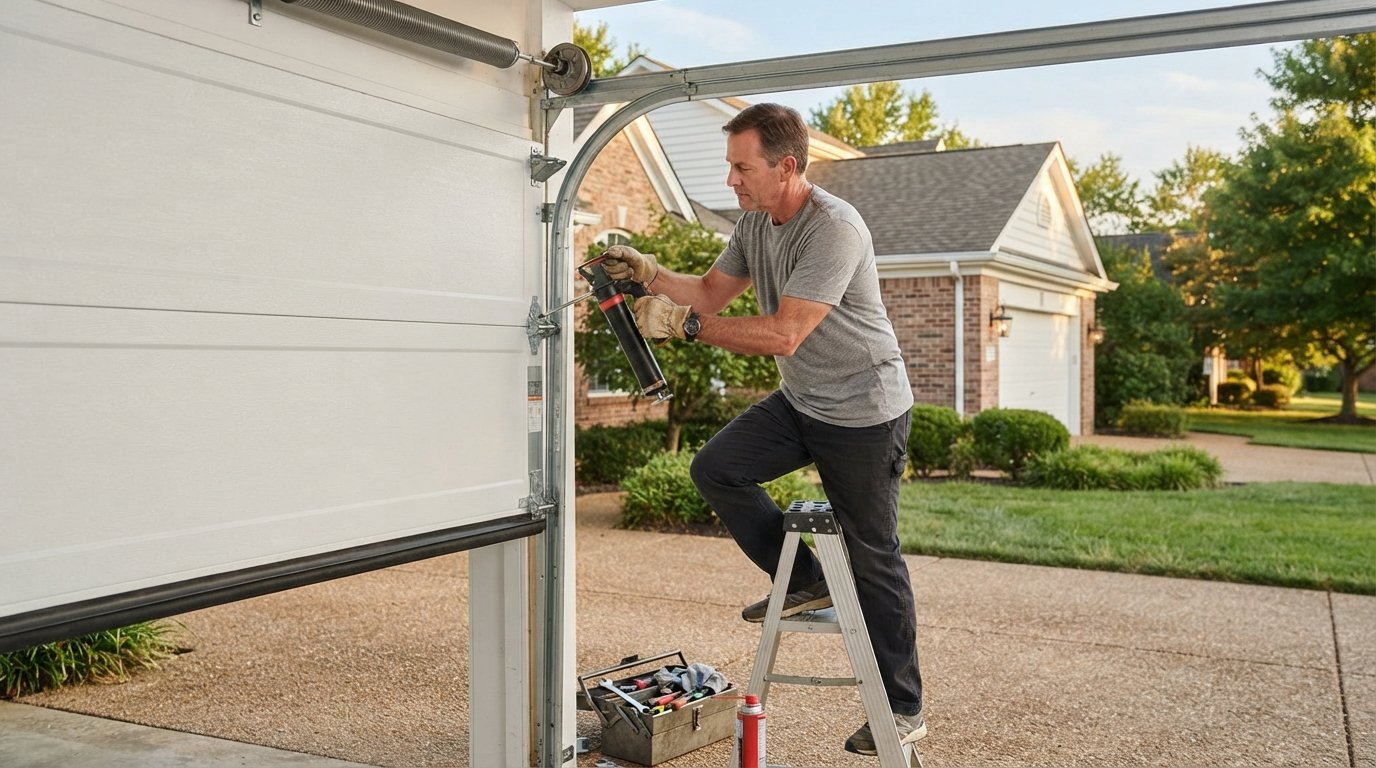
- Lubricate moving parts: Apply white lithium grease to the torsion springs, hinges, rollers, and bearing plates. Avoid using WD-40 on springs; it attracts dirt. Use silicone spray for the tracks.
- Test the balance: Disconnect the opener by pulling the release cord. Manually lift the door halfway. If it stays in place, it is balanced. If it slides down or up, the springs need adjustment by a pro.
- Check the auto-reverse: Place a 2x4 piece of wood flat on the ground in the door's path. Press the close button. The door should reverse within two seconds of hitting the wood. If not, adjust the limit switches on the opener.
- Inspect cables and rollers: Look for frayed cables or chipped rollers. Replace worn rollers (they are inexpensive) and call a technician for cable issues.
- Clean the tracks: Wipe down the metal tracks with a damp cloth to remove debris. Do not use grease on the tracks; it collects dust and causes sticking.
After completing these steps, run the door through a full open and close cycle. Listen for unusual noises. A grinding sound often indicates worn rollers, while a popping noise may mean loose hardware. Tighten any bolts you find loose, but do not overtighten, as this can strip the metal. If the door still shudders or stalls, it is time to call a professional.
Seasonal Deep Maintenance Tasks
Beyond monthly checks, your garage door needs deeper attention twice a year, ideally in spring and fall. These tasks ensure longevity and prepare the door for extreme temperatures. Start by washing the door with a mild detergent and water. For steel doors, touch up any scratches with matching paint to prevent rust. For wood doors, check for water damage and reapply a sealant every two years.
Next, inspect the weather stripping along the bottom and sides. Cracked or brittle seals let in water, pests, and cold air. Replacing the bottom seal is a straightforward DIY job: cut the new seal to length, slide it into the retainer, and secure it with screws. Side seals are similarly easy. This simple fix can lower your heating and cooling costs by up to 10 percent.
Check the hardware for corrosion. Lubricate the springs again, and test the manual release mechanism. If you have a chain-drive opener, check the chain tension; it should have about half an inch of slack. For belt-drive openers, inspect the belt for cracks. Finally, tighten all bolts and screws, including those on the door panels and the opener rail. A loose bolt can cause the door to vibrate and eventually fail.
If you live in an area with harsh winters, consider insulating your garage door. Insulation kits are available at most hardware stores and can be installed in an afternoon. They reduce noise and keep the garage warmer, which protects stored items and reduces energy loss. For a professional assessment of your door's efficiency, you can use Homes.Contractors to find local insulation experts who can recommend the best solution for your climate.
Common Garage Door Problems and DIY Fixes
Even with regular maintenance, issues arise. Here are the most frequent complaints and how to address them. Remember, if a repair involves springs, cables, or the opener's internal wiring, call a licensed technician. DIY attempts can be dangerous and may void your warranty.
Door Will Not Open or Close
First, check the power source. Ensure the opener is plugged in and the circuit breaker has not tripped. If you have a remote, try the wall switch. If neither works, the problem may be a faulty safety sensor. Look for small lights near the bottom of the tracks; if one is blinking, the sensors are misaligned. Gently adjust them until both lights are solid. Also, check for obstructions in the door's path, such as a broom or toy.
Door Opens Partially or Reverses
This often indicates a problem with the limit settings on the opener. The limit switches control how far the door travels. If they are set too high, the door may think it has hit an obstruction and reverse. Consult your opener manual to adjust them. Alternatively, the torsion springs may be broken. If you hear a loud bang from the garage, a spring has likely snapped. Do not attempt to open the door; call a professional immediately.
Noisy Operation
Squeaks and grinding noises usually mean lack of lubrication or worn rollers. Lubricate all moving parts as described in the monthly checklist. If the noise persists, inspect the rollers. Plastic rollers wear out faster than nylon ones. Replacing them is a simple job: unscrew the old roller, slide in a new one, and tighten. For a quieter door, consider upgrading to nylon rollers with sealed bearings.
Remote Control Issues
If your remote works intermittently, the battery may be dying. Replace it with a fresh one. If that does not help, reprogram the remote according to the opener's manual. Sometimes, interference from LED bulbs or nearby electronics can disrupt the signal. Try a different brand of bulb in the opener. If the wall switch works but the remote does not, the receiver in the opener may be faulty, requiring a professional repair.
When to Call a Professional
While many maintenance tasks are DIY-friendly, some repairs are best left to experts. You should call a licensed garage door technician if you encounter any of the following:
- Broken torsion or extension springs: These parts are under extreme tension and can cause serious injury. Replacement requires specialized tools and training.
- Frayed or snapped cables: Cables can whip violently if they break. Do not touch them.
- Door off track: A door that has come off its tracks is heavy and unstable. Attempting to fix it yourself can lead to the door falling.
- Opener motor failure: If the opener hums but does not move the door, the motor or gears may be stripped. A pro can diagnose and replace the unit.
- Repeated reversing or sensor issues: If you have tried aligning the sensors and the problem persists, there may be a wiring or logic board issue.
Hiring a professional ensures the repair is done correctly and safely. It also protects you from liability if someone gets hurt. The cost of a professional repair is often less than you think, especially when you consider the risk of further damage from a botched DIY job. For example, a spring replacement typically costs between $150 and $300, including parts and labor. That is a small price for peace of mind.
When you hire a contractor, always ask for proof of insurance and a written estimate. Homes.Contractors makes this easy by connecting you with pre-vetted pros in your area. You can compare quotes, read reviews, and choose the best fit for your budget. Their platform is free for homeowners and saves you hours of research.
Finding a Qualified Garage Door Contractor
Not all garage door companies are created equal. To ensure a quality job, follow these steps:
- Ask for referrals: Neighbors, friends, and family can provide honest recommendations. Online reviews on sites like Homes.Contractors also offer insights.
- Verify credentials: Check that the contractor is licensed, bonded, and insured. Ask for their license number and verify it with your state's licensing board.
- Get multiple quotes: Prices can vary significantly. Obtain at least three written estimates that detail the scope of work, parts, and labor.
- Check warranties: A reputable company will offer a warranty on both parts and labor. Ask about the length and what it covers.
- Review the contract: Before signing, read the fine print. Ensure there are no hidden fees and that the timeline is clear.
If you need help finding a pro for related home systems, such as your HVAC, you can also use Homes.Contractors to find HVAC contractors for seasonal maintenance and repairs. Their directory covers all major home services, making it a one-stop resource for homeowners.
Extending the Life of Your Garage Door
With proper care, a garage door can last 15 to 30 years. The key is consistency. Follow the monthly and seasonal checklists, and address small issues promptly. Keep the door painted or stained to prevent rust and rot. Avoid using the door as a storage area; hanging bikes or tools from the tracks can misalign them. Teach family members to use the door gently and never force it open or closed.
Consider upgrading to a modern opener with Wi-Fi and battery backup. These features add convenience and security, especially during power outages. A smart opener can alert you if the door is left open and allow you to close it remotely. While the initial investment is higher, the peace of mind is worth it.
Finally, schedule a professional tune-up every two years. A technician will lubricate all parts, adjust the springs, tighten hardware, and inspect the opener's safety features. This service typically costs $100 to $200 and can prevent costly breakdowns. It also keeps your warranty valid.
For homeowners looking to remodel or repair other areas of their home, USremodel is a home improvement lead generation platform that connects homeowners across the United States with a network of independent contractors for remodeling, renovation, and repair projects. They offer services such as window installation, solar setup, bathroom remodeling, HVAC, flooring, roofing, painting, and plumbing. Their detailed guides and contractor matching can help you tackle any project with confidence.
Your garage door is an integral part of your home's functionality and safety. By following this garage door maintenance and repair guide for homeowners, you can avoid unexpected breakdowns, save money on repairs, and keep your home secure. Remember, while DIY maintenance is encouraged, never hesitate to call a professional for complex or dangerous repairs. With a little effort, your garage door will serve you reliably for years to come. USremodel
Learn more about Garage Door Repair for guides, costs, and what to expect.
Compare Garage Door Repair Pros Near You
Enter your ZIP code to compare top-rated local professionals and request free quotes.