
Driveway Installation: Cost, Materials, and Contractor Tips
Learn how to plan a successful driveway installation, from choosing materials to hiring the right contractor, and avoid costly mistakes.
By Danica Leslie
Learn more about Asphalt Installation for guides, costs, and what to expect.
Compare Asphalt Installation Pros Near You

Enter your ZIP code to compare top-rated local professionals and request free quotes.
Your driveway is one of the first things people notice about your home, and it takes a beating from vehicles, weather, and daily use. A new driveway can transform your property's curb appeal and add real value, but the process involves more than just pouring concrete or laying asphalt. From choosing the right material to hiring a qualified contractor, a successful driveway installation requires careful planning and informed decisions. This guide walks you through the key steps, costs, and considerations so you can approach your project with confidence.
Why Driveway Installation Matters More Than You Think
A driveway is a significant investment, often costing thousands of dollars, and it is one of the most heavily used surfaces on your property. A poorly installed driveway can lead to cracks, drainage problems, and premature failure, which means expensive repairs or a full replacement sooner than expected. On the other hand, a well-executed driveway installation enhances your home's aesthetic appeal, improves accessibility, and can increase your property's resale value. According to industry data, a new driveway can recoup a substantial portion of its cost in added home value, making it a smart upgrade for many homeowners.
Beyond aesthetics, the right driveway installation can also address practical issues like water runoff, soil erosion, and even safety. For example, a properly graded concrete driveway directs water away from your foundation, preventing costly water damage. The material you choose also affects maintenance, durability, and how the driveway performs in your local climate. Therefore, understanding the options and the installation process is essential to making a choice that serves you well for decades.
Choosing the Right Driveway Material
The material you select for your driveway installation is the most critical decision you will make. Each option has its own trade-offs in terms of cost, longevity, appearance, and maintenance. Here is a breakdown of the most common materials to help you compare.
Concrete Driveways
Concrete is a popular choice because it is durable, versatile, and can last 25 to 50 years with proper care. It offers a clean, modern look and can be stained, stamped, or textured to mimic more expensive materials like brick or stone. Concrete driveways handle heavy vehicles well and require relatively low maintenance, though they are prone to cracking in freeze-thaw climates if not properly installed with control joints. The initial cost is moderate, typically higher than asphalt but lower than pavers.
Asphalt Driveways
Asphalt is another common option, especially in colder regions. It is less expensive than concrete, with a typical lifespan of 15 to 30 years. Asphalt is flexible, which makes it more resistant to cracking from ground movement, and it is easier to repair. However, it requires regular sealing every few years to maintain its appearance and protect it from oil and weather damage. Asphalt also gets soft in extreme heat, which can lead to rutting from heavy vehicles. For homeowners on a budget, asphalt is often the most economical choice.
Pavers (Interlocking Concrete or Brick)
Pavers offer the highest aesthetic appeal and design flexibility. They come in a wide variety of shapes, colors, and patterns, allowing you to create a unique, high-end look that complements your home's architecture. Pavers are extremely durable and can last 25 years or more, and if one paver cracks, it can be individually replaced without redoing the entire driveway. The downside is cost: paver installation is the most expensive option, often two to three times the price of concrete. Additionally, pavers require a properly prepared base and sand or gravel joints, and weeds can grow between them if not maintained.
Gravel Driveways
Gravel is the most budget-friendly material and is relatively easy to install. It provides good drainage and can work well in rural or rustic settings. However, gravel driveways require regular maintenance, as the stones can shift, create ruts, and need periodic replenishment. They also can be difficult to shovel in winter and may not be suitable for steep slopes. For many homeowners, the lower upfront cost is offset by the ongoing upkeep and less polished appearance.
When comparing materials, consider not only the initial installation cost but also the long-term maintenance and expected lifespan. For example, a cheaper asphalt driveway might need more frequent sealing, while a pricier paver installation could save you money over time due to its durability and lower maintenance requirements. Your local climate and soil conditions also play a role, so it is wise to discuss your options with a contractor who understands your area.
Key Steps in the Driveway Installation Process
A professional driveway installation follows a systematic process to ensure a stable, long-lasting surface. Understanding these steps can help you communicate with your contractor and recognize quality workmanship. Here is what you can expect during a typical installation:
- Site Preparation: The area is cleared of vegetation, debris, and old driveway material if necessary. The ground is then excavated to the required depth, which depends on the material and soil conditions. This step is crucial for proper drainage and preventing future settling.
- Base Layer Installation: A stable base is created using crushed stone or gravel. This layer is compacted to provide a solid foundation that supports the surface material and helps with drainage. The thickness of the base varies by material, with pavers typically requiring a deeper base than concrete.
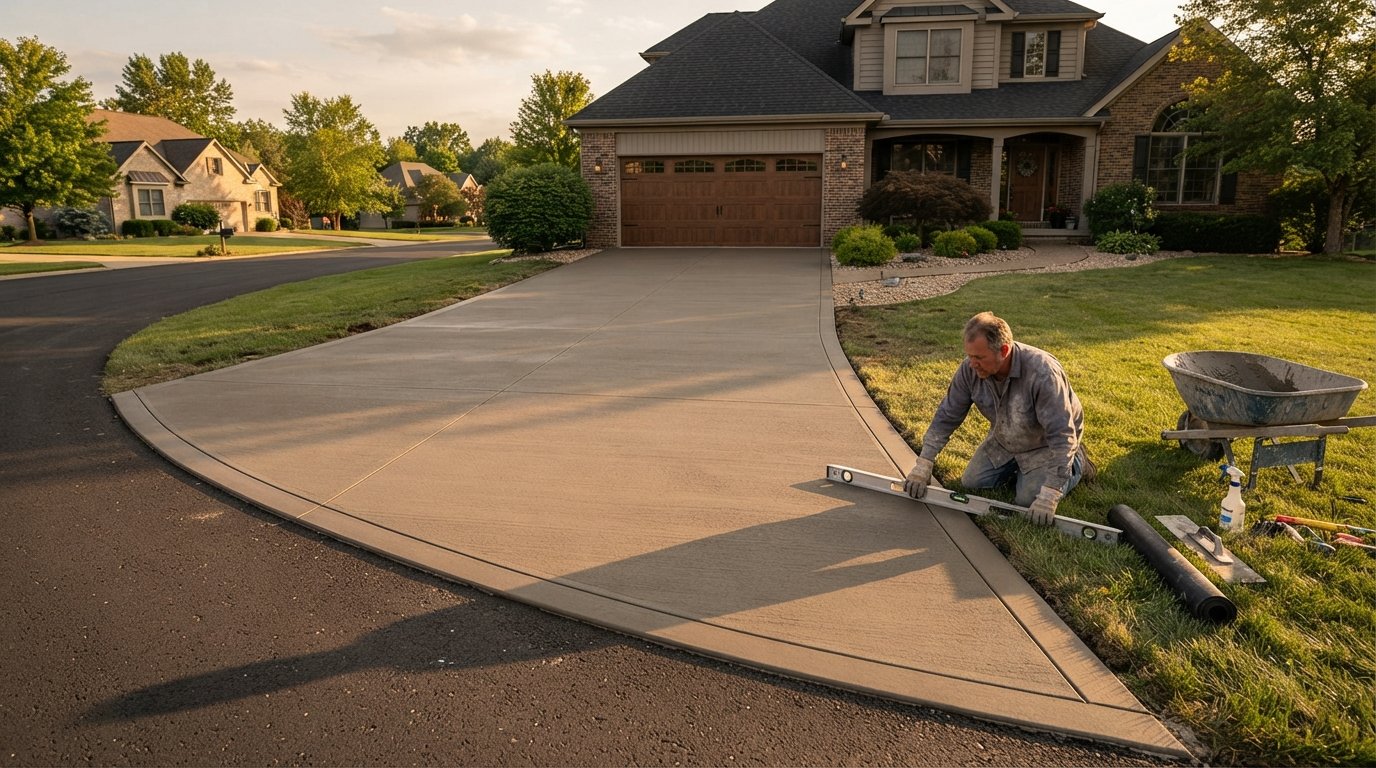
- Forming and Framing: For concrete and asphalt, forms are set along the edges to define the shape and thickness of the driveway. This includes creating a slight slope for water runoff and installing control joints for concrete to control cracking.
- Material Installation: The chosen material is then applied. For concrete, it is poured, leveled, and finished. For asphalt, it is laid and compacted with a roller. For pavers, each unit is placed on a sand bed and then vibrated into place.
- Curing and Finishing: Concrete needs time to cure (usually 5 to 7 days) before it can be driven on. Asphalt should be sealed after a few months. Pavers need joint sand swept into the gaps and then sealed if desired. The edges are backfilled and the site is cleaned up.
Each of these steps requires skill and attention to detail. For instance, inadequate compaction of the base can lead to sinking and cracking later on, while improper sloping can cause water to pool on the surface. A reputable contractor will also check local building codes and obtain any necessary permits before starting work. Always ask your contractor to walk you through their specific process and timeline, and make sure you understand what is included in the quote.
Cost Factors and Budgeting for Your Driveway
The cost of driveway installation varies widely based on several factors. On average, homeowners can expect to pay between $3,000 and $10,000 for a standard concrete or asphalt driveway, but that figure can be higher for larger areas, premium materials, or complex site conditions. Here are the primary cost drivers to keep in mind when budgeting:
- Material Choice: As mentioned, gravel is the cheapest, followed by asphalt, then concrete, with pavers being the most expensive.
- Driveway Size and Shape: The larger the area, the more materials and labor are required. Curved or irregular shapes also increase costs due to additional cutting and forming.
- Site Preparation: If your existing driveway needs to be removed, or if the ground requires extensive leveling, the cost will increase. Removing old concrete or asphalt is a significant expense.
- Labor and Regional Rates: Labor costs vary by location and the complexity of the job. Urban areas often have higher rates than rural locations.
- Additional Features: Extras like decorative borders, stamped patterns, heated driveways, or reinforced concrete for heavy vehicles will add to the total price.
It is wise to get multiple quotes from different contractors to compare prices and services. At Homes.Contractors, we make this easy by allowing you to request free, no-obligation quotes from qualified local professionals. This helps you find competitive pricing and choose a contractor who fits your budget and project scope. Remember, the lowest bid is not always the best value; consider the contractor's experience, reputation, and the quality of materials they plan to use.
Hiring the Right Driveway Contractor
Selecting a qualified contractor is just as important as choosing the right material. A skilled contractor will ensure your driveway installation is done correctly, avoiding common issues like poor drainage, cracking, or premature wear. Here are some practical tips for vetting potential contractors:
- Check Credentials: Verify that the contractor is licensed, insured, and bonded. This protects you in case of accidents or damage during the project. Ask for proof of insurance and licensing before you sign any contract.
- Read Reviews and Ask for References: Look for online reviews on platforms like Google or the BBB, and ask the contractor for references from recent jobs. Contact those references to ask about their experience, the quality of work, and whether the project was completed on time and on budget.
- Get Multiple Quotes: Obtain at least three detailed written estimates from different contractors. Each quote should include a breakdown of materials, labor, timeline, and any other costs. This allows you to compare apples to apples and spot any red flags.
- Ask About Warranties: Reputable contractors typically offer a warranty on their workmanship, and material manufacturers often provide their own warranties. Make sure you understand what is covered and for how long.
- Sign a Detailed Contract: Once you choose a contractor, ensure you have a written contract that specifies the scope of work, materials, start and completion dates, payment schedule, and warranty terms. Never rely on verbal agreements.
Using a referral platform like Homes.Contractors can simplify this process. We connect you with pre-vetted professionals in your area, which saves you time and helps you feel confident in your choice. Our platform is designed to give you multiple quotes quickly, allowing you to compare options and make an informed decision without the hassle of cold-calling.
Common Driveway Installation Mistakes to Avoid
Even with a good contractor, it is helpful to be aware of common pitfalls so you can ask the right questions and ensure your project stays on track. Avoid these frequent mistakes:
- Skipping Site Preparation: Some contractors may cut corners on excavation or base compaction to save time or money. This often leads to future cracking or sinking. Make sure the contract includes thorough site prep.
- Ignoring Drainage: A driveway must have proper slopes to direct water away from your home and garage. Poor drainage can cause water to pool, leading to damage. Discuss drainage plans with your contractor.
- Choosing the Cheapest Quote: While cost is important, the cheapest quote may indicate lower-quality materials or workmanship. Balance price with the contractor's reputation and the value they offer.
- Not Checking for Permits: Many municipalities require a permit for driveway installation, especially if it involves altering the curb or sidewalk. Your contractor should handle permits, but verify that they do.
- Driving on the New Surface Too Early: Concrete needs time to cure, and asphalt needs time to set. Driving on it too soon can cause damage. Follow the contractor's recommendations for when it is safe to use the driveway.
Being proactive and informed can help you avoid these mistakes and ensure your driveway installation goes smoothly. If you are unsure about any aspect of the project, do not hesitate to ask your contractor for clarification. A good contractor will be happy to explain the process and address your concerns.
Your driveway is a long-term investment, so it pays to do it right the first time. By understanding your material options, the installation process, and how to choose a reliable contractor, you can achieve a beautiful and durable driveway that enhances your home for years to come. Ready to get started? Visit Homes.Contractors to compare quotes from trusted driveway installation experts in your area and take the first step toward a successful project.
Learn more about Asphalt Installation for guides, costs, and what to expect.
Compare Asphalt Installation Pros Near You
Enter your ZIP code to compare top-rated local professionals and request free quotes.