Construction Project Timeline Explained for Homeowners
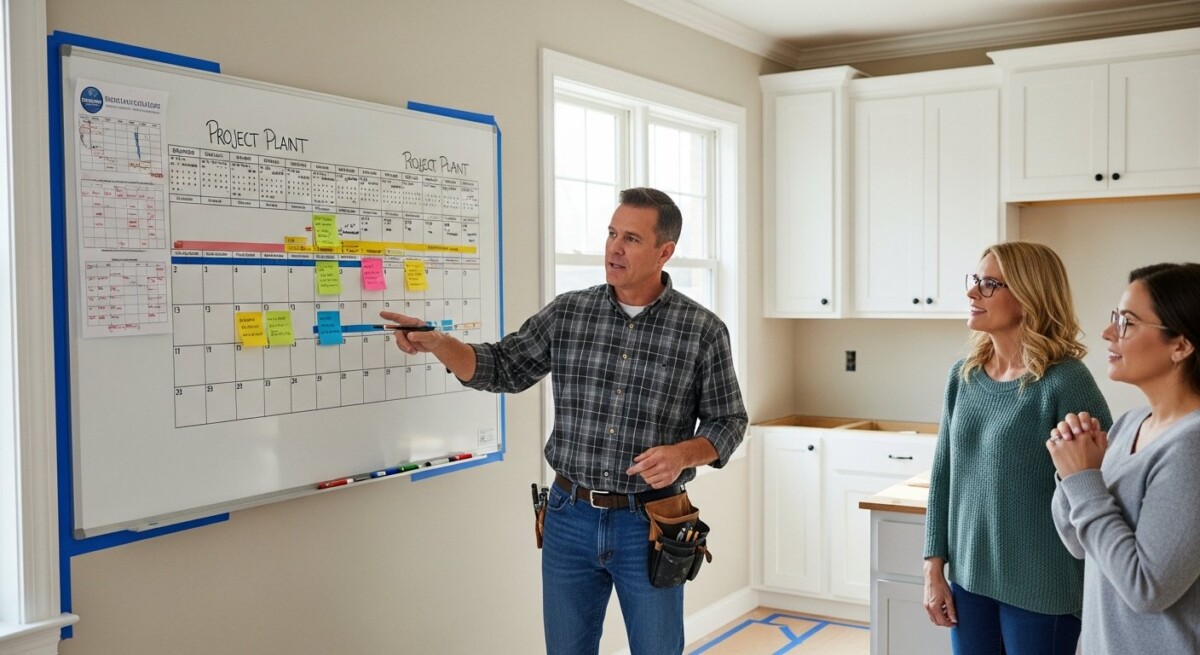
You’ve finally decided to remodel your kitchen, finish the basement, or build that deck you’ve been dreaming about. Excitement fills the air,until you realize you have no idea how long the work will take. A neighbor’s bathroom renovation stretched six months, while your cousin’s addition wrapped up in eight weeks. Without a clear picture of the construction project timeline, you’re left guessing, stressing, and worrying about when your life will get back to normal. This confusion often leads to delays, budget blowouts, and frustration. Understanding the construction project timeline explained simply can save you time, money, and sleepless nights.
Understanding Construction Project Timeline Explained
A construction project timeline is simply a schedule that breaks down every phase of work,from design and permits to demolition, installation, and final walkthrough. Think of it as a roadmap that tells you what happens each week, who is responsible, and when you can expect milestones to be completed.
Timelines vary based on the scope of work, home size, and local permit processes. A small bathroom remodel might take three to six weeks, while a full home addition could last four to eight months. Older homes often require more time because hidden issues,like outdated wiring or structural damage,are uncovered once walls open up.
Homes that need significant structural changes, foundation work, or custom finishes usually have longer timelines. The key is knowing what to expect from the start so you can plan your life around the project without constant surprises.
Why This Matters for Your Home
Ignoring the timeline of your construction project can lead to serious consequences. Without a clear schedule, contractors may rush work to meet vague deadlines, cutting corners that affect quality. On the other hand, an overly optimistic timeline can leave you living in a construction zone for months longer than expected, straining your family and budget.
Delays also increase costs. If your project runs into winter weather because permits took too long, you might need to pay for temporary heating or weatherproofing. In our guide on construction project budget planning for homeowners, we explain how timeline misalignment often leads to unbudgeted expenses. Protecting your home’s value and your peace of mind starts with a realistic, well-communicated schedule.
Additionally, a poor timeline can create safety risks. For example, if electrical work is rushed to meet an artificial deadline, faulty wiring could lead to fire hazards later. A professional timeline accounts for inspections and quality checks at every stage, keeping your family safe.
If you notice signs of this issue in your home, it may help to speak with a qualified contractor. Request a free quote or call to explore your repair or remodeling options.
Common Problems Homeowners Experience
Homeowners frequently run into timeline trouble because they don’t know what questions to ask upfront. A contractor might say “about six weeks,” but that estimate may not include permit waiting periods, material backorders, or weather delays. Without a detailed schedule, you’re left guessing week after week.
Another common issue is scope creep,when small changes add up and push the timeline further and further out. Changing a cabinet style after demolition starts, for instance, can delay cabinet delivery by weeks. These problems are avoidable when you understand how the timeline works from the beginning.
- Unrealistic deadlines set without consulting the contractor
- Permit delays that stall work for weeks
- Material shortages or backorders for custom items
- Hidden structural problems discovered during demolition
- Poor communication between subcontractors (electricians, plumbers, etc.)
- Weather-related stoppages for exterior work
How Professionals Solve the Problem
Experienced contractors create detailed timelines that account for every phase, including buffer days for unexpected issues. They start with a site assessment to identify potential hidden problems before work begins. Then they map out each step with realistic durations and clear dependencies,like “electrical rough-in must be done before drywall can be hung.”
Professionals also communicate regularly with homeowners. You’ll receive weekly updates and a revised schedule if something shifts. This transparency reduces stress and helps you plan your own schedule around the work.
- Initial consultation and scope definition , The contractor visits your home, measures, and discusses your goals to create a clear scope of work.
- Permit and material procurement , They handle permit applications and order materials, factoring in lead times for windows, cabinets, or fixtures.
- Demolition and site preparation , Old materials are removed, and the space is prepped for new work. This phase often reveals hidden issues.
- Rough-in work , Electrical, plumbing, and HVAC are installed before walls are closed. This is a critical inspection point.
- Finishing and installation , Drywall, flooring, cabinets, trim, and paint go in. This phase is the most visible and exciting.
- Final walkthrough and punch list , You and the contractor inspect the work, note any touch-ups, and complete the project.
Professional work is safer and more reliable than DIY because contractors carry insurance, know local building codes, and have relationships with suppliers who prioritize their orders. Trying to manage a timeline yourself often leads to costly mistakes and longer delays.
A professional inspection can reveal hidden issues before they become expensive repairs. Compare contractor quotes here or call to discuss your project.
Warning Signs You Should Not Ignore
Your home will give you clues when a construction timeline is off track. If your contractor avoids giving you a written schedule, that’s a red flag. If they keep pushing back the start date without a clear reason, it’s time to ask tough questions.
Early warning signs also include vague answers about permits, material orders, or subcontractor availability. A trustworthy contractor will share a detailed timeline in writing before you sign a contract. If you don’t see one, consider it a warning.
- No written project schedule provided before work begins
- Contractor unable to name specific milestones or completion dates
- Frequent last-minute changes to the work crew
- Materials arriving late or damaged because of poor planning
- Permit applications not submitted within the first week of the contract
- Unexplained delays followed by silence from the contractor
What Affects the Cost of Repairs or Installation
The timeline of your construction project directly affects the total cost. Longer projects usually cost more because labor and material prices can change, and you may need to rent equipment or storage for extended periods. Conversely, a rushed project can lead to mistakes that require expensive fixes later.
Several factors influence how much you’ll pay and how long the work takes. The size of the project is the biggest driver,a full kitchen remodel costs more and takes longer than replacing countertops. Materials also matter: custom cabinetry may require eight to twelve weeks to arrive, while stock cabinets might be available in days. The accessibility of your work area,like a basement with narrow stairs,can slow down material delivery and increase labor time.
Older homes often need extra work to bring systems up to code, which adds both time and expense. In our article on what increases construction project cost for homeowners, we break down these factors in detail so you can budget accurately.
Costs can vary depending on the condition of your home. The best way to know the price is to get a personalized estimate. Request free quotes from contractors or call today.
How to Choose the Right Contractor
Selecting a contractor who respects timelines is just as important as finding one who does quality work. A great contractor will give you a realistic schedule, communicate changes promptly, and stick to the plan as much as possible. Look for someone who treats the timeline as a serious commitment, not a rough estimate.
Start by asking every candidate for a written timeline during the bidding process. Compare how detailed each one is,the more specific, the better. A contractor who can list permit durations, material lead times, and inspection windows is someone who knows how to manage a project.
- Verify that the contractor is licensed and insured in your state
- Read online reviews and ask for references from recent projects
- Request a detailed written estimate and timeline before signing anything
- Get at least three quotes to compare not just price, but schedule and communication style
- Confirm experience with projects similar to yours in size and complexity
Long-Term Benefits of Professional Work
Investing in a professional contractor who follows a well-planned timeline pays off for years. Your home will be safer because every phase has been inspected and approved. The work will last longer because materials were installed correctly and given proper curing or drying time.
Energy efficiency is another major benefit. A properly timed project ensures that insulation, windows, and HVAC systems are installed without gaps or rushed shortcuts. Over time, that translates to lower utility bills and a more comfortable home.
Finally, a completed project that stays on schedule protects your home’s resale value. When you decide to sell, you’ll have permits, warranties, and a documented timeline that shows the work was done right. That peace of mind is worth the investment. For a deeper look at how to plan every stage, read our guide on construction project timeline explained for homeowners.
How long does a typical kitchen remodel take?
A standard kitchen remodel usually takes six to ten weeks from start to finish. This includes demolition, rough-in work, cabinet installation, countertops, appliances, and finishing touches. Custom kitchens with unique materials or structural changes can take twelve weeks or more.
What is the longest part of a construction project timeline?
The permit and material procurement phase is often the longest part. Depending on your local municipality, permits can take two to eight weeks to approve. Custom materials like windows or cabinetry may require another four to twelve weeks for fabrication and delivery.
Can I live in my home during a major renovation?
It depends on the scope of work. For smaller projects like a bathroom or single room renovation, you can usually stay in the home. For full-home remodels or additions that affect the kitchen, HVAC, or plumbing, it’s often more practical to temporarily relocate to avoid dust, noise, and safety hazards.
Why do contractors give different timeline estimates?
Contractors estimate timelines based on their experience, current workload, and the specific details of your project. Some include buffer days for unexpected issues, while others give a best-case scenario. That’s why comparing written timelines from multiple contractors is so important.
What happens if the project runs over the estimated timeline?
Most contracts include a clause about delays. Weather, material shortages, and unforeseen structural issues are common reasons for extensions. A good contractor will communicate these delays immediately and provide a revised schedule. Delays caused by the contractor’s mismanagement should be addressed in your contract.
How can I speed up my construction timeline?
You can speed up the timeline by making decisions early,choose materials, fixtures, and finishes before work begins. Avoid changing your mind once the project is underway. Also, ensure that permits are filed as soon as the contract is signed, and be available for inspections and approvals.
Do I need a contract that includes a timeline?
Yes, always. A contract should include a start date, major milestones, and an estimated completion date. Without a written timeline, you have no recourse if the project drags on. It also helps the contractor stay accountable and organized.
What is a reasonable buffer for timeline delays?
A reasonable buffer is 10,15% of the total project duration. For a ten-week project, that means one to one and a half weeks of built-in flexibility. This accounts for minor material delays, weather, or small surprises without derailing the entire schedule.
Your home is one of your biggest investments, and a clear construction timeline protects that investment. Don’t let confusion or rushed decisions lead to costly mistakes. Take the time to understand the schedule, ask the right questions, and compare quotes from multiple contractors before you begin. The right plan,and the right professional,will turn your renovation dreams into a smooth, predictable reality.