
Understanding Construction Contractor Price Estimates
A practical guide for homeowners to understand construction contractor price estimates, avoid common pitfalls, and ensure a successful home project.
By Chelsea Kris
Learn more about Exterior Painting for guides, costs, and what to expect.
Compare Exterior Painting Pros Near You

Enter your ZIP code to compare top-rated local professionals and request free quotes.
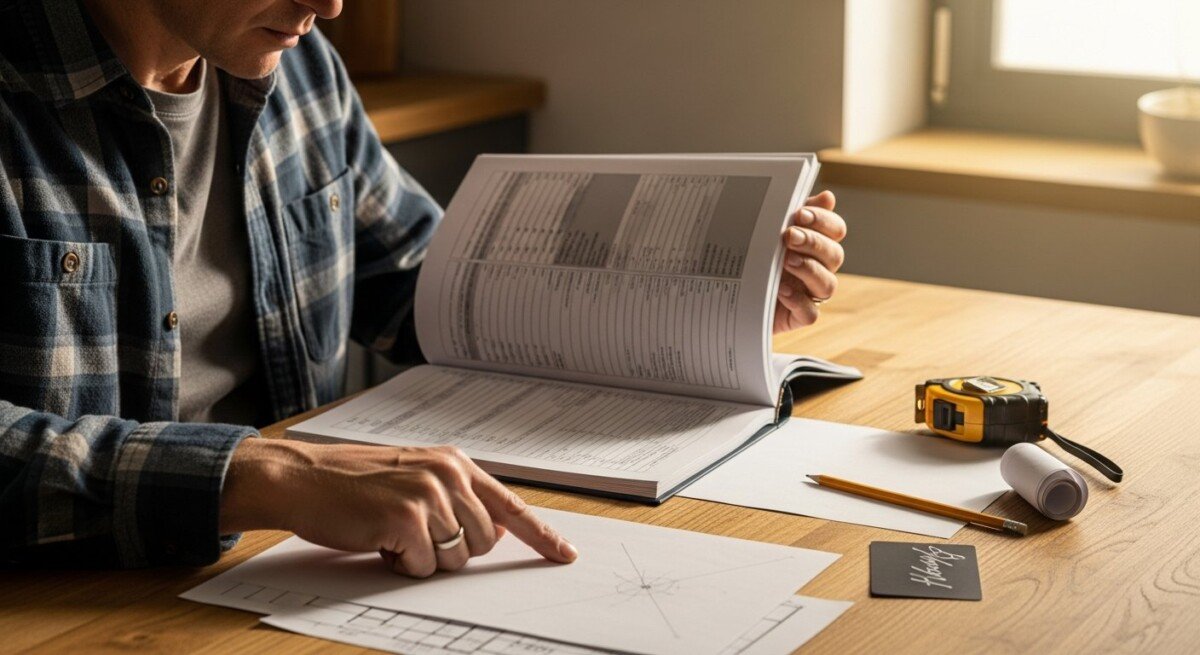
You’ve finally decided to tackle that home renovation project. You start calling contractors, and soon you have three different price estimates sitting on your kitchen table. One is a single-page summary, another is a detailed breakdown, and the third is a number scribbled on the back of a business card. The prices vary wildly, and you’re left feeling confused and unsure of who to trust or what the project should actually cost. This common scenario can stall your plans and leave you vulnerable to overpaying or hiring the wrong professional. Understanding construction contractor price estimates is the first, most critical step in turning your vision into reality while protecting your investment.
Understanding Construction Contractor Price Estimates
A construction contractor price estimate is a professional assessment of what your project will likely cost. It’s not a final bill, but a detailed forecast based on the contractor’s experience, current material prices, and the specific scope of work you’ve discussed. Think of it as a roadmap for your budget, outlining where your money will go.
These estimates vary because every home and project is unique. Two contractors might see the same bathroom but have different approaches to solving underlying issues, use different quality materials, or account for labor differently. A thorough estimate should translate your dreams into a clear, actionable plan with a corresponding price tag, helping you make an informed decision.
Why This Matters for Your Home
Getting a clear, detailed estimate is about more than just knowing the price. It’s about protecting your home and your finances. A vague or incomplete estimate can lead to unpleasant surprises mid-project, like discovering necessary work wasn’t included, which forces you to pay more or cut corners.
Ignoring the importance of a proper estimate can risk your home’s safety, structure, and long-term value. A lowball quote might mean a contractor plans to use subpar materials or skip essential steps, like proper waterproofing or structural reinforcement. Investing time upfront to understand estimates ensures your project is done right, adding value and peace of mind to your home.
If you notice signs of this issue in your home, it may help to speak with a qualified contractor. Request a free quote or call to explore your repair or remodeling options.
Common Problems Homeowners Experience
Many homeowners face frustration when estimates seem to compare apples to oranges. One contractor might include demolition and disposal, while another lists it as an “extra.” This makes it impossible to know who is truly offering the best value for your specific needs.
These discrepancies often stem from a lack of detailed scope. Without a clear written plan, assumptions are made, and costs get missed. Common issues homeowners encounter include:
- “Ballpark” Figures: Rough guesses that almost always increase once work begins.
- Missing Line Items: Crucial steps like permits, site preparation, or waste removal are omitted.
- Vague Material Descriptions: Phrases like “standard fixtures” instead of specifying brands and models.
- Unrealistic Timelines: Underestimating how long quality work takes, leading to rushed jobs.
- Hidden Fees: Unexpected charges for fuel, small materials, or “administrative costs” appearing on the final bill.
How Professionals Solve the Problem
An experienced contractor solves the estimate problem with transparency and process. They start by thoroughly understanding your goals and then systematically translate them into a comprehensive plan. This professional approach removes guesswork and builds a foundation of trust before a single tool is lifted.
Their process typically follows clear steps that ensure nothing is overlooked. This methodical approach is why professional work is more reliable and safer than DIY attempts or hiring based on the lowest price alone. A qualified professional knows how to identify potential problems hidden behind walls or under floors before they derail your budget.
- Consultation & Scope Definition: They listen to your needs and assess the existing conditions of your home.
- Detailed Takeoff: They measure and calculate exact quantities of materials needed.
- Labor & Timeline Calculation: They determine the crew size and project duration based on the work required.
- Material & Subcontractor Pricing: They get current, accurate costs for everything from lumber to plumbing fixtures.
- Contingency & Overhead: A responsible contractor includes a small buffer for unforeseen issues and covers their business costs.
- Final Proposal Delivery: They present a clear, itemized estimate you can understand and use to compare options.
A professional inspection can reveal hidden issues before they become expensive repairs. Compare contractor quotes here or call to discuss your project.
Warning Signs You Should Not Ignore
When reviewing an estimate, certain red flags should prompt you to ask more questions or seek another opinion. An estimate that seems too good to be true usually is, and it often signals that critical details are being overlooked.
Paying attention to these warning signs early can save you from major headaches, cost overruns, and substandard work down the line. Protecting your investment starts with recognizing a poor proposal. Be cautious if an estimate:
- Is provided immediately after a quick walk-through without detailed measurements.
- Is a single lump sum with no breakdown of costs.
- Uses pressure tactics, insisting you sign immediately to “lock in” the price.
- Requests a large deposit (more than 10-15%) before work begins.
- Has vague language like “additional work as needed” without defined costs.
- Does not include a projected timeline or payment schedule.
What Affects the Cost of Repairs or Installation
Many factors influence the final number on a contractor’s estimate. Understanding these variables helps you see why quotes differ and what you’re actually paying for. The size and complexity of the project are the most obvious drivers, but hidden elements play a huge role.
The age and condition of your home significantly impact cost. An older home may need electrical updates, structural reinforcement, or hazardous material abatement (like asbestos or lead paint) before new work can begin. These essential steps protect your family but add to the project scope. Other key factors include:
- Material Quality & Selection: Premium tiles, hardwood, or windows cost more than builder-grade options.
- Labor Intensity: Custom carpentry, intricate tile patterns, or difficult site access require more skilled labor time.
- Permits & Inspections: Local government fees for permits and required inspections are a necessary part of most projects.
- Project Accessibility: A third-story bathroom remodel is more complex and costly than one on the ground floor.
- Season & Timing: Demand for contractors can be higher in spring and summer, potentially affecting price.
Costs can vary depending on the condition of your home. The best way to know the price is to get a personalized estimate. Request free quotes from contractors or call today.
How to Choose the Right Contractor
The estimate is a reflection of the contractor. Choosing the right professional is just as important as understanding the price. Look for a contractor who communicates clearly, answers your questions patiently, and provides a document that educates you about the process.
A detailed estimate is a sign of a thorough professional. It shows they’ve taken the time to think through your project and plan for success. Use these tips to evaluate contractors beyond just the bottom line:
- Verify Licenses and Insurance: Always ask for proof of current liability insurance and workers’ compensation.
- Check Reviews and References: Read online reviews and ask for past client references for similar projects.
- Request Detailed, Comparable Estimates: Ask each contractor to break down costs by labor, materials, and other fees so you can compare them fairly.
- Meet the Team: If possible, meet the project lead or foreman who will be in your home daily.
- Review the Contract Thoroughly: The final contract should include everything from the estimate, plus terms for change orders, cleanup, and warranty.
Long-Term Benefits of Professional Work
Investing in a professional contractor who provides a clear estimate pays dividends long after the project is complete. Quality workmanship with proper materials ensures your renovation or repair lasts for years, saving you money on premature fixes or ongoing maintenance.
Beyond durability, professional work enhances your daily life and your home’s financial value. A well-executed project improves safety, boosts energy efficiency, and increases your property’s market appeal. It transforms a cost into an investment that you can enjoy now and benefit from later if you decide to sell.
How long does it take to get a contractor estimate?
A reputable contractor typically needs a few days to prepare a thorough estimate. They must take precise measurements, research material costs, and develop a realistic timeline. A quote provided on the spot is often just a rough guess and not a reliable project plan.
What’s the difference between an estimate and a quote?
An estimate is a professional forecast of costs and can change if the project scope changes. A quote or bid is often a fixed-price offer for a clearly defined scope of work. Always clarify which you are receiving, as our guide on understanding your garage construction contractor estimate explains in more detail.
Should I always choose the lowest estimate?
Not necessarily. The lowest price can sometimes mean the contractor has underestimated the work, uses lower-quality materials, or plans to cut corners. It’s more important to compare the value, which includes the detail of the estimate, the contractor’s reputation, and the quality of materials specified.
What should a good estimate include?
A good estimate is a detailed document. It should list labor and material costs separately, specify brands and product names, include a payment schedule, outline the work timeline, and account for permits, cleanup, and a contingency for unexpected issues. For specific projects like a bathroom, a bathroom remodel contractor price guide can show you what to expect.
How many estimates should I get?
It’s wise to get at least three detailed estimates from licensed, insured contractors. This gives you a good range for comparison and helps you identify outliers. It also lets you gauge which contractor you communicate with best, as you’ll be working closely with them.
Can I negotiate a contractor’s estimate?
You can discuss the estimate, but negotiation should be about value, not just slashing the price. Ask if there are areas where different material choices could save money without sacrificing quality, or if phasing the project is an option. A trustworthy contractor will work with you to align the project with your budget where possible.
What questions should I ask when reviewing an estimate?
Ask about what is NOT included, the warranty on workmanship, who will pull permits, how change orders are handled, and who the on-site supervisor will be. Clear answers to these questions are a positive sign. For more questions to ask, see our resource on finding experienced construction contractors near me.
Why do estimates sometimes increase during the project?
Estimates can increase due to “change orders”,when you request additions or changes to the original plan. They can also rise if hidden damage is discovered (like rot or faulty wiring) once walls are opened. A good estimate includes a contingency (typically 10-15%) for such unforeseen issues.
Navigating construction contractor price estimates is your most powerful tool for a successful home project. It turns uncertainty into a clear plan, protects your budget from surprises, and ensures you hire a professional who values transparency as much as craftsmanship. Don’t let confusion over costs delay your dreams or compromise your home’s integrity. Take the first step today by comparing detailed, professional quotes to understand your true options and move forward with confidence.
Learn more about Exterior Painting for guides, costs, and what to expect.
Compare Exterior Painting Pros Near You
Enter your ZIP code to compare top-rated local professionals and request free quotes.