
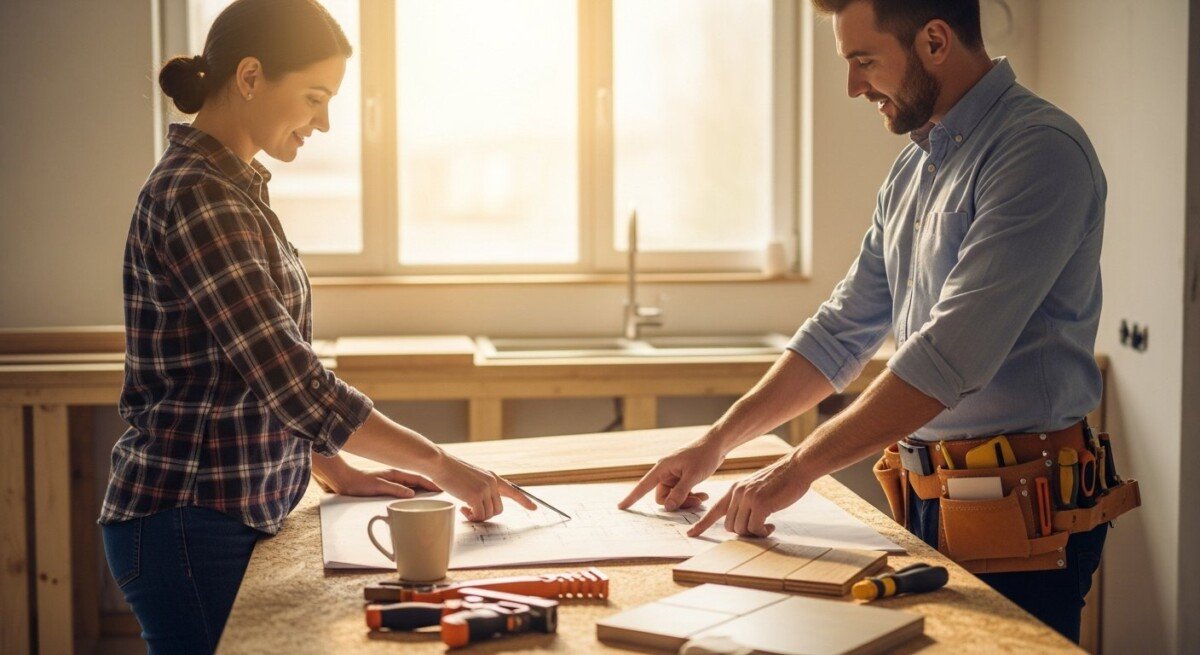
Can You Negotiate a Contractor Estimate? A Homeowner’s Guide
Wondering if you can negotiate a contractor’s estimate? Our guide shows homeowners how to discuss costs respectfully and secure a fair price for quality work.
By Alexia Mabel
Learn more about Exterior Painting for guides, costs, and what to expect.
Compare Exterior Painting Pros Near You

Enter your ZIP code to compare top-rated local professionals and request free quotes.
You’ve just received an estimate for a home repair or renovation, and the number makes you catch your breath. Your first thought is likely, “Is this price set in stone, or can I talk about it?” For most homeowners, the world of contractor pricing feels like a mystery, leaving you unsure if asking for a better deal is acceptable or if it will offend the professional you’re hoping to hire.
Ready to discuss your project and explore your options? Call 📞833-439-3727 or visit Discuss Your Estimate for a free, detailed estimate today.
Understanding Contractor Estimate Negotiation
In simple terms, yes, you can often negotiate a contractor’s estimate. Think of an estimate not as a final bill, but as a starting point for a conversation. It’s a proposal based on the contractor’s understanding of your project’s scope, materials, and labor. Because it’s an estimate, there is usually some flexibility, especially if you approach the discussion respectfully and with reasonable expectations.
Negotiation isn’t about demanding a lower price for the same work. It’s a collaborative process where you and the contractor explore options to align the project’s cost with your budget. This might involve adjusting the project scope, material choices, or the project timeline. A professional contractor expects these conversations and is usually willing to work with you to find a mutually agreeable solution.
What Negotiation Is and Isn’t
It’s crucial to understand that negotiation is not haggling over the value of skilled labor. You’re paying for expertise, quality, and peace of mind. Good negotiation focuses on value: finding ways to get the best result for your investment without compromising the integrity of the work or disrespecting the contractor’s craft.
Why Negotiating Your Estimate Matters
For homeowners, successfully navigating a contractor estimate can lead to significant savings and a better overall project. It empowers you to take control of your home improvement budget and ensures you’re not overpaying for unnecessary extras. A transparent discussion about costs builds a stronger, more honest relationship with your contractor from the very start.
Ignoring the chance to discuss the estimate can leave money on the table or lead you to accept a price that doesn’t reflect the true value. Furthermore, understanding the components of your contractor estimate is the first step in any negotiation. When you know what you’re paying for, you can ask smarter questions and suggest more practical alternatives.
Ready to discuss your project with a transparent professional? Contact us today for a free, detailed estimate. Let’s build a solution that fits your home and your budget.
Common Issues with Contractor Estimates
Estimates can sometimes be confusing or seem high for reasons that aren’t immediately clear to a homeowner. A common issue is a “lump sum” estimate that doesn’t break down costs for labor, materials, and overhead. This makes it impossible to see where your money is going or where adjustments could be made.
Another frequent cause of high estimates is scope creep. This happens when a contractor includes solutions or materials that are more robust (and expensive) than what you actually need. While their intention might be to offer the “best” option, it may not align with your goals or budget. Finally, market timing plays a role; during peak seasons, demand is high, and prices may be less flexible.
- Vague or Incomplete Breakdowns: The estimate lacks line-item details for materials and labor.
- Over-Scoping the Project: The proposal includes premium solutions where standard ones would suffice.
- High Material Markups: Unclear pricing on materials can hide significant profit margins.
- Seasonal Price Inflation: Costs may be higher during busy construction seasons.
How to Professionally Approach Estimate Negotiation
Successful negotiation starts with preparation. Before you call the contractor, review the estimate thoroughly. Research average costs for similar projects in your area and identify the specific items you have questions about. Arm yourself with knowledge, not just a desire to pay less.
Initiate the conversation politely. A good opener is, “Thank you for the detailed estimate. I was hoping to discuss a few items to see if we can align it closer with my budget.” Focus on specific areas. For example, you could ask, “Is there a comparable, mid-grade material option for the flooring that could reduce cost?” or “Could we phase the project to spread the cost over time?”
- Prepare: Understand the estimate and know your budget limit.
- Communicate Clearly: Be polite, specific, and focus on collaboration.
- Explore Alternatives: Discuss material swaps, scope adjustments, or scheduling changes.
- Get Everything in Writing: Any agreed-upon changes must be reflected in a revised, signed estimate.
Need a second opinion on an estimate you’ve received? Our team provides clear, competitive quotes. Reach out for a complimentary consultation
Signs You Should Not Ignore
While negotiation is normal, some red flags in an estimate or a contractor’s response should make you pause. If a contractor immediately agrees to a drastic price cut without changing the scope, it may indicate they were overcharging initially, or worse, they plan to cut corners on materials or labor.
Another major warning sign is pressure to pay a large deposit upfront before any work begins or before a contract is signed. A reputable professional will have a clear payment schedule tied to project milestones. Be wary of any estimate that seems unusually low compared to others you’ve received; it often leads to costly change orders later.
- Instant, Large Price Drops: Agreeing to slash 20% or more without justification.
- High Pressure for Upfront Payment: Demanding more than 10-15% deposit before starting.
- Extremely Lowball Quotes: An estimate significantly lower than all others.
- Refusal to Provide Details: Unwillingness to break down costs or put changes in writing.
Cost Factors and What Affects Pricing
Several key elements directly impact the number on your contractor’s estimate. Material quality is a primary driver. For instance, the difference between builder-grade and custom cabinetry or between vinyl and hardwood flooring is substantial. Labor costs vary by region, the complexity of the work, and the specialty of the tradesperson required.
Ready to discuss your project and explore your options? Call 📞833-439-3727 or visit Discuss Your Estimate for a free, detailed estimate today.
Project scope and timeline are equally important. A rushed job often costs more due to overtime labor. The contractor’s business costs,like insurance, licensing, and warranties,also factor into their pricing. A legitimate, insured contractor will cost more than an uninsured handyman, but the protection and quality are worth the investment. For specialized projects like a roof, understanding the specific line items in an example roofing contractor estimate can clarify what you’re paying for.
How to Choose the Right Professional for the Job
Selecting a contractor who is open to fair discussion is as important as the negotiation itself. Start by checking credentials: licenses, insurance, and online reviews. A professional who is confident in their pricing and process will not be offended by respectful questions.
Always get multiple estimates. This gives you a market-rate baseline and makes you a more informed negotiator. During consultations, pay attention to how they communicate. Do they listen to your concerns and explain things clearly? The right contractor will feel like a partner, not a salesperson. Trust your instincts,if someone is evasive or makes you feel uncomfortable during the estimate phase, it’s unlikely to improve once the project starts.
Long-Term Benefits for Your Home
Taking the time to properly negotiate and plan your project with a qualified contractor pays off for years. You gain a finished project that truly fits your needs and budget, without the regret of overspending or the stress of unexpected debt. A well-executed agreement minimizes the risk of disputes and costly change orders during construction.
Most importantly, you build a relationship with a trustworthy professional you can call for future work. Investing in quality workmanship with fair pricing protects your home’s value, enhances your daily living, and provides the peace of mind that comes from knowing the job was done right.
Frequently Asked Questions
Is it rude to negotiate with a contractor?
Not if done respectfully. Professional contractors expect discussions about budget and scope. Approach it as a collaborative conversation to find the best value, not a demand for a lower price.
What is a reasonable amount to negotiate off a contractor’s estimate?
There’s no set percentage. Focus on negotiating specific line items. You might save 5-15% by adjusting material grades or project phasing, but demanding a blanket 20% discount is unrealistic and may compromise quality.
Should I get multiple estimates before negotiating?
Absolutely. Getting at least three detailed estimates is crucial. It helps you understand the fair market rate for your project, making you a much more informed and effective negotiator.
Can I negotiate after the work has started?
Negotiating the base price is very difficult after work begins. This is why all agreements, including any negotiated changes, must be in a signed contract before the first day of work. Post-start discussions are typically limited to change orders for unforeseen issues.
What’s the difference between an estimate and a quote?
An estimate is an educated guess of the project cost and can change. A quote (or bid) is typically a fixed-price offer. Always clarify which you are receiving. For a deeper dive, our resource on understanding contractor estimates explains the differences in detail.
What if a contractor won’t budge on price?
If their price is firm but still within your budget, evaluate their value based on reputation, communication, and warranty. If it’s beyond your budget, thank them for their time and explore other estimates. A firm price isn’t a red flag if it’s competitive and transparent.
Are there parts of an estimate I shouldn’t try to negotiate?
Avoid aggressively negotiating the labor rate for skilled trades. This pays for expertise and experience. Focus negotiations on material alternatives, project scope reductions (like doing less demo yourself), or scheduling flexibility.
How do I know if an estimate is fair to begin with?
Compare it with 2-3 other detailed estimates for the same scope of work. Research average costs online for your project type and zip code. A fair estimate will be competitively priced within that range and include a clear breakdown of costs.
Navigating contractor estimates doesn’t have to be a source of anxiety. With the right knowledge and approach, you can confidently discuss costs, understand your options, and secure a fair price for quality work on your home. The goal is a successful partnership that results in a project you love, at a price that makes sense.
Ready to discuss your project and explore your options? Call 📞833-439-3727 or visit Discuss Your Estimate for a free, detailed estimate today.
Learn more about Exterior Painting for guides, costs, and what to expect.
Compare Exterior Painting Pros Near You
Enter your ZIP code to compare top-rated local professionals and request free quotes.