Can Contractor Prices Change After an Estimate?
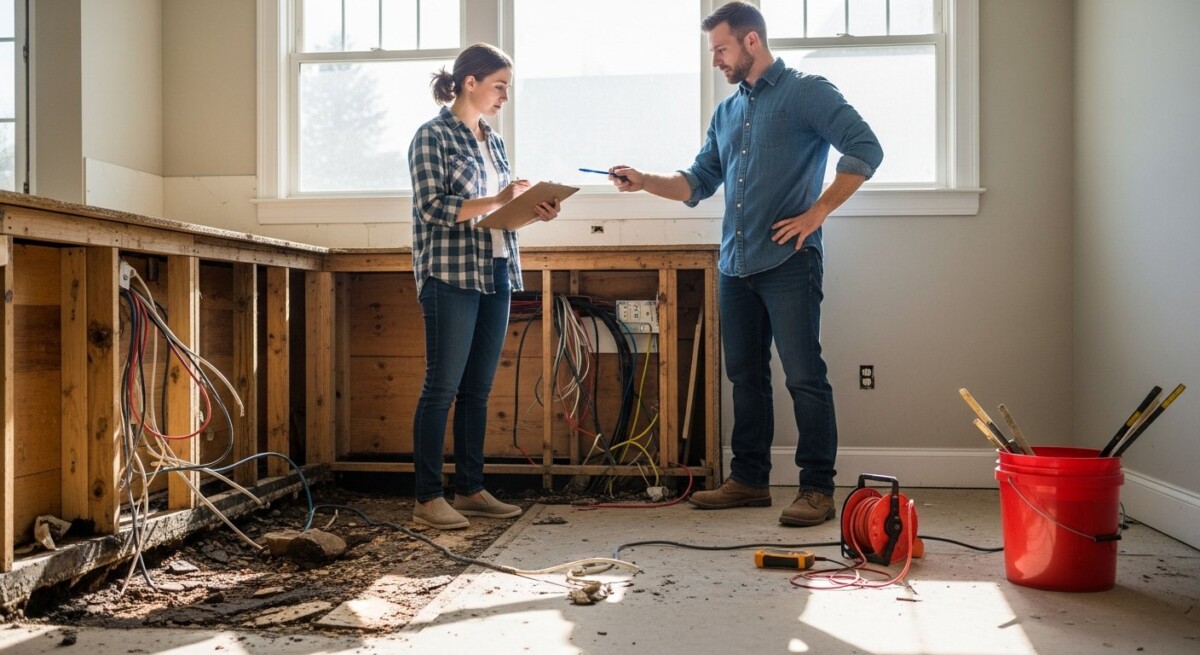
You’ve finally decided to tackle that kitchen remodel or fix that persistent leak. You’ve done your homework, gotten a detailed estimate from a contractor you trust, and budgeted for the project. Then, a few weeks into the work, you hear the words every homeowner dreads: “We found some unexpected issues.” Suddenly, the price you agreed on is no longer the price you’re paying. This scenario is frustratingly common and can strain your budget and your trust.
Understanding Can Contractor Prices Change After Estimate
In simple terms, yes, a contractor’s final price can sometimes differ from the initial estimate. An estimate is a professional’s best guess at the project’s scope and cost based on the information available at the time. It’s a starting point, not a guaranteed final price.
This happens because contractors can’t see inside your walls or under your floors during a walkthrough. They base their numbers on visible conditions and typical scenarios. When hidden problems emerge,like rotten subfloor, outdated wiring, or structural surprises,the work required changes, and so does the cost.
Why This Matters for Your Home
Ignoring the potential for price changes can lead to serious financial strain mid-project. You might be forced to choose between cutting corners or draining your savings. Worse, if you can’t afford the new price, you could be left with an unfinished, unusable space in your home.
Understanding this possibility upfront protects you. It allows you to plan a contingency budget and ask the right questions before signing a contract. This knowledge turns you from a vulnerable homeowner into an informed partner in your home improvement project.
If you notice signs of this issue in your home, it may help to speak with a qualified contractor. Request a free quote or call to explore your repair or remodeling options.
Common Problems Homeowners Experience
The most frequent cause of a price increase is the discovery of “hidden damage.” What looks like a simple bathroom tile replacement can uncover water-damaged wall studs and mold. A straightforward kitchen cabinet installation might reveal that your electrical system isn’t up to modern code.
Homeowners also face price changes when they alter the project scope themselves. Deciding to upgrade to premium materials or add an extra feature after work begins will understandably increase the cost. Clear communication from the start is key to avoiding these surprises.
- Discovering rotten wood or structural damage behind walls.
- Finding outdated plumbing or electrical systems that must be updated to code.
- Uncovering mold, asbestos, or other hazardous materials that require special abatement.
- Realizing the existing foundation or framing needs reinforcement.
- Encountering permit or zoning issues that were not apparent initially.
- Making changes to the original plan, materials, or finishes after work begins.
How Professionals Solve the Problem
A reputable contractor manages price changes through transparency and a solid contract. They don’t just spring a new number on you. Instead, they should immediately stop work on the affected area, document the issue with photos or video, and present you with a formal “change order.”
This change order is a written amendment to your original contract. It details the newly discovered problem, the additional work required, the revised cost, and any impact on the project timeline. You should never pay for significant extra work without signing an approved change order first. For complex projects, understanding your home addition contractor estimate process can provide a good model for how detailed scoping should work.
- Discovery & Halt: The contractor finds an unforeseen issue and pauses related work.
- Documentation: They document the problem thoroughly for your review.
- Consultation: They discuss the issue with you, explaining why it must be addressed.
- Change Order: They provide a written change order with the new scope and price.
- Approval: You review and sign the change order to authorize the additional work.
- Resumption: Work resumes only after you have approved and agreed to the new terms.
A professional inspection can reveal hidden issues before they become expensive repairs. Compare contractor quotes here or call to discuss your project.
Warning Signs You Should Not Ignore
While some issues are truly hidden, there are often clues that a simple project might be more complex. Paying attention to these signs before you even get an estimate can help you and your contractor create a more accurate initial plan. This proactive approach can minimize the risk of mid-project price shocks.
If your home is older, it’s wise to assume that some updates or repairs will be needed once walls are opened. Budgeting a 10-20% contingency for surprises is a standard and prudent practice for renovations in homes over 20-30 years old.
- Your home was built before 1980 (older plumbing, wiring, materials).
- You have a history of leaks, moisture problems, or pest infestations in the project area.
- Previous DIY work or “handyman specials” are evident.
- Walls or floors feel soft, sag, or are visibly uneven.
- You smell musty odors or see signs of water staining.
- The project involves touching walls adjacent to bathrooms or kitchens, high-moisture areas prone to hidden damage.
What Affects the Cost of Repairs or Installation
Several key factors determine whether your final bill will match the estimate. The age and condition of your home are the biggest variables. A newer home with documented construction may have fewer surprises than a charming but aging historic house.
The project’s complexity and accessibility also play a role. Replacing easily accessible fixtures is more predictable than rerouting plumbing through a finished ceiling. The level of finish and materials you choose,from builder-grade to luxury,will directly impact labor and material costs outlined in the estimate.
Costs can vary depending on the condition of your home. The best way to know the price is to get a personalized estimate. Request free quotes from contractors or call today.
How to Choose the Right Contractor
Your best defense against unfair price hikes is choosing a trustworthy, communicative contractor from the start. Look for a professional who is upfront about the potential for unknowns and explains how they handle them. Their estimate should be detailed, not just a single bottom-line number.
A good contractor views the estimate as the foundation of your partnership. They should welcome questions and be clear about what is and isn’t included. Remember, as we discuss in our guide on can you negotiate a contractor estimate, the goal is a fair price for quality work, not just the lowest possible number.
- Verify they are licensed, insured, and bonded for your protection.
- Read recent reviews and ask for references from past clients.
- Request a detailed, written estimate that breaks down labor, materials, and other costs.
- Get quotes from at least three contractors to compare scope and pricing.
- Ask directly: “How do you handle unforeseen problems or changes in cost?”
Long-Term Benefits of Professional Work
While a price increase is never welcome, addressing hidden problems properly protects your home’s value and safety. Fixing rotten framing or faulty wiring might add cost now, but it prevents catastrophic failure, fire hazards, or more extensive damage down the road. A professional ensures the job is done to code, which is crucial for your safety and for future resale.
Quality work also means durability. When a contractor properly fixes the root cause of a problem, you’re less likely to face repeat repairs in a few years. This professional approach, much like when understanding your floor installation contractor estimate, ensures the new work integrates seamlessly with your home’s existing structure, saving you money and stress in the long run.
Can a contractor legally raise the price after giving an estimate?
Yes, but it depends on your contract and the reason. If the contract specifies a fixed price, they generally cannot raise it unless the project scope changes or unforeseen conditions are discovered. An estimate is not a binding contract, but the signed agreement based on it usually is. Always ensure change orders for additional work are in writing.
What’s the difference between an estimate and a quote?
An estimate is an educated guess of the projected cost and is often subject to change. A quote (or bid) is typically a firm, fixed price for the defined scope of work. In everyday conversation, the terms are used interchangeably, so you must ask the contractor: “Is this a fixed-price bid or an estimate subject to change based on conditions?”
How much should I budget for unexpected costs?
For most remodeling projects, experts recommend a contingency fund of 10-20% of the total project cost. For older homes or major structural work, consider 20% or more. This is not extra spending money; it’s a safety net for legitimate unforeseen issues that arise once work begins.
What should I do if a contractor demands more money unexpectedly?
First, remain calm and ask for a detailed explanation and written change order. Do not pay cash or agree verbally. Review your original contract. If the demand seems unreasonable or unrelated to a true change in scope, it’s okay to seek a second opinion from another professional before proceeding.
Can I avoid price changes by getting a fixed-price contract?
A fixed-price contract offers the most price protection, but it is usually higher initially. The contractor builds their own contingency into the price to cover common risks. For very complex projects with many unknowns, some contractors may be unwilling to offer a fixed price to avoid taking on excessive risk.
What questions should I ask about price changes before hiring?
Ask: “What is your process for handling unforeseen problems?” “How do you communicate and price change orders?” “Can you provide examples of common hidden issues in homes like mine?” Their answers will reveal their transparency and communication style, which are critical for navigating any price changes fairly.
Navigating contractor pricing requires a blend of realistic expectation and proactive planning. By understanding that estimates can evolve, choosing your contractor carefully, and budgeting for the unexpected, you can manage your project with confidence. Addressing issues properly the first time protects your home’s value and your family’s safety. The smartest first step is to gather detailed information; consider comparing quotes from several qualified professionals to fully understand your options and potential costs before you begin.