
Best Low Cost Upgrades to Increase Home Appraisal Value
Small, strategic fixes can move your appraisal without draining savings. Call (833)-439-3727 for vetted contractor quotes on low cost upgrades that count.

Learn more about Home Remodeling for guides, costs, and what to expect.
Compare Home Remodeling Pros Near You

Enter your ZIP code to compare top-rated local professionals and request free quotes.
Your home appraisal is not a popularity contest judged by buyers. It is a professional, data-driven opinion of value, and that distinction matters when you have a limited budget. Many homeowners waste money on cosmetic projects that impress neighbors but add nothing to the appraisal report, while overlooking inexpensive fixes that appraisers actually credit. The best low cost upgrades to increase home appraisal value are rarely the flashiest ones. They are the improvements that address safety, function, condition, and market expectations in your price range, and they can often be completed for a few hundred to a few thousand dollars.
This guide breaks down what appraisers truly count, which affordable kitchen and bath refreshes pay off, how curb appeal and lighting influence the final number, why documentation of permits and completed work can protect your value, and which upgrades can quietly backfire. If you plan to refinance, sell, or remove mortgage insurance, a small, strategic spend can move your appraisal in the right direction without draining your savings.
What Appraisers Actually Credit Versus What Buyers Notice
Appraisers work from standardized forms and compare your home to recent, similar sales in the same market. They look at gross living area, room count, condition, quality of construction, and updates that are visible and verifiable. An appraiser is unlikely to pay extra for a designer light fixture or a trendy paint color, but will adjust value for a remodeled kitchen, a modernized bathroom, a new roof, updated HVAC, or a finished basement that meets code. The key phrase is verifiable: if the improvement is not permitted, documented, or clearly visible, it may not appear in the report at all.
Buyers, by contrast, respond emotionally to staging, smell, natural light, and first impressions. That gap creates a trap. Homeowners often spend on buyer-pleasing decor and skip the unglamorous repairs that appraisers note. A cracked window, a leaking water heater, or a missing handrail can trigger condition adjustments and repair requirements that offset the value of your cosmetic work. The most efficient strategy is to satisfy the appraiser's checklist first, then use leftover budget on buyer-friendly touches.
Here is the practical breakdown of where low cost dollars tend to land in an appraisal report:
- High credit: functional kitchens and baths, roof and HVAC condition, water heater age, structural soundness, permitted additions, and safety items such as smoke and carbon monoxide detectors.
- Moderate credit: flooring condition, fresh neutral paint, exterior siding and trim, windows that open and seal, and a clean, dry basement.
- Low or no credit: decorative lighting, high-end landscaping, smart home gadgets, and cosmetic staging that is not part of the sale.
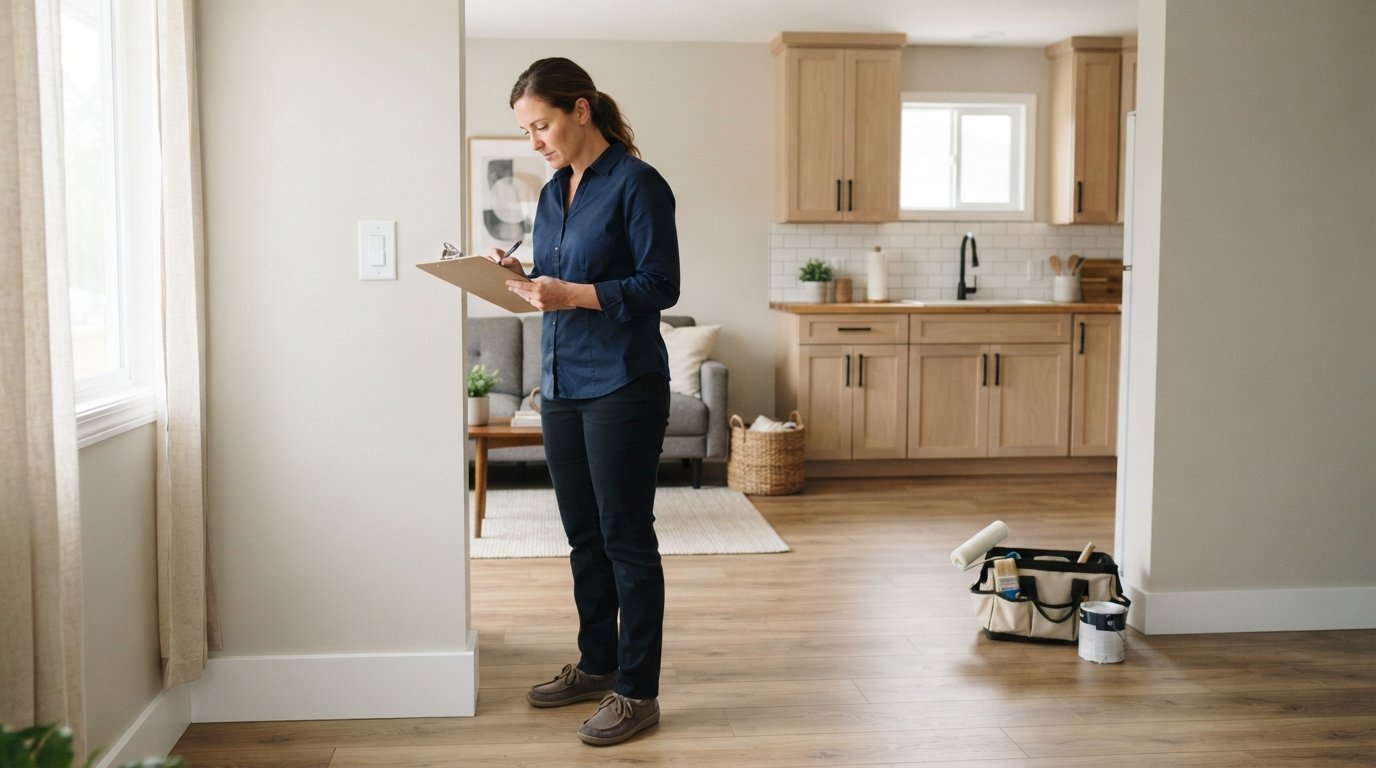
Notice that most high-credit items can be addressed affordably if you focus on repair and refresh rather than full replacement. A $400 plumbing repair that stops a leak protects value far more than a $4,000 decorative project that appraisers treat as personal preference. Before you spend, walk your home as if you were the appraiser, clipboard in hand, and list every defect, no matter how small.
Kitchen and Bath Refresh Items With the Strongest Return
Kitchens and bathrooms carry outsized weight in appraisals because they are expensive to replace and buyers expect them to function well. You do not need a full remodel to capture value. Appraisers respond to evidence of updated systems and clean, functional surfaces. A cabinet repaint or refacing, new hardware, a modern faucet, and a clean countertop can read as an updated kitchen on the report. In the bathroom, a regrouted tile floor, a new vanity top, a low-flow toilet, and a fresh exhaust fan address both function and appearance at a fraction of remodel cost.
One caution: appraisers are trained to distinguish cosmetic refresh from genuine renovation. If you paint cabinets but the countertops are chipped and the appliances are failing, the report may still note a dated kitchen. Prioritize function over finish. Replacing a broken appliance, fixing a leaking faucet, and repairing damaged subfloor around a toilet prevents condition deductions. For homeowners planning a larger bathroom project, our guide on bathroom upgrades that increase home value beyond remodeling explains how to sequence small improvements for maximum appraisal impact.
Here is a sensible order of operations for a low cost kitchen and bath refresh:
- Fix leaks, clogs, and electrical issues first; these are safety and condition items appraisers note.
- Repair or replace damaged surfaces: chipped countertops, cracked tiles, and worn flooring edges.
- Update fixtures and hardware: faucets, showerheads, cabinet pulls, and light switch plates.
- Apply neutral paint and fresh caulk to make the room read clean and maintained.
- Replace dated lighting with simple, bright fixtures that improve function rather than style.
Each step is affordable, and together they create a cumulative impression of a maintained home. Appraisers may not itemize every improvement, but the overall condition rating can shift from average to good, which often translates into a measurable value difference. Keep receipts and before-and-after photos in a folder; they support your case if you need to discuss the report with the lender.
Curb Appeal, Lighting, and Functional Updates That Count
Curb appeal matters to appraisers, but not in the way it matters to buyers. Appraisers note deferred maintenance: peeling paint, damaged siding, missing shingles, broken walkways, and overgrown landscaping that suggests neglect. A few hundred dollars spent on exterior paint touch-ups, a repaired fence, trimmed shrubs, and a clean driveway can prevent condition deductions. Replacing a worn front door or adding house numbers and a porch light are inexpensive upgrades that improve the first impression without approaching remodel territory.
Lighting is another area where function beats fashion. Appraisers check that rooms are adequately lit and that fixtures work. Replacing burned-out bulbs, adding simple ceiling fixtures in dark hallways, and ensuring exterior lights function are low cost moves that improve perceived condition. Functional updates such as a new water heater, a serviced HVAC system, or a repaired garage door opener also count because they reduce the risk of future failure. These items are not glamorous, but they protect value and can prevent an appraiser from flagging your home as needing immediate repairs.
Safety items deserve special mention because they are cheap and can influence the report. Install smoke detectors and carbon monoxide alarms where required, secure loose handrails, repair broken steps, and ensure windows open and latch. These fixes cost little, yet they signal a well-maintained property. For homeowners who want a broader plan, a trusted directory can help you find local pros for small exterior and safety repairs without overpaying.
Documentation of Permits and Completed Work for the Appraisal
One of the most overlooked low cost upgrades is paperwork. If you finished a basement, added a bathroom, or replaced a roof, the appraiser needs evidence that the work was permitted and completed to code. Unpermitted work is a red flag: appraisers may exclude the improvement from gross living area or note it as a potential liability, which can reduce your value. Gathering permits, inspection records, receipts, and contractor invoices before the appraisal is free, and it can make the difference between credited value and a condition adjustment.
Create a simple project binder with the following items for each major improvement:
- Permit number and final inspection sign-off from your local building department.
- Contractor invoices and receipts showing materials and labor.
- Before-and-after photos, especially for kitchens, baths, and basements.
- Manufacturer warranties for roofs, HVAC systems, water heaters, and appliances.
- A short timeline of when each project was completed.
When the appraiser arrives, have the binder ready and mention the major updates briefly. Do not overwhelm them, but do point out permitted work that may not be obvious, such as a finished basement with proper egress or an upgraded electrical panel. If you are planning a project and want to avoid permit problems, use a resource that connects you with vetted contractors who understand local code requirements. PlanRemodel offers a directory of pre-vetted contractors and educational guides that can help you plan permitted work correctly from the start.
Documentation also helps after the report arrives. If you believe the appraiser missed a permitted improvement, you can provide the binder to your lender and request a reconsideration of value. This process is far more likely to succeed when you have clear, organized evidence rather than verbal claims.
Upgrades That Can Backfire on an Appraisal
Not every improvement helps, and some can actively hurt your appraisal. Over-improving for your neighborhood is the classic mistake: a high-end kitchen in a modest home may not return its cost because appraisers cap value based on comparable sales. Similarly, highly personalized features such as a converted garage, an unusual floor plan, or a swimming pool can be treated as neutral or even negative if local buyers do not value them. Appraisers are trained to match your home to the market, not to reward uniqueness.
Unpermitted work is the most common backfire. A finished basement without permits may be excluded from living area, and an added bathroom without proper plumbing permits can be flagged as a defect. DIY electrical or plumbing work that fails inspection can create safety concerns that reduce value. Luxury cosmetic upgrades, such as imported tile or designer fixtures, rarely appraise at their cost because appraisers rely on market comparables rather than receipts. Before investing, check what similar homes in your area have and avoid exceeding that standard.
Another subtle backfire is removing functional space. Converting a bedroom into a walk-in closet or a garage into a gym may appeal to you, but it can reduce your bedroom count or parking, both of which appraisers and buyers expect. If you are unsure whether a planned upgrade will help or hurt, consult a local real estate agent or appraiser before spending. A short conversation can save thousands.
Building a Low Cost Upgrade Plan That Works
The best low cost upgrades to increase home appraisal value follow a simple sequence: repair first, refresh second, document everything, and avoid over-improving. Start with a walkthrough to identify safety and condition issues, then allocate a small budget to kitchen and bath function, curb appeal, and lighting. Keep a binder of permits and receipts, and take photos as you go. This approach protects value without requiring a major loan or a disruptive remodel.
If you need help executing repairs or want competitive quotes for a refresh project, a referral platform can connect you with local professionals who understand appraisal expectations. Homes.Contractors offers free, no-obligation quotes from pre-vetted contractors across the United States, along with educational resources on budgeting and project planning. You can compare estimates, verify credentials, and choose the pro who fits your budget, all without pressure. For homeowners in specific states, localized directories and ratings by state make it easier to find qualified help nearby.
Remember that an appraisal is a snapshot of condition and market fit, not a reward for effort. Spend where the report looks, keep your paperwork organized, and resist the urge to chase trends. A few hundred dollars in the right places, combined with clear documentation, can do more for your appraisal than a cosmetic project costing ten times as much. Plan carefully, verify your contractors, and let the numbers follow.