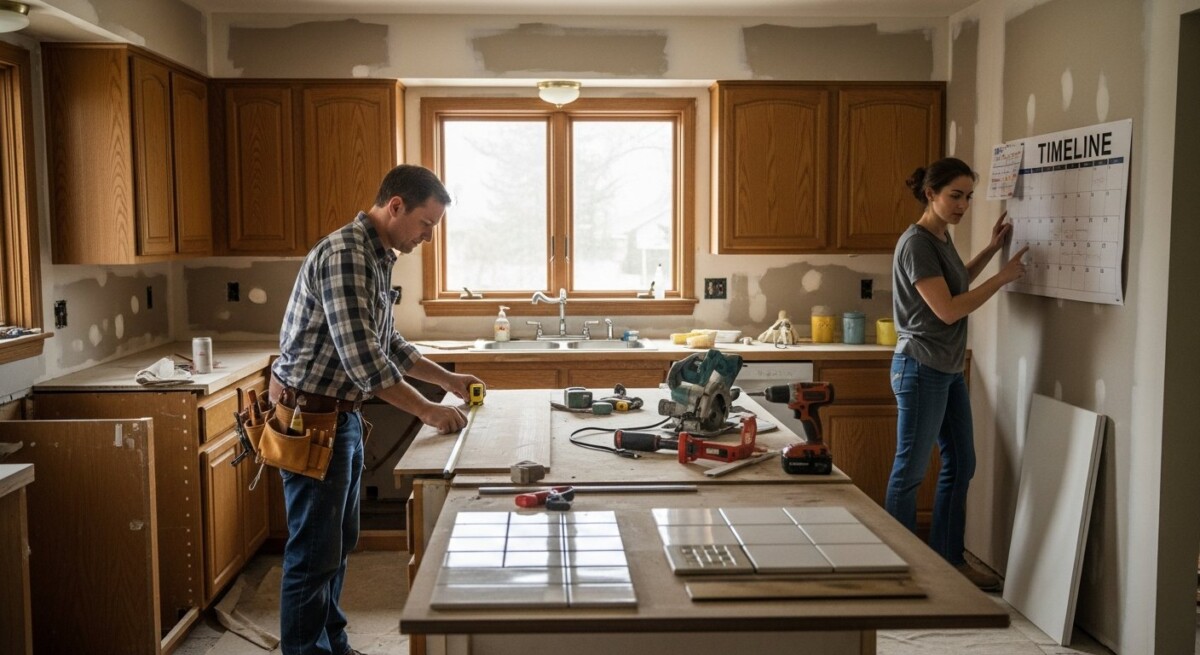
What Is a Contractor Estimate and How to Read One
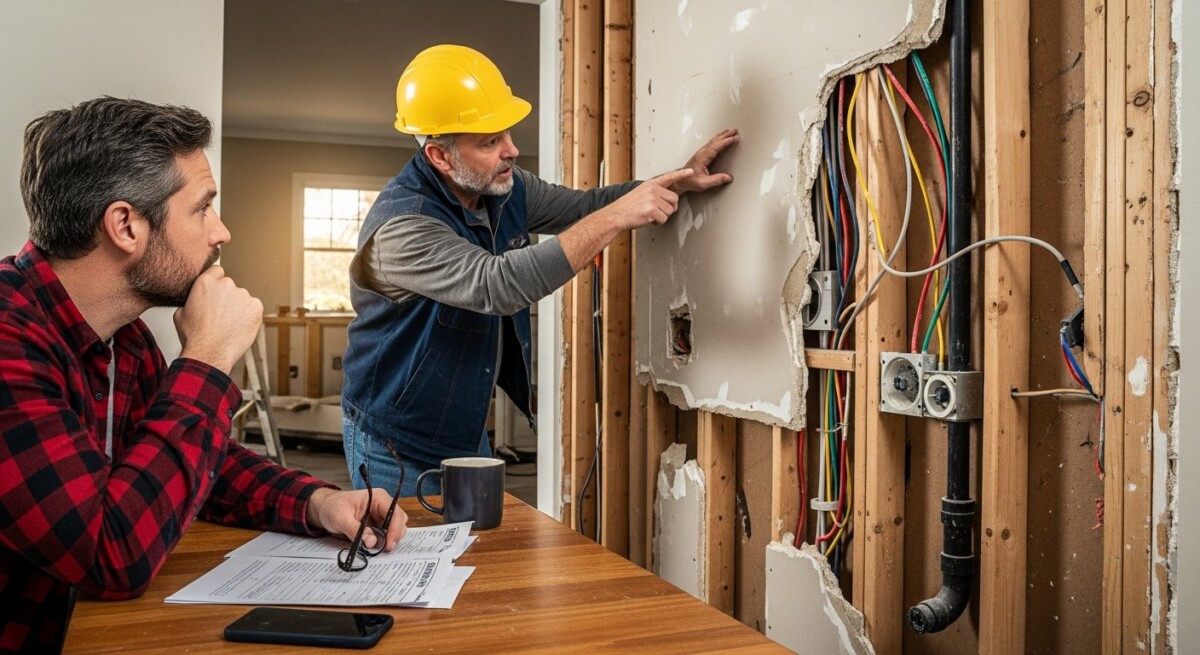
Imagine you are finally ready to remodel your kitchen or repair a leaky roof. You call a few contractors, and each one sends you a piece of paper with numbers, line items, and fine print. That piece of paper is a contractor estimate, and understanding it can mean the difference between a smooth project and a budget disaster. A contractor estimate is more than just a price tag. It is a detailed projection of the costs, materials, labor, and timeline required to complete a home improvement project. For homeowners, learning what is contractor estimate and how to interpret its components is essential for making informed decisions, avoiding surprise charges, and ensuring you get fair value for your investment.
When you request bids from multiple professionals, each estimate serves as a roadmap for the work ahead. It tells you what the contractor plans to do, what materials they will use, how long the project will take, and what you will pay. Without a clear estimate, you are essentially signing a blank check. In this guide, we will break down every part of a contractor estimate, explain the differences between estimate types, and give you practical tips for comparing bids and protecting your budget. By the end, you will feel confident reviewing any estimate that lands in your inbox.
The Core Components of a Contractor Estimate
A professional contractor estimate typically includes several key sections that together form a complete picture of the proposed work. Understanding each component helps you evaluate whether the bid is fair, thorough, and aligned with your expectations. The best estimates are transparent, leaving no room for guesswork or hidden fees.
Scope of Work
The scope of work is the heart of any estimate. It describes exactly what the contractor will do, from demolition to final cleanup. A well-written scope lists every task, the methods to be used, and the expected outcomes. For example, a bathroom remodel scope might include removing old tile, waterproofing the shower area, installing new plumbing fixtures, and painting the walls. If the scope is vague or uses phrases like “standard installation,” ask for clarification. A detailed scope protects both you and the contractor by setting clear expectations.
Materials and Specifications
This section lists all materials the contractor plans to use, including brands, models, quantities, and grades. For instance, a roofing estimate should specify the shingle brand, color, and warranty length. Flooring estimates should note the type of wood or tile, the thickness, and the finish. When materials are not specified, contractors may substitute cheaper options to increase their profit margin. Always verify that the materials listed match your preferences and the project requirements.
Labor Costs
Labor costs cover the wages of the workers who will perform the job. This line item may be broken down by trade (e.g., electrician, plumber, carpenter) or presented as a single lump sum. Labor rates vary by region, complexity of the work, and the contractor’s experience. A reputable contractor will provide a realistic labor estimate based on the number of workers and the time required. Be cautious of bids with unusually low labor costs, as they may indicate inexperienced crews or rushed work.
Permits and Fees
Many home improvement projects require building permits from your local municipality. The estimate should include the cost of these permits, as well as any inspection fees. Some contractors include permit costs in their overhead, while others list them separately. If a contractor suggests skipping permits to save money, consider that a red flag. Unpermitted work can cause problems when you sell your home or if an inspection reveals code violations.
Timeline and Payment Schedule
A reliable estimate includes a projected start date, completion date, and a payment schedule. Payment schedules typically require a deposit upfront (often 10-30 percent of the total), followed by progress payments at key milestones, and a final payment upon completion. Avoid contractors who demand full payment before work begins. A clear timeline helps you plan your life around the project and holds the contractor accountable for delays.
Types of Contractor Estimates
Not all estimates are created equal. Contractors use different pricing models depending on the project type, complexity, and the level of certainty about costs. Knowing the difference between these types helps you choose the right approach for your situation.
The most common types are fixed-price estimates, time-and-materials estimates, and cost-plus estimates. Each has advantages and drawbacks, and the best choice depends on your project’s scope and your tolerance for risk.
- Fixed-price estimate: Also called a lump-sum bid, this gives you a single total price for the entire project. It works well for projects with a well-defined scope, such as installing a new water heater or replacing windows. The contractor assumes the risk of cost overruns, which gives you budget certainty.
- Time-and-materials estimate: This estimate charges you for actual labor hours plus the cost of materials, often with a markup. It is common for projects where the scope is uncertain, such as remodeling an older home where hidden issues may arise. While it offers flexibility, it can lead to higher final costs if the project takes longer than expected.
- Cost-plus estimate: Similar to time-and-materials, this model charges you for actual costs plus a fixed fee or percentage for the contractor’s profit. It is typically used for large, custom projects where the scope evolves during construction. Cost-plus estimates require a high level of trust and detailed record-keeping.
When you receive an estimate, ask the contractor which pricing model they are using. For most standard home improvement projects, a fixed-price estimate provides the most predictability. However, if your project involves significant unknowns, a time-and-materials estimate with a not-to-exceed clause can protect you from runaway costs.
How to Compare Contractor Estimates
Receiving multiple estimates is one of the smartest moves you can make as a homeowner. But comparing them requires more than just looking at the bottom line. Two bids for the same project can differ by thousands of dollars, and the cheapest option is not always the best value. To make an apples-to-apples comparison, you need to dig into the details.
Start by checking that each estimate covers the same scope of work. One contractor may include premium materials while another uses budget options. Adjust the estimates to reflect the same quality level before comparing prices. Next, examine the labor costs. A higher labor rate may reflect more experienced workers or a faster timeline. Also, verify that all permits and fees are included. Some contractors leave them out to make their bid look lower, only to add them later as change orders.
Finally, consider the contractor’s reputation and communication style. A slightly higher bid from a contractor with excellent reviews and clear communication may be a better choice than a low bid from someone who is hard to reach. In our guide on home remodeling contractor estimates, we explain how to weigh these factors and choose the right professional for your project.
Red Flags in Contractor Estimates
Not every estimate is trustworthy. Some contractors use deceptive practices to win your business, then hit you with surprise charges later. Learning to spot red flags can save you from costly mistakes and legal headaches.
Watch out for estimates that are significantly lower than all others. While a low bid might seem like a great deal, it often means the contractor cut corners, omitted important items, or plans to charge you for extras later. Similarly, be wary of estimates that lack detail. A one-page document with a single total price and no breakdown of materials or labor is a warning sign. Reputable contractors provide transparent, itemized estimates that you can review and question.
Another red flag is pressure to sign immediately. If a contractor says the price is only valid for 24 hours or offers a discount for signing on the spot, take a step back. Legitimate contractors give you time to review the estimate and get second opinions. Also, avoid contractors who ask for a large upfront deposit. Industry standards recommend no more than 10-30 percent down, with the balance tied to project milestones.
If you are unsure how to handle a questionable estimate, our article on how to negotiate contractor estimate provides practical strategies for addressing concerns and reaching a fair agreement.
The Role of Instant Contractor Estimates
In today’s digital age, many homeowners start their search with instant contractor estimates. These are online tools or platforms that provide quick quotes based on basic project details. While convenient, instant estimates have limitations. They often rely on averages and may not account for site-specific conditions, such as difficult access, existing damage, or unique material choices.
Think of instant estimates as a starting point, not a final bid. They give you a ballpark figure to help you decide whether a project fits your budget. However, you should always follow up with in-person estimates from licensed contractors who can assess your home firsthand. For more on this topic, see our resource on instant contractor estimates, which explains how to use these tools effectively without falling into common traps.
When you use an instant estimate service, be prepared to provide accurate information about your project. Include the square footage, desired materials, and any special requirements. The more detail you give, the more accurate the estimate will be. But remember, no online tool can replace the expertise of a contractor who visits your property and sees the conditions firsthand.
How to Prepare for an Estimate Appointment
Getting an accurate contractor estimate starts before the contractor arrives. The more prepared you are, the better the estimate will reflect your needs and expectations. Begin by defining your project scope in writing. List every feature you want, from specific fixtures to paint colors. If you have inspiration photos or product links, share them with the contractor.
Next, set a realistic budget. Research typical costs for your project in your area so you know what to expect. When the contractor arrives, walk them through the space and point out any existing issues, such as water damage, uneven floors, or outdated wiring. Be honest about your budget constraints. A good contractor will help you find cost-effective solutions without sacrificing quality.
Finally, ask questions during the walkthrough. Inquire about the contractor’s experience with similar projects, their licensing and insurance, and their process for handling unexpected problems. The answers will help you gauge their professionalism and reliability. After the visit, give the contractor a few days to prepare the estimate. Rushed estimates are rarely thorough.
Using Estimates to Build Trust with Your Contractor
A detailed contractor estimate is not just a financial document. It is the foundation of a working relationship built on trust and transparency. When both parties agree on the scope, materials, timeline, and costs, the project is more likely to run smoothly. Changes and disagreements are easier to manage because you have a written reference point.
Review the estimate carefully before signing. If something is unclear, ask for clarification. Do not assume that verbal promises are included in the price. Get everything in writing, including any revisions. Once you sign the estimate, it becomes a binding contract. Keep a copy for your records and refer to it throughout the project to ensure the work matches the agreement.
By understanding what is contractor estimate and how to use it effectively, you empower yourself to make smarter decisions, avoid costly surprises, and achieve the home improvement results you deserve.