How to Negotiate Contractor Estimate: A Homeowner’s Guide

You’ve finally decided to remodel your bathroom or fix that leaky roof. You call a few contractors, and the estimates start rolling in,some are shockingly high, others seem too good to be true, and a few fall somewhere in the middle. Now you’re left wondering: How do I know which price is fair? Can I actually negotiate a contractor estimate without offending anyone?
This is a moment every homeowner faces. The problem is that most people don’t know how to compare quotes or ask the right questions. They either accept the lowest bid without checking quality or pay too much because they’re afraid to push back. Understanding how to negotiate contractor estimate isn’t about haggling like you’re at a flea market,it’s about having a smart, respectful conversation about scope, materials, and value.
If you ignore this step, you risk overpaying for subpar work,or worse, hiring a contractor who cuts corners. That can lead to costly re-dos, safety hazards, and damage to your home’s value. The good news? With a little know-how, you can confidently discuss pricing and land a fair deal.
Understanding How to Negotiate Contractor Estimate
Negotiating a contractor estimate simply means working with the professional to adjust the price, scope, or timeline of a project so it fits your budget and needs. It’s not about demanding a discount,it’s about finding a win-win arrangement. For example, you might agree to use a different material, combine multiple tasks into one job, or schedule the work during a slower season to lower the cost.
This process matters because most estimates aren’t set in stone. Contractors often include a buffer for unknowns, and they’re usually open to tweaking the plan. Homes that are older, have unique layouts, or need emergency repairs are the ones where negotiation becomes most valuable,because those projects tend to have more variables.
For a deeper look at how pricing works behind the scenes, read our guide on Instant Contractor Estimates: Save Time and Money on Home Repairs. It explains why some numbers vary and how you can use that knowledge to your advantage.
Why This Matters for Your Home
Every dollar you save on a fair estimate is a dollar you can invest back into your home,or keep in your pocket. But the stakes go beyond money. A poorly negotiated or unreasonably low estimate often leads to rushed work, cheap materials, or skipped steps. That can cause property damage like water leaks, electrical shorts, or structural weakness.
Safety is another concern. If a contractor feels squeezed on price, they may cut corners on permits or inspections, putting your family at risk. Over time, small issues hidden behind a low-cost fix can turn into major repairs that cost thousands more. Your home’s comfort and resale value depend on getting the job done right the first time.
If you notice signs of this issue in your home, it may help to speak with a qualified contractor. Request a free quote or call to explore your repair or remodeling options.
Common Problems Homeowners Experience
Most homeowners run into the same roadblocks when trying to negotiate. One common issue is not knowing what a fair price looks like for their specific project. Without a baseline, you might accept a high estimate or reject a reasonable one because it sounds expensive.
Another problem is vague estimates. Some contractors hand you a single number with no breakdown of labor, materials, or permits. That makes it nearly impossible to compare apples to apples,and very hard to negotiate because you don’t know what you’re paying for.
- Receiving estimates that vary wildly,from $5,000 to $15,000 for the same job
- Not understanding line items like “mobilization fee” or “miscellaneous”
- Feeling pressured to decide on the spot because a “limited-time discount” is offered
- Discovering hidden costs later, such as disposal fees or permit charges
- Getting a quote that doesn’t include materials you assumed were covered
- Struggling to get contractors to return calls or emails with clarifying questions
These problems are frustrating, but they’re also solvable. Once you know what to look for, you can address them head-on.
How Professionals Solve the Problem
Experienced contractors are used to homeowners who ask questions and want to understand the estimate. They don’t take it personally,in fact, many appreciate it because it shows you’re serious about the project. A good pro will walk you through the estimate line by line, explain why certain costs exist, and suggest alternatives if something is out of budget.
Here’s how a typical negotiation process works with a professional contractor:
- Review the estimate together. You schedule a call or in-person meeting to go over every item. The contractor explains the scope, material choices, and labor hours.
- Identify what can flex. You ask about cheaper material options, phasing the work (doing part now, part later), or adjusting the timeline to off-peak seasons.
- Agree on a revised scope. Both sides sign off on a detailed contract that matches the new price. The contractor knows exactly what to deliver, and you know exactly what you’re paying.
Professional work is safer and more reliable than DIY because contractors carry insurance, pull permits, and guarantee their work. If something goes wrong, you have recourse,unlike a weekend fix that might fail a month later.
A professional inspection can reveal hidden issues before they become expensive repairs. Compare contractor quotes here or call to discuss your project.
Warning Signs You Should Not Ignore
Your home often gives you clues that it’s time to talk to a contractor,and negotiate a fair price before the problem grows. For example, a small roof leak might only need a patch now, but if ignored, it can rot the decking, damage insulation, and cause mold. That turns a $500 fix into a $5,000 replacement.
Pay attention to changes in your home’s performance, appearance, or feel. These early signs are your best chance to get ahead of the cost curve with a skilled professional.
- Cracks in walls or ceilings that widen over time
- Doors or windows that stick, indicating foundation movement
- Water stains on ceilings or walls, even if they’re small
- Musty odors in basements or crawl spaces
- Drafts or uneven temperatures from room to room
- Outdated electrical panels that pop breakers frequently
Spotting these early gives you leverage: you can negotiate from a position of planning, not panic. Emergency repairs always cost more.
What Affects the Cost of Repairs or Installation
Several factors drive the price of a home project, and understanding them helps you negotiate better. The size of the job is the most obvious,a full kitchen remodel costs more than a partial one. But materials also play a huge role. Choosing mid-grade tile instead of premium stone can cut your estimate by 20% or more.
Labor costs vary by region and the complexity of the work. If your project requires moving plumbing or electrical lines, expect higher rates. Accessibility matters, too. A bathroom on the second floor costs more to renovate than one on the ground floor because materials and tools need to be carried up. Finally, older homes often hide surprises like outdated wiring or asbestos, which add inspection and abatement costs.
Costs can vary depending on the condition of your home. The best way to know the price is to get a personalized estimate. Request free quotes from contractors or call today.
How to Choose the Right Contractor
Picking the right contractor is just as important as negotiating the price. Even a great deal isn’t worth it if the work is shoddy. Start by asking friends and neighbors for referrals, then check online reviews on trusted platforms. Look for contractors who specialize in your type of project,a roofer might not be the best choice for a bathroom remodel.
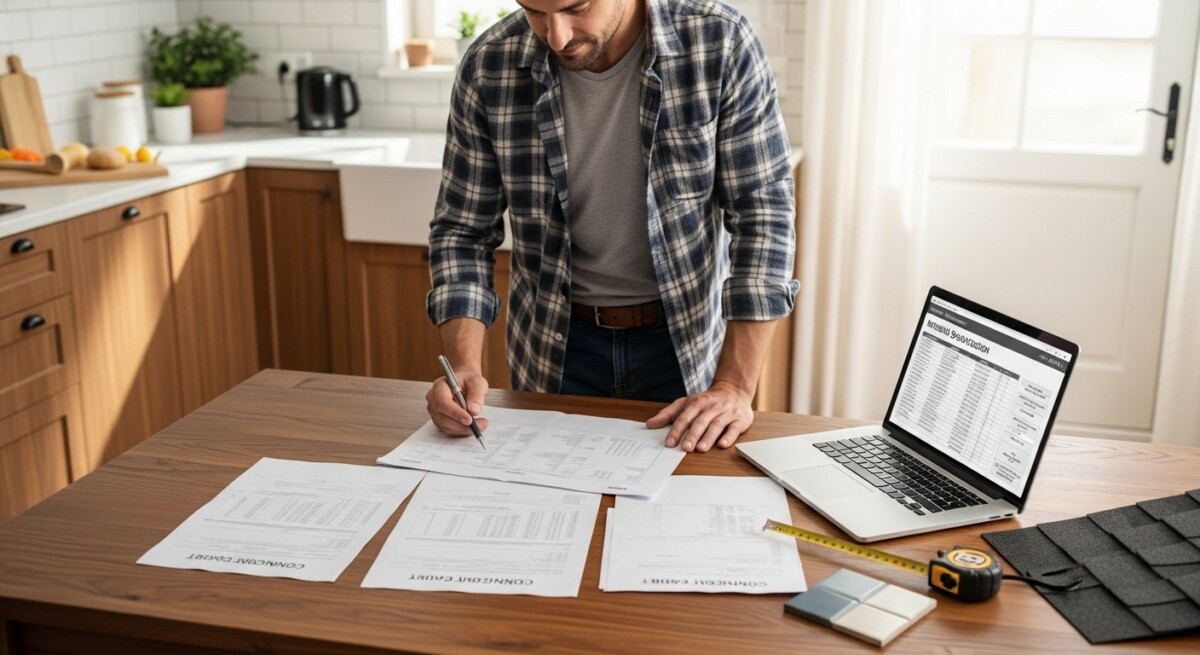
Once you have a shortlist, compare their estimates side by side. Pay attention to the details: Are the materials specified by brand and model? Is the timeline realistic? Does the contractor include cleanup and disposal? These small markers separate pros from amateurs.
- Verify that the contractor is licensed and insured for your state
- Read reviews on Google, Yelp, or the Better Business Bureau
- Ask for a written estimate with a full breakdown of costs
- Get at least three quotes before making a decision
- Confirm they have experience with projects similar to yours
For more on what a good estimate should include, check out How Accurate Contractor Estimates Are: A Homeowner’s Guide. It breaks down the common line items you’ll see and how to spot red flags.
Long-Term Benefits of Professional Work
Investing in professional work,even if it costs a bit more upfront,pays off over time. A properly installed roof or remodeled kitchen will last longer, perform better, and need fewer repairs. That means less stress and lower maintenance costs year after year.
Energy efficiency is another big win. A professional contractor will seal gaps, insulate correctly, and install windows or doors that meet modern standards. Those upgrades can cut your utility bills by 10,30%, depending on the project. And when it’s time to sell, a well-documented history of professional work boosts your home’s resale value by a measurable amount.
Finally, you get peace of mind. Knowing the job was done to code by a licensed pro,with a warranty to back it up,lets you sleep better at night. That’s the kind of value no discount can replace.
Can I negotiate a contractor’s estimate?
Yes, you can almost always negotiate. Most contractors expect some back-and-forth, especially on larger projects. The key is to be respectful, ask about adjusting the scope or materials, and never demand a discount without offering a reasonable trade-off, like a flexible schedule.
What should I say when negotiating a contractor estimate?
Start by saying, “I’d love to work with you, but this price is a bit higher than I was expecting. Can you help me understand where we might trim costs?” This opens the door without sounding confrontational. Then ask about cheaper material options or phasing the work.
Is it rude to ask a contractor to lower their price?
Not if you do it professionally. Contractors understand that homeowners have budgets. The trick is to ask for a revised scope, not a pure discount. For example, “Would it save money if we used ceramic tile instead of marble?” That’s a smart business conversation, not rudeness.
How do I compare multiple contractor estimates fairly?
Make sure each estimate includes the same scope of work, materials, and timeline. If one quote doesn’t list line items, ask for a detailed breakdown. Then compare the totals and the specifics. This is where Contractor Estimates Chicago Illinois: Get Accurate Pricing for Your Home Project can help if you’re in that region.
What if a contractor refuses to negotiate?
That’s okay. Some contractors have fixed pricing models or are booked solid and don’t need to lower prices. If they’re firm, you can either accept the estimate if you trust their quality or move on to another candidate. Never pressure a contractor into a price they’re uncomfortable with.
Should I always choose the lowest estimate?
No. The lowest estimate often means the contractor is cutting corners, using cheap materials, or doesn’t have enough experience. A price that’s significantly below others is a red flag. Instead, look for the best value,fair price, good reviews, and clear communication.
How much can I expect to save by negotiating?
Savings vary, but homeowners typically reduce an estimate by 5% to 15% through negotiation. You might save more if you offer to buy your own materials, do your own demolition, or schedule during the contractor’s slow season. Every project is different.
Do I need a written contract after negotiating?
Absolutely. Once you agree on a revised price and scope, get it in writing. The contract should list all materials, labor, timelines, payment schedule, and warranty terms. Verbal agreements are risky and hard to enforce. A written contract protects both you and the contractor.
Negotiating a contractor estimate doesn’t have to be stressful. It’s a normal part of home improvement that helps you get the best value for your money. The earlier you address price concerns, the smoother the project will go. Start by comparing quotes from a few qualified professionals,it’s the smartest first step you can take.