Realistic Home Renovation Timelines: What to Expect
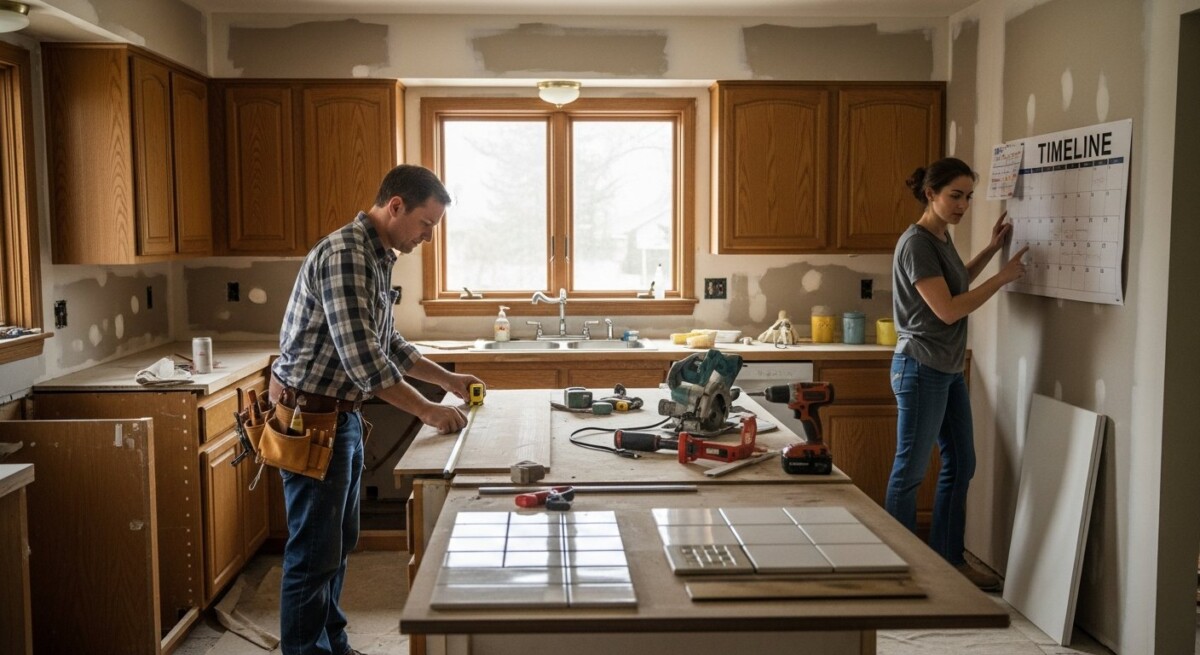
You have finally decided to tackle that kitchen remodel or bathroom renovation. You have pinned inspiration photos and visited the home center for tile samples. Then the question hits you: how long home renovation projects take from start to finish? The honest answer is almost always longer than homeowners expect. Understanding realistic timeframes before you begin can save you frustration, help you budget for temporary living costs, and keep your relationship with your contractor on solid ground.
Every renovation is unique, but most projects follow a predictable sequence of design, demolition, rough-in work, finishes, and final touches. This article breaks down the timelines for the most common home renovations, explains the factors that cause delays, and gives you a framework for planning your own project. We will use real-world examples and practical steps so you can approach your renovation with confidence.
Why Accurate Timelines Matter for Your Renovation
When you ask how long home renovation projects take, you are really asking about two things: how long the physical work will last and how long your life will be disrupted. A realistic timeline helps you decide whether to live in the house during construction, arrange pet care, or rent a short-term apartment. It also affects your budget, because longer projects mean more interest on financing and higher costs for meals out if your kitchen is unusable.
An accurate timeline also protects you from contractor disputes. When both parties agree on a schedule upfront, there is less room for misunderstandings about delays. A written schedule with milestones and completion dates gives you leverage if work drags on without good reason. If you are still choosing your contractor, our guide on Best Contractors for Home Renovation: How to Find Trusted Pros can help you vet candidates who respect deadlines.
Kitchen Remodel Timeline
The kitchen is the most complex room in most homes. It combines plumbing, electrical, gas lines, cabinetry, countertops, flooring, and appliances. A minor kitchen remodel that keeps the same layout and replaces only cabinet fronts, countertops, and appliances typically takes 4 to 6 weeks. A full gut renovation with new layout, custom cabinets, and premium finishes can take 10 to 16 weeks.
The critical path in a kitchen remodel is usually cabinetry. Stock cabinets might arrive in 2 to 3 weeks, but custom cabinets can take 8 to 12 weeks from order to delivery. If you choose custom cabinets, your timeline stretches significantly before demolition even begins. Countertops are another bottleneck. Templating happens after the base cabinets are installed, then fabrication takes another 1 to 2 weeks. If your slab arrives cracked or the wrong color, add another 2 to 3 weeks.
Here are the typical phases of a full kitchen remodel and their duration:
- Design and material selection (2 to 4 weeks): Finalizing layout, ordering cabinets and appliances, selecting countertops and backsplash.
- Demolition and rough-in (1 to 2 weeks): Tearing out old kitchen, relocating plumbing and electrical, installing new subfloor if needed.
- Cabinetry and countertops (3 to 5 weeks): Installing base and upper cabinets, templating and installing countertops, plumbing fixture installation.
- Finishes and appliances (1 to 2 weeks): Backsplash tile, painting, installing appliances, final touch-ups and cleanup.
If your kitchen renovation is part of a larger whole-house project, the timeline can overlap with other rooms. But for a standalone kitchen, plan on at least 6 weeks from demolition to usable kitchen, and closer to 12 weeks for a high-end renovation with custom elements.
Bathroom Remodel Timeline
Bathroom remodels are smaller in square footage but still involve multiple trades. A basic bathroom renovation that keeps the same layout and replaces the vanity, toilet, lighting, and flooring can take 3 to 4 weeks. A master bathroom remodel with a new shower, freestanding tub, double vanity, and tile work can take 6 to 10 weeks.
The biggest variable in bathroom timelines is tile work. Large-format tile goes faster than small mosaics, and a standard alcove tub requires less tile than a walk-in shower with a bench and niche. Waterproofing systems also add time. A traditional shower pan with a liner takes about a week, while a modern foam pan system with surface waterproofing might take two days but requires careful planning.
Plumbing changes are another time factor. If you move the toilet or shower drain, the plumber needs to cut into the subfloor and sometimes the joists. This work requires coordination with the framing crew if the floor structure needs reinforcement. A simple swap of fixtures with no layout changes can be done in one to two days of plumbing work.
Basement Finishing Timeline
Finishing a basement is a large project that typically takes 8 to 16 weeks depending on the size and complexity. A standard 1,000-square-foot basement with a bathroom, bedroom, and living area usually falls in the 10 to 14 week range. The timeline depends heavily on the condition of the existing space. If your basement has water issues, you must address those first, which can add 2 to 4 weeks.
The framing and rough-in phase for a basement is longer than for an upstairs room because you are working with concrete walls and floors. Electrical and plumbing must be run through stud walls rather than existing cavities. The mechanical rough-in for a basement bathroom requires a sewage ejector pump if the bathroom is below the sewer line, which adds complexity.
Basement finishing also requires insulation and vapor barriers specific to below-grade conditions. Spray foam insulation takes one to two days to install but needs 24 to 48 hours to cure before drywall can go up. If you choose fiberglass batts, the timeline is similar but the moisture management is less forgiving. Drywall and taping in a basement usually takes one week, followed by painting and flooring in another week.
Whole-House Renovation Timeline
A whole-house renovation is the most complex project a homeowner can undertake. Timelines range from 4 to 9 months for a cosmetic renovation (new flooring, paint, light fixtures, and kitchen and bath updates) to 12 to 18 months for a full gut renovation that includes structural changes, new systems, and all new finishes.
The sheer number of decisions involved in a whole-house renovation creates what contractors call decision fatigue. Every room has its own set of choices for flooring, paint, lighting, plumbing fixtures, and hardware. If you have not selected all materials before construction starts, the timeline will stretch as you make decisions while work is happening. This is why experienced homeowners and contractors recommend completing all selections before demolition begins.
Structural changes add the most time. Moving a load-bearing wall requires an engineer’s stamp, permits, temporary supports, and new beams. This work alone can add 2 to 4 weeks. Adding a dormer or raising a ceiling adds similar time. HVAC, plumbing, and electrical system upgrades are also major time factors. If your house has knob-and-tube wiring or galvanized plumbing, expect the rough-in phase to take twice as long as a modern home would require.
For a detailed breakdown of whole-house timeframes, read our comprehensive guide on How Long Home Renovation Projects Take: A Realistic Timeline. That article covers project-specific schedules for every major room in the house.
Factors That Extend Your Renovation Timeline
Even with perfect planning, renovations hit snags. Knowing the most common causes of delay helps you prepare contingency time and money. Here are the factors that most frequently push back completion dates.
Permit delays. Your contractor can pull permits the day you sign the contract, but the building department might take 2 to 6 weeks to review plans. Some jurisdictions require separate permits for electrical, plumbing, and structural work, each with its own review queue. If your project requires a zoning variance or historical review, add months to the front end.
Material availability. The post-pandemic supply chain has improved, but specialty items like European tile, custom windows, and certain appliances still have lead times of 4 to 12 weeks. If your contractor orders materials after demolition, you lose that lead time. Smart contractors order long-lead items before the first hammer swings.
Change orders. Every change you make after construction starts adds time and money. Moving an electrical outlet after the drywall is hung means patching and repainting. Changing a countertop after templating means a new template and fabrication cycle. To minimize change orders, make all decisions before signing the contract and stick to them.
Contractor scheduling. Most contractors juggle multiple jobs. If your project has a two-week gap between tile installation and cabinet installation, the contractor might send the cabinet crew to another job during that gap. This can stretch your timeline unless the contract specifies consecutive workdays. Ask your contractor how they handle scheduling gaps before you sign.
Weather. Exterior work like roofing, siding, and window installation stops in rain or extreme cold. If your renovation involves an addition or deck, plan for weather delays during winter months. Even interior work can be affected if windows are open for ventilation or if the HVAC system is down during a system replacement.
How to Get a Reliable Timeline Estimate
Getting a trustworthy timeline starts with choosing the right contractor and asking the right questions. A contractor who gives you a timeline without asking detailed questions about your selections is probably guessing. A professional will want to know exactly what cabinets, countertops, flooring, and fixtures you plan to use before committing to a schedule.
When you interview contractors, ask about their current workload. A busy contractor might not be able to start your project for 4 to 8 weeks. Ask how many other jobs they will run simultaneously with yours. Some contractors run one project at a time, while others have crews on multiple sites. Neither approach is wrong, but you should know what to expect.
Request a written schedule that includes milestones and a completion date. The schedule should show when materials need to be ordered and when each trade will be on site. A good contractor will also build in buffer time for unexpected issues. If a contractor says your kitchen will take exactly 6 weeks with no buffer, be skeptical. Renovations rarely go exactly as planned.
If you need a quick estimate to compare bids, use a service that provides Fast Home Renovation Estimates: What Every Homeowner Needs to Know. That resource explains how to get accurate quotes without wasting time on vague ballpark figures.
Planning for Delays and Living Without Your Home
Once you have a realistic timeline, plan for the worst case. Add 20 to 30 percent to the contractor’s estimate for your personal schedule. If they say 8 weeks, plan for 10 or 11. This buffer accounts for material delays, permit holdups, and the inevitable discovery of hidden problems like mold or termite damage behind walls.
Plan your living arrangements around the most disruptive phases. During a kitchen remodel, set up a temporary kitchen in another room with a microwave, toaster oven, and mini-fridge. For a bathroom remodel, identify which bathroom in the house will serve as the backup. If you only have one bathroom, the timeline becomes critical. A single-bathroom remodel should be planned with overlapping trades to minimize downtime.
If your renovation includes major structural work or system replacements, consider whether you need to move out temporarily. Whole-house renovations often require tenants to vacate for 2 to 4 months. Factor the cost of rent or a hotel stay into your budget. It is better to plan for temporary housing and not need it than to be stuck in a construction zone with no working kitchen or bathroom.
Communication with your contractor is your best tool for staying on schedule. Ask for weekly updates and photos. If you see work slowing down, address it immediately. Most contractors appreciate proactive homeowners who stay informed without micromanaging. A weekly 10-minute check-in can prevent small delays from becoming major setbacks.
Renovations are an investment in your home and your quality of life. Understanding how long home renovation projects take from the start helps you make better decisions about scope, budget, and timing. With realistic expectations and a solid plan, you can navigate the process with less stress and enjoy your finished space sooner than you think.