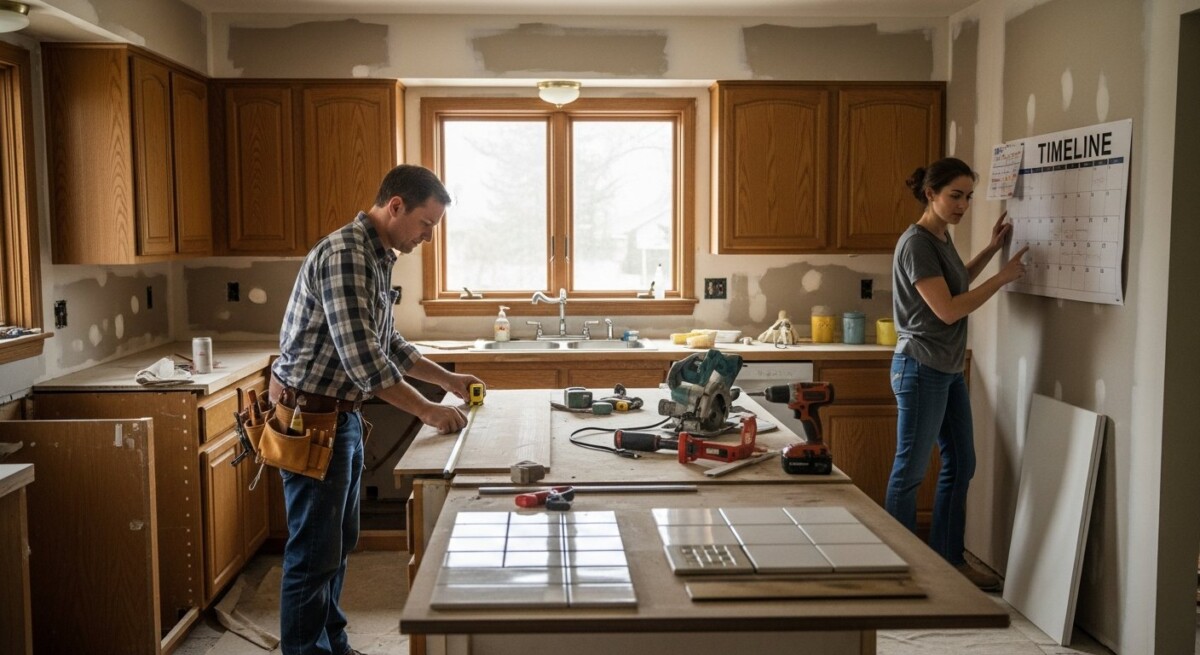
How to Find the Best Contractors for Home Renovation

Your home renovation project is a major investment, both financially and emotionally. Whether you are remodeling a kitchen, finishing a basement, or updating a bathroom, the success of your project hinges on one critical decision: choosing the right contractor. A skilled professional can turn your vision into reality, while a poor choice can lead to budget overruns, delays, and subpar work. This article provides a practical framework for identifying and vetting the best contractors for home renovation, helping you move forward with confidence and avoid costly mistakes.
Defining Your Renovation Project Scope and Budget
Before you begin your search for a contractor, you need a clear picture of what you want to accomplish. Start by listing your renovation goals, both functional and aesthetic. Do you need more storage space? Are you looking to improve energy efficiency? Do you want to update the style of a room? Write down every detail, from the type of flooring you prefer to the fixtures you have in mind. This list will serve as your project brief and will help contractors provide accurate estimates.
Next, establish a realistic budget. Research the average costs for your type of renovation in your area. For example, a bathroom remodel in a major city might cost between $10,000 and $30,000, while a full kitchen renovation could range from $25,000 to $60,000 or more. Be sure to factor in a contingency fund of 10 to 20 percent for unexpected issues, such as hidden water damage or outdated wiring. Having a firm budget will allow you to filter out contractors who propose work far outside your financial range and will help you compare bids more effectively.
Once you have a clear scope and budget, you are ready to identify potential contractors. Many homeowners start with online searches. A targeted query like “best contractors for home renovation” can yield a list of local professionals. However, you must go beyond the first page of search results. Look for contractors who specialize in your specific type of project. A general contractor may be fine for a whole-house remodel, but a kitchen renovation might benefit from a contractor who focuses exclusively on that room. Use the directory services on Homes.Contractors to find pre-vetted professionals in your area, then cross-reference their profiles with online reviews and ratings.
Vetting Contractors: Credentials, Reviews, and References
Once you have a shortlist of potential contractors, it is time to verify their credentials. This step is non-negotiable. Every contractor you consider should hold a valid license for your state or locality. Licensing requirements vary, but they generally indicate that the contractor has met minimum standards for knowledge, experience, and insurance. Ask for their license number and verify it through your state’s licensing board website. In addition, confirm that the contractor carries both general liability insurance and workers’ compensation insurance. This protects you if a worker is injured on your property or if the contractor damages your home.
Online reviews provide valuable insight into a contractor’s reputation, but they should be read critically. Look for patterns in the feedback rather than focusing on individual complaints. A few negative reviews among hundreds of positive ones may not be a red flag, but consistent complaints about missed deadlines, poor communication, or substandard work are serious concerns. Pay attention to how the contractor responds to negative reviews. A professional who addresses issues constructively and offers solutions is more likely to handle problems during your project well.
References are your most powerful vetting tool. Ask each contractor for a list of at least three recent clients with projects similar to yours. Contact these references and ask specific questions:
- Was the project completed on time and within the original budget?
- How did the contractor handle unexpected issues or changes?
- Was the work site kept clean and safe during the renovation?
- Would you hire this contractor again?
Speaking with past clients gives you a realistic sense of what it is like to work with the contractor. In our guide on How to Find the Best Contractors, we explain how to structure these reference calls to get the most honest feedback. Take notes during these conversations and compare them across your shortlist.
Comparing Bids: What to Look For
After vetting credentials and references, invite your top three to five contractors to bid on your project. Provide each one with the same detailed scope of work to ensure you are comparing apples to apples. A well-prepared bid should include a breakdown of labor, materials, permits, and any subcontractor costs. It should also specify the project timeline and payment schedule. Avoid contractors who give vague verbal estimates or refuse to put a detailed bid in writing.
When comparing bids, the lowest price is not always the best choice. An unusually low bid may indicate that the contractor cut corners, uses substandard materials, or lacks sufficient insurance. Conversely, a very high bid might reflect inefficiency or an attempt to take advantage of your urgency. Look for the bid that offers the best value, which means a fair price for quality work, clear communication, and a realistic timeline. Ask each contractor to explain any significant price differences. A transparent contractor will be happy to justify their costs.
Payment terms are another critical factor. Reputable contractors typically require a small deposit upfront, often 10 to 20 percent of the total project cost, with subsequent payments tied to completed milestones. Avoid contractors who demand a large down payment or full payment before the work begins. A standard payment schedule protects both you and the contractor and ensures that work progresses as agreed. For more insights on what to watch for, read our article on Home Renovation Mistakes Contractors Warn Against, which covers common pitfalls in payment and scheduling.
Red Flags to Watch For
Even the best contractors for home renovation can exhibit warning signs during the bidding or vetting process. Recognizing these red flags early can save you from a disastrous experience. Be wary of contractors who pressure you to sign a contract immediately, offer deep discounts for same-day decisions, or ask you to pull the permits yourself (pulling permits is typically the contractor’s responsibility). Another major red flag is a contractor who has no physical business address or only uses a P.O. box. Legitimate contractors have a stable place of business and a verifiable track record.
Communication style matters greatly. If a contractor is slow to return calls, dismissive of your questions, or unclear about their process during the bidding phase, these issues will likely intensify once the project starts. Trust your instincts. If something feels off, it probably is. It is better to delay your project and find a more suitable contractor than to rush into an agreement with someone you do not fully trust.
The Contract: Protecting Your Investment
Once you have selected a contractor, the next step is to formalize the agreement with a detailed contract. This document is your primary protection throughout the renovation. A solid contract should include the following elements:
- Full name, address, and license number of the contractor
- Detailed scope of work, including materials, brands, and product specifications
- Project start date, completion date, and any milestones
- Total price and payment schedule tied to specific completion stages
- Warranty information for both materials and labor
- Procedure for handling change orders (any modifications to the original scope)
- Lien waiver agreement to protect you from subcontractor liens
Read every line of the contract before signing. Do not rely on verbal promises; if something is important to you, it must be in writing. Ask your contractor to clarify any terms you do not understand. Once both parties sign, keep a copy for your records. A well-written contract prevents misunderstandings and provides a clear roadmap for the project.
Managing the Renovation Process
With a signed contract and a trusted contractor, your project can begin. However, your role as a homeowner does not end there. Stay involved without micromanaging. Establish a regular check-in schedule with your contractor, perhaps a weekly meeting or a brief daily update. Use these touchpoints to review progress, discuss any concerns, and approve change orders if they arise. Keep a project journal with notes, photos, and receipts. This documentation can be invaluable if a dispute occurs later.
Be prepared for the unexpected. Even the best-planned renovations encounter surprises, such as outdated plumbing, structural issues, or material delays. A good contractor will communicate these issues promptly and propose solutions. Work with them to adjust the timeline or budget as needed. Patience and flexibility on your part will help maintain a positive working relationship. Remember that the goal is a high-quality finished project, not a perfectly smooth process.
Post-Project Walkthrough and Final Payment
When the renovation is complete, conduct a thorough walkthrough with your contractor. Inspect every detail, from the alignment of cabinets to the finish on the trim. Test all fixtures, appliances, and systems. Use a punch list to document any items that need correction or touch-up work. Reputable contractors will address these items promptly without extra charge. Do not make the final payment until all punch list items are resolved to your satisfaction.
Once you are satisfied, make the final payment and request a signed lien waiver from the contractor. This document confirms that all subcontractors and suppliers have been paid, protecting you from future claims against your property. Keep all paperwork, including the contract, invoices, and lien waiver, in a safe place. These documents are important for insurance purposes and for future resale of your home.
Finding the best contractors for home renovation requires time, research, and diligence. By defining your project clearly, vetting credentials thoroughly, comparing bids carefully, and maintaining open communication, you can significantly reduce your risk and increase the likelihood of a successful outcome. Use the resources available on Homes.Contractors to connect with qualified professionals in your area and to access additional guidance on project planning and budgeting. Your renovation is an investment in your home and your quality of life. With the right contractor by your side, you can enjoy the process and the results for years to come.