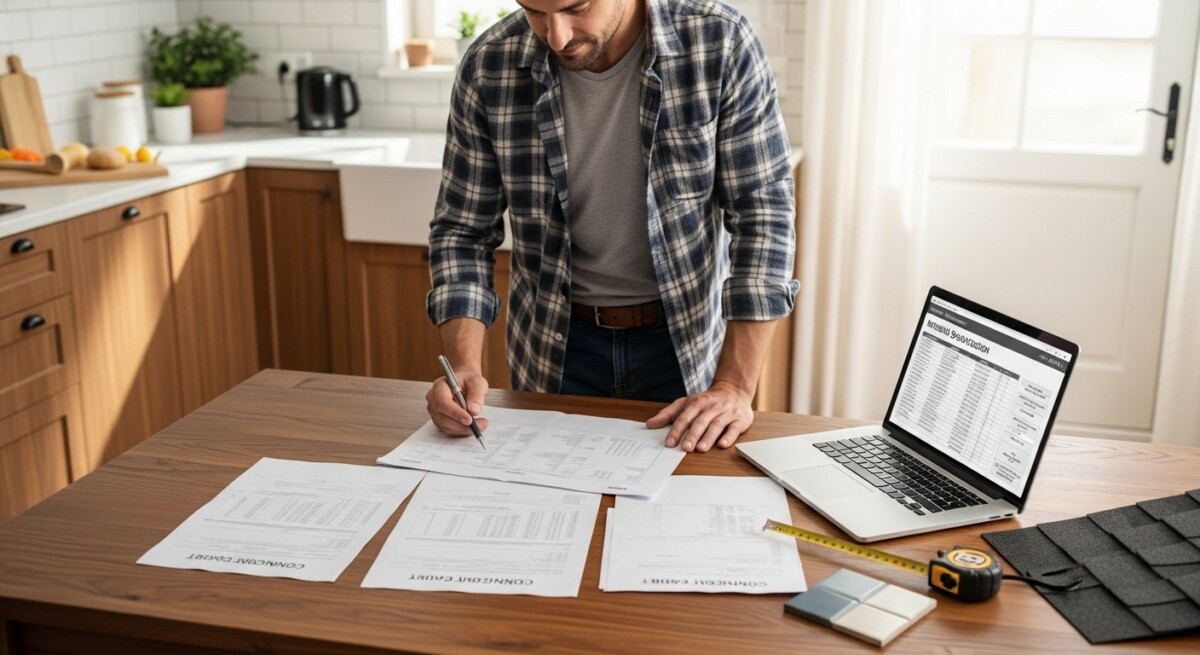
How to Evaluate Contractor Bids for Your Home Project
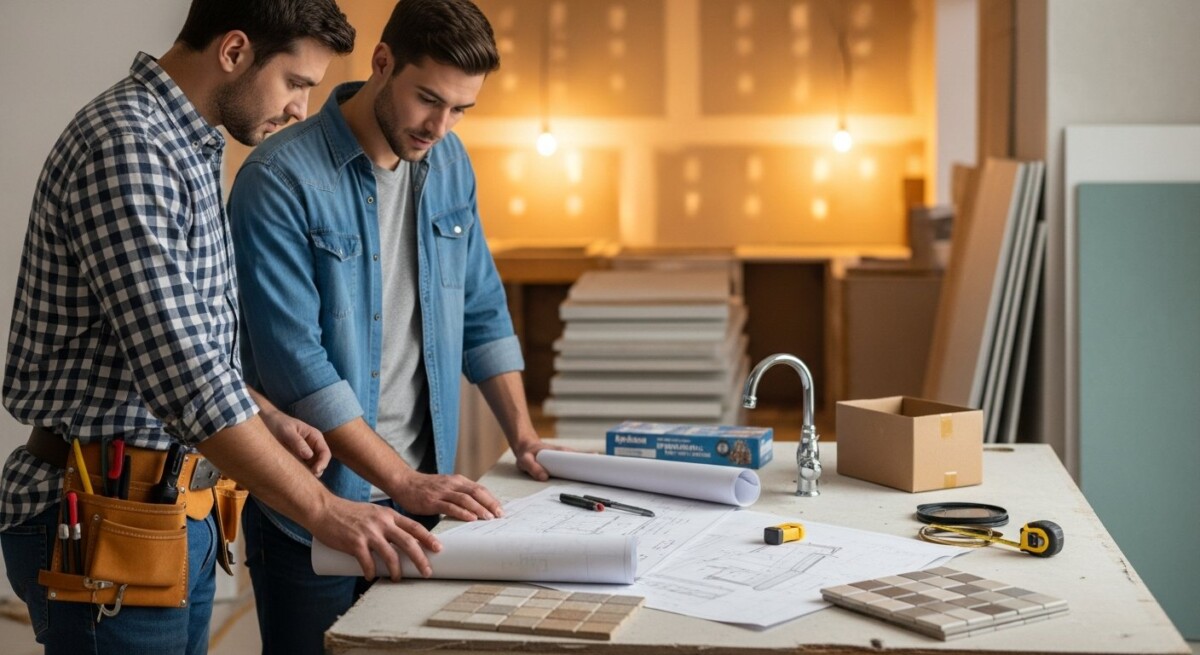
You’ve finally decided to remodel your kitchen, fix that leaky roof, or finish your basement. You collect three bids from different contractors, but the numbers are all over the place,one is $8,000, another is $15,000, and the third is $22,000. Now you’re stuck wondering: Which one is fair? Which contractor will actually do a good job? This is the exact moment when knowing how to evaluate contractor bids becomes critical. If you pick the wrong bid, you could end up with shoddy work, surprise costs, or even a project that stops halfway. Ignoring the differences between bids doesn’t make them go away,it often leads to bigger headaches and more expensive repairs down the road.
Understanding How to Evaluate Contractor Bids
Evaluating contractor bids simply means comparing the estimates you receive from different contractors in a smart, systematic way. It’s not just about picking the lowest number or the biggest company name. A bid is a detailed proposal that should break down the scope of work, materials, labor, timeline, and payment schedule. When you learn how to read these documents, you can spot hidden fees, unrealistic promises, or missing steps that could cost you later.
Most homeowners receive bids that look very different from one another because each contractor calculates costs differently. Some include high-quality materials and proper permits; others cut corners to give you a lower price. Older homes or complex projects,like structural repairs or full remodels,tend to have the widest variation in bids. That’s why understanding the details matters more than the total dollar amount.
What a Complete Bid Should Include
A trustworthy contractor’s bid will always include a clear description of the work, a list of materials with brands or grades, labor costs, a start and completion date, payment terms, and information about permits and warranties. If a bid is vague or missing key sections, that’s a red flag. In our guide on how to evaluate contractor bids for your home project, we explain exactly what to look for in every estimate.
Why This Matters for Your Home
Your home is likely your biggest investment, and the decisions you make during a renovation or repair project affect its safety, comfort, and value. Choosing a contractor based solely on price can lead to poor workmanship, substandard materials, or unfinished jobs. Over time, those shortcuts can cause water damage, electrical hazards, or structural weaknesses that cost thousands to fix later.
Delaying a proper evaluation of bids also puts you at risk of budget overruns. A bid that seems cheap today might hide change orders that add 30% or more to the final bill. On the other hand, an expensive bid might include premium services you don’t actually need. By learning to compare bids, you protect both your wallet and your peace of mind.
If you notice signs of this issue in your home, it may help to speak with a qualified contractor. Request a free quote or call to explore your repair or remodeling options.
Common Problems Homeowners Experience
When homeowners don’t evaluate bids carefully, they often run into the same frustrating problems. One common issue is scope creep,the contractor starts the job, then tells you the original bid didn’t include necessary work, and asks for more money. Another problem is low-quality materials that look fine at first but fail within a year or two.
Many people also discover that the lowest bidder lacks proper insurance or licenses, leaving the homeowner liable for injuries or code violations. Others find that the timeline promised in the bid was unrealistic, causing the project to drag on for months. These problems are avoidable when you know what to check before signing a contract.
- Hidden fees that weren’t mentioned in the initial bid
- Missing permits that lead to fines or failed inspections
- Vague material descriptions like “standard flooring” instead of a specific product
- Unrealistic timelines that force rushed, sloppy work
- No warranty information for labor or materials
- Requesting full payment upfront, which is a common scam red flag
How Professionals Solve the Problem
Experienced contractors follow a proven process to ensure bids are accurate, fair, and complete. They start with a thorough inspection of your home, measuring spaces, checking for hidden issues, and discussing your goals. Then they create a detailed proposal that covers every step of the project, from demolition to final cleanup.
Professional work is safer and more reliable than DIY fixes because contractors carry insurance, understand building codes, and have access to trade-only materials. They also stand behind their work with warranties, so if something goes wrong, they come back and fix it. Here’s how a typical professional project unfolds:
- On-site assessment: The contractor visits your home to evaluate the space and take measurements.
- Written estimate: You receive a detailed bid with costs, materials, and a timeline.
- Contract signing: Both parties agree on the scope, payment schedule, and start date.
- Permits and prep: The contractor pulls necessary permits and prepares the work area.
- Execution: The work is completed according to the plan, with regular updates.
- Final inspection: You review the work, and any touch-ups are handled before final payment.
A professional inspection can reveal hidden issues before they become expensive repairs. Compare contractor quotes here or call to discuss your project.
Warning Signs You Should Not Ignore
Your home often gives you clues that a contractor’s bid,or the contractor themselves,might be trouble. If a bid is significantly lower than others without a clear reason, that’s a warning. Likewise, if a contractor pressures you to sign immediately or demands cash payment, walk away. Trust your gut: if something feels off, it probably is.
Early detection of these warning signs can save you from a nightmare renovation. Pay attention during the bidding process, and don’t be afraid to ask questions. A reputable contractor will welcome your curiosity and provide clear answers.
- Bids that are 30% or more below competitors without a logical explanation
- Contractors who refuse to provide references or proof of insurance
- Vague or one-page estimates that lack detail
- Requests for a large deposit (over 10,20%) before work begins
- No physical business address or only a PO box
- Negative online reviews mentioning unfinished work or billing disputes
What Affects the Cost of Repairs or Installation
Several factors influence the price you see in contractor bids. The size of the project naturally plays a big role,remodeling a half-bath costs less than a full master suite. Material choices also swing the price significantly; custom cabinets or premium tile add cost, while stock options keep things affordable. Labor rates vary by region and by the complexity of the work.
Accessibility matters too. A roof with a steep pitch or a bathroom on the third floor takes more time and safety equipment, raising the bid. Older homes often contain surprises like outdated wiring or asbestos, which require specialized handling and increase costs. Understanding these factors helps you see why one bid might be higher than another,and whether that higher price is justified.
Costs can vary depending on the condition of your home. The best way to know the price is to get a personalized estimate. Request free quotes from contractors or call today.
How to Choose the Right Contractor
Choosing the right contractor starts with research, not just comparing prices. Look for contractors who have been in business for several years, carry liability insurance and workers’ compensation, and have a physical address in your area. Read online reviews on multiple platforms, and ask for references from recent customers whose projects were similar to yours.
Once you have a few candidates, ask each one for a detailed written bid. Compare them line by line, not just at the bottom line. The best contractor isn’t always the cheapest,it’s the one who offers fair pricing, clear communication, and a solid reputation. For more insight, read our article on why getting multiple contractor bids protects your home.
- Verify licenses and insurance with your state or local licensing board
- Read customer reviews on Google, Yelp, and the Better Business Bureau
- Ask for detailed estimates that break down materials, labor, and permits
- Compare at least three quotes to understand the market range
- Confirm experience with projects similar to yours (e.g., historic homes, basement finishing)
Long-Term Benefits of Professional Work
Hiring a professional contractor who submitted a thorough, fair bid pays off for years. Professional work is safer because it meets building codes and uses proper techniques. It’s more durable, meaning you won’t need repairs again in a year or two. Many professional upgrades also improve energy efficiency, lowering your utility bills.
Perhaps the biggest long-term benefit is increased home value. A well-executed kitchen remodel, new roof, or finished basement can add significant resale value. Plus, you get the peace of mind that comes from knowing the job was done right the first time. To understand how bids are structured, check out our guide on how contractor bids are calculated.
What is the most important thing to look for in a contractor bid?
The most important thing is completeness. A good bid clearly describes the scope of work, lists specific materials and brands, includes labor and permit costs, states a timeline, and explains payment terms. If a bid is vague or missing any of these elements, ask for clarification before moving forward.
Should I always choose the lowest bid?
No. The lowest bid can sometimes signal that the contractor is cutting corners, using cheap materials, or lacks proper insurance. Instead of focusing on price alone, compare the details of each bid. The best value often comes from a mid-range bid that offers quality materials and a clear scope of work.
How many contractor bids should I get?
Most experts recommend getting at least three bids for any significant home project. Three bids give you a good sense of the market rate and help you spot outliers,bids that are unusually high or low. If all three are close in price, you can focus on reputation and communication to make your choice.
Can I negotiate a contractor’s bid?
Yes, you can negotiate, but do it respectfully. Ask if there are ways to reduce costs, such as choosing different materials or simplifying the design. However, avoid pushing a contractor to lower their price drastically, as they may cut corners to meet your budget. Focus on value, not just price.
What should I do if a contractor asks for full payment upfront?
Politely decline and look for another contractor. Reputable contractors typically ask for a small deposit (10,20%) and then progress payments as work is completed. Paying the full amount upfront leaves you with no leverage if the work is poor or unfinished.
How do I know if a contractor is licensed and insured?
Ask for their license number and proof of insurance, then verify it with your state or local licensing board. You can also ask for a certificate of insurance directly from their insurance provider. Never take their word alone,always verify in writing.
What if the final cost is higher than the bid?
Review your contract to see if it includes a clause about change orders. If the contractor needs to do extra work that wasn’t in the original scope, they should get your written approval before proceeding. If the overrun is due to their mistake, they should absorb the cost. Clear communication prevents surprises.
How long is a contractor bid valid?
Most bids are valid for 30 to 90 days, depending on material availability and market conditions. Ask the contractor when the bid expires. If you wait too long to accept, prices for materials or labor may change, and the contractor may need to revise the bid.
Evaluating contractor bids doesn’t have to be stressful. By understanding what to look for, comparing details side by side, and trusting reputable professionals, you can move forward with confidence. The time you spend reviewing bids now will save you money, time, and frustration later. Start by requesting multiple quotes from qualified contractors and compare them carefully before making your decision.