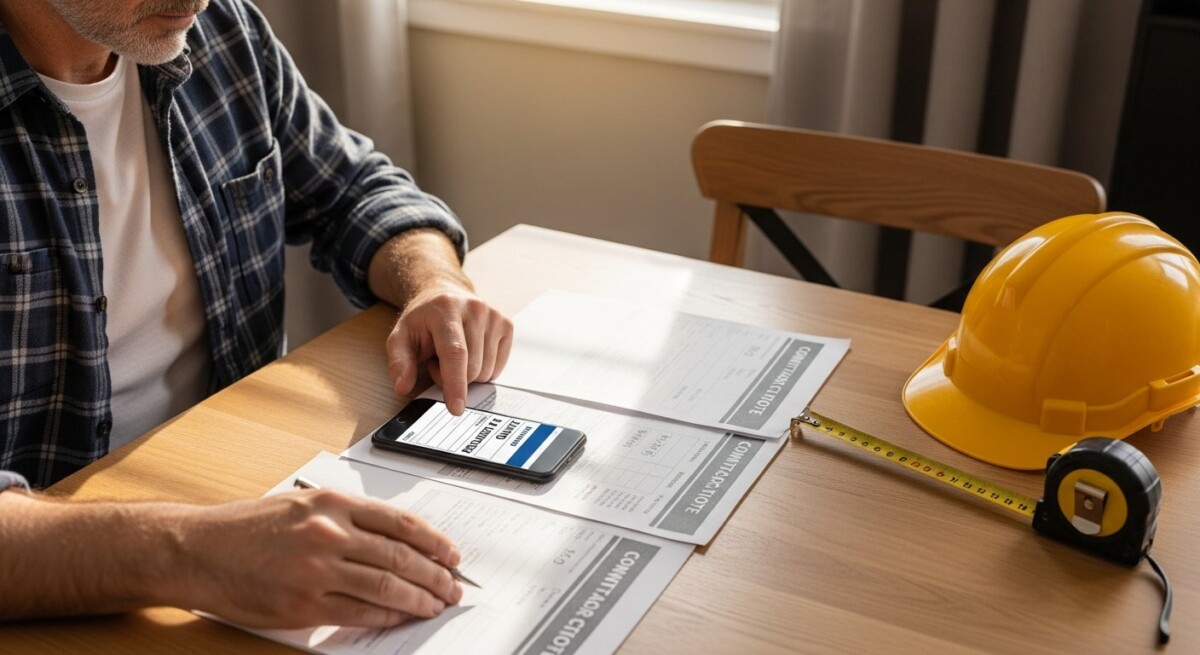
How Contractors Calculate Project Cost: A Homeowner’s Guide

You’ve finally decided to remodel your bathroom or replace your old roof. You call a few contractors, and the quotes come back,each one different, sometimes wildly so. One bid is $8,000, another is $12,000, and a third is $15,000. You wonder: Why the big difference? Are they just guessing? This confusion is one of the most common frustrations homeowners face. The truth is, how contractors calculate project cost involves a detailed process that accounts for materials, labor, overhead, and profit,but not every contractor explains it clearly. When you don’t understand the breakdown, it’s easy to feel overwhelmed or worry you’re being overcharged. Ignoring this knowledge gap can lead to hiring the wrong person, paying too much, or ending up with shoddy work that costs more to fix later.
Understanding How Contractors Calculate Project Cost
At its core, a contractor’s estimate is a prediction of all the expenses required to complete your project. This includes direct costs like lumber, drywall, and permits, plus indirect costs such as insurance, office overhead, and the contractor’s profit margin. Experienced contractors use historical data from similar jobs, current material prices, and a careful assessment of your home’s specific conditions to arrive at a number. No two homes are exactly alike, so estimates can vary based on accessibility, age of the structure, and hidden issues like outdated wiring or water damage.
Homes that are older or have had DIY additions are especially prone to surprises. A contractor might factor in a contingency,typically 10,20% of the total,to cover unexpected problems discovered during demolition or installation. This isn’t a rip-off; it’s a safeguard. Without it, you could face change orders that blow your budget. The most reliable contractors break down their estimates into clear line items: materials, labor, permits, cleanup, and profit. If a bid seems too low, it may mean the contractor is skipping important steps or using inferior materials.
Key Components of a Contractor’s Estimate
Every professional estimate rests on four pillars. Materials include everything from nails to countertops, priced at current market rates. Labor covers the wages for skilled tradespeople, which varies by region and project complexity. Overhead includes the cost of running the business,office rent, insurance, vehicle maintenance,and is typically spread across all jobs. Profit is not a dirty word; it’s what keeps the contractor in business and able to honor warranties. A trustworthy contractor will explain each of these components if you ask.
Why This Matters for Your Home
Understanding how contractors calculate project cost directly protects your home and your wallet. When you know what goes into a bid, you can spot red flags,like a quote that’s missing permit fees or doesn’t include cleanup. This knowledge helps you avoid contractors who cut corners to win the job, only to leave you with an unfinished project or code violations. A poorly estimated project can also lead to delays, which may expose your home to weather damage or safety hazards if walls remain open for weeks.
Delaying a major repair because the quotes seem confusing can be even costlier. A small leak ignored while you research contractors can turn into mold, rot, and structural damage. The money you “save” by waiting often multiplies into a much larger emergency expense. Professional contractors solve this by providing clear, itemized proposals upfront, so you know exactly what you’re paying for. In our guide on home project cost estimates, we explain how to compare bids with confidence.
If you notice signs of this issue in your home, it may help to speak with a qualified contractor. Request a free quote or call to explore your repair or remodeling options.
Common Problems Homeowners Experience
Many homeowners discover the hard way that a low bid often leads to high stress. Common problems include vague estimates that lack detail, surprise charges for “extras” that should have been included, and contractors who disappear mid-project because they underbid and ran out of money. These issues usually surface because the homeowner didn’t fully understand the estimate or didn’t ask the right questions.
Another frequent issue is scope creep,when a small repair turns into a full renovation because hidden damage was uncovered. Without a contingency in the original estimate, the homeowner is forced to approve costly change orders. Experienced contractors anticipate this and include a buffer, but less scrupulous ones may use it as a chance to inflate prices. Here are some specific problems homeowners report:
- Lowball bids that exclude essential items like permits, disposal fees, or final cleanup
- Change orders that double the original price after work begins
- Poor material quality specified in the estimate to keep costs down
- Vague timelines that leave your home in disarray for months
- Liability gaps where the contractor’s insurance doesn’t cover accidents
- Payment demands for large deposits before work starts
How Professionals Solve the Problem
Professional contractors follow a systematic process to ensure accurate pricing and smooth execution. First, they conduct a thorough site visit to measure, inspect, and photograph your home. They note potential challenges like load-bearing walls, old plumbing, or electrical panels that need upgrading. Then they create a detailed scope of work that lists every task, from demolition to final touch-ups. This scope becomes the foundation of the estimate, so there are no surprises later.
After the scope is finalized, the contractor prices each line item using current supplier quotes and labor rates. Many professionals use specialized software to ensure consistency and accuracy. The final bid includes a clear payment schedule tied to project milestones,such as 10% upfront, 50% at midpoint, and 40% upon completion. This protects you from paying for work that hasn’t been done. A professional also obtains all necessary permits, ensuring the work meets local building codes and passes inspection.
- On-site assessment , Measure and inspect the work area for hidden issues.
- Scope of work , Write a detailed list of every task and material needed.
- Cost breakdown , Price each item, including labor, materials, permits, and overhead.
- Contingency , Add 10,20% for unexpected problems discovered during work.
- Final estimate , Present a clear, itemized bid with a payment schedule.
Professional work is safer and more reliable than DIY fixes because contractors carry insurance, follow codes, and guarantee their work. A mistake in wiring or structural framing can be dangerous and expensive to fix. Hiring a pro not only ensures the job is done right but also protects your home’s resale value. For more on this topic, see our article on how contractors calculate project cost for homeowners.
A professional inspection can reveal hidden issues before they become expensive repairs. Compare contractor quotes here or call to discuss your project.
Warning Signs You Should Not Ignore
Your home often gives you clues that a major expense is coming. Catching these signs early can save you thousands and prevent emergency repairs. For example, a small water stain on the ceiling might mean a leaking pipe inside a wall. If you ignore it, the moisture can weaken drywall, attract pests, and grow mold. Similarly, a roof that’s 15 years old may have hidden damage that only a professional can see during an inspection.
Early action is your best defense. When you address issues promptly, you can plan the project on your schedule, compare multiple bids, and avoid paying overtime rates for emergency service. Many contractors also offer discounts for work booked during slower seasons. Here are warning signs that suggest you need a contractor’s evaluation:
- Unexplained spikes in your water or energy bills
- Musty odors or visible mold in basements, attics, or bathrooms
- Cracks in walls, ceilings, or foundation that grow over time
- Drafty rooms or uneven temperatures that suggest insulation or HVAC issues
- Peeling paint or wallpaper that indicates moisture behind surfaces
- Age of major systems,roofs over 20 years, water heaters over 10, etc.
What Affects the Cost of Repairs or Installation
Several factors influence how contractors calculate project cost for your specific job. The size of the project is the most obvious,a full kitchen remodel costs more than a countertop replacement because it involves more labor, materials, and coordination. But beyond size, the condition of your home plays a huge role. An older home may have knob-and-tube wiring, cast-iron pipes, or asbestos tiles that require special handling and increase costs significantly.
Accessibility also matters. A bathroom on the second floor is harder to work in than a ground-floor powder room because materials must be carried up stairs, and waste must be hauled down. If your home has limited parking or a narrow driveway, suppliers may charge extra for delivery. The type of materials you choose,luxury tile vs. basic vinyl, custom cabinetry vs. stock,directly affects the price. Finally, local labor rates vary; contractors in urban areas typically charge more than those in rural regions due to higher overhead.
Costs can vary depending on the condition of your home. The best way to know the price is to get a personalized estimate. Request free quotes from contractors or call today.
How to Choose the Right Contractor
Selecting a contractor isn’t just about picking the lowest price. The best choice balances cost, experience, and communication. Start by asking friends and neighbors for referrals, then check online reviews on sites like the Better Business Bureau and Google. Once you have a few names, verify that each contractor is licensed and insured in your state. A contractor without liability insurance could leave you on the hook for injuries or damage.
When you meet with candidates, ask for a written estimate that breaks down materials, labor, and timeline. Compare at least three bids, but don’t automatically choose the cheapest. Look for consistency,if one bid is much lower, ask why. A reputable contractor will gladly explain their pricing. Also, ask for references from recent similar projects and follow up with those homeowners. Here are tips to guide your decision:
- Verify licenses and insurance,request proof and call the issuing agency
- Read customer reviews on multiple platforms, not just the contractor’s website
- Get detailed estimates in writing that include scope, materials, and payment schedule
- Compare multiple quotes,ideally three to five,to understand the market rate
- Confirm experience with projects similar to yours, such as historic homes or specific materials
Long-Term Benefits of Professional Work
Investing in a professional contractor pays off in ways beyond the finished project. Properly installed roofs, windows, and HVAC systems improve energy efficiency, lowering your monthly bills. Quality workmanship also extends the lifespan of your home’s systems, so you’ll delay the next replacement by years. For example, a professionally installed bathroom with waterproof backing and proper ventilation will resist mold and last decades, while a rushed DIY job might need repairs in just a few years.
Professional work also boosts your home’s resale value. Buyers are willing to pay more for a home with documented, code-compliant renovations. When you sell, you can provide receipts and permits that prove the work was done by a licensed contractor. This transparency builds trust and can speed up the sale. Finally, you gain peace of mind knowing the job is safe, durable, and backed by a warranty. For a deeper dive into this process, read our guide on how contractors calculate project cost.
Frequently Asked Questions
Why do contractor estimates vary so much?
Estimates vary because contractors assess different scopes of work, use different material suppliers, and have different overhead costs. One contractor might include premium materials and a 20% contingency, while another uses budget materials and no buffer. Always ask for a detailed breakdown to compare apples to apples.
What should a contractor’s estimate include?
A professional estimate should include a scope of work, material list, labor costs, permit fees, cleanup, a payment schedule, and the contractor’s profit margin. It should also state the project timeline and any assumptions, such as “price valid for 30 days.”
Is a lower bid always better?
No. A low bid may indicate the contractor is cutting corners, using substandard materials, or lacks proper insurance. It could also be an honest attempt to win your business, but without a detailed scope, you risk change orders later. Compare the line items, not just the total.
How can I avoid surprise costs during a remodel?
Ask the contractor to include a contingency in the estimate,typically 10,20% of the total. Also, request a clause that limits change orders to unforeseen structural issues, not owner preference changes. A thorough pre-construction meeting can clarify what is and isn’t included.
Do I need to get permits for my project?
Most major renovations,structural changes, electrical, plumbing, roofing,require permits. A reputable contractor will obtain them as part of the service. Permits ensure the work meets safety codes and protects you if you sell the home. Skipping permits can lead to fines and insurance denial.
How do I know if a contractor is trustworthy?
Check their license, insurance, and bonding. Read online reviews and ask for references from recent clients. A trustworthy contractor will provide a written contract, communicate clearly, and never pressure you to sign immediately. Trust your gut,if something feels off, get another bid.
Can I negotiate a contractor’s price?
Yes, but focus on the scope rather than the total. Ask if you can supply certain materials yourself, or if there’s a discount for scheduling during a slow period. Avoid asking for a “deal” that cuts profit,good contractors need fair margins to stay in business and honor warranties.
What payment schedule is standard?
A common schedule is 10,20% deposit, 50% at the midpoint (after key milestones), and the final 30% upon completion and your satisfaction. Never pay the full amount upfront. Staged payments protect you if the contractor abandons the project.
Understanding how contractors calculate project cost helps you make informed decisions, avoid costly mistakes, and get the home improvement results you deserve. Don’t wait until a small issue becomes a major emergency,start comparing contractor quotes today to find the right professional for your project. Your home is your biggest investment, and a well-planned repair or remodel protects its value and your family’s comfort.