How to Compare Home Renovation Quotes: A Homeowner Guide

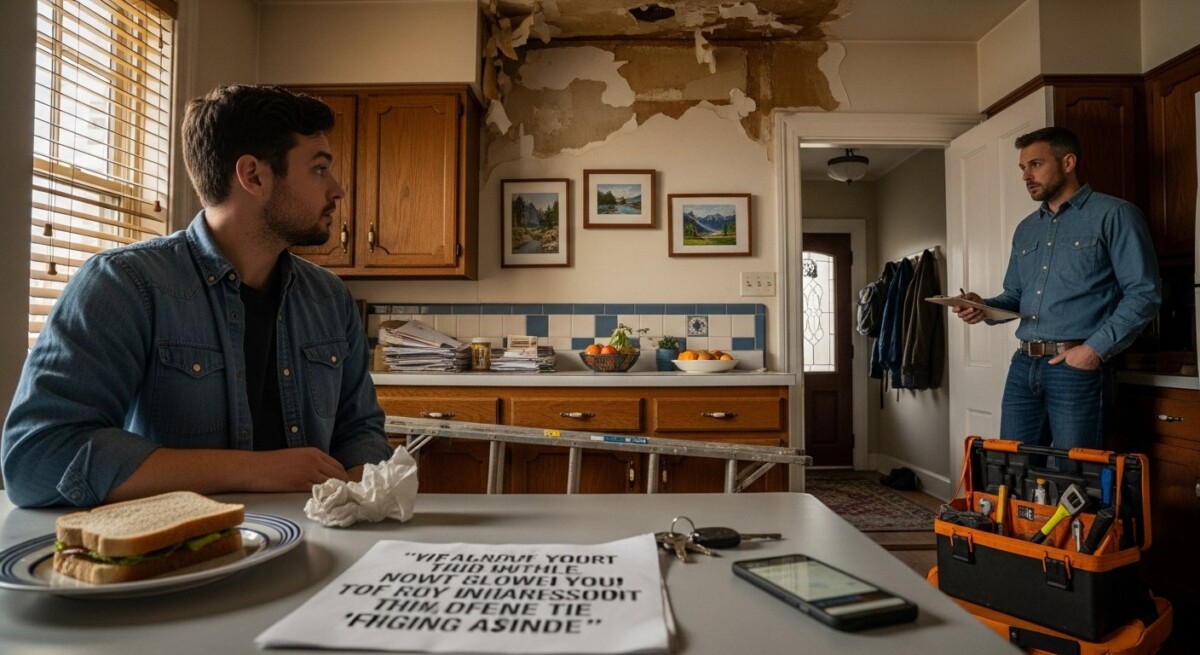
You finally decided to remodel your kitchen. You called three contractors, sat through estimates, and now you have three different numbers sitting on your kitchen table. One quote is $12,000. Another is $18,000. The third is $25,000. Which one is fair? Which contractor will actually do the work right? This is the exact moment when knowing how to compare home renovation quotes becomes essential. Without a clear comparison, you risk overpaying for poor work,or worse, hiring someone who cuts corners and leaves you with a half-finished project.
Understanding how to compare home renovation quotes
Comparing renovation quotes is the process of reviewing multiple contractor estimates side by side to understand what each includes. It is not just about picking the lowest price. A thorough comparison looks at materials, labor, timeline, warranties, and hidden fees.
Most homeowners struggle with this because contractors present quotes differently. One might itemize every nail. Another gives a lump sum. If you do not know what to look for, you could easily choose a quote that looks cheap but ends up costing more in change orders and delays. Understanding home renovation price quotes helps you spot these differences early.
Why This Matters for Your Home
Your home is likely your largest investment. A poorly compared quote can lead to shoddy work that damages your property. For example, a low bid on a bathroom remodel might use cheap waterproofing that fails after a year, causing mold and rot behind the walls. Fixing that damage could cost thousands more than the original remodel.
Safety is another concern. Unlicensed contractors may skip permits or ignore building codes. This puts your family at risk and can void your home insurance if something goes wrong. Comparing quotes properly helps you avoid these dangers and protects your home value.
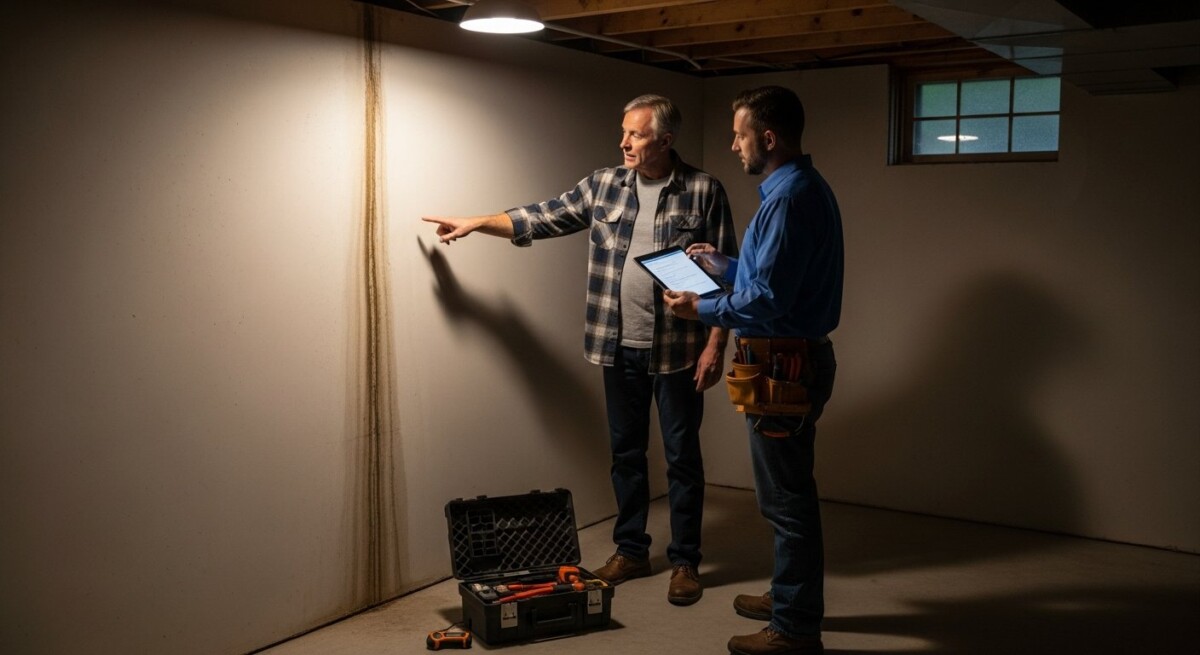
If you notice signs of this issue in your home, it may help to speak with a qualified contractor. Request a free quote or call to explore your repair or remodeling options.
Common Problems Homeowners Experience
Homeowners often receive quotes that look similar but contain major differences in scope. One contractor might include premium materials while another uses builder-grade supplies. Without a side-by-side comparison, you might assume both bids cover the same work.
Another common problem is vague language. A quote that says “install flooring” does not tell you if that includes removing old flooring, preparing the subfloor, or disposing of debris. These missing details lead to surprise costs later.
- Quotes that exclude demolition or disposal fees
- Vague descriptions of materials or brand names
- No mention of permits or inspection costs
- Wide differences in project timelines
- Missing warranty information on labor or materials
- Lump sum quotes with no breakdown of costs
How Professionals Solve the Problem
Experienced contractors provide clear, itemized quotes that make comparison easier. They break down costs into categories like materials, labor, permits, and cleanup. They also specify the brands and grades of products they will use.
- Initial consultation: The contractor visits your home, measures the space, and discusses your goals.
- Detailed estimate: You receive a written quote with line items for each part of the project.
- Scope clarification: The contractor explains what is and is not included, so there are no surprises.
- Permit handling: Professional contractors obtain the necessary permits and schedule inspections.
- Project management: They coordinate subcontractors, order materials, and keep the timeline on track.
Professional work is safer and more reliable than DIY because licensed contractors carry insurance and bond. If something goes wrong, you are protected. Trying to save money by doing it yourself often leads to mistakes that cost more to fix later.
A professional inspection can reveal hidden issues before they become expensive repairs. Compare contractor quotes here or call to discuss your project.
Warning Signs You Should Not Ignore
Some warning signs appear early in the quoting process. A contractor who gives a quote over the phone without seeing your home is a red flag. No professional can accurately price a renovation without inspecting the space first.
Another warning sign is pressure to sign immediately. Reputable contractors give you time to review the quote and compare it with others. If a contractor says the price is only good for 24 hours, proceed with caution.
- Quotes that are significantly lower than all others
- Contractors who ask for a large upfront deposit (more than 10,15%)
- No proof of license or insurance provided
- Unwillingness to provide references from past clients
- Vague or missing written contract terms
- Refusal to pull permits for the work
What Affects the Cost of Repairs or Installation
Several factors influence the price of a renovation project. The size of the space is the most obvious. A 200-square-foot bathroom costs more than a small powder room because it requires more materials and labor.
Materials also drive cost differences. Custom cabinetry, natural stone countertops, and high-end fixtures add significantly to the total. Conversely, stock cabinets and laminate surfaces keep costs lower. The age of your home matters too. Older homes often have outdated wiring or plumbing that needs upgrading to meet current codes, which adds expense.
Costs can vary depending on the condition of your home. The best way to know the price is to get a personalized estimate. Request free quotes from contractors or call today.
How to Choose the Right Contractor
Choosing the right contractor starts with research. Look for licensed professionals with good reviews and a track record of completing projects on time and on budget. Do not rely solely on the lowest bid,value matters more than price.
Ask each contractor for at least three references from recent projects similar to yours. Call those references and ask about their experience. Was the contractor responsive? Did they clean up daily? Did they stick to the timeline? These questions reveal a lot about how the contractor operates.
- Verify license and insurance before signing anything
- Read online reviews on multiple platforms (Google, Yelp, Angi)
- Request itemized written estimates from at least three contractors
- Compare scope, materials, and warranty,not just the bottom line
- Confirm the contractor has experience with your specific type of project
If you want to streamline this process, compare home improvement quotes online through a trusted directory to see multiple options side by side.
Long-Term Benefits of Professional Work
Hiring a professional contractor pays off over time. Quality workmanship lasts longer and requires fewer repairs. A well-installed roof, for example, can last 25,30 years, while a rushed job might need replacement in 10 years.
Professional work also boosts your home’s resale value. When you sell, buyers appreciate knowing that renovations were done by licensed contractors with permits. This gives them confidence that the work meets code and was done correctly.
Energy efficiency is another benefit. Proper insulation, windows, and HVAC installation reduce utility bills. Over several years, these savings can offset the initial cost of the renovation. Finding the best contractors for home renovation ensures you get these long-term advantages.
How do I know if a renovation quote is fair?
A fair quote aligns with the market rate for your area and includes a detailed breakdown of materials, labor, and timeline. Get at least three quotes from licensed contractors. If one quote is dramatically lower or higher than the others, ask the contractor to explain the difference.
What should a renovation quote include?
A complete quote should list the scope of work, materials with brands and grades, labor costs, permit fees, cleanup and disposal, timeline, payment schedule, and warranty terms. If any of these are missing, ask for clarification before signing.
Should I always choose the lowest quote?
No. The lowest quote often means the contractor is cutting corners,using cheaper materials, skipping permits, or hiring unskilled labor. Compare the scope and quality of each quote, not just the price. The middle quote is often the best balance of cost and quality.
How many quotes should I get before starting a renovation?
Most experts recommend getting at least three quotes. This gives you a good sense of the market range and helps you spot outliers. If all three quotes are similar, you can feel confident that the price is fair.
Can I negotiate a renovation quote?
Yes, but be respectful. Ask if the contractor can adjust the scope or use alternative materials to lower the price. Do not ask for a discount on the same scope,that pressures the contractor to cut corners. Instead, work together to find a solution that fits your budget.
What is a change order and why does it matter?
A change order is a written modification to the original contract after work has started. It outlines any changes in scope, materials, or timeline and the associated cost. Change orders protect both you and the contractor by documenting the change. Always get change orders in writing to avoid disputes.
How do I verify a contractor’s license and insurance?
Ask for the contractor’s license number and verify it through your state’s licensing board website. Request a copy of their general liability insurance and workers’ compensation policy. Call the insurance company to confirm the policy is active and covers your project.
What payment schedule is normal for a renovation project?
A typical payment schedule involves a small deposit (10,15%) to secure the start date, then progress payments tied to completed milestones. Never pay the full amount upfront. Hold back a final payment (often 10%) until the work is finished and you are satisfied.
Comparing renovation quotes carefully is one of the smartest things you can do as a homeowner. It saves you money, protects your home, and ensures you hire a contractor who will do the job right. Start by gathering quotes from multiple professionals and reviewing them side by side. The time you spend comparing now will save you headaches and unexpected costs later.