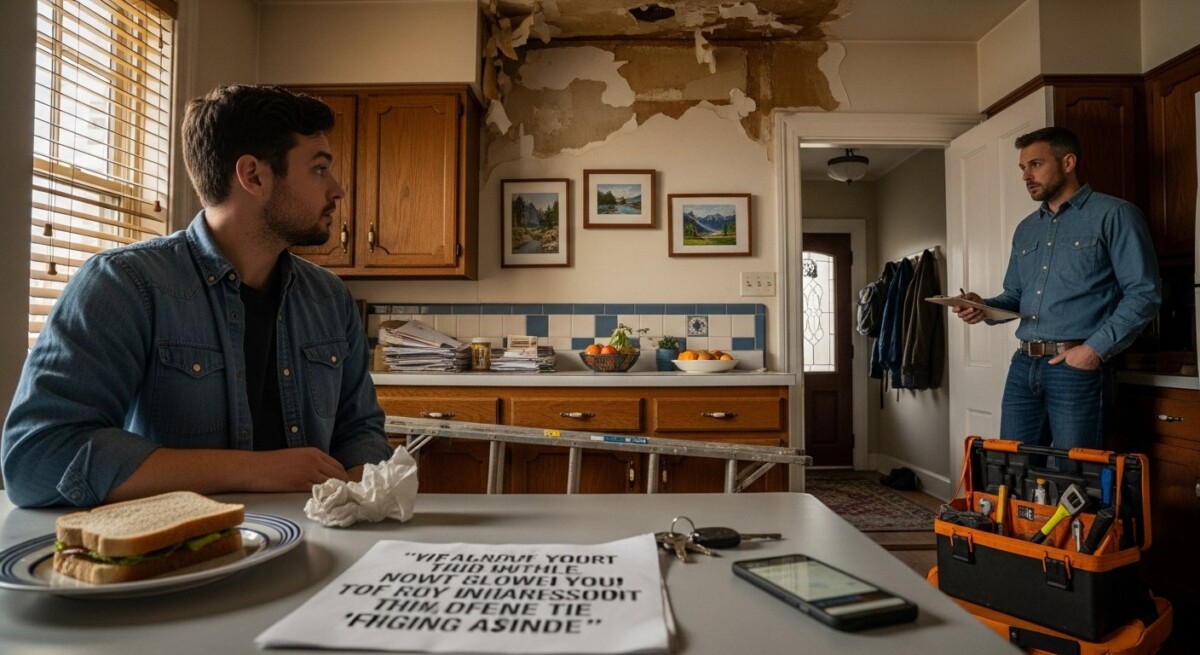
Affordable Home Improvement Quotes: Save Money Without Sacrificing Quality
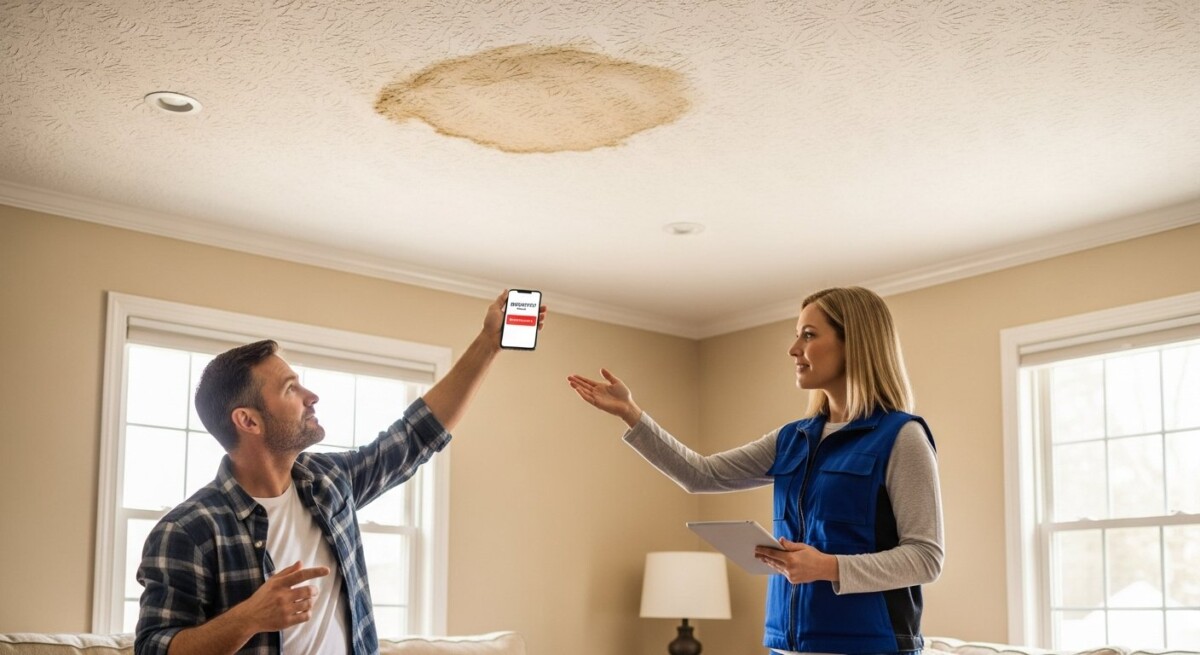
You walk into your living room and notice a water stain spreading across the ceiling. Or maybe your kitchen faucet has been dripping for weeks, and the cabinet below it now feels soft and swollen. These moments happen to every homeowner. You know something needs to be fixed, but the thought of calling a contractor feels overwhelming,especially when you worry about the cost. The problem is not just the repair itself; it is not knowing what a fair price looks like. That uncertainty can lead to delaying the work, which often turns a small issue into a major expense. Understanding how to get affordable home improvement quotes is the first step toward protecting your home and your budget.
Understanding Affordable Home Improvement Quotes
An affordable home improvement quote is a detailed estimate from a licensed contractor that outlines the cost of materials, labor, and any other fees for a specific project. It is not the same as a vague verbal price. A proper quote gives you a clear picture of what you are paying for and helps you compare options side by side. When you request multiple quotes, you gain leverage to choose a price that fits your budget without sacrificing quality.
Why do prices vary so much between contractors? Several factors influence the final number, including the contractor’s overhead, the quality of materials they plan to use, and the complexity of your home’s layout. Older homes, for example, often require more labor because walls may not be square or wiring may need upgrades. Homeowners in any region,whether in Arizona, Atlanta, or California,face the same challenge: finding a trustworthy contractor who offers a fair price. The key is knowing how to request and compare quotes effectively.
Why This Matters for Your Home
Ignoring a needed repair or remodeling project does not make it go away. In fact, small problems almost always grow. A tiny roof leak can lead to mold inside your walls, damaged insulation, and even structural rot. A cracked bathroom tile might let moisture seep into the subfloor, eventually causing the floor to sag. The longer you wait, the more expensive the fix becomes. What could have been a $500 repair can turn into a $5,000 replacement.
Beyond the financial impact, there are safety risks. Faulty wiring, broken steps, or weakened support beams can cause accidents. Your home is likely your largest investment. Protecting its value means addressing issues early with professional help. Affordable home improvement quotes allow you to plan ahead and budget for necessary work before an emergency forces you into a costly, rushed decision.
If you notice signs of this issue in your home, it may help to speak with a qualified contractor. Request a free quote or call to explore your repair or remodeling options.
Common Problems Homeowners Experience
Every home develops wear and tear over time. Some problems are obvious, like a leaky roof or a cracked foundation. Others sneak up on you, such as rising energy bills caused by poor insulation or a water heater that struggles to keep up with demand. Many homeowners discover these issues during routine cleaning or after a storm. By then, the damage has often spread.
Here are some of the most common issues that lead homeowners to seek quotes for repairs or remodeling:
- Water damage from leaking roofs, pipes, or poor drainage
- Outdated bathrooms or kitchens that no longer function well
- Cracked or uneven flooring that creates trip hazards
- Drafty windows and doors that drive up heating and cooling costs
- Failing HVAC systems that need repair or replacement
- Structural concerns like settling foundations or sagging rooflines
Each of these problems can be addressed with the right contractor. The challenge is knowing which contractor to trust and how much the work should reasonably cost. That is why comparing multiple quotes is so valuable.
How Professionals Solve the Problem
Experienced contractors follow a standard process to ensure the job is done correctly and safely. First, they inspect the area thoroughly. For a bathroom remodel, that might mean checking for hidden water damage behind walls. For a roofing repair, it involves examining flashing, vents, and the condition of the underlayment. This inspection helps them create an accurate quote that covers all necessary work.
- Assessment and planning: The contractor evaluates the problem, measures the space, and identifies any underlying issues.
- Material selection: They recommend materials that fit your budget and the project’s requirements. You can often choose between economy, mid-range, and premium options.
- Detailed quote: You receive a written estimate that breaks down labor, materials, permits, and timeline.
- Professional execution: The work is completed by trained crews who follow local building codes and safety standards.
- Final inspection and cleanup: The contractor ensures everything works properly and leaves your home clean.
Professional work is safer and more reliable than do-it-yourself repairs for most significant projects. Contractors carry insurance, which protects you if something goes wrong. They also have access to tools and materials that are not available at your local hardware store. A professional inspection can reveal hidden issues before they become expensive repairs. Compare contractor quotes here or call to discuss your project.
Warning Signs You Should Not Ignore
Your home often gives you early warnings that something is wrong. Paying attention to these signs can save you thousands of dollars and prevent safety hazards. Many homeowners dismiss small issues as minor annoyances, but they are often the first clues of a larger problem.
Look for these warning signs around your home:
- Water stains on ceilings or walls, even if they seem dry
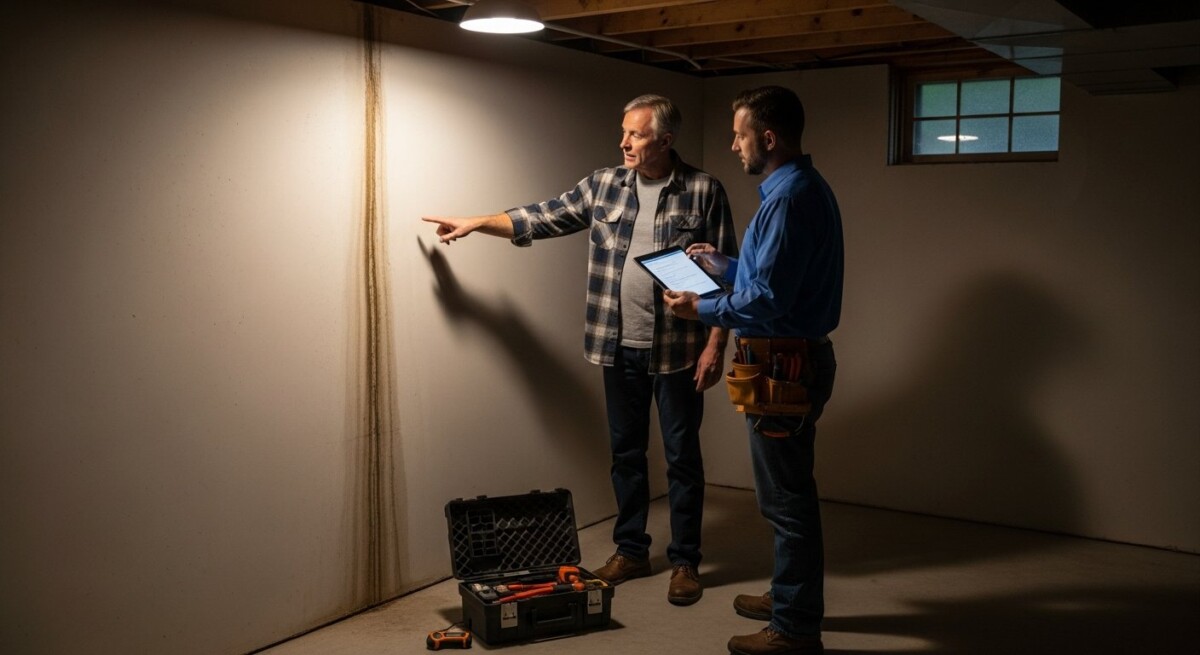
- Musty odors in basements, crawl spaces, or closets
- Doors or windows that stick, warp, or no longer close properly
- Cracks in drywall, brick, or foundation that grow over time
- Higher-than-usual utility bills without a change in usage
- Loose or missing shingles, siding, or tiles
If you notice any of these signs, do not wait. Early action prevents the problem from spreading and keeps repair costs manageable. A quick call to a contractor for an affordable home improvement quote can give you peace of mind and a clear path forward.
What Affects the Cost of Repairs or Installation
Several factors influence how much a home improvement project will cost. Understanding these variables helps you evaluate quotes more intelligently. The size of the project is the most obvious factor,a full kitchen remodel costs more than replacing a countertop. But within that, materials make a huge difference. Solid quartz countertops cost significantly more than laminate, for example.
Labor is another major cost driver. Projects that require specialized skills, like electrical work or structural framing, command higher hourly rates. The accessibility of the work area also matters. A bathroom on the third floor of a walk-up condo will cost more to remodel than a ground-floor bathroom because materials and debris must be carried up and down stairs. The age of your home can add costs too. Older homes often contain outdated wiring, asbestos, or lead paint that must be handled carefully, increasing labor time and disposal fees.
Costs can vary depending on the condition of your home. The best way to know the price is to get a personalized estimate. Request free quotes from contractors or call today.
How to Choose the Right Contractor
Selecting a contractor is one of the most important decisions you will make as a homeowner. A good contractor delivers quality work on time and within budget. A bad one can cause delays, shoddy results, and legal headaches. The good news is that you can protect yourself by doing a little research upfront.
Here are practical tips for choosing the right contractor for your project:
- Check licenses and insurance: Verify that the contractor is licensed in your state and carries liability insurance and workers’ compensation.
- Read customer reviews: Look for recent reviews on Google, Yelp, or the Better Business Bureau. Pay attention to how the contractor handles complaints.
- Ask for detailed estimates: A good quote lists materials, labor, permits, and a payment schedule. Avoid contractors who give only a verbal price.
- Compare multiple quotes: Get at least three written quotes for the same scope of work. This helps you spot outliers and understand the market rate.
- Confirm experience with similar projects: Ask for photos of past work or references from homeowners who had the same type of project done.
Taking these steps helps you hire a contractor who will treat your home with care. It also gives you confidence that you are paying a fair price for the work.
Long-Term Benefits of Professional Work
Investing in professional repairs or remodeling pays off in many ways over time. First, professional work is safer. Licensed contractors follow building codes that protect your family from electrical fires, structural failures, and carbon monoxide leaks. Second, professional installations last longer. A roof installed by an experienced crew can last 20 to 30 years, while a DIY patch might fail within a year.
Energy efficiency is another major benefit. Proper insulation, sealed windows, and efficient HVAC systems reduce your monthly utility bills. Over several years, these savings can offset the initial cost of the project. Professional work also increases your home’s resale value. When you decide to sell, buyers will pay more for a home with documented, professional upgrades. In our guide on comparing home improvement quotes before hiring a contractor, we explain how to evaluate estimates to maximize these long-term benefits.
Finally, professional work reduces future maintenance. A well-done bathroom remodel with proper waterproofing will not develop mold or rot. A professionally installed fence will not lean or rot after two years. By paying for quality work now, you avoid frequent, costly repairs later. For more tips on saving money on your next project, read our article on how to compare home improvement quotes online and save time and money.
What is the average cost of a home improvement project?
Costs vary widely depending on the project type, size, materials, and location. A minor bathroom update might cost $3,000 to $7,000, while a full kitchen remodel can range from $15,000 to $50,000 or more. The best way to know your specific cost is to request multiple quotes from local contractors.
How many quotes should I get before hiring a contractor?
Most experts recommend getting at least three written quotes for any significant project. This helps you understand the market rate and identify any unusually high or low bids. Comparing quotes also gives you leverage to negotiate a fair price.
Are online quote services reliable?
Reputable online quote services connect you with pre-vetted contractors in your area. They save you time by handling the initial outreach. However, you should still verify each contractor’s license, insurance, and reviews before signing a contract.
What should a home improvement quote include?
A professional quote should include a detailed breakdown of materials, labor costs, permit fees, a timeline for completion, and a payment schedule. It should also specify the scope of work so both parties agree on what is included.
Can I negotiate a contractor’s quote?
Yes, you can often negotiate, especially if you have multiple quotes in hand. Contractors may be willing to adjust their price or offer a discount if you can pay in cash or schedule the work during their slower season. Always get any changes in writing.
How do I know if a quote is too high or too low?
Compare the quote to at least two others for the same scope of work. A quote that is significantly lower than the others may indicate the contractor is cutting corners or using low-quality materials. A very high quote may include unnecessary upgrades. Use the middle-range quotes as your baseline.
Do I need a permit for my home improvement project?
Many projects require permits, especially structural changes, electrical work, plumbing, and major additions. A reputable contractor will handle the permit process for you. If a contractor suggests skipping permits, consider it a red flag and look for another professional.
What is the best way to pay a contractor?
Avoid paying large sums upfront. A typical payment schedule includes a small deposit (10,20%), progress payments as work is completed, and a final payment after you have inspected and approved the finished project. Never pay the full amount before work begins.
Your home deserves care that lasts. Whether you are fixing a leak, updating a room, or improving energy efficiency, taking the time to get affordable home improvement quotes puts you in control. You will understand your options, choose a qualified contractor, and avoid costly surprises. Start by comparing quotes from local professionals today. Visit our guide on energy-saving home improvements to learn how contractors can help you reduce utility costs while upgrading your home.