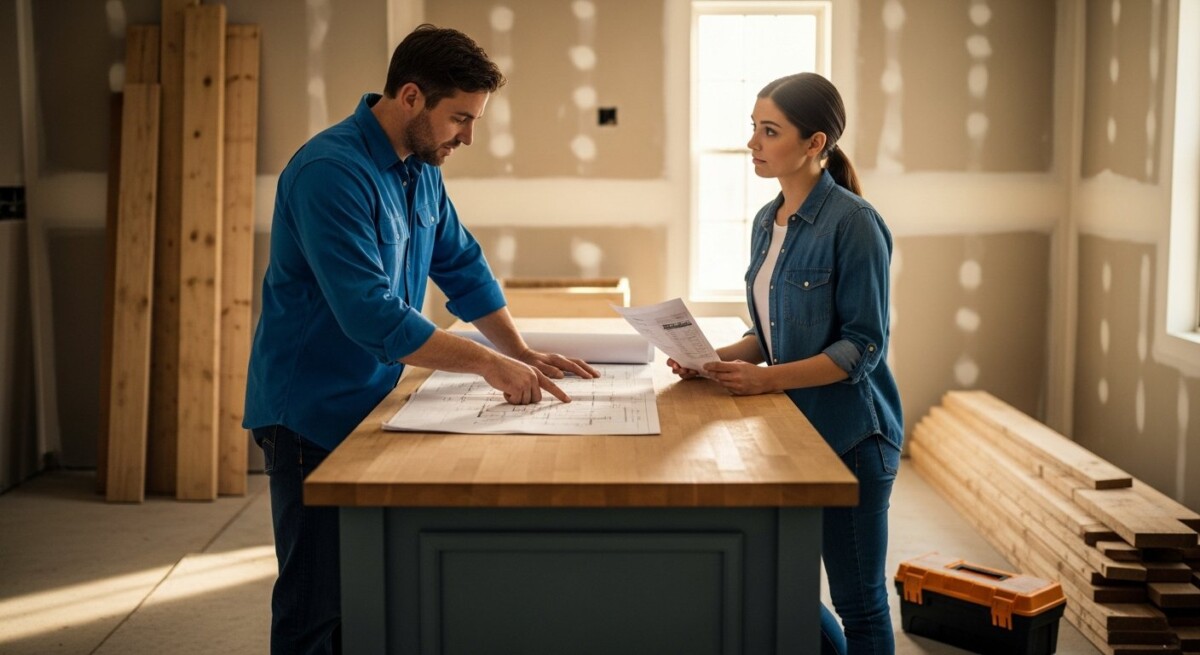
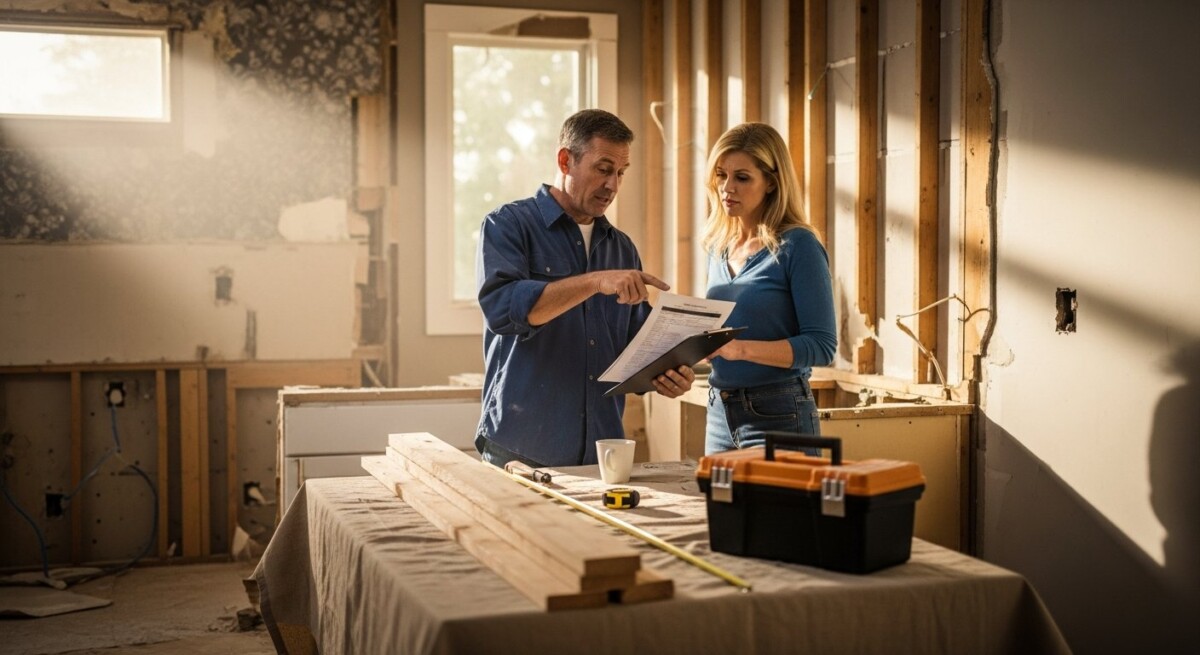
How to Read and Compare General Contractor Quotes Like a Pro

You finally decide to remodel the kitchen, replace the roof, or finish the basement. You call a few companies, explain what you need, and wait for the estimates to arrive. When the general contractor quotes land in your inbox, the numbers can look very different from one another. One bid might be thousands of dollars higher than the next. You wonder if the low bid is too good to be true,or if the high bid is simply padding the price.
This confusion is one of the most common frustrations homeowners face. Without a clear understanding of what goes into a quote, it is nearly impossible to make an apples-to-apples comparison. Worse, choosing the wrong contractor based on price alone can lead to shoddy work, unexpected change orders, or even safety hazards. Learning to read general contractor quotes carefully can save you money, protect your home, and give you peace of mind throughout the project.
In this guide, we will walk you through exactly what to look for in a quote, why prices vary, and how to choose a contractor you can trust. By the end, you will feel confident comparing bids and moving forward with the right professional for your home.
Understanding General Contractor Quotes
A general contractor quote is a written estimate that outlines the cost of labor, materials, and other expenses for a specific home improvement project. It is not a final invoice,it is a proposal. The contractor uses the quote to show you what they plan to do and how much it will cost. A thorough quote protects both you and the contractor by setting clear expectations before work begins.
Quotes can vary widely depending on the scope of the project, the materials selected, and the contractor’s overhead costs. Some contractors include line items for permits, dumpster rentals, and cleanup, while others bundle those costs into a flat fee. The key is to compare quotes that include the same scope of work. If one contractor quotes a premium tile and another quotes a basic option, the price difference has nothing to do with the quality of their labor.
Homes that are older or have unique architectural features often require more detailed quotes. A contractor may need to account for unexpected issues like outdated wiring, mold behind walls, or load-bearing walls that were not identified during the initial walkthrough. This is why a thorough on-site inspection is essential before any contractor provides a reliable quote.
Why This Matters for Your Home
Your home is likely your largest financial investment. Every repair or renovation you undertake affects its value, safety, and comfort. Choosing the wrong contractor,or skipping the quote comparison process altogether,can result in costly mistakes. A poorly executed roof replacement might lead to leaks that damage your ceilings and walls. A badly installed bathroom floor could rot the subfloor within months.
Beyond property damage, there are safety risks. Contractors who cut corners may use substandard materials or ignore building codes. This can create fire hazards, structural weaknesses, or health problems from mold or poor ventilation. Taking the time to understand and compare general contractor quotes helps you avoid these dangers.
Delaying necessary repairs also increases costs over time. A small plumbing leak left unaddressed can turn into widespread water damage that requires drywall replacement, mold remediation, and new cabinetry. By getting quotes early and acting on them, you can tackle problems before they escalate.
If you notice signs of damage in your home, it may help to speak with a qualified contractor. Request a free quote or call to explore your repair or remodeling options.
Common Problems Homeowners Experience
Many homeowners discover the hard way that not all quotes are created equal. One common problem is receiving a verbal estimate instead of a written quote. Without a written document, there is no record of what was agreed upon. If a dispute arises later, you have no proof of the original scope or price.
Another issue is the “lowball” quote. A contractor may offer a very low price to win the job, only to add unexpected charges as the project progresses. These change orders can quickly inflate the final cost far beyond the original bid. On the flip side, an extremely high quote does not always guarantee superior work. It may simply mean the contractor has high overhead or little interest in the project.
- Incomplete scope of work that leaves out key tasks like demolition or disposal
- Vague material descriptions such as “standard grade” instead of brand and model numbers
- Missing permit and inspection fees that are required by your local building department
- No timeline or schedule for completion of the project
- Unclear payment terms or requests for large upfront deposits
How Professionals Solve the Problem
Experienced contractors know that a detailed, transparent quote builds trust with homeowners. They take the time to walk through the property, measure spaces, and identify potential challenges before putting pen to paper. A professional quote typically includes a clear breakdown of labor, materials, permits, and any subcontractor fees.
- On-site inspection: The contractor visits your home to assess the condition of the area being repaired or remodeled.
- Scope development: They create a detailed list of every task required, from demolition to final cleanup.
- Material selection: They specify the brands, models, and quantities of all materials, including allowances for items like tile or flooring that you will choose.
- Pricing and timeline: They provide a fixed price or a not-to-exceed estimate, along with a projected start and finish date.
- Review and sign-off: You review the quote, ask questions, and sign a contract before work begins.
Professional work is often safer and more reliable than DIY fixes because contractors carry insurance, pull permits, and follow building codes. If something goes wrong, you have recourse through their insurance and your local licensing board. Trying to save money by doing it yourself or hiring an unlicensed handyman can end up costing far more in the long run.
A professional inspection can reveal hidden issues before they become expensive repairs. Compare contractor quotes here or call to discuss your project.
Warning Signs You Should Not Ignore
Some warning signs are obvious, like water stains on the ceiling or a crack in the foundation. Others are subtle, such as doors that stick because the house has shifted. Paying attention to these clues early can prevent a minor issue from turning into a major expense.
Trust your instincts. If a contractor pressures you to sign immediately, offers a price that seems too good to be true, or refuses to provide a written quote, consider it a red flag. Reliable contractors are happy to answer questions and give you time to compare bids.
- Water stains or peeling paint on walls or ceilings
- Musty odors that suggest hidden mold or moisture
- Floors that feel uneven or spongy when you walk on them
- Windows that are difficult to open or close
- Gaps around doors, windows, or baseboards
- Higher-than-normal utility bills that may indicate poor insulation or an HVAC issue
What Affects the Cost of Repairs or Installation
Several factors influence the price you see on a general contractor quote. The size of the project is the most obvious,a full kitchen remodel will cost far more than a simple backsplash replacement. However, within the same project type, costs can vary based on material choices, labor rates in your area, and the condition of your home.
Accessibility matters too. A bathroom on the second floor of a walk-up apartment will cost more to remodel than a first-floor bathroom because of the added difficulty of moving materials and debris. Older homes often require additional work to bring electrical, plumbing, or structural elements up to current code, which increases the final price.
Material prices fluctuate based on supply and demand. Custom cabinets, natural stone countertops, and specialty fixtures will always cost more than stock options. When comparing quotes, make sure each contractor is quoting the same or equivalent materials so you can evaluate the labor and overhead costs fairly.
Costs can vary depending on the condition of your home. The best way to know the price is to get a personalized estimate. Request free quotes from contractors or call today.
How to Choose the Right Contractor
Choosing a contractor is about more than just price. You want someone who communicates clearly, shows up on time, and delivers quality work. Start by asking friends, neighbors, or local online community groups for recommendations. Then, interview at least three contractors and request written quotes from each.
During the interview, ask how they handle unexpected issues. A good contractor will explain their process for change orders and how they communicate cost increases. They should also provide references from recent projects similar to yours. Take the time to call those references and ask about their experience.
- Verify the contractor’s license and insurance, including liability and workers’ compensation
- Read online reviews on Google, Yelp, or the Better Business Bureau
- Ask for a detailed written estimate that breaks down labor, materials, and fees
- Compare at least three quotes to understand the market rate for your project
- Confirm the contractor has experience with projects similar to yours in scope and complexity
Long-Term Benefits of Professional Work
Investing in professional repairs or remodeling pays off over time. Quality workmanship lasts longer, which means you will not have to pay for the same repair again in a few years. Materials installed correctly perform better,your roof will shed water more effectively, your windows will seal out drafts, and your floors will stay level and quiet.
Professional work also increases your home’s resale value. When it comes time to sell, buyers and real estate agents will notice the difference between a DIY patch job and a professionally finished space. Energy-efficient upgrades like new insulation, windows, or HVAC systems can lower your monthly utility bills, putting money back in your pocket year after year.
Finally, hiring a professional gives you peace of mind. You know the work is up to code, insured, and backed by a warranty. If something goes wrong, you have someone to call. That peace of mind is worth far more than the few hundred dollars you might save by going with the cheapest bid.
How do I know if a general contractor quote is fair?
A fair quote is detailed, transparent, and comparable to other bids for the same scope of work. Look for line items that break out labor, materials, permits, and any subcontractor fees. If one quote is significantly higher or lower than the others, ask the contractor to explain the difference. A fair price reflects the true cost of quality materials and skilled labor in your area.
Should I always choose the lowest quote?
Not necessarily. The lowest quote may indicate that the contractor is cutting corners, using cheap materials, or lacks proper insurance. It could also be a “bait and switch” tactic where the price increases once work begins. Instead of choosing the lowest price, choose the contractor who offers the best value,fair pricing, clear communication, and solid references.
What should be included in a general contractor quote?
A complete quote should include the full scope of work, a list of materials with brands and model numbers, labor costs, permit fees, a payment schedule, and a projected timeline. It should also specify what is not included, such as painting or landscaping, so there are no surprises. If something is missing from the quote, ask the contractor to add it before you sign.
How many quotes should I get for a home improvement project?
Most experts recommend getting at least three quotes for any major project. This gives you a sense of the market rate and helps you spot outliers. If all three quotes are within a similar range, you can feel confident that the pricing is fair. If one quote is dramatically different, that contractor may have misjudged the scope or is trying to win the job with an unrealistic price.
Can I negotiate with a contractor on the quote?
Yes, you can discuss the quote with the contractor, but focus on value rather than just asking for a discount. Ask if there are ways to reduce costs, such as choosing different materials or doing some of the demolition work yourself. A reputable contractor will work with you to find a solution that fits your budget without compromising quality.
How long is a general contractor quote valid?
Most quotes are valid for 30 to 60 days. Material prices and contractor availability can change, so the contractor needs a window in which the pricing is guaranteed. If you wait too long to accept, the contractor may need to revise the quote based on current material costs or schedule availability.
What happens if the contractor finds unexpected damage during the project?
Unexpected issues like dry rot, termite damage, or outdated wiring are common in older homes. A good contractor will stop work, show you the problem, and provide a written change order describing the additional work and cost. You have the right to approve or decline the change order before work continues. This is why it is important to have a contingency fund of 10 to 20 percent of the project cost.
Do I need a contract after I accept the quote?
Yes, always get a signed contract. The quote becomes part of the contract when you both sign it. The contract should include the quote details, payment schedule, start and completion dates, warranty information, and a process for handling changes. A written contract protects you and the contractor and is essential if any disputes arise.
Understanding general contractor quotes is one of the most important skills you can develop as a homeowner. A clear, detailed quote protects your budget, your timeline, and the quality of the work performed on your home. When you take the time to compare multiple quotes and ask the right questions, you set your project up for success. Do not rush the process,your home deserves the attention. Start by gathering a few quotes from trusted professionals, and choose the contractor who earns your confidence, not just the lowest price.