How to Compare Painting Contractor Quotes Like a Pro
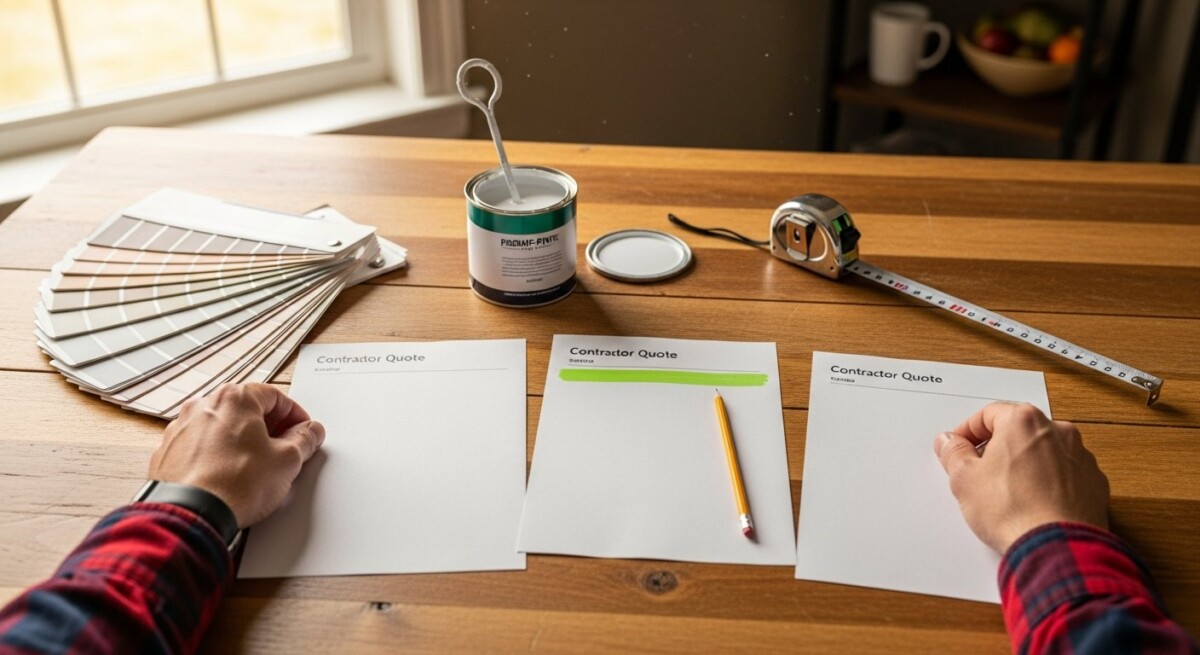
You finally decide it’s time to repaint the living room. Maybe the walls are scuffed, the color feels outdated, or you’re prepping the house to sell. You call a few painters, and suddenly your inbox fills with numbers that range from “surprisingly low” to “shockingly high.” Without a clear way to compare painting contractor quotes, you’re left guessing which one is fair,and which one hides costly surprises. That uncertainty can lead to delays, budget blowouts, or worse, a poor paint job that peels within months.
Understanding what goes into a painting estimate helps you spot red flags, ask better questions, and choose a contractor who will protect your home’s value. In this guide, we’ll walk through the key factors that affect pricing, common pitfalls homeowners face, and how to evaluate quotes with confidence.
Understanding Painting Contractor Quotes
A painting contractor quote is a written estimate that outlines the cost of painting a specific area of your home. It typically includes labor, materials, preparation work, and any additional services like drywall repair or trim painting. Quotes can vary widely because every home is different,square footage, ceiling height, wall condition, and paint quality all influence the final number.
Most homeowners discover the importance of comparing quotes after receiving a single estimate that feels either too cheap or too expensive. A low quote might skip essential prep work, while a high quote could include premium materials you don’t need. The key is understanding what each line item means so you can make an apples-to-apples comparison.
Why This Matters for Your Home
Skipping the quote comparison process can cost you more than money. A rushed decision often leads to poor adhesion, uneven coverage, or paint that fades and chips within a year. Worse, a contractor who cuts corners on surface preparation may leave moisture trapped behind the paint, leading to mold growth or wood rot over time.
Taking the time to review multiple painting contractor quotes also protects your home’s curb appeal and resale value. A professional paint job can boost a home’s sale price by thousands of dollars, while a sloppy one can turn buyers away. By comparing quotes carefully, you’re investing in long-term durability and peace of mind.
If you notice signs of this issue in your home, it may help to speak with a qualified contractor. Request a free quote or call to explore your repair or remodeling options.
Common Problems Homeowners Experience
Even experienced homeowners can stumble when evaluating painting quotes. One common problem is receiving vague estimates that list a flat price without breaking down materials, prep work, or the number of coats. Without details, you can’t tell if the contractor plans to prime the walls or simply slap paint over old, peeling layers.
Another issue is overlooking the cost of surface preparation. Walls with cracks, holes, or old wallpaper need extra labor to smooth out before painting. If a quote doesn’t mention prep, you may end up with a bumpy finish that requires a costly do-over.
- Unclear scope of work , Quotes that don’t specify which rooms, ceilings, or trim are included.
- Low-quality paint , Estimates that use generic or builder-grade paint instead of durable, washable brands.
- Hidden fees , Extra charges for moving furniture, repairing drywall, or painting high ceilings.
- Missing warranty details , No mention of guarantees on workmanship or paint performance.
- Pressure to sign immediately , Contractors who push for a deposit before you’ve had time to compare.
How Professionals Solve the Problem
Experienced painting contractors follow a systematic process that ensures a lasting, beautiful finish. First, they assess your walls for cracks, water stains, or uneven surfaces. Then they provide a detailed quote that lists each step,from patching holes to caulking trim,so you know exactly what you’re paying for.
Professional teams also use high-quality materials and proper application techniques. They apply primer when needed, use painter’s tape for clean edges, and let each coat dry fully before adding the next. This attention to detail prevents peeling, bubbling, and premature fading.
- Inspection and measurement , Measuring the area and checking wall condition.
- Surface preparation , Cleaning, sanding, patching holes, and priming.
- Painting , Applying multiple coats with professional-grade tools.
- Cleanup and inspection , Removing tape, cleaning brushes, and reviewing the work with you.
Choosing a pro over a DIY approach saves you time, spares you from ladders and fumes, and delivers a finish that lasts years longer. As our guide to getting contractor quotes online explains, comparing multiple professional estimates is the smartest way to find reliable help.
A professional inspection can reveal hidden issues before they become expensive repairs. Compare contractor quotes here or call to discuss your project.
Warning Signs You Should Not Ignore
Your home often gives early clues that a paint job wasn’t done right,or that it’s time for a refresh. Peeling paint near windows or bathrooms signals moisture problems that need attention before a new coat goes on. Cracks that spider across walls may indicate foundation movement or dried-out caulk.
Ignoring these signs can turn a simple repaint into a major repair. Water-damaged walls can breed mold, and failing paint on exterior siding can let moisture rot the wood underneath. Early action saves money and prevents bigger headaches down the road.
- Paint bubbling or peeling , Often caused by moisture or poor surface prep.
- Uneven sheen or patchy coverage , Suggests the previous painter skipped primer or used thin paint.
- Cracks along trim or corners , Indicates caulk failure or shifting walls.
- Chalking or fading on exterior paint , Means the paint is breaking down and needs replacement.
- Musty smell near painted walls , Could point to hidden mold behind the paint.
What Affects the Cost of Repairs or Installation
Several factors drive the price of a painting project, and understanding them helps you evaluate quotes fairly. Square footage is the biggest variable,more walls mean more paint and labor. Ceiling height also matters; vaulted ceilings require ladders or scaffolding, which increases time and risk.
The condition of your walls plays a major role too. If old paint is chipping or there are holes to patch, the contractor will charge extra for prep work. Paint quality is another factor: premium paints cost more upfront but cover better and last longer, saving you money in the long run.
Costs can vary depending on the condition of your home. The best way to know the price is to get a personalized estimate. Request free quotes from contractors or call today.
How to Choose the Right Contractor
Selecting a painting contractor isn’t just about the lowest number,it’s about trust and transparency. Start by asking for licenses and insurance. A legitimate contractor will carry liability insurance and workers’ compensation, protecting you if something goes wrong on the job.
Read online reviews and ask for references from recent projects. A contractor who has painted homes similar to yours will understand the specific challenges of your property, whether it’s old plaster walls or exterior siding that needs special primers. Always get at least three quotes so you can compare pricing and scope side by side.
- Verify licensing and insurance , Ask for proof before signing anything.
- Read customer reviews , Look for patterns in feedback about quality and communication.
- Request itemized estimates , A detailed quote shows you what you’re paying for.
- Compare multiple quotes , Three estimates give you a realistic price range.
- Confirm experience with your type of project , Interior, exterior, or specialty finishes all require different skills.
Long-Term Benefits of Professional Work
A professionally painted home doesn’t just look better,it performs better. Quality paint applied over properly prepared surfaces resists stains, scuffs, and moisture. That means fewer touch-ups and longer intervals between repaints, saving you money and hassle over time.
Exterior painting by a pro protects your siding from sun damage and rain infiltration, which can prevent costly rot and insect infestations. Inside, a fresh coat of paint can brighten rooms, reduce allergens (if you choose low-VOC paints), and increase your home’s resale value. According to real estate experts, a neutral, well-painted interior can boost a home’s perceived value by 5% or more.
Frequently Asked Questions
How do I compare painting contractor quotes?
Look at the scope of work, materials listed, and prep details. Compare the number of coats, paint brand, and whether the quote includes moving furniture or repairing walls. The cheapest quote may skip essential steps, so weigh price against what’s actually included.
What should a painting estimate include?
A thorough estimate lists the area to be painted, surface preparation steps, paint brand and color, number of coats, labor costs, and a timeline. It should also mention cleanup, warranty, and any exclusions like painting ceilings or trim.
Why are painting quotes so different from each other?
Differences come from varying paint quality, prep work included, contractor overhead, and local labor rates. A quote that includes priming, caulking, and two coats of premium paint will cost more than one that only covers the walls with a single coat of budget paint.
Is it better to hire a painter by the hour or by the project?
Most reputable contractors charge by the project because it accounts for the full scope of work. Hourly rates can lead to disputes over how long the job should take. A fixed project price gives you certainty about the final cost.
How long does a professional paint job last?
Interior paint typically lasts 5,10 years depending on wear and sunlight exposure. Exterior paint lasts 5,7 years on average. High-quality paint applied over properly prepared surfaces can extend that lifespan significantly.
Should I paint my house myself or hire a contractor?
DIY painting saves labor costs but requires time, equipment, and skill. Mistakes like roller marks or uneven edges can be hard to fix. For large rooms, high ceilings, or exterior work, hiring a pro ensures a smooth, durable finish and frees up your weekends.
Do I need to be home during the painting?
You don’t have to be, but it’s helpful to walk through the finished work before making final payment. Many contractors work while you’re away, as long as they have access to the area and a clear plan for moving furniture.
How do I know if a contractor is trustworthy?
Check online reviews, ask for references, and verify their license and insurance. A trustworthy contractor will provide a detailed written quote, answer your questions clearly, and never pressure you to sign immediately.
Comparing painting contractor quotes doesn’t have to be confusing. Once you understand what drives the cost and what a thorough estimate should include, you can confidently choose a professional who will protect your home and deliver results you’ll love. If you’re ready to start your project, request several quotes, review them carefully, and invest in quality work that adds lasting value to your home.