How to Compare Home Addition Contractor Quotes and Save Money

You have finally decided to add that extra bedroom, a home office, or perhaps a sunroom. The excitement is real, but then reality sets in when you start looking at home addition contractor quotes. One estimate seems too high, another seems too good to be true, and a third is missing crucial details. You are left confused, wondering if you are about to overpay or hire the wrong team.
This is a common moment for homeowners. The problem is not just the price,it is knowing what you are actually paying for. Without a clear understanding, you risk budget overruns, project delays, or even structural issues down the road. Ignoring the fine print in your quotes can turn a dream addition into a costly headache.
Learning how to read and compare home addition contractor quotes is the first step toward a successful project. This guide will help you understand what to look for, what to avoid, and how to choose the best value for your home.
Understanding Home Addition Contractor Quotes
A home addition quote is more than just a final number. It is a detailed breakdown of the labor, materials, permits, and timeline required to build your new space. Good contractors provide transparent estimates that list every cost, while vague quotes often lead to surprise charges later.
Quotes vary widely because every home and project is different. Factors like foundation work, roofing compatibility, and local building codes all affect pricing. Homes with older electrical systems or unique architectural styles often require more complex work, which raises the estimate.
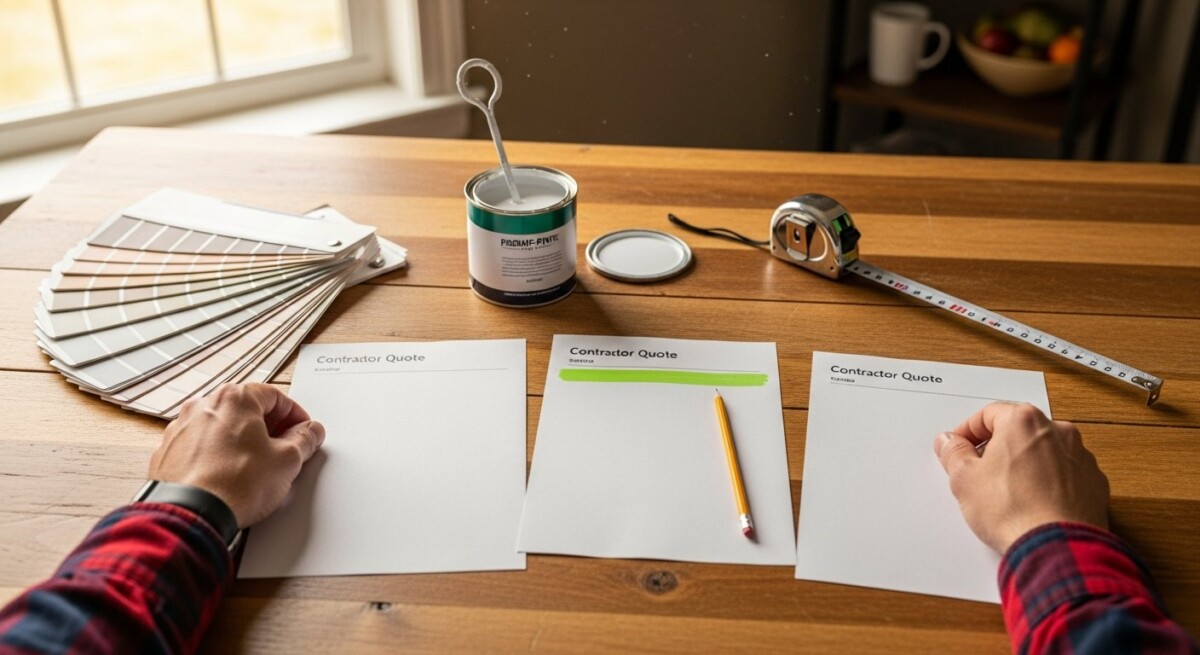
Most homeowners benefit from getting at least three quotes. This gives you a realistic range and helps you spot outliers. If one quote is drastically lower than the others, ask why,it may indicate shortcuts or missing scope items.
Why This Matters for Your Home
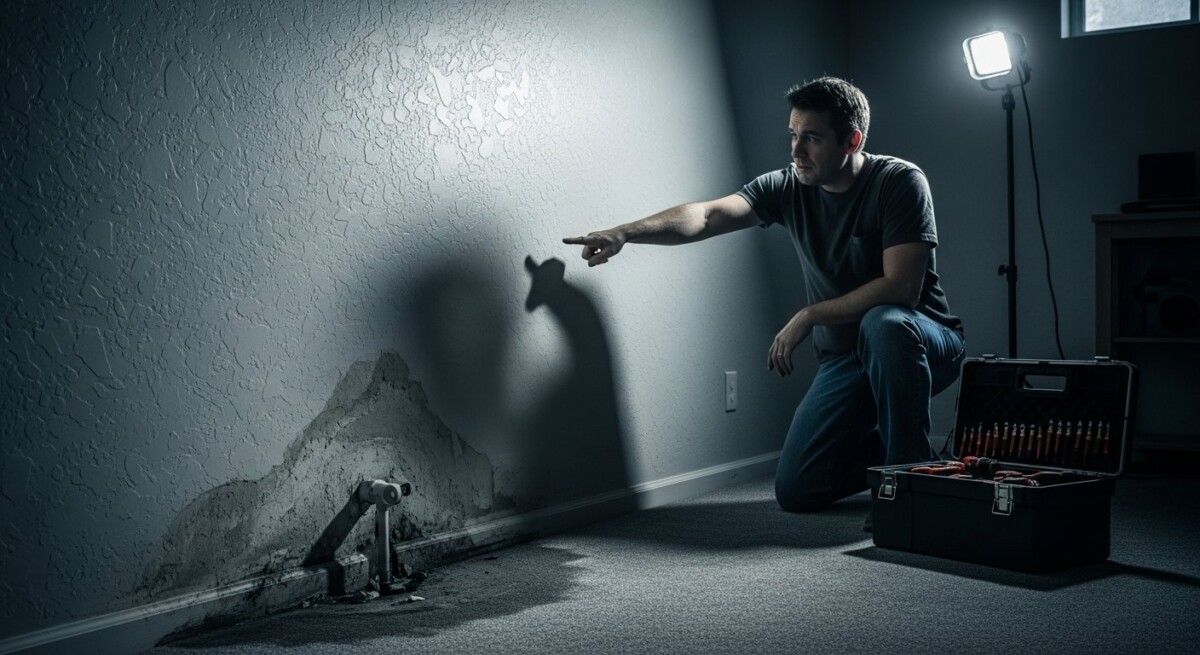
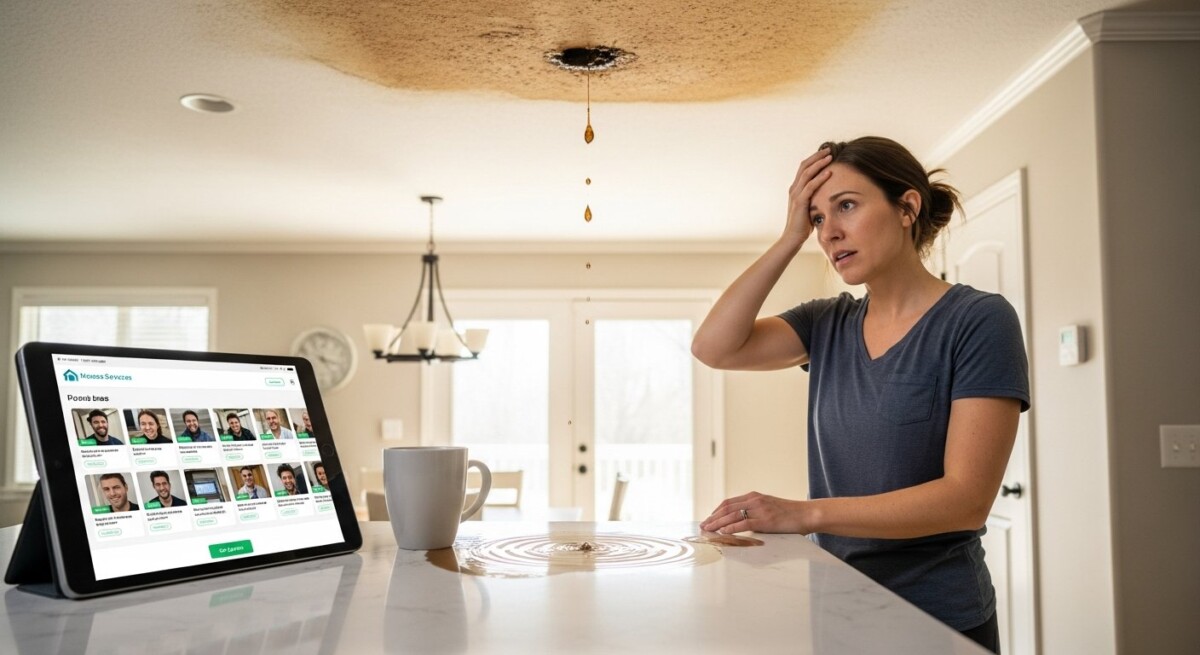
Your home is likely your largest investment. A poorly planned addition can reduce property value, create safety hazards, or lead to expensive fixes later. Water intrusion, improper foundation support, or unpermitted work can cause problems that cost thousands to correct.
Safety is another major concern. Contractors who cut corners on structural supports or electrical work put your family at risk. Professional contractors follow building codes and obtain necessary permits, ensuring your addition is safe and legal.
Comfort also matters. A well-built addition blends seamlessly with your existing home, maintaining consistent temperature, humidity, and airflow. Poorly insulated or improperly sealed additions can make your whole house uncomfortable and drive up energy bills.
If you notice signs of this issue in your home, it may help to speak with a qualified contractor. Request a free quote or call (555) 123-4567 to explore your repair or remodeling options.
Common Problems Homeowners Experience
Many homeowners run into trouble because they do not fully understand what their quote includes. Some contractors leave out permit fees or disposal costs, only to add them later as change orders. Others use vague language like “allowance for materials,” which leaves you guessing about final costs.
Another frequent issue is timeline confusion. A quote might list a start date but no completion date, or it may not account for weather delays or material shortages. Without clear milestones, projects can drag on for months longer than expected.
Here are common problems homeowners face when reviewing quotes:
- Missing line items for permits, inspections, or engineering fees
- Vague descriptions of materials, such as “quality lumber” without specifying grade or species
- No warranty information for workmanship or materials
- Unclear payment schedules that require large upfront deposits
- Exclusion of demolition, disposal, or site cleanup costs
- Incomplete scope of work that leaves out electrical, plumbing, or HVAC connections
How Professionals Solve the Problem
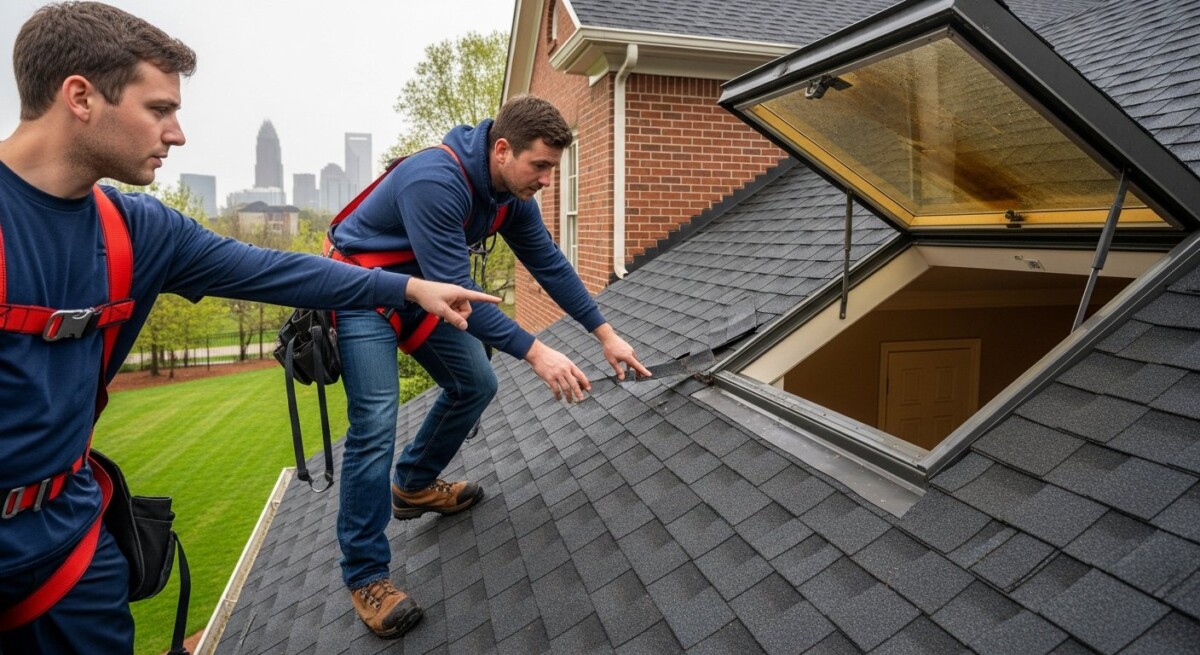
Experienced contractors follow a clear process to ensure your addition is built correctly. They start with an on-site visit to measure your home, assess the foundation, and check for any existing issues. This allows them to provide accurate quotes that reflect your specific conditions.
The typical process for a professional home addition includes:
- Initial consultation and site inspection , The contractor evaluates your home and discusses your goals.
- Design and planning , Architects or designers create blueprints that meet local codes.
- Permit application , The contractor handles all required permits and inspections.
- Foundation and framing , Crews pour the foundation and build the structural frame.
- Rough-in work , Electricians, plumbers, and HVAC technicians install systems.
- Finishing and trim , Drywall, flooring, paint, and fixtures complete the space.
- Final inspection and walkthrough , You review the work and receive warranty documentation.
Professional work is safer and more reliable than DIY attempts because licensed contractors carry insurance, follow building codes, and have experience coordinating multiple trades. They also guarantee their work, giving you peace of mind.
A professional inspection can reveal hidden issues before they become expensive repairs. Compare contractor quotes here or call (555) 123-4567 to discuss your project.
Warning Signs You Should Not Ignore
Certain red flags in a quote should make you pause. If a contractor refuses to provide a written estimate, that is a major warning sign. Verbal quotes leave room for misunderstanding and make it difficult to hold anyone accountable.
Another red flag is pressure to sign immediately. Reputable contractors give you time to review the quote, ask questions, and compare options. High-pressure sales tactics often indicate a contractor who is more interested in your money than your satisfaction.
Watch for these warning signs that suggest you need a second opinion:
- Quote is only 10,20% lower than others without explanation
- Contractor asks for more than 10% deposit upfront
- No proof of liability insurance or workers’ compensation
- References are unavailable or unwilling to share their experience
- Quote does not include a timeline or completion date
- Contractor suggests skipping permits to save money
What Affects the Cost of Repairs or Installation
Several factors influence the final price of a home addition. The size of the project is the most obvious,more square footage means more materials and labor. However, complexity matters just as much. Adding a second story costs more than a ground-floor extension because of structural reinforcement needs.
Material choices also affect pricing. Standard vinyl siding and laminate flooring are budget-friendly, while custom windows, hardwood floors, or stone exteriors increase costs. Local labor rates vary by region, and urban areas typically charge more than rural locations.
Accessibility plays a role too. If your contractor needs to bring equipment through a narrow gate or work on a sloped lot, the job takes longer and costs more. Older homes may require upgrades to electrical panels or plumbing systems to support the new addition.
Costs can vary depending on the condition of your home. The best way to know the price is to get a personalized estimate. Request free quotes from contractors or call (555) 123-4567 today.
How to Choose the Right Contractor
Selecting the right contractor is just as important as the design of your addition. Start by asking friends, neighbors, or local home improvement groups for recommendations. Online reviews on sites like the Better Business Bureau and Angi can also provide insight into a contractor’s reputation.
Always verify that your contractor is licensed and insured. A license shows they meet state requirements, while insurance protects you if a worker gets injured on your property. Ask for copies of both documents before signing anything.
Here are tips to help you choose wisely:
- Check licenses and insurance with your state licensing board
- Read customer reviews on multiple platforms, not just the contractor’s website
- Ask for detailed estimates that break down labor, materials, and permits
- Compare at least three quotes to understand the market rate
- Confirm the contractor has experience with projects similar to yours
Long-Term Benefits of Professional Work
Investing in a professional contractor pays off over time. A well-built addition adds usable square footage and increases your home’s resale value. According to remodeling industry data, homeowners typically recoup 50,70% of the cost of a midrange addition when they sell.
Professional work also improves energy efficiency. Proper insulation, high-quality windows, and sealed ductwork keep your home comfortable and reduce heating and cooling costs. Over several years, those savings can offset the initial investment.
Durability is another key benefit. Professional contractors use quality materials and proven techniques that stand up to weather and daily wear. You will spend less on maintenance and repairs compared to a DIY or budget build that cuts corners.
How do I know if a home addition quote is fair?
A fair quote is detailed, transparent, and competitive. Look for line items covering materials, labor, permits, and cleanup. Compare it against two or three other quotes from licensed contractors. If your quote is much lower or higher than the average, ask the contractor to explain the difference.
What should I look for in a home addition estimate?
Check that the estimate includes a clear scope of work, material specifications, payment schedule, and project timeline. It should also state warranty terms and who is responsible for obtaining permits. Avoid estimates with vague language like “allowance” or “as needed.”
How many quotes should I get for a home addition?
Most experts recommend getting at least three quotes. This gives you a sense of the market price and helps you identify outliers. Be wary of any contractor who discourages you from getting other estimates.
Why are home addition quotes so different from each other?
Quotes vary because contractors use different labor rates, material suppliers, and profit margins. Some include all costs upfront, while others leave out items like permits or disposal fees. Always ask each contractor to clarify what is and is not included.
Can I negotiate a home addition quote?
Yes, but focus on value rather than just price. Ask if the contractor can offer a discount for using standard materials or scheduling during a slower season. Avoid pressuring contractors to slash prices, as that may lead to corners being cut.
What is the average cost of a home addition?
Costs vary widely by region, size, and complexity. Nationally, homeowners spend between $80 and $200 per square foot for a basic addition. Custom finishes, second stories, or complex foundations can push costs higher.
Do home addition quotes include permits and inspections?
Reputable contractors include permit fees and inspection costs in their quotes. Always confirm this in writing. If a contractor suggests skipping permits, consider it a red flag,unpermitted work can cause problems when you sell your home.
How long does a home addition usually take?
Timelines depend on the size and complexity of the project. A simple ground-floor addition may take 2,3 months, while a multi-room or second-story addition can take 4,6 months or longer. Your quote should include a projected start and completion date.
Understanding your home addition contractor quotes is the key to a successful project. By learning what to look for, comparing options carefully, and choosing a qualified professional, you protect your investment and create the space your family needs. Start early, ask questions, and always get multiple quotes before making a decision.