Why Contractor Estimates Vary and How to Get Accurate Bids
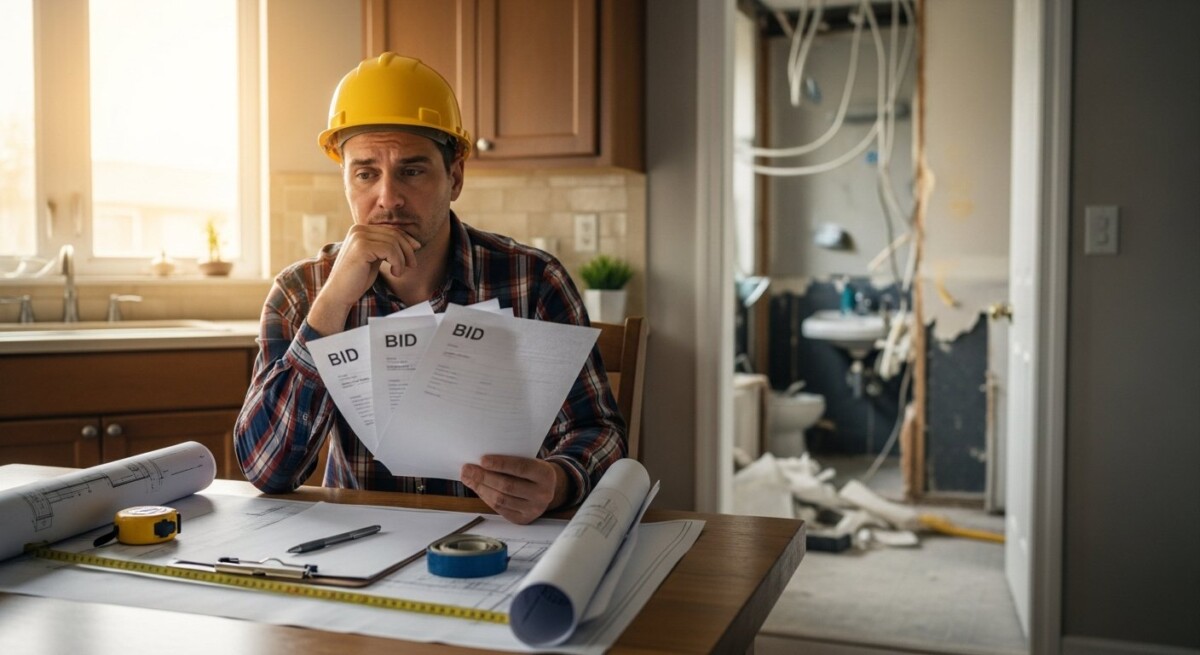
You’ve finally decided to remodel your bathroom, replace the roof, or finish the basement. You invite three contractors to walk through your home, take measurements, and ask questions. A few days later, the estimates arrive in your inbox. One quote is $8,000. Another is $15,000. The third lands at $22,000. Your stomach drops. Which one is accurate? How can three professionals look at the same project and come up with such different numbers? This confusion is one of the most frustrating moments in any home improvement journey. It’s also the moment when many homeowners either overpay or choose a contractor who later adds surprise charges. Understanding how accurate contractor estimates are can save you thousands of dollars and months of stress. If you ignore the differences and simply pick the lowest number, you risk shoddy work, unfinished projects, or costly change orders. Let’s break down why estimates vary, what affects accuracy, and how you can confidently compare bids.
Understanding How Accurate Contractor Estimates Are
A contractor estimate is a professional’s best guess at what your project will cost. It includes materials, labor, overhead, and profit margins. But an estimate is not a fixed price. It’s a prediction based on the information available at the time. When a contractor walks through your home, they see what you see,but they also notice potential issues you might miss, such as outdated wiring, hidden water damage, or non-standard wall framing.
The accuracy of an estimate depends heavily on the detail of the contractor’s inspection. Some contractors provide a quick visual quote. Others take hours measuring, checking attic space, and testing systems. The more thorough the inspection, the more accurate the estimate tends to be. Homes that are older, have been poorly maintained, or have had multiple prior renovations are harder to estimate accurately because hidden problems are common.
Why Estimates Differ Between Contractors
Each contractor runs their business differently. One might use premium materials and charge for full-time project management. Another might plan to buy discounted materials and handle the work with a smaller crew. One might include permits and dumpster fees in their base price, while another lists those as extras. These differences aren’t necessarily signs of dishonesty,they reflect real variations in business models. The challenge for you is figuring out which estimate reflects the true cost of a quality job.
Why This Matters for Your Home
Choosing a contractor based solely on a low estimate can lead to serious problems. When a contractor underestimates a job,either on purpose or by mistake,they may cut corners to stay within budget. This can mean using cheaper materials, skipping important preparation steps, or rushing through work. The result is often a finished project that looks fine at first but develops issues within months: peeling paint, uneven floors, leaking pipes, or drafty windows.
Delaying repairs because you’re waiting for a “better” estimate can also backfire. Small problems like a minor roof leak or a crack in the foundation get worse over time. Water damage spreads, mold grows, and structural issues become more expensive to fix. The longer you wait, the more you’ll pay. In our guide on essential documents for an accurate contractor estimate, we explain how providing detailed information upfront helps contractors give you a more reliable number.
Beyond the financial cost, there’s also the stress of living through a renovation or dealing with emergency repairs. Accurate estimates help you plan your budget and timeline with confidence. They reduce the chance of unexpected surprises that force you to pause the project or take out a loan mid-construction.
If you notice signs of this issue in your home, it may help to speak with a qualified contractor. Request a free quote or call to explore your repair or remodeling options.
Common Problems Homeowners Experience
Homeowners often discover that the initial estimate didn’t cover everything. A contractor might quote a price for installing new cabinets but exclude the cost of removing old ones, hauling debris, or patching drywall. These omissions add up fast. Another common issue is the “we’ll see what we find” approach, where a contractor starts work and then calls you to say the subfloor is rotten and needs replacement for an extra $2,000.
Some contractors intentionally lowball their estimates to win the job, planning to make up the difference with change orders later. This practice, sometimes called “bait and switch,” is unethical but not uncommon. Other times, the contractor simply lacks experience with your type of project and underestimates the labor hours required. Either way, you end up paying more than you expected.
- Hidden damage discovered mid-project , Water damage, mold, or pest infestations that weren’t visible during the initial walkthrough
- Scope creep , Small additions and changes that inflate the final bill far beyond the original estimate
- Material price fluctuations , Contractors who don’t lock in prices may pass along increases to you
- Permit and inspection fees , Some estimates omit these costs, leaving you to pay separately
- Unforeseen structural issues , Load-bearing walls, outdated wiring, or non-standard plumbing that require expensive fixes
- Cleanup and disposal charges , Removal of old materials and debris is sometimes listed as an add-on
How Professionals Solve the Problem
Experienced contractors know that accurate estimates start with a thorough assessment. They don’t just glance at the space,they take measurements, check for moisture, inspect the attic and crawlspace, and review your home’s systems. They also ask detailed questions about your goals, material preferences, and timeline. This upfront investment of time leads to estimates that are much closer to the final price.
Professional contractors also build contingencies into their estimates. A contingency is a percentage of the total budget set aside for unexpected issues. For example, a reputable roofer might include a 10% contingency in case they find rotted decking when they remove the old shingles. This means fewer surprise calls asking for more money. When you compare estimates, look for line items that show how the contractor handles unknowns.
- Initial consultation , The contractor visits your home, listens to your needs, and inspects the work area
- Detailed measurement and assessment , They measure spaces, check for hidden damage, and verify structural conditions
- Written estimate with line items , You receive a document listing materials, labor, permits, disposal, and contingencies
- Review and questions , The contractor explains each line item and answers your questions before you sign
- Project start with clear milestones , Work begins according to a schedule, with regular updates and progress checks
Professional work is almost always safer and more reliable than DIY fixes, especially for electrical, plumbing, roofing, and structural projects. One mistake in these areas can cause fires, floods, or collapses. A licensed contractor carries insurance and follows building codes, protecting you and your property.
A professional inspection can reveal hidden issues before they become expensive repairs. Compare contractor quotes here or call to discuss your project.
Warning Signs You Should Not Ignore
Your home often gives you clues that a contractor’s estimate might be inaccurate. If a contractor gives you a price over the phone without seeing the space, that’s a major red flag. No professional can accurately estimate a project without an in-person inspection. Similarly, if a contractor pressures you to sign immediately by saying the price is only good for 24 hours, be cautious. Legitimate contractors give you time to review and compare.
Another warning sign is an estimate that’s significantly lower than all the others. While a low price might feel like a win, it often means the contractor plans to cut corners or add charges later. Trust your gut: if the estimate feels too good to be true, it probably is. Pay attention to vague language in the estimate, such as “starting at” or “up to,” which leaves room for the final price to climb.
- Phone-only quotes , A contractor who won’t visit your home cannot give an accurate estimate
- Pressure to sign quickly , High-pressure sales tactics often mask hidden costs
- Vague or one-line estimates , A professional estimate should have multiple line items
- No mention of permits or inspections , Skipping permits can lead to fines and safety issues
- Request for large upfront payment , Reputable contractors ask for a deposit, not the full amount
- Unwillingness to provide references , Past clients can tell you if the contractor’s estimates matched the final bill
What Affects the Cost of Repairs or Installation
Several factors influence how much a project will cost and how accurate the estimate can be. The size of the project is the most obvious variable,a full kitchen remodel costs more than a countertop replacement. But the condition of your home matters just as much. An older home with outdated wiring, cast-iron pipes, or asbestos flooring requires more specialized labor and disposal than a newer home with modern systems.
Material choices also drive cost differences. Custom tile, quartz countertops, and solid wood flooring cost more than standard options. If you choose premium materials, the estimate will be higher,but it should still be accurate if the contractor accounts for those materials properly. Labor costs vary by region and season. In areas with high demand, contractors charge more, and their estimates reflect current market rates. Accessibility matters too: a roof with a steep pitch or a basement with narrow stairs takes longer to work on and costs more.
Costs can vary depending on the condition of your home. The best way to know the price is to get a personalized estimate. Request free quotes from contractors or call today.
How to Choose the Right Contractor
Selecting the right contractor starts with research. Don’t hire the first name you find. Look for contractors who specialize in your type of project and have been in business for several years. Check their license and insurance status with your state’s licensing board. A licensed contractor has met minimum training and safety requirements. Insurance protects you if a worker gets injured on your property.
Read online reviews on multiple platforms, but focus on patterns rather than individual complaints. One negative review among 50 positive ones is normal. A string of complaints about surprise charges or inaccurate estimates is a red flag. Ask each contractor for at least three references from recent, similar projects. Call those references and ask whether the final price matched the estimate and whether the project finished on time.
- Verify license and insurance , Confirm they are licensed, bonded, and insured for your state and project type
- Read recent reviews , Look for feedback about estimate accuracy, communication, and quality
- Ask for detailed, written estimates , Compare line items, not just bottom-line totals
- Get at least three quotes , Three estimates give you a realistic range and help you spot outliers
- Confirm experience with similar projects , Ask how many bathrooms, roofs, or basements they’ve finished recently
Long-Term Benefits of Professional Work
Investing in professional work with an accurate estimate pays off for years. Quality materials and proper installation last longer, which means you won’t need to repair or replace the work anytime soon. A professionally finished basement adds usable square footage without the moisture problems common in DIY jobs. A properly installed roof protects your home from leaks and improves energy efficiency, lowering your heating and cooling bills.
Professional work also increases your home’s resale value. When you sell, buyers and appraisers look for permits and quality finishes. A bathroom or kitchen remodeled by a licensed contractor with a clean, documented process is more attractive than one that shows signs of rushed or incomplete work. Accurate estimates help you budget for these upgrades without financial strain, so you can enjoy your home improvement today and benefit from it tomorrow.
Frequently Asked Questions
Why are contractor estimates so different from each other?
Estimates differ because each contractor includes different materials, labor rates, overhead, and profit margins. Some contractors also account for potential hidden issues, while others quote the minimum to win the job. Comparing line-item details helps you understand what each estimate actually covers.
How can I tell if a contractor estimate is accurate?
An accurate estimate is detailed, includes specific materials and quantities, and lists labor hours or phases. It should also mention permits, disposal fees, and a contingency for unexpected problems. If the estimate is vague or has only a single total price, it’s likely less accurate.
Should I always choose the lowest contractor estimate?
No. The lowest estimate often means the contractor cut corners, omitted important costs, or plans to add charges later. Instead of choosing the cheapest bid, look for the estimate that offers the best value,one that is detailed, realistic, and from a contractor with solid references.
What should I do if the contractor’s final bill is much higher than the estimate?
First, review your signed contract. If the extra charges are for work you approved in writing, you may be obligated to pay. If the contractor added costs without your permission, you have grounds to dispute them. Always get change orders in writing before work begins.
Can a contractor give an accurate estimate without seeing my home?
No. A reliable estimate requires an in-person inspection. Online or phone-only estimates are guesses at best. Insist that the contractor visit your home before providing a written quote. This protects both you and the contractor from misunderstandings.
How many contractor estimates should I get before starting a project?
Three estimates is the standard recommendation. This gives you a clear picture of the market rate and helps you identify outliers. If one estimate is dramatically higher or lower than the other two, ask the contractor to explain the difference.
What is a contingency in a contractor estimate?
A contingency is a percentage of the total project cost set aside for unexpected issues, such as hidden water damage or faulty wiring. Reputable contractors include a contingency (typically 10,20%) in their estimate so you aren’t surprised by extra charges later.
How do I compare contractor estimates fairly?
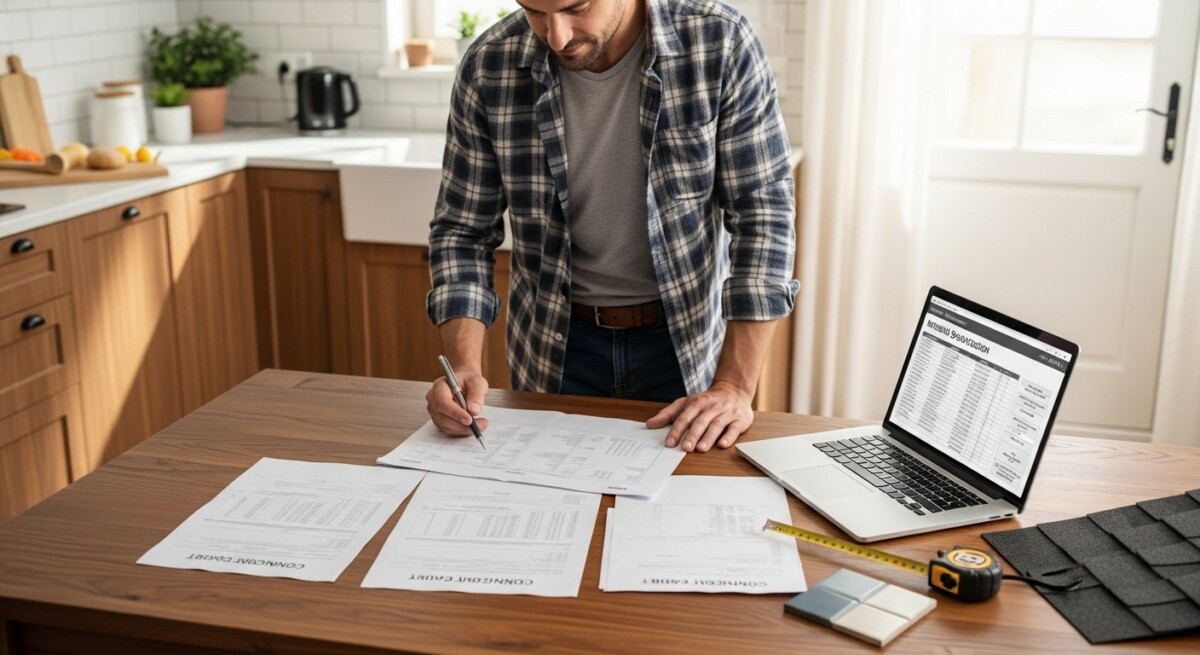
Create a spreadsheet listing each contractor’s price for materials, labor, permits, disposal, and contingency. Compare the scope of work, not just the total price. In our article on how to compare contractor estimates for your home project, we provide a step-by-step comparison method.
Understanding how accurate contractor estimates are is the first step toward a successful home improvement project. When you know what to look for, you can spot red flags, ask better questions, and choose a contractor who delivers quality work at a fair price. Don’t let confusion or fear of a high cost delay necessary repairs or upgrades. The sooner you gather estimates, the sooner you can move forward with confidence. For a deeper dive into the process, read our guide on how to get accurate contractor estimates for your home project. Start by requesting three detailed quotes, compare them carefully, and invest in professional work that protects your home and your peace of mind.