What Is a Change Order in Construction? A Homeowner Guide
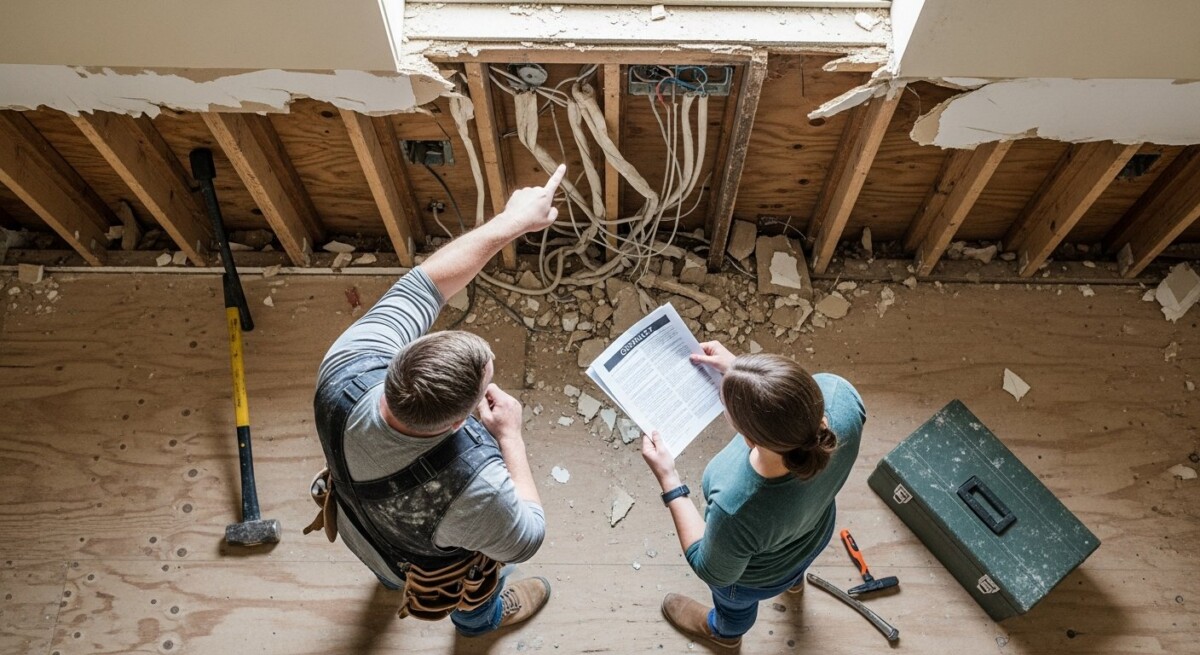
You planned a kitchen renovation with a clear budget, signed the contract, and watched the crew start demolition. Then the project manager calls with unexpected news: the electrical panel needs an upgrade, or the wall you wanted to remove is load-bearing. Suddenly your timeline and budget feel uncertain. This is exactly when homeowners ask, what is a change order in construction and how it affects their project.
A change order is a formal document that modifies the original contract between you and your contractor. It outlines any changes in scope, cost, or schedule that arise after work begins. Many homeowners first encounter change orders when hidden problems surface,like outdated wiring, water damage behind tiles, or structural issues that were invisible during the initial walkthrough. Ignoring these changes can lead to incomplete work, safety hazards, or even a stalled project.
Understanding what is a change order in construction helps you protect your investment and avoid surprise costs. This article explains how change orders work, why they matter for your home, and how to handle them confidently. If you are planning any remodeling or repair project, knowing this process keeps you in control.
Understanding what is a change order in construction
A change order is simply a written agreement that adjusts the original contract. It might add new work, remove tasks, change materials, or extend the timeline. For example, if you decide to install custom cabinetry instead of stock cabinets halfway through a kitchen remodel, the contractor drafts a change order that reflects the new cost and delivery schedule.
Change orders happen for many reasons. Sometimes homeowners change their minds about finishes or layout. Other times, contractors discover unexpected conditions,like mold behind drywall or outdated plumbing,that require immediate attention. Older homes, especially those built before the 1980s, are more likely to produce surprises that lead to change orders. Even a straightforward bathroom renovation can reveal rot or improper wiring once walls are opened.
Any home can be affected, but projects involving structural changes, additions, or extensive renovations carry higher risk. Homes with multiple previous owners or DIY repairs often hide problems that only surface during professional work. The key is understanding that a change order is not a penalty,it is a tool for keeping your project safe, legal, and aligned with your vision.
How change orders protect both you and the contractor
A properly written change order prevents misunderstandings. It documents exactly what will be done, how much it costs, and how long it will take. Both you and the contractor sign it, so everyone agrees on the new scope. This protects you from unexpected charges and protects the contractor from scope creep,where extra work piles up without payment. In our guide on what is a change order in construction, we explain the legal importance of getting every change in writing.
Why this matters for your home
Ignoring the need for a change order can create real problems for your home and your wallet. If a contractor performs unapproved extra work and bills you later, you may face disputes, liens, or legal fees. Worse, skipping necessary changes,like reinforcing a beam or replacing corroded pipes,can leave your home unsafe or uninsurable.
Property damage is another risk. For instance, if a contractor discovers a small roof leak during a siding replacement but does not issue a change order to fix it, that leak can spread, rotting wood and damaging insulation. What started as a $200 repair becomes a $2,000 problem. Comfort also suffers: a change order that properly seals and insulates an addition keeps your home warm in winter and cool in summer, while ignoring it leads to drafts and high energy bills.
Delaying necessary change orders often increases costs over time. Materials prices rise, contractors become busy, and small issues grow into major repairs. Addressing changes promptly through a formal change order keeps your project on track and your home protected.
If you notice signs of this issue in your home, it may help to speak with a qualified contractor. Request a free quote or call to explore your repair or remodeling options.
Common problems homeowners experience
Change orders typically arise from a few recurring scenarios. One of the most common is discovering outdated or unsafe systems behind walls. When a contractor opens up a wall during a bathroom remodel and finds corroded galvanized pipes, they cannot simply ignore it,they must issue a change order to replace the pipes before closing the wall again.
Another frequent issue is structural surprises. A homeowner wants to remove a wall to create an open floor plan, only to learn it is load-bearing. The change order then covers engineering, beam installation, and temporary supports. Similarly, flooring projects often reveal subfloor damage from old leaks, requiring a change order for repairs before new flooring goes down.
- Outdated electrical panels that cannot support new appliances or lighting
- Water damage, mold, or rot hidden behind walls, floors, or ceilings
- Asbestos or lead paint requiring specialized abatement before work continues
- Incorrect measurements or unanticipated layout changes that shift the scope
- Material shortages or discontinued products that force substitutions
- Permit or code requirements that demand additional work, like fire blocking or seismic retrofitting
These situations are not signs of a bad contractor,they are realities of home construction. The best contractors anticipate some surprises and communicate them clearly through change orders.
How professionals solve the problem
Experienced contractors handle change orders as a routine part of project management. They do not spring surprises on you; instead, they explain the issue, provide options, and draft a clear change order for your approval. A professional approach keeps the project moving while protecting your interests.
The typical process for managing a change order includes several steps. First, the contractor identifies the issue and explains why the change is necessary. Second, they provide a written description of the new work, including materials and labor. Third, they update the timeline and cost, often including a breakdown. Fourth, you review and sign the change order before any additional work begins. Finally, the contractor proceeds with the approved changes and adjusts the final invoice accordingly.
- Discovery: The contractor finds an unexpected condition or you request a change.
- Evaluation: The contractor assesses the impact on cost, schedule, and quality.
- Documentation: A formal change order is written with clear scope, price, and timeline.
- Approval: You sign the change order, giving permission to proceed.
- Execution: The contractor completes the new work and updates project records.
Professional work is safer and more reliable than DIY fixes because contractors carry insurance, follow building codes, and use proper techniques. A change order ensures that any extra work meets the same standards as the original contract. Without it, unapproved modifications can void warranties, fail inspections, or create liability issues.
A professional inspection can reveal hidden issues before they become expensive repairs. Compare contractor quotes here or call to discuss your project.
Warning signs you should not ignore
Some warning signs suggest that change orders may be coming,or that you need one immediately. Pay attention when a contractor hesitates to put extra work in writing. If they say, “We’ll just handle it and figure out the cost later,” that is a red flag. Always insist on a written change order before proceeding.
Other signs include unexplained delays, budget overruns that appear without documentation, or a contractor who discovers problems but does not offer a formal change order. As a homeowner, you should also watch for signs of hidden damage: musty smells, soft spots in floors, cracks in walls, or water stains. These often indicate issues that will require a change order once uncovered.
- The contractor mentions “unforeseen conditions” but has not provided a written change order
- You notice cracks, stains, or sagging in areas near the work zone
- Your project timeline stretches without a clear explanation
- The contractor asks for payment for extra work without a signed change order
- You want to change finishes, fixtures, or layout after construction has started
- Your permit inspection reveals code violations that require additional work
Early action can prevent larger problems. If you see any of these signs, pause the work and request a written change order. This keeps your project legal, safe, and within your control.
What affects the cost of repairs or installation
The cost of a change order depends on several factors. Size matters: replacing a single outlet is cheap, but upgrading an entire electrical panel costs hundreds or thousands. Materials also play a role,custom tiles or specialty fixtures cost more than standard options. Labor rates vary by region and trade, with licensed electricians or plumbers charging higher rates than general laborers.
Accessibility is another key factor. If the work requires cutting into finished walls, moving furniture, or working in tight crawlspaces, the cost goes up. The age of your home also influences price: older homes may have obsolete systems, hazardous materials, or non-standard dimensions that require custom solutions. Finally, urgency can increase cost if the change order requires expedited shipping or overtime labor.
Costs can vary depending on the condition of your home. The best way to know the price is to get a personalized estimate. Request free quotes from contractors or call today.
How to choose the right contractor
Choosing a contractor who handles change orders professionally is essential for a smooth project. Look for someone who communicates clearly, provides written estimates, and has a process for managing changes. A good contractor will walk you through the change order process before you sign the original contract, so you know what to expect.
Start by asking for referrals from friends or neighbors who have completed similar projects. Then interview at least three contractors and compare their approaches. Pay attention to how they answer questions about change orders,if they dismiss the topic or say “it never happens,” that is a warning sign. The best contractors acknowledge that surprises are possible and have a clear system for handling them.
- Verify the contractor’s license, insurance, and bonding with your state licensing board
- Read online reviews on Google, Yelp, or the Better Business Bureau
- Ask for detailed written estimates that include potential change order scenarios
- Compare quotes from at least three contractors to understand market pricing
- Confirm the contractor has experience with projects similar to yours, especially in older homes
Taking these steps reduces the chance of disputes and ensures your contractor is prepared to handle whatever your home reveals.
Long-term benefits of professional work
Hiring a professional contractor who manages change orders correctly delivers lasting benefits. Your home will be safer because all work meets current building codes and industry standards. Durability improves because hidden problems are fixed properly, not just covered up. Energy efficiency gains from proper insulation, sealing, and system upgrades reduce your monthly utility bills.
Your home’s value also increases. A well-documented project with proper change orders shows future buyers that renovations were done correctly, with no shortcuts. This transparency can speed up a sale and justify a higher asking price. Finally, professional work reduces future maintenance: fixing a small leak during a remodel prevents a major roof or floor repair five years down the road.
Investing in professional management of change orders gives you peace of mind. You know the project is done right, the budget is controlled, and your home is protected for years to come.
What happens if a change order is not signed?
If a change order is not signed, the contractor is not legally obligated to perform the extra work. You may end up with unfinished or disputed work, and the contractor could file a mechanic’s lien against your property to recover costs. Always sign change orders before any extra work begins to avoid these risks.
Can I say no to a change order?
Yes, you can refuse to sign a change order. However, if the change is necessary for safety or code compliance, the contractor may need to stop work until you agree. Refusing a necessary change order can leave your project incomplete or unsafe. Discuss alternatives with your contractor before rejecting a change order outright.
How much do change orders typically cost?
Change order costs vary widely based on the scope of work. Minor changes like swapping a light fixture might cost $100,$300, while structural changes can run $1,000,$5,000 or more. The contractor should provide a detailed breakdown of materials, labor, and any additional fees before you sign.
Are change orders normal in remodeling?
Yes, change orders are very common in remodeling, especially in older homes. Industry surveys show that most renovation projects involve at least one change order. They are not a sign of poor planning,they reflect the reality that homes often hide surprises behind walls, under floors, or inside mechanical systems.
Should I include a contingency in my budget for change orders?
Absolutely. Most experts recommend setting aside 10%,20% of your total project budget for unexpected changes. This contingency gives you financial flexibility to approve necessary change orders without stress. If no change orders arise, you can use the contingency for upgrades or keep it as savings.
How do I prevent unnecessary change orders?
You can reduce change orders by planning thoroughly before work begins. Choose all finishes, fixtures, and materials upfront. Hire a designer or architect to create detailed plans. Have the contractor inspect the home before signing the contract. Even with careful planning, some surprises are unavoidable, but good preparation minimizes them.
What should a change order include?
A proper change order includes a description of the new work, the cost (itemized if possible), the impact on the project timeline, and signatures from both you and the contractor. It should reference the original contract and be dated. Never accept a verbal change,always get it in writing.
Can a contractor force me to sign a change order?
No, a contractor cannot force you to sign a change order. You have the right to refuse, negotiate, or seek a second opinion. However, if the change is required by code or safety, the contractor may be unable to proceed without it. In that case, you may need to accept the change or pause the project to explore alternatives.
Understanding what is a change order in construction empowers you to manage your home improvement project with confidence. Change orders are not something to fear,they are a normal part of remodeling that protects your home, your budget, and your relationship with your contractor. By planning ahead, setting aside a contingency, and working with a professional who communicates clearly, you can navigate changes smoothly. If you are starting a project or facing unexpected issues, comparing contractor quotes gives you the information you need to make smart decisions. Take the next step today and get your project moving in the right direction.