
What Happens If Your Contractor Abandons Your Project
A guide for homeowners on what happens if a contractor abandons a project, covering risks, solutions, and how to hire a professional to finish the job.
By Alexia Mabel
Learn more about Home Inspection for guides, costs, and what to expect.
Compare Home Inspection Pros Near You

Enter your ZIP code to compare top-rated local professionals and request free quotes.
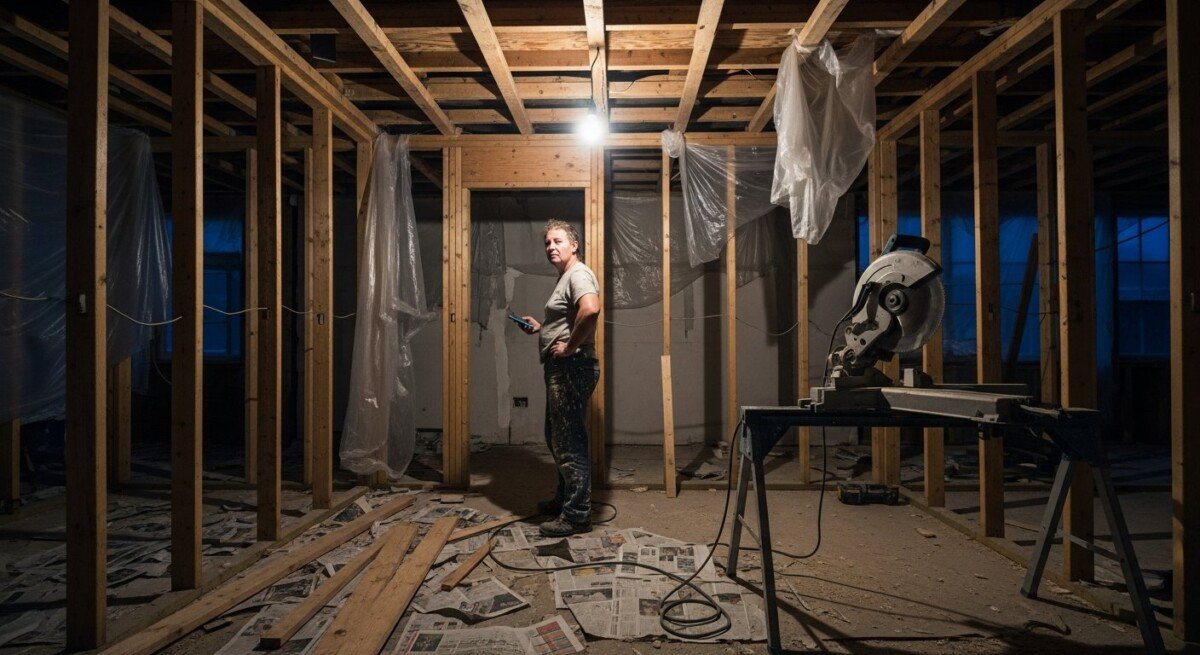
You came home to a silent, dusty worksite. The tools are gone, the crew hasn’t shown up for days, and your calls go straight to voicemail. A sinking feeling hits,your contractor has vanished, leaving your home in disarray. This scenario, known as contractor abandonment, is a homeowner’s nightmare. It leaves you with a half-finished renovation, exposed structures, and a growing list of unanswered questions. Ignoring this situation can lead to serious property damage, safety hazards, and a financial hole that gets deeper every day.
Understanding What Happens If Contractor Abandons Project
Contractor abandonment occurs when a hired professional stops work on your project without notice, explanation, or legal justification, and refuses to return to complete the job. They essentially walk away from their contractual obligations, leaving you holding the bag. This is different from a temporary delay due to weather or material shortages, which involves communication and a planned return.
This can happen for many reasons. The contractor may have become financially insolvent, taken on too many jobs, had a falling out with their crew, or simply mismanaged their schedule. Sometimes, they discover unforeseen complications in your project that they didn’t budget for and choose to cut their losses. Regardless of the reason, the result is the same: your home is left in a vulnerable, incomplete state.
Which Projects Are Most at Risk?
While abandonment can happen on any job, larger, more complex, and costly renovations are particularly vulnerable. Projects like whole-house remodels, room additions, or major kitchen and bathroom overhauls require significant time and capital. If a contractor underprices the job or fails to manage cash flow, they may run out of money before finishing, leading them to abandon the site.
Why This Matters for Your Home
An abandoned project is far more than an inconvenience. It’s an active threat to your property’s integrity, safety, and value. An unfinished space often means exposed wiring, unsealed openings, and incomplete structural elements. These conditions invite further damage and create immediate dangers for your family.
Every day the project sits unfinished, the potential for costly secondary damage increases. An open wall can let in moisture, leading to mold. An incomplete roof or window installation can cause water intrusion and rot. The longer you wait to address the situation, the more expensive and complex the eventual fix will become. Protecting your investment means taking swift, decisive action.
If you notice signs of this issue in your home, it may help to speak with a qualified contractor. Request a free quote or call to explore your repair or remodeling options.
Common Problems Homeowners Experience
When a contractor disappears, the problems they leave behind are both practical and stressful. You’re often stuck with a home that is partially demolished and completely non-functional. The kitchen you can’t cook in or the bathroom you can’t use becomes a daily reminder of the stalled project.
Beyond the obvious disruption, hidden issues begin to surface. You might discover that the work that was done is substandard or not up to code, which a new contractor will have to fix before moving forward. Furthermore, you may have already paid for materials or labor that were never delivered or completed, putting your finances in a difficult spot. Understanding contractor pricing for home projects from the start can sometimes help you spot red flags in estimates that seem too good to be true.
- Exposed Structures: Open walls, uncovered electrical wiring, and unprotected plumbing.
- Weather Damage: Incomplete roofing, siding, or windows allowing water and pests inside.
- Code Violations: Work that doesn’t meet local building codes, requiring costly re-dos.
- Financial Loss: Payments made for unfinished work or materials never delivered.
- Lost Time: Months of planning and living in disruption with nothing to show for it.
- Permit Problems: Open permits that can halt all work and lead to fines from your city or county.
How Professionals Solve the Problem
A reputable, experienced contractor can step into a chaotic situation and create order. Their first priority is to conduct a thorough assessment to stabilize your home and prevent further damage. They understand the urgency and have the expertise to navigate the complexities left behind by the previous worker.
The process involves more than just picking up where the last person left off. A professional will meticulously evaluate the quality of the existing work, ensure everything is safe and up to code, and then develop a clear plan to complete the project correctly. This approach protects you from future problems and ensures your finished space is safe, durable, and beautiful.
- Site Assessment & Stabilization: They secure the site, cover openings, and address any immediate safety hazards like exposed wiring.
- Forensic Review: They inspect all completed work for quality and code compliance, documenting what can be saved and what must be redone.
- Plan Development: They create a detailed, transparent plan and estimate to complete the project, explaining the scope and costs clearly.
- Permit Resolution: They work with local building departments to resolve any open permits or inspections.
- Quality Completion: They execute the plan with skilled labor, proper materials, and clear communication until your project is finished to standard.
A professional inspection can reveal hidden issues before they become expensive repairs. Compare contractor quotes here or call to discuss your project.
Warning Signs You Should Not Ignore
Sometimes, abandonment doesn’t happen overnight. There are often warning signs that a contractor is in over their head or about to disappear. Paying attention to these red flags can give you time to protect yourself and your project before you’re left completely stranded.
If you notice a pattern of excuses, disappearing crew members, or a sudden lack of communication, it’s time to be proactive. Addressing concerns early can sometimes prevent full abandonment or, at the very least, put you in a better position to seek legal recourse or hire a replacement. This is also why you need insured contractors from the outset, as their insurance provides a layer of protection if they fail to complete the work.
- Chronic Delays: Consistent, unexplained slowdowns or days with no crew on site.
- Communication Breakdown: Your calls and texts go unanswered for long periods.
- Frequent Payment Requests: Asking for more money upfront or for phases not yet completed.
- Subcontractor Complaints: Hearing that sub-contractors or suppliers haven’t been paid.
- Declining Work Quality: A noticeable drop in the care and skill of the work being performed.
- Empty Promises: Constant reassurances with no visible progress or change.
What Affects the Cost of Repairs or Completion
The cost to rescue and complete an abandoned project is almost always higher than the original bid. This is because the new contractor must first invest time and labor in diagnosing and fixing any poor workmanship. They are essentially doing two jobs: remediation and completion.
Several key factors influence the final price. The extent of the damage or poor work left behind is the biggest variable. The complexity of the original project and the cost of materials also play major roles. Furthermore, the new contractor assumes more risk by taking over a troubled project, which may be reflected in their estimate.
Costs can vary depending on the condition of your home. The best way to know the price is to get a personalized estimate. Request free quotes from contractors or call today.
How to Choose the Right Contractor
After one bad experience, choosing the next contractor is critical. You need a professional who is not only skilled but also trustworthy and communicative. This decision will determine whether your project finally gets completed smoothly or if you face another round of headaches.
Take your time with the selection process. Look for a contractor who listens to your concerns, asks detailed questions about the existing situation, and provides a straightforward, written plan. A trustworthy professional will be transparent about the challenges and costs involved in finishing someone else’s work.
- Verify Licenses and Insurance: Confirm they are currently licensed, bonded, and carry both liability and workers’ compensation insurance.
- Check References and Reviews: Look for reviews specifically about problem-solving, communication, and finishing complex jobs.
- Ask for a Detailed, Written Estimate: The estimate should clearly separate costs for remediation from costs for new completion work. Our guide on how to get accurate contractor estimates can help you know what to look for.
- Compare Multiple Quotes: Get at least three detailed estimates to understand the market rate for your specific salvage project.
- Assess Communication Style: Choose someone who is responsive, clear, and makes you feel confident and informed.
Long-Term Benefits of Professional Work
Hiring a true professional to complete an abandoned project does more than just finish the job. It restores your peace of mind and protects the long-term value of your home. Quality workmanship ensures the renovation will last for years, function properly, and be a source of pride, not stress.
Properly completed work also enhances your home’s safety and efficiency. It meets building codes, uses materials correctly, and is finished with an eye for detail. This not only prevents future maintenance nightmares but also increases your property’s resale value. A well-done renovation is an investment that pays off both now and in the future.
What are my first steps if my contractor abandons my project?
First, document everything. Take photos and videos of the worksite, save all contracts and communication, and note the last day of work. Second, send a formal letter (via certified mail) to the contractor’s business address, stating they are in breach of contract and demanding a timeline for completion. Finally, consult with a new, reputable contractor for an assessment and begin the process of comparing quotes to finish the job.
Can I sue the contractor who abandoned my project?
Yes, you can pursue legal action for breach of contract. The success of a lawsuit depends on your contract terms, your documentation, and the contractor’s assets. Often, the time and cost of litigation exceed the potential recovery, especially if the contractor is insolvent. Your priority should be mitigating damage to your home by hiring a new professional.
Will my homeowner’s insurance cover an abandoned project?
Typically, no. Homeowner’s insurance covers sudden, accidental damage (like a fire or burst pipe), not poor workmanship or contractor failure. However, if the abandonment led to a covered peril,like water damage from an unfinished roof,that specific damage might be covered. You should always review your policy and call your agent.
What if I already paid the contractor in advance?
This is a difficult situation. If you’ve paid for work not completed, you may be considered an unsecured creditor. You can report the contractor to your state’s licensing board and consumer protection agency, and you may need to pursue them in small claims court. For future projects, always use a payment schedule tied to completed milestones.
How can I avoid hiring a contractor who might abandon my job?
Thorough vetting is your best defense. Check licensing, insurance, and multiple references. Avoid the lowest bid if it seems unrealistic. Use a detailed contract with a clear payment schedule (never pay the full amount upfront). Trust your instincts,if something feels off during the initial meetings, it likely is.
How long should I wait before considering a project abandoned?
There’s no set rule, but if work has completely stopped for 7-10 days with no communication from the contractor despite your attempts to reach them, it’s a major red flag. Check your contract for a “time is of the essence” clause or a projected completion date. Unexplained silence is often the clearest sign of trouble.
Dealing with an abandoned project is incredibly stressful, but it’s a problem that can be solved. The key is to act quickly to protect your home from further damage and to engage a qualified professional who can assess the situation and provide a clear path forward. By taking control of the process and choosing your next contractor with care, you can turn a negative experience into a successfully finished renovation that you can finally enjoy. The best next step is to gather information,start by comparing detailed quotes from reputable contractors who specialize in remediation and completion work.
Learn more about Home Inspection for guides, costs, and what to expect.
Compare Home Inspection Pros Near You
Enter your ZIP code to compare top-rated local professionals and request free quotes.