
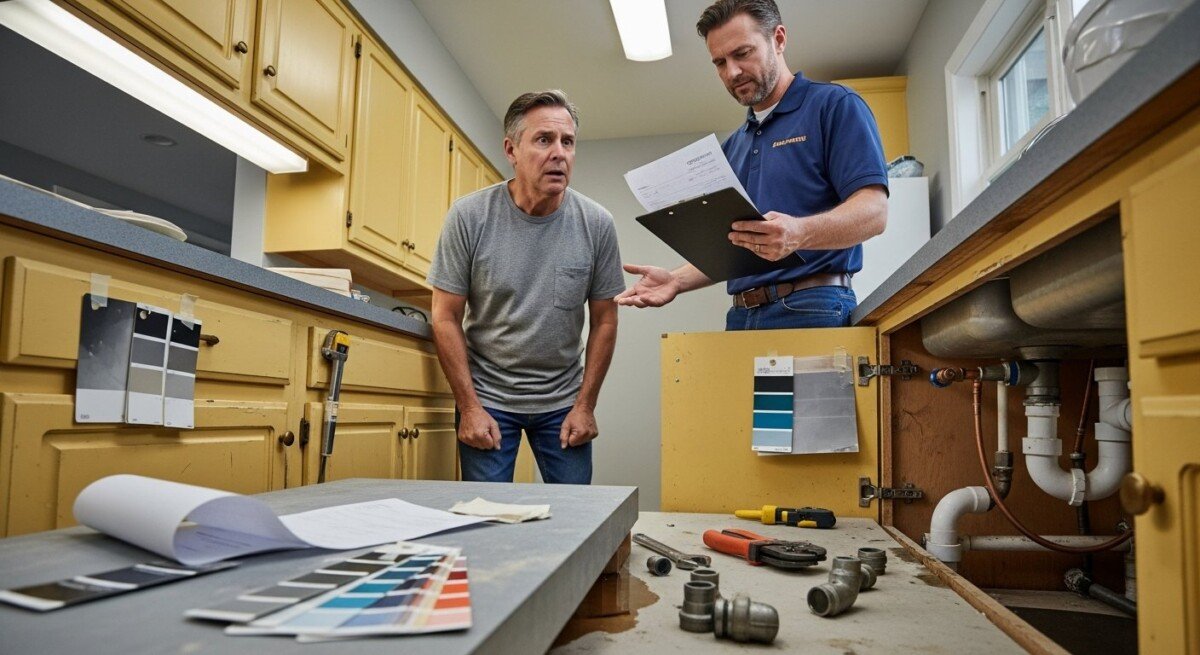
What Happens If a Contractor Exceeds Their Estimate
A guide for homeowners on what to do if a contractor’s final bill exceeds the original estimate, covering causes, solutions, and how to protect your budget.
By Alexia Mabel
Learn more about Exterior Painting for guides, costs, and what to expect.
Compare Exterior Painting Pros Near You

Enter your ZIP code to compare top-rated local professionals and request free quotes.
You hire a contractor with a clear, agreed-upon price for your home project. A few weeks in, they hand you a bill that’s significantly higher than the original quote. Your stomach drops. This frustrating scenario, where a contractor exceeds their estimate, is a common and stressful experience for homeowners. It can strain your budget, damage trust, and leave you feeling powerless. Ignoring the issue or simply paying up can set a dangerous precedent and lead to financial strain, but understanding your options can help you navigate the situation effectively and protect your investment.
Understanding What Happens If a Contractor Exceeds Estimate
When a contractor exceeds their estimate, it means the final project cost is higher than the price you were initially quoted. This isn’t just a minor overage on materials; it’s a substantial increase that wasn’t part of the original agreement. It disrupts your financial planning and can create significant conflict.
This situation happens for several reasons. Sometimes, unexpected problems are discovered behind walls or under floors once work begins. Other times, it can stem from poor initial planning, underestimating labor, or a change in the project’s scope that wasn’t properly documented. In less ideal cases, it might be a tactic used by unscrupulous contractors.
While any homeowner can face this, it’s more common in complex projects like whole-house remodels, older home renovations where hidden issues are likely, or when working without a detailed, fixed-price contract. The key is whether the overage is justified or a breach of your agreement.
Why This Matters for Your Home
An exceeded estimate isn’t just a budget problem. It can directly impact your home and your peace of mind. If you feel pressured to pay for unexpected costs, you might be tempted to cut corners elsewhere or delay other important maintenance, which can lead to bigger issues down the line.
Financially, a major overage can drain savings meant for other purposes. It can also create safety risks if you’re forced to accept cheaper, substandard materials or rushed work to stay within a strained budget. The stress and conflict can turn what should be an exciting improvement into a negative experience, affecting your comfort in your own home.
Furthermore, how this situation is handled sets the tone for the entire project. Allowing unjustified overages can lead to more “surprise” costs, while addressing it firmly and fairly ensures the work is completed to the original standard you agreed to pay for.
If you notice signs of this issue in your home, it may help to speak with a qualified contractor. Request a free quote or call to explore your repair or remodeling options.
Common Problems Homeowners Experience
Homeowners dealing with an exceeded estimate often face a cascade of related problems. The initial shock of the higher bill is just the beginning. You may feel stuck, unable to stop the project midway but also unable to afford its new direction.
Common issues include disputes over what was included in the original price, pressure to make quick decisions about cost-cutting changes, and a breakdown in communication with the contractor. The project may stall completely if you refuse to pay the extra amount, leaving your home in disarray. For a deeper look at what should be included from the start, our resource on getting accurate contractor estimates breaks down the essentials.
- Scope Creep: The project gradually expands beyond the initial plan, with small additions adding up to a big cost.
- “While We’re Here” Upsells: The contractor suggests additional, often costly, work once demolition has begun and you’re more vulnerable.
- Unforeseen Conditions: Legitimate hidden issues like rotten framing, outdated wiring, or mold are found.
- Underestimated Labor: The time and crew needed for the job were miscalculated in the original quote.
- Material Price Increases: The cost of lumber, tiles, or other supplies rises between the quote and the purchase.
- Poor Communication: Changes aren’t documented with written change orders, leading to confusion about what was approved.
How Professionals Solve the Problem
A reputable contractor has systems in place to prevent estimate overruns and clear processes for handling the unexpected. Their goal is a smooth project with no financial surprises, which builds their reputation and your trust. They understand that transparency is key to a successful client relationship.
The solution starts long before the first swing of a hammer. It begins with a thorough initial inspection and a detailed, fixed-price contract that outlines exactly what is and isn’t included. When unforeseen issues arise, ethical professionals present a clear change order,a written document describing the new work, its cost, and requiring your signature before proceeding.
- Detailed Assessment: A professional starts with a comprehensive evaluation of the project area to identify as many potential variables as possible.
- Clear Contract: They provide a contract with a fixed price, detailed scope of work, material specifications, and a payment schedule tied to milestones.
- Change Order Process: Any deviation from the plan is formalized in a written change order that you must approve, preventing “he said, she said” disputes.
- Open Communication: They maintain regular updates, so you’re never blindsided by a problem or a bill.
- Contingency Planning: Many include a small contingency percentage in the initial estimate for true unknowns, managing expectations from the start.
A professional inspection can reveal hidden issues before they become expensive repairs. Compare contractor quotes here or call to discuss your project.
Warning Signs You Should Not Ignore
Often, the signs that an estimate might be exceeded appear early. Paying attention to these red flags can help you address concerns before you’re financially committed or in too deep. Your contractor’s approach during the quoting phase is a strong indicator of how the project will go.
If a quote seems surprisingly low compared to others, it may be a “low-ball” tactic to win the job, with the intent to add costs later. Vague language and reluctance to put details in writing are major warning signs. A trustworthy contractor welcomes questions and provides clarity. Understanding the breakdown of costs, especially labor, is crucial. Our guide on understanding construction labor cost estimates can help you spot unrealistic numbers.
- Vague or Verbal-Only Estimates: The quote lacks itemized details and isn’t provided in a formal written document.
- High-Pressure Sales Tactics: You’re pushed to sign quickly with a “today-only” discount.
- Reluctance to Sign a Detailed Contract: The contractor dismisses the need for a formal agreement as unnecessary paperwork.
- No Process for Changes: They haven’t explained how additional work or problems will be handled and priced.
- Requests for Large Upfront Payments: Asking for more than 10-30% down before work begins can be a risk.
- Dismissing Your Questions: If your requests for clarification are met with annoyance or vague answers, proceed with caution.
What Affects the Cost of Repairs or Installation
Several legitimate factors can influence the final cost of a project, which is why detailed estimates are so important. A professional contractor will identify and discuss these variables upfront, so you understand where potential fluctuations could occur. This transparency is the hallmark of a reliable professional.
The age and condition of your home are primary factors. Older homes are more likely to have hidden surprises like knob-and-tube wiring or plaster walls. The project’s complexity and accessibility also play a role. A simple bathroom update costs less than moving plumbing lines or dealing with a second-story addition with limited access.
Costs can vary depending on the condition of your home. The best way to know the price is to get a personalized estimate. Request free quotes from contractors or call today.
How to Choose the Right Contractor
Selecting the right professional is your best defense against estimate overruns. It requires more than just picking the lowest bid. It’s about finding a communicator who values transparency and has a proven track record of finishing projects on budget. This due diligence pays off in peace of mind.
Start by seeking recommendations from people you trust and reading verified online reviews. Look for patterns in feedback,specifically comments about budgeting, communication, and cleanliness. When you meet with potential contractors, come prepared with a list of questions about their process for handling unforeseen issues. For specific project types, like outdoor living spaces, seek specialists. For example, a deck building contractor estimate should include specific material grades and structural details.
- Verify Licenses and Insurance: Always check that they are properly licensed for your area and carry both liability and workers’ compensation insurance.
- Review Past Work and References: Ask for photos of completed projects and talk to past clients about their experience, especially regarding budget.
- Get Multiple Detailed Estimates: Obtain at least three written, itemized bids to compare scope and price fairly.
- Examine the Contract Closely: Ensure it includes the project timeline, payment schedule, specific materials, and a clear change order process.
- Trust Your Instincts: Choose someone you feel comfortable communicating with, as you’ll be working with them closely.
Long-Term Benefits of Professional Work
Investing in a professional who provides and sticks to a reliable estimate offers benefits that last long after the project is complete. It’s not just about avoiding an argument today; it’s about protecting your home’s value and your family’s safety for years to come. Quality workmanship pays dividends.
Properly executed work ensures safety, meets building codes, and uses materials correctly. This durability means you won’t face costly repairs or re-dos in a few years. Furthermore, professional improvements can increase your home’s market value and appeal, providing a return on your investment if you ever decide to sell.
You’ll also enjoy greater energy efficiency from properly installed windows, insulation, or HVAC systems, leading to lower utility bills. Ultimately, the greatest benefit is peace of mind,knowing the job was done right, for the price you agreed to, allowing you to fully enjoy your improved home.
Can a contractor legally charge more than the estimate?
It depends on your agreement. If you signed a fixed-price contract for a specific scope of work, they generally cannot charge more unless you approve a change order for additional work. If the estimate was non-binding or very vague, they may have more leeway. The type of contract is critical.
What should I do if my contractor asks for more money?
First, ask for a detailed, written explanation and a formal change order. Compare it to your original contract. If the new work is due to a hidden pre-existing condition, it may be legitimate. If it’s for work already in the original scope, politely refer them to the contract and decline to pay the extra amount.
How can I prevent cost overruns before hiring?
Get multiple detailed, written estimates. Choose a fixed-price contract over time-and-materials. Have a contingency fund of 10-20% for true unknowns. Ensure the contract includes a clear change order process. Thoroughly discuss the project scope to minimize “while we’re here” surprises later.
What is a change order and when is it used?
A change order is a written amendment to the original contract. It’s used any time the project scope, timeline, or cost changes. It should describe the new work, the adjusted cost (or credit), and require your signature before the contractor proceeds. Never approve changes verbally.
Should I ever pay a contractor upfront?
A small deposit to secure materials and schedule the job is standard, often 10-30% of the total. Be wary of requests for 50% or more upfront. Payments should be tied to completed project milestones, with a final payment due only after you are fully satisfied with the work.
What if I can’t afford the extra cost the contractor demands?
Communicate this immediately. Discuss if the project can be scaled back to the original scope or if less expensive material alternatives exist. If the overage is due to their error in the initial estimate, it may be their responsibility. If an impasse occurs, consult with a lawyer or your state’s contractor licensing board.
Is a higher estimate always a bad sign?
Not necessarily. A higher, detailed estimate may reflect better-quality materials, more thorough labor calculations, or inclusion of items others omitted. The key is the detail and justification provided. The cheapest estimate often ends up being the most expensive due to cost overruns and poor quality.
Dealing with a contractor who exceeds their estimate is a challenging situation, but being an informed homeowner is your strongest tool. By understanding the causes, recognizing warning signs, and knowing how to choose a reputable professional, you can protect your budget and your home. The best course of action is always to address concerns early, communicate clearly, and get everything in writing. If you’re planning a project, start by comparing detailed quotes from several trusted contractors to ensure clarity and confidence from the very beginning.
Learn more about Exterior Painting for guides, costs, and what to expect.
Compare Exterior Painting Pros Near You
Enter your ZIP code to compare top-rated local professionals and request free quotes.