Understanding Your Contractor Estimate in Houston, Texas
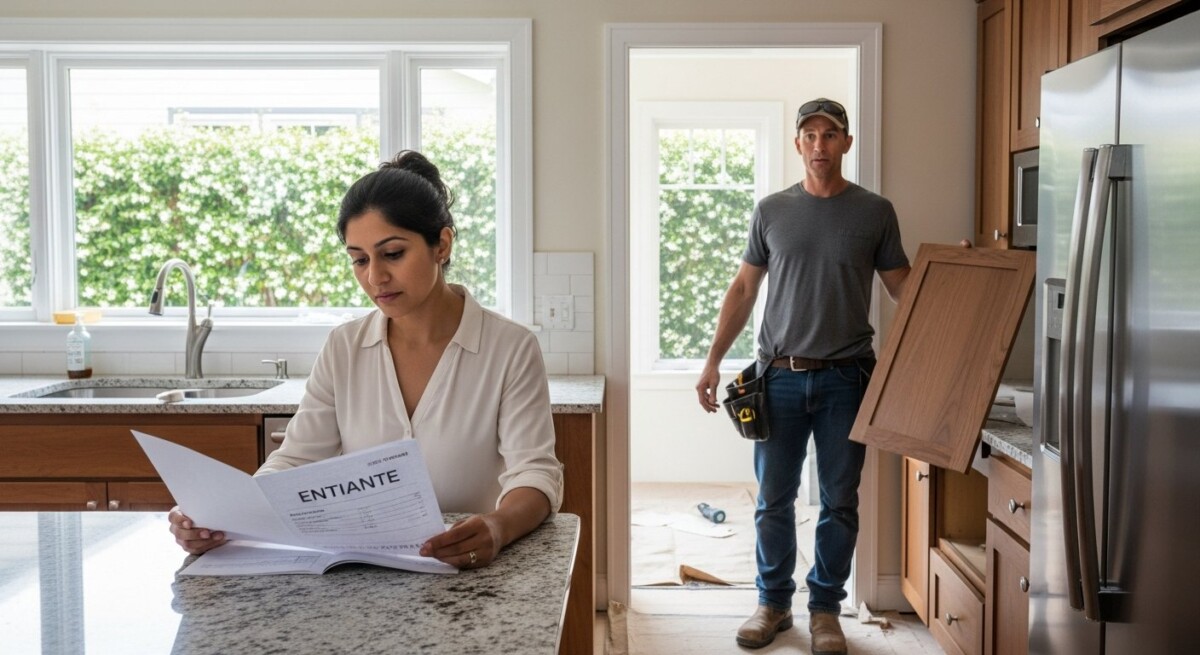
You’ve finally decided to tackle that home renovation or repair project you’ve been thinking about for months. Maybe it’s a kitchen update, a new roof, or fixing water damage from the last big Houston storm. You start calling contractors, and soon you have a few estimates in hand. But as you look at the numbers, the scope of work, and the different materials listed, you feel a wave of confusion. What are you really paying for? Is this a fair price? Getting a clear, detailed contractor estimate in Houston, Texas is your first and most important step toward a successful project, but understanding it is what protects your home and your wallet.
Understanding Contractor Estimate Houston Texas
A contractor estimate is much more than just a price tag. It’s a detailed proposal that outlines what the project will entail, the materials to be used, the labor involved, and the total expected cost. Think of it as a roadmap for your home improvement journey.
In Houston, estimates need to account for our unique local factors. This includes our climate, which demands specific materials for heat and humidity, and our soil conditions, which can affect foundation work. A professional estimate translates your vision into a concrete plan with clear costs.
What Makes a Houston Estimate Different?
Local contractors understand the permitting process with the City of Houston and Harris County. They know which materials hold up best to our summer heat and occasional flooding. A good estimate will reflect this local expertise, ensuring your project is built to last in our specific environment.
Why This Matters for Your Home
An accurate, thorough estimate is your primary tool for preventing budget overruns and project nightmares. It sets clear expectations for both you and the contractor, reducing the chance of misunderstandings or surprise charges later on.
Without a proper estimate, you risk incomplete work, the use of subpar materials, or projects that drag on far longer than planned. This can lead to living in a construction zone for months, unnecessary stress, and ultimately, a lower-quality result for your home.
If you notice signs of this issue in your home, it may help to speak with a qualified contractor. Request a free quote or call to explore your repair or remodeling options.
Common Problems Homeowners Experience
Many homeowners in Houston face similar frustrations when dealing with contractor estimates. The most common issue is receiving a vague, one-page quote with just a bottom-line number and no breakdown. This leaves you with no way to compare bids apples-to-apples or understand what you’re actually paying for.
Other problems arise when unexpected costs pop up mid-project because the initial estimate didn’t account for everything. This often happens with older homes where issues like rotten wood or outdated wiring are hidden behind walls and only discovered once work begins.
- Vague or incomplete cost breakdowns with no line-item details.
- Surprise fees for permits, disposal, or unforeseen problems discovered during demolition.
- “Low-ball” bids that seem too good to be true, often leading to cost overruns later.
- Estimates that don’t specify brands, grades, or quantities of materials.
- No clear project timeline or payment schedule included.
- Lack of clarity on what is and isn’t included, like who handles cleanup or material delivery.
How Professionals Solve the Problem
A reputable Houston contractor solves these problems by providing a comprehensive, transparent estimate. They take the time to understand your goals, thoroughly assess your home, and document every aspect of the project before a single nail is hammered. This professional approach turns an ambiguous idea into a clear, executable plan.
They build contingencies for common Houston issues, like potential water damage or foundation adjustments, so you’re not blindsided. Their expertise ensures the estimate is realistic, compliant with local codes, and designed for long-term durability in our climate.
- Consultation & Scope Definition: The contractor visits your home to discuss your needs, take measurements, and understand the full scope of the project.
- Detailed Assessment: They identify any potential hidden challenges, like electrical, plumbing, or structural concerns specific to your house.
- Material Selection: They help you choose appropriate materials and specify the exact brands, grades, and quantities in the estimate.
- Labor & Timeline Planning: The estimate outlines the crew size, specialized labor needed, and a realistic project timeline from start to finish.
- Final Proposal: You receive a clear, itemized document that includes all costs, the payment schedule, warranty information, and a description of work.
A professional inspection can reveal hidden issues before they become expensive repairs. Compare contractor quotes here or call to discuss your project.
Warning Signs You Should Not Ignore
When reviewing an estimate, certain red flags should prompt you to ask more questions or seek another opinion. These signs often indicate a contractor who may cut corners, lack experience, or not be fully transparent about the project’s realities.
Ignoring these warning signs can lead to disputes, unfinished work, and even liability issues if a worker is injured on your property. Protecting your investment starts with recognizing a poor estimate before you sign a contract.
- The contractor pressures you to sign immediately, often with a “today-only” discount.
- They ask for a large down payment (more than 10-15%) before any work begins.
- The estimate is handwritten on a generic form without company letterhead or details.
- They are hesitant to provide references from past clients in the Houston area.
- They cannot verify they are licensed, bonded, and insured for work in Texas.
- The price seems drastically lower than other bids you’ve received for the same scope of work.
What Affects the Cost of Repairs or Installation
Understanding what drives the final number on your estimate helps you make informed decisions. In Houston, the size and complexity of the project are the most obvious factors, but many other elements play a crucial role in pricing.
The age and condition of your home are significant cost drivers. Older homes, common in neighborhoods like The Heights or Montrose, often require updating underlying systems,like galvanized plumbing or knob-and-tube wiring,before new finishes can be installed, which adds to the project cost.
- Project Scope & Complexity: A simple bathroom refresh costs less than a full gut-and-remodel with layout changes.
- Material Choices: Premium tiles, hardwood floors, or custom cabinetry increase costs versus standard options.
- Labor Intensity: Detailed work like tile patterns, custom woodwork, or repairing historic elements requires skilled tradespeople.
- Accessibility: A third-story balcony or a tightly confined backyard can make material delivery and work more difficult.
- Permitting & Codes: Houston-specific building codes and permit fees are a necessary part of the budget for most major projects.
Costs can vary depending on the condition of your home. The best way to know the price is to get a personalized estimate. Request free quotes from contractors or call today.
How to Choose the Right Contractor
The estimate is a reflection of the contractor. Choosing the right professional is about more than just the lowest price; it’s about finding someone trustworthy, communicative, and skilled who will be in your home for weeks or months. Start by ensuring they have the proper credentials for working in Texas and the Houston area.
Once you’ve verified the basics, the estimate itself becomes a key selection tool. A clear, detailed document shows a contractor’s professionalism and organizational skills. It demonstrates they have thought through the project and are committed to transparency from the very beginning. For a systematic approach, reviewing a guide on how to compare contractor estimates can be incredibly helpful.
- Verify their Texas license (through the Texas Department of Licensing and Regulation), insurance, and local bonding.
- Read recent reviews on multiple platforms and ask for references you can call or visit.
- Request and compare at least three detailed, written estimates for the same project scope.
- Look for membership in local professional associations like the Greater Houston Builders Association (GHBA).
- Choose a contractor who listens, communicates clearly, and makes you feel confident in their abilities.
Long-Term Benefits of Professional Work
Investing in a professional contractor who provides a thorough estimate pays off for years to come. Quality workmanship with proper materials means your renovation or repair will withstand Houston’s climate, requiring less maintenance and fewer fixes down the road. This durability protects your home’s structure and your peace of mind.
Furthermore, professional work directly enhances your home’s value and appeal. Whether you plan to enjoy your updated space for decades or sell in a few years, documented, permitted improvements completed by a licensed contractor are a strong selling point. They assure future buyers that the work was done correctly and sustainably. Understanding every component of your proposal is crucial; our resource on what to include in a contractor estimate breaks down each element for you.
FAQs
How long is a contractor estimate valid in Houston?
Most estimates are valid for 30 to 90 days. Material prices, especially for lumber and metals, can fluctuate. A reputable contractor will note the validity period on the estimate. If your project is delayed, it’s wise to request an updated quote.
What’s the difference between an estimate and a quote?
An estimate is a professional’s best calculation of the projected cost and is subject to change if conditions change. A quote or bid is often a fixed-price offer for the specified work. Always clarify which you are receiving before proceeding.
Should I always choose the lowest contractor estimate?
Not necessarily. The lowest bid can sometimes mean lower-quality materials, less experience, or hidden costs. Compare the details of each estimate,scope, materials, timeline, and warranties,not just the bottom line.
What should I do if I find a problem after work begins?
This is why a detailed estimate and contract are vital. They define the original scope. For major unforeseen issues, like structural problems, a professional will typically pause work, provide a written change order with a new cost, and get your approval before continuing.
Do I need a permit for my project, and who gets it?
For most structural, electrical, plumbing, and HVAC work in Houston, a permit is required. The contractor should typically pull the permits, as they are responsible for ensuring the work passes inspection. This should be clearly stated in the estimate.
What payments should I make, and when?
A standard schedule involves a small deposit to secure the schedule, with subsequent payments tied to completed milestones (e.g., after framing, after drywall). The final payment (10-15%) should be made only after you have completed a final walk-through and are fully satisfied. This schedule should be in your estimate and contract.
How detailed should my Houston contractor estimate be?
Extremely detailed. It should list labor and material costs separately, specify brands/model numbers of products, include costs for permits and waste disposal, and outline the work schedule. For larger projects like additions, a specialized guide on understanding your home addition contractor estimate can provide deeper insight.
Taking the time to get and understand a detailed contractor estimate is the smartest first step you can take for your Houston home project. It transforms uncertainty into a clear plan, protects your budget, and sets the stage for a smooth, successful renovation. Don’t let confusion or a low upfront price lead to long-term regrets. Start by comparing professional, transparent quotes from qualified local contractors who understand the unique needs of homes in our area.