Understanding Painting Contractor Cost Estimates for Homeowners
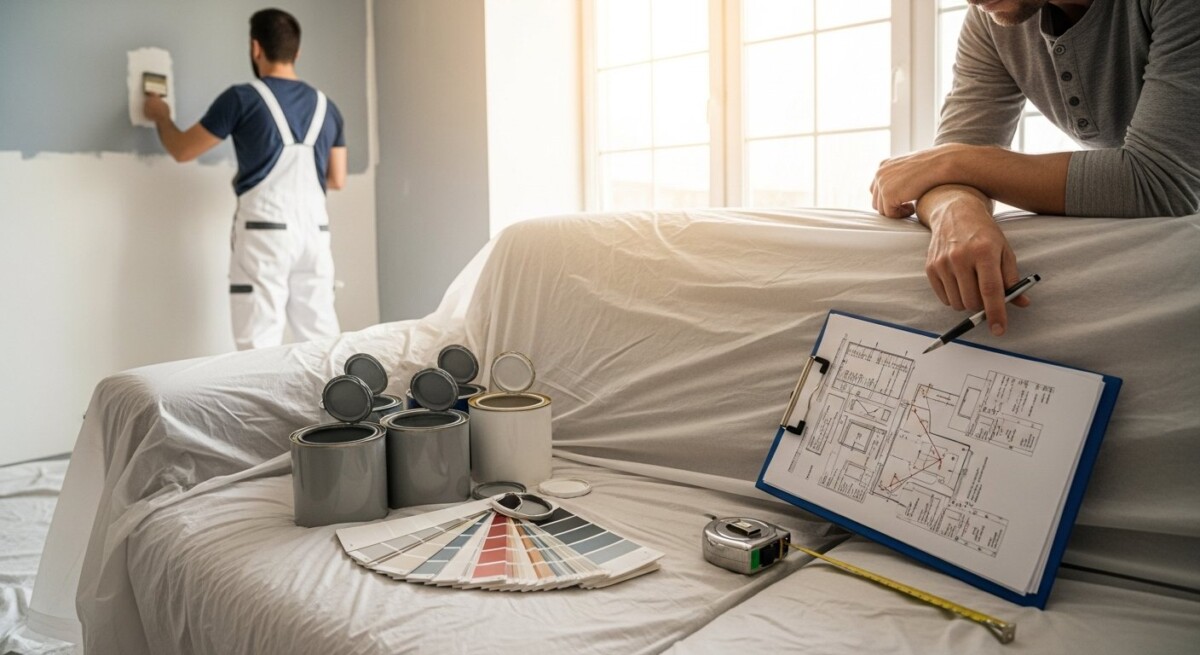
You’ve decided it’s finally time to refresh your home’s paint, but when you start looking for a contractor, you’re met with a confusing range of prices. One estimate seems surprisingly low, another is shockingly high, and you’re left wondering what a fair price really is. This uncertainty can lead homeowners to delay a needed project or choose a bid based on price alone, which can result in poor quality work, hidden costs, and even damage to your property. Understanding a painting contractor cost estimate is the first step to protecting your investment and ensuring a beautiful, lasting result for your home.
Understanding Painting Contractor Cost Estimates
A painting contractor cost estimate is a detailed breakdown of the projected expenses for your painting project. It’s not just a single number, but a document that outlines the scope of work, materials, labor, and other factors. This estimate serves as a roadmap for the project and a financial agreement between you and the contractor.
Costs vary widely because every home and project is unique. The size of your home, the condition of your surfaces, the quality of paint selected, and even the time of year can influence the final price. A professional estimate translates these variables into a clear, itemized forecast.
While getting multiple quotes is wise, the cheapest option isn’t always the best value. A thorough estimate demonstrates a contractor’s professionalism and helps you compare what you’re actually getting for your money.
Why This Matters for Your Home
Your home’s paint is its first line of defense against the elements. A proper paint job does more than look good; it seals and protects your siding, trim, and interior walls from moisture, sun damage, and wear. A poorly executed job, often the result of choosing a low bid that cuts corners, can fail prematurely.
This failure isn’t just cosmetic. Peeling, cracking, or blistering paint can allow water to seep into your home’s structure. Over time, this moisture can lead to wood rot, mold growth, and costly structural repairs that far exceed the price of a quality paint job. Investing in a professional who provides a clear, realistic estimate is an investment in your home’s long-term health.
Furthermore, a fresh, professional paint job significantly boosts your home’s curb appeal and market value. It’s one of the highest-return home improvements you can make. A detailed cost estimate helps you plan this investment wisely.
If you notice signs of this issue in your home, it may help to speak with a qualified contractor. Request a free quote or call to explore your repair or remodeling options.
Common Problems Homeowners Experience
Navigating painting estimates can be frustrating. Many homeowners receive vague, one-line quotes that make comparison impossible. Others get a surprisingly low bid, only to be hit with “change orders” and extra charges once the project begins because the initial scope was unclear.
Another common issue is underestimating the prep work. A quality paint job is 80% preparation and 20% application. An estimate that glosses over sanding, scraping, caulking, and priming is a red flag. These steps are crucial for paint adhesion and longevity, and skipping them will lead to problems down the road.
- Receiving “apples-to-oranges” quotes that are impossible to compare.
- Hidden fees and surprise charges that appear after work starts.
- Lowball estimates that use inferior, low-quality paints to cut costs.
- Inadequate preparation work listed in the estimate, leading to premature failure.
- Unclear timelines or no mention of clean-up and debris removal.
- Lack of detail on the number of coats, specific products, or areas of coverage.
How Professionals Solve the Problem
A reputable painting contractor solves the estimate problem with transparency and expertise. They start with a thorough on-site inspection, assessing the current condition of your surfaces, discussing your vision, and identifying any potential challenges. This diligence is the foundation of an accurate estimate.
Their estimate will be a comprehensive document that protects both you and them. It clearly defines what is included, the products that will be used, and the timeline for completion. This eliminates guesswork and prevents disputes, ensuring everyone is on the same page before a single brush is lifted. For a broader look at budgeting for home projects, our guide to home project cost estimates offers valuable context.
Professional work is more reliable because contractors have the right tools, training, and experience to handle complex prep work and application techniques. They also carry insurance, protecting you from liability if an accident occurs on your property.
- Consultation & Inspection: The contractor visits your home to discuss the project, measure surfaces, and evaluate their condition.
- Detailed Proposal: They create a written estimate detailing prep work, materials (brand, type, sheen), labor, number of coats, and a project schedule.
- Clear Communication: They review the estimate with you, answering all questions and making adjustments before any agreement is signed.
- Professional Execution: The crew follows the plan, performing meticulous prep, using quality materials, and applying paint with skill for a flawless finish.
- Final Walkthrough: You inspect the completed work with the contractor to ensure your complete satisfaction.
A professional inspection can reveal hidden issues before they become expensive repairs. Compare contractor quotes here or call to discuss your project.
Warning Signs You Should Not Ignore
Sometimes, the need for a painting project is obvious. Other times, the signs are subtle but important. Addressing these issues early with a professional can prevent minor damage from escalating into a major, expensive repair.
On the exterior, failing paint isn’t just an eyesore; it’s a symptom of a compromised protective barrier. On the interior, it can affect your home’s air quality and comfort. Ignoring these warnings allows problems to worsen, increasing the scope and cost of the eventual repair.
- Paint that is visibly peeling, cracking, or blistering, especially on sun-exposed or wet areas.
- Chalking paint that leaves a powdery residue on your hand when you rub it.
- Fading or discoloration that makes your home look aged and worn.
- Visible mold, mildew, or water stains on painted surfaces.
- Bubbling paint on interior walls, which can indicate moisture problems.
- Alligatoring, where the paint surface cracks in a pattern resembling alligator skin.
What Affects the Cost of Repairs or Installation
Understanding what goes into a painting estimate demystifies the pricing. The largest factor is usually labor, as a skilled painter’s time and expertise are valuable. The more prep work your surfaces need,like extensive scraping, sanding, or mildew treatment,the higher the labor cost will be.
Materials are the other major component. High-quality, brand-name paints cost more but offer better coverage, durability, and color retention. They often require fewer coats, which can save on labor. The sheen (flat, eggshell, semi-gloss) and any speciality paints for kitchens, bathrooms, or exteriors also affect the price.
- Project Size & Complexity: Square footage, height (requiring scaffolding), and architectural details like trim, shutters, or intricate millwork.
- Surface Condition: The amount of repair, scraping, sanding, and priming needed before painting can begin.
- Material Quality: The grade and brand of paint, primer, caulk, and other supplies specified.
- Accessibility: Hard-to-reach areas, dense landscaping, or scheduling around weather for exterior jobs.
- Location & Overhead: Local business costs, insurance, and the contractor’s reputation and experience level.
Costs can vary depending on the condition of your home. The best way to know the price is to get a personalized estimate. Request free quotes from contractors or call today.
How to Choose the Right Contractor
Selecting the right painting contractor is as important as the estimate itself. Look for a professional who communicates clearly, listens to your needs, and provides a thorough, written estimate. They should be happy to answer all your questions and provide references from past clients.
Always verify that a contractor is properly licensed (if required in your state) and carries both liability insurance and workers’ compensation. This protects you from being held liable if a worker is injured on your property. A trustworthy contractor will provide this information willingly.
- Get at least three detailed, written estimates to compare scope and value.
- Check online reviews and ask for references to verify past performance.
- Confirm they are licensed, insured, and have experience with projects like yours.
- Ask specific questions about prep work, paint brands, number of coats, and cleanup.
- Ensure the contract includes a payment schedule, start/end dates, and a warranty on labor.
Long-Term Benefits of Professional Work
Hiring a professional painter based on a solid estimate pays off for years. The most immediate benefit is peace of mind. You know the job was done correctly with the right materials, reducing the likelihood of callbacks or premature failure.
In the long run, a quality paint job protects your home from costly moisture damage and wood rot. It also enhances energy efficiency; lighter exterior colors can reflect heat, and properly sealed windows and siding improve insulation. This combination of protection, beauty, and efficiency directly increases your property’s value and appeal. For projects that combine painting with other updates, working with contractors for interior updates can provide a cohesive plan.
Ultimately, you save money on maintenance and future repaints. A professional job with premium paint can last twice as long as a subpar DIY effort, meaning you’ll enjoy your beautiful home for longer before needing to invest again.
How much should a painting contractor estimate cost?
There is no single answer, as costs depend on your home’s size, condition, and location. Reputable contractors provide free estimates after an on-site visit. The value is in the detail of the estimate, not just the bottom line. Comparing several detailed quotes will give you a realistic range for your specific project.
What should be included in a painting estimate?
A thorough estimate should include surface preparation steps (washing, scraping, sanding, caulking), specific paint products (brand, type, sheen), the number of coats, labor costs, a project timeline, cleanup details, and a warranty. It should clearly state what is and is not included to avoid surprises.
Is it worth paying more for a higher estimate?
Often, yes. A higher estimate typically reflects more comprehensive prep work, higher-quality materials, and greater expertise. This investment usually translates into a longer-lasting, better-looking finish that protects your home better. The cheapest estimate often cuts corners that lead to higher costs later.
How many contractor quotes should I get?
It’s wise to get at least three detailed estimates. This allows you to compare the scope of work, materials, and professionalism of each contractor. Be wary of any quote that is significantly lower than the others, as it may indicate inexperience or an intent to use inferior materials.
Can I negotiate a painting contractor’s estimate?
You can discuss the estimate, but focus on value, not just price. Ask if there are areas where adjustments can be made without sacrificing quality, such as adjusting the paint sheen or scheduling for their off-season. A professional contractor will work with you to find a solution that fits your budget and expectations.
How long is a painting estimate valid?
Most estimates are valid for 30 to 90 days. Material prices can fluctuate, and a contractor’s schedule may fill up. If you need to delay your project, communicate with the contractor. They may be able to honor the original estimate or provide a timely update.
What’s the difference between an estimate and a quote?
In practice, the terms are often used interchangeably. However, an “estimate” is typically a careful projection of costs, while a “quote” or “bid” may be a fixed price for the defined scope of work. Always get the details in writing, and clarify with the contractor if the price is fixed or an approximation.
Do painting contractors offer free estimates?
Yes, most reputable painting contractors provide free, no-obligation estimates. This visit is crucial for them to assess your project accurately and for you to evaluate their professionalism. Be prepared to discuss your vision, budget, and timeline during the consultation. For help starting your search, our resource on finding expert painting contractors is a great first step.
Understanding your painting contractor cost estimate is the key to a successful, stress-free home improvement project. It transforms a confusing process into a clear plan, empowering you to make an informed decision that protects your biggest investment. By addressing painting needs early and choosing a professional based on a detailed estimate, you safeguard your home’s value, beauty, and structural integrity for years to come. Start by comparing a few detailed quotes from qualified local contractors to see what your project truly entails.