
Understanding Labor vs Materials Cost Percentages
A practical guide for homeowners on labor vs materials cost percentages, explaining what they mean, why they matter, and how to make smart decisions for your home projects.
By Alexia Mabel
Learn more about Exterior Painting for guides, costs, and what to expect.
Compare Exterior Painting Pros Near You

Enter your ZIP code to compare top-rated local professionals and request free quotes.
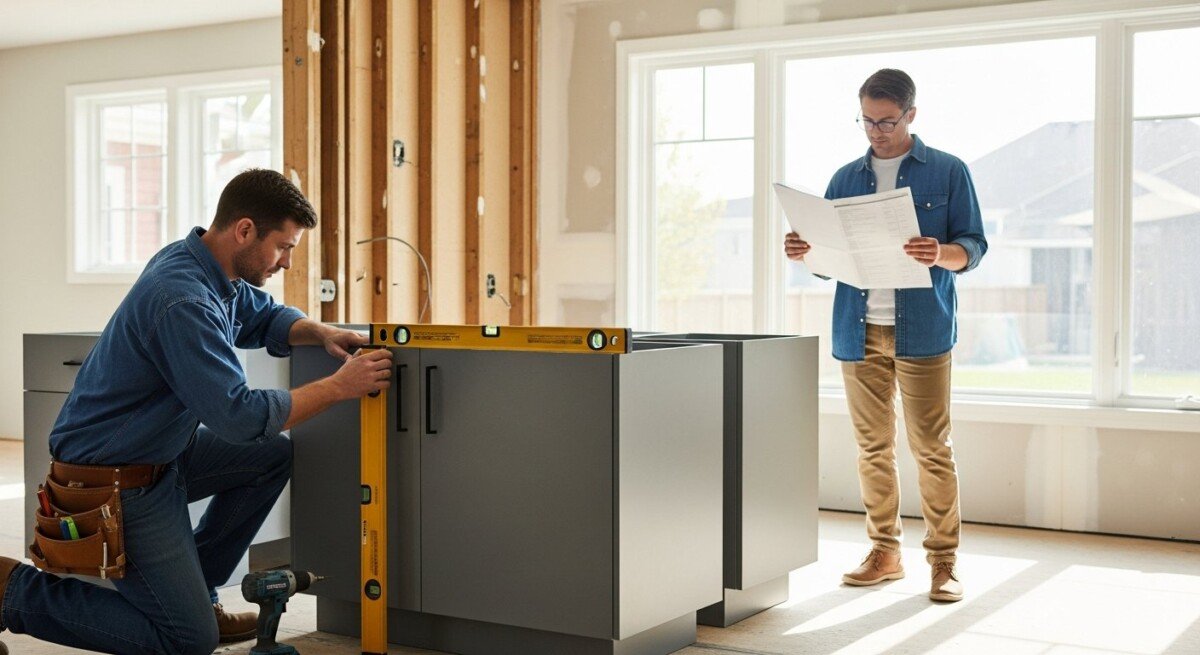
You’re planning a kitchen remodel and get your first estimate. The total number makes you pause, but what really catches your eye is the line-item breakdown. You see a large chunk labeled “labor” and another for “materials.” Suddenly, you’re wondering: why does the work to install my new cabinets cost nearly as much as the cabinets themselves? This moment of confusion over labor vs materials cost percentages is a common crossroads for homeowners. Ignoring what these numbers mean can lead to choosing the wrong contractor, unexpected costs mid-project, or even compromising on the quality and safety of your home’s improvements.
Understanding Labor vs Materials Cost Percentages
Simply put, labor vs materials cost percentages show you how your project’s total price splits between the physical products and the skilled work to install them. It’s the ratio of what you pay for things like lumber, tiles, or fixtures versus what you pay for the expertise, time, and manpower to put them in place correctly.
This happens because professional work has real value. A contractor brings training, experience, proper tools, insurance, and a crew. They don’t just hand you a sink; they ensure it’s perfectly level, properly connected to plumbing without leaks, and securely supported for years of use. The cost reflects that comprehensive service.
While all homes are affected, older homes or major structural projects often see a higher labor percentage. This is because they frequently involve unforeseen repairs, code updates, or complex problem-solving that requires more skilled hours, as detailed in our resource on understanding contractor pricing breakdowns.
Why This Matters for Your Home
Paying attention to this balance is crucial for protecting your investment. A quote with an suspiciously low labor cost might mean the contractor is cutting corners, using unskilled workers, or hasn’t budgeted enough time, leading to rushed, sloppy work. Conversely, understanding why labor costs are justified helps you appreciate the value of craftsmanship.
Getting this balance wrong risks significant property damage. Poorly installed flooring can warp, incorrectly wired lighting can be a fire hazard, and a hastily tiled shower can lead to water damage inside your walls. These are expensive, stressful problems that professional labor is designed to prevent.
If you notice signs of this issue in your home, it may help to speak with a qualified contractor. Request a free quote or call to explore your repair or remodeling options.
Common Problems Homeowners Experience
When the labor-materials balance is off, homeowners face tangible issues. You might choose beautiful, high-end materials only to have them installed poorly, diminishing their look and lifespan. Or, you might DIY a complex project to save on labor, only to create a bigger, more expensive problem that a pro must later fix.
These problems often appear as persistent headaches. A “small leak” you tried to patch returns, a newly laid floor feels uneven or squeaky, or a painted room shows brush marks and uneven coverage. These are signs the job needed more skilled labor than was applied.
- Visible flaws like crooked tile lines, uneven countertops, or poorly mitered trim.
- Performance failures like doors that stick, outlets that don’t work, or poor water pressure after a plumbing update.
- Recurring issues like frequent clogging, drafts around new windows, or cracks reappearing in drywall.
- Safety concerns like flickering lights, wobbly railings, or a furnace that short-cycles after a replacement.
How Professionals Solve the Problem
Experienced contractors solve this by providing transparent estimates that fairly value both labor and materials. They assess the full scope of work, anticipate challenges, and allocate sufficient time and skilled personnel to do the job right the first time. Their expertise ensures materials are used correctly and to their full potential.
Professional work is safer and more reliable because it follows building codes, uses proven techniques, and is often backed by warranties. They handle the permits, inspections, and cleanup, turning a potentially chaotic project into a managed process. This peace of mind is a core part of what you’re investing in.
- Comprehensive Assessment: They inspect the area, identify hidden issues, and plan for them in the quote.
- Detailed Planning: They create a clear project timeline and material list, preventing delays and cost overruns.
- Skilled Execution: Trained crews perform the work efficiently and to a high standard of quality.
- Final Inspection & Cleanup: They ensure everything works perfectly and leave your home clean and safe.
A professional inspection can reveal hidden issues before they become expensive repairs. Compare contractor quotes here or call to discuss your project.
Warning Signs You Should Not Ignore
Early warning signs often seem minor, but they indicate underlying issues that will worsen. Addressing them quickly with professional help can prevent a small repair from becoming a major renovation. Listen to your home,it often tells you when something isn’t right.
Ignoring these signs typically leads to higher costs. A small water stain on the ceiling points to a leak that can rot structural wood. A single loose shingle can lead to a roof leak damaging insulation and drywall. Proactive, professional repair saves money in the long run.
- Unexplained increases in your energy or water bills.
- New cracks in walls, ceilings, or around door/window frames.
- Persistent musty odors, which can signal hidden moisture or mold.
- Doors or windows that suddenly become difficult to open or close.
- Flickering lights or circuit breakers that trip frequently.
- Water pressure drops or slow drainage in multiple fixtures.
What Affects the Cost of Repairs or Installation
Several key factors influence where your costs will land on the labor-materials spectrum. The size and complexity of the project are the biggest drivers. A simple flooring replacement in an empty, square room has a different labor cost than intricate tile work in a historic bathroom with uneven walls.
The materials you choose also play a role. Standard materials are often quicker and easier for pros to install. Highly custom, fragile, or exotic materials may require special handling, tools, or techniques, increasing the skilled labor time and cost. The age and accessibility of your home can add labor time for demolition, prep work, or working around obstacles.
Costs can vary depending on the condition of your home. The best way to know the price is to get a personalized estimate. Request free quotes from contractors or call today.
How to Choose the Right Contractor
Selecting the right professional is the most important step in ensuring a good value for both labor and materials. Look for a contractor who communicates clearly, answers your questions patiently, and provides a detailed, written estimate. This document is your first insight into their professionalism and how they view the project.
A trustworthy contractor won’t pressure you and will be happy to provide references. They understand this is a significant investment in your home and act as a partner in the process. Taking the time to choose carefully pays off in quality, reliability, and stress reduction.
- Verify they are licensed, bonded, and insured for your protection.
- Read recent customer reviews and ask for references from similar projects.
- Request and compare detailed, written estimates from at least three contractors.
- Ask about their experience with your specific type of project or home style.
- Ensure communication is clear and you feel comfortable asking questions.
Long-Term Benefits of Professional Work
The true value of professional work extends far beyond the project’s completion day. Quality installation maximizes the lifespan of your materials, meaning you won’t need to replace or repair them prematurely. This durability translates directly into long-term savings and less hassle.
Professional work also enhances your home’s safety, energy efficiency, and market value. Correctly installed insulation, windows, and HVAC systems lower utility bills. Up-to-code electrical and plumbing work protect your family. And a well-executed remodel is a strong selling point that appeals to future buyers, offering a solid return on your investment.
FAQs
What is a typical labor vs materials cost percentage?
There’s no single “typical” percentage, as it varies wildly by project. For example, a roof replacement might be 60% materials/40% labor, while a complex plumbing repair could be 20% parts/80% labor. The key is that the quote should be detailed and justified, not based on a generic rule.
Why is labor so expensive for home projects?
Labor costs cover far more than just hourly wages. They include the contractor’s overhead (insurance, vehicles, tools), the crew’s expertise and training, worker’s compensation, project management, warranties, and the risk they assume. You’re paying for a guaranteed outcome and peace of mind.
Can I save money by buying my own materials?
Sometimes, but it’s not always advisable. Contractors often get trade discounts you can’t access. More importantly, if materials are incorrect, delayed, or defective, you are responsible. A contractor who supplies materials guarantees their suitability and manages delivery, streamlining the project.
Is a higher labor cost a red flag?
Not necessarily. High labor costs can indicate complexity, like repairing extensive water damage behind walls. It becomes a red flag only if it’s unexplained or out of line with other detailed estimates for the same scope of work. Always ask for a breakdown.
How do I know if a labor cost estimate is fair?
Compare detailed estimates from multiple licensed contractors. If three reputable pros quote a similar labor range for the same job, that’s a good indicator of the market rate. Be wary of any bid that is significantly lower without a clear, logical explanation.
Does a higher material cost mean better quality?
Often, but not always. Premium materials are usually more durable and aesthetically pleasing. However, even the best materials fail if installed poorly. A balanced investment in both quality materials and skilled labor is the formula for a successful, long-lasting project.
Understanding the relationship between labor and materials cost is key to making smart, confident decisions about your home. It helps you evaluate quotes, appreciate the value of skilled work, and protect your most valuable asset. By addressing issues early and choosing qualified professionals, you invest in your home’s safety, comfort, and future value. A great first step is to compare detailed quotes from local contractors to understand your specific project’s needs and costs.
Learn more about Exterior Painting for guides, costs, and what to expect.
Compare Exterior Painting Pros Near You
Enter your ZIP code to compare top-rated local professionals and request free quotes.