
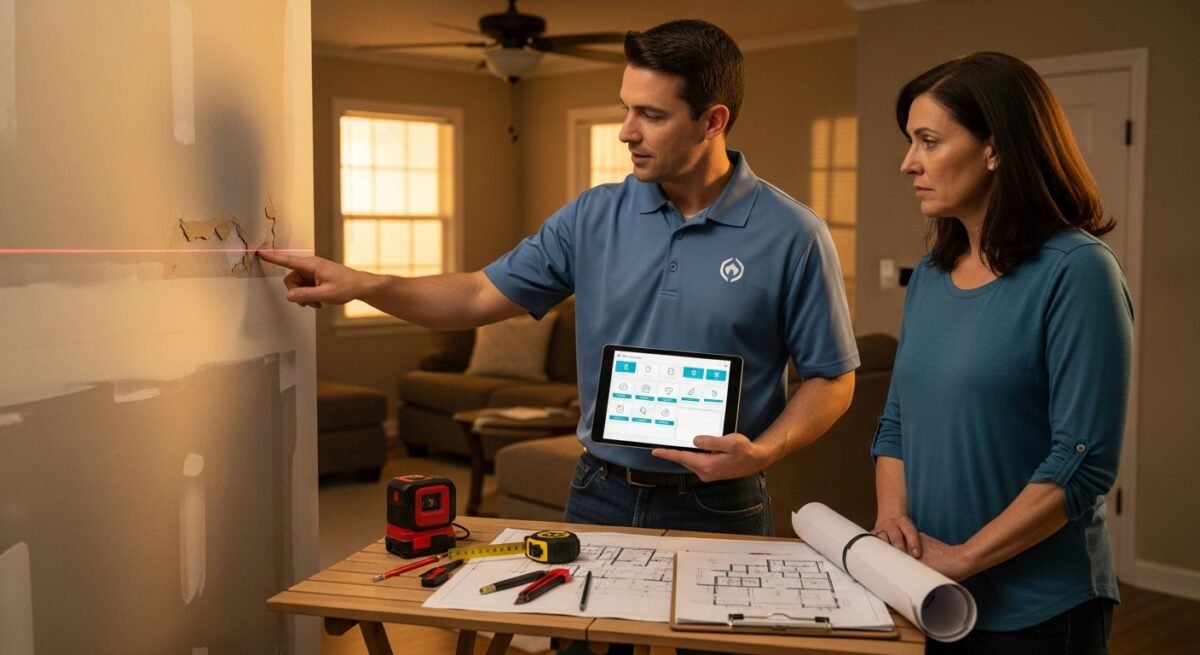
Trusted Contractors for Insurance Repair Claims
Learn how trusted contractors for insurance repair claims simplify the process, protect your settlement, and ensure quality repairs. Your guide to a stress-free recovery.
By Alexia Mabel
Learn more about Construction Services for guides, costs, and what to expect.
Compare Construction Services Pros Near You

Enter your ZIP code to compare top-rated local professionals and request free quotes.
Dealing with home damage from a storm, fire, or accident is stressful enough. The last thing you need is more worry about the repair process and whether your insurance claim will be covered properly. Finding the right contractor who understands this delicate situation is the key to a smooth, successful recovery for your home.
Understanding Trusted Contractors for Insurance Repair Claims
When your home needs repairs covered by insurance, a “trusted contractor” is more than just a skilled tradesperson. They are a professional partner who specializes in navigating the insurance claim process alongside you. Their expertise bridges the gap between restoring your home and ensuring you receive a fair settlement.
A trusted contractor for insurance claims works directly with your insurance adjuster, providing detailed documentation, accurate estimates, and clear communication. They act as your advocate, ensuring the scope of work matches what your policy covers, so you aren’t left paying out-of-pocket for necessary repairs.
Beyond Just Construction Skills
This role requires specific knowledge. A contractor in this field understands insurance terminology, knows how to read and interpret adjuster reports, and can produce the precise documentation insurers require for release of funds. They manage the project timeline to align with claim approvals, reducing delays and confusion for you.
Why It Matters for Homeowners
Choosing a contractor who isn’t experienced with insurance claims can lead to significant problems. You might face denied claims, underpayment, or repairs that don’t meet your insurer’s standards, leaving you financially responsible. This can turn a stressful event into a prolonged and costly nightmare.
On the other hand, a trusted contractor protects your investment and your peace of mind. They ensure repairs are done correctly the first time, using quality materials that restore your home’s value and safety. They handle the complex paperwork and negotiations, allowing you to focus on your family’s well-being.
The right partnership means a seamless process where repairs begin promptly, communication is clear, and your home is returned to its pre-loss condition,or better,without unexpected financial burdens on you.
Don’t navigate the insurance maze alone. Let our experienced team guide you from claim to completion. Contact Repairmen today for a free, no-obligation consultation or call (555) 123-4567.
Common Issues and Their Causes
Homeowners often encounter several frustrating issues when managing insurance repairs with the wrong contractor. These problems typically stem from a lack of specialized knowledge and poor communication between all parties involved.
One major issue is scope of work discrepancies. The insurance adjuster’s initial estimate might not capture hidden damage discovered during demolition. A contractor unfamiliar with the process may either proceed without approval or fail to properly document the new findings, leading to payment delays.
Another common problem is poor documentation. Insurers require specific forms, detailed line-item estimates, and photographic proof of damage and completed work. Incomplete or sloppy documentation is a primary reason for claim supplements being denied.
- Underpayment on Claims: Caused by inaccurate estimates that don’t reflect local market rates for labor and materials.
- Project Delays and Stops: Caused by miscommunication with the adjuster or waiting for supplemental approvals.
- Out-of-Pocket Expenses: Caused by the contractor not matching repairs to the covered insurance scope.
- Warranty Voidance: Caused by using incorrect materials or methods not approved by the insurer or manufacturer.
How Professionals Fix the Problem
A trusted contractor follows a proven, systematic process designed to align your repair project with your insurance claim from start to finish. This structured approach eliminates guesswork and ensures every step is documented and approved.
The process begins with a thorough assessment and detailed estimate. The contractor will meet with you and your insurance adjuster to review the damage, create a comprehensive scope of work, and agree on a timeline. They prepare a precise estimate using insurance-grade software that matches the format adjusters use.
During repairs, they manage all communication with the insurance company. If additional damage is found (like rot behind a water-damaged wall), they immediately document it, submit a supplemental claim, and get approval before proceeding. They provide you with regular updates and handle all necessary inspections to ensure compliance with building codes and insurance requirements.
- Initial Consultation & Damage Documentation
- Collaborative Scope Development with Your Adjuster
- Detailed Estimate & Claim Submission Support
- Supplement Management for Hidden Damage
- Quality Repair Execution with Continuous Communication
- Final Walkthrough & Documentation for Claim Closure
Ready for a stress-free repair experience? Our team specializes in coordinating with all major insurance companies. Get your repair started right by calling Repairmen at (555) 123-4567.
Signs You Should Not Ignore
Knowing when to call in a specialist can save you months of hassle. If you’re attempting to manage repairs yourself or with a general handyman, certain red flags indicate you need a professional who understands insurance claims.
A major warning sign is if your contractor asks for the entire insurance check upfront or suggests you sign over the payment directly to them before work begins. Reputable insurance repair contractors typically work with a schedule of payments tied to project milestones, approved by both you and the insurer.
Pay close attention to communication. If your contractor avoids conversations with the adjuster, dismisses your questions about claim details, or pressures you to settle for less than the full scope of repairs, it’s time to seek a second opinion. Your contractor should be a clear communicator, not a barrier.
- The estimate seems vague or lacks detail compared to the insurance adjuster’s report.
- They are unwilling to put everything in writing, including the full scope, timeline, and warranty.
- They suggest paying cash to “avoid insurance hassle” or bypass permits.
- Your insurance adjuster expresses concern or lacks familiarity with the contractor.
- You discover hidden damage, and your current contractor isn’t sure how to handle it with the insurance company.
Cost Factors and What Affects Pricing
The cost of insurance repairs is primarily determined by your policy’s coverage limits and the detailed scope of work approved by your adjuster. A trusted contractor’s role is to ensure the pricing accurately reflects that approved scope, so you pay only your deductible.
Several factors influence the final project price within the claim. The extent of damage, the type of materials specified in your policy (like standard vs. premium flooring), and local labor rates all play a part. Additionally, the need for code upgrades (if building codes have changed since your home was built) can affect cost, though some policies include coverage for this.
The most critical factor is proper documentation for supplemental claims. Hidden damage like structural issues, mold, or outdated electrical behind walls will increase the project cost. A qualified contractor documents these items thoroughly to justify the necessary supplement to your insurance carrier, protecting you from covering these essential repairs yourself.
Worried about hidden costs? We provide transparent estimates and handle all supplement paperwork. Call Repairmen at (555) 123-4567 for a clear, detailed assessment.
How To Choose the Right Professional or Service
Selecting the right contractor is the most important decision you’ll make after filing a claim. Start by looking for specific experience. Ask directly, “How many insurance claim projects do you complete per year?” and “Can you provide references from homeowners who used their insurance?”
Verify their credentials thoroughly. They should be fully licensed, bonded, and insured. Check for certifications from industry associations and look for online reviews that specifically mention positive experiences with insurance processes. A reputable professional will gladly provide this information.
Finally, assess their communication style. Choose someone who listens to your concerns, explains steps clearly, and proactively offers to communicate with your adjuster. You want a partner, not just a hired worker. Trust your instincts,if they are evasive about details or make you feel pressured, continue your search.
- Ask for proof of insurance and licensing.
- Request before-and-after photos of past insurance jobs.
- Ensure they use detailed, written contracts.
- Confirm they will handle all permits and inspections.
Long-Term Benefits for Your Home
Working with a trusted contractor for your insurance repairs delivers lasting value that goes beyond just fixing the immediate damage. Proper repairs protect your home’s structural integrity, preventing future issues like leaks, mold growth, or electrical hazards that can arise from incomplete work.
Your home’s market value is also preserved. High-quality, documented repairs ensure there are no unresolved issues that could appear on a future home inspection, scaring off potential buyers. You receive a warranty on the workmanship, giving you long-term peace of mind that the investment is protected.
Ultimately, you gain confidence and knowledge. By going through the process with an expert guide, you learn how your insurance coverage works and how to maintain your home. You end up with a home that is safe, sound, and beautifully restored, allowing you to move forward from the damaging event with security and comfort.
Frequently Asked Questions
Do I have to use the contractor my insurance company recommends?
No, you have the right to choose your own contractor. While insurance companies may have a network of preferred vendors, the final choice is always yours. Selecting an independent, trusted contractor ensures you have an advocate solely focused on your best interests.
What if the insurance estimate is too low to cover the repairs?
This is common. A trusted contractor will review the adjuster’s estimate, compare it to their detailed assessment, and prepare a supplement request for the insurance company. They will document the necessary additional costs and negotiate on your behalf to secure a fair settlement.
Who pays the contractor, me or the insurance company?
Typically, the insurance company issues payment to you, the policyholder. You then pay the contractor according to your agreed-upon schedule. Some contractors may work with assignment of benefit agreements, but this should be discussed transparently upfront. You are always ultimately responsible for your deductible.
How long does the entire insurance repair process take?
The timeline varies based on damage severity and claim complexity. Simple repairs may take a few weeks, while major rebuilds can take months. A key advantage of a trusted contractor is their ability to streamline the process by managing approvals and preventing delays, getting you back home faster.
What should I look for in the contractor’s warranty?
Look for a clear, written warranty that covers both materials and workmanship for a minimum of one year, with longer coverage for major structural elements. Ensure it is transferable and backed by the company, not just the individual worker. A strong warranty reflects confidence in their work.
Can repairs be better than my home’s original condition?
Yes, this is often possible. While the goal is to restore you to your pre-loss condition, this is an opportunity to make minor upgrades. Your contractor can discuss options that fit within the claim scope, like updating fixtures or materials, sometimes with only a small additional investment from you.
What if I find more damage after work begins?
This is called “hidden damage” and is a normal part of the process. Your trusted contractor will immediately halt work on that area, document the new damage with photos/video, and submit a supplemental claim to your insurer for approval before making any additional repairs.
How do I verify a contractor’s reputation with insurance claims?
Ask for references from past insurance jobs and call them. Check the Better Business Bureau rating and read online reviews, specifically looking for keywords like “insurance,” “claim,” “adjuster,” and “supplement.” A strong history of positive feedback in this niche is a great sign.
Navigating home repairs after damage is challenging, but you don’t have to face the insurance process alone. By partnering with a trusted contractor who specializes in insurance claims, you secure an advocate who ensures your home is restored properly and your claim is handled fairly. The right expertise turns a complex, stressful situation into a smooth path forward, giving you confidence and peace of mind throughout the entire journey.
Learn more about Construction Services for guides, costs, and what to expect.
Compare Construction Services Pros Near You
Enter your ZIP code to compare top-rated local professionals and request free quotes.