
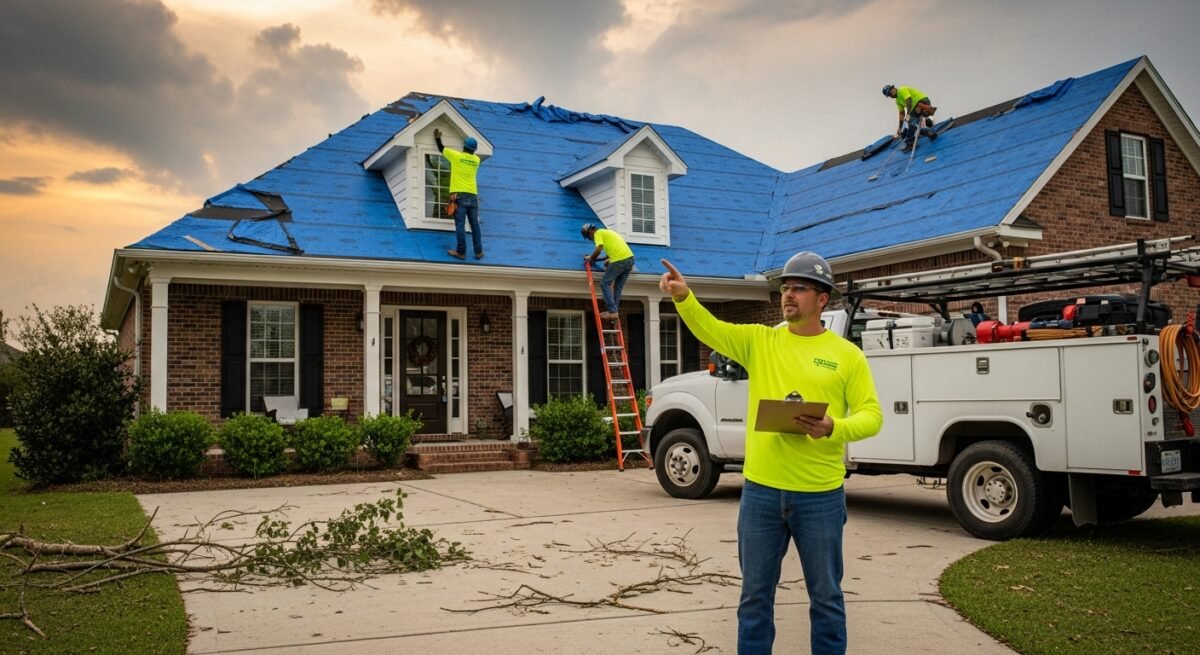
Storm Damage Repair Contractors in Louisiana: A Homeowner’s Guide
A complete guide for Louisiana homeowners on navigating storm damage repairs, from choosing the right contractor to understanding the process and protecting your investment.
By Alexia Mabel
Learn more about Roof Repair or Maintenance for guides, costs, and what to expect.
Compare Roof Repair or Maintenance Pros Near You

Enter your ZIP code to compare top-rated local professionals and request free quotes.
When a powerful storm hits Louisiana, the aftermath can leave your home vulnerable and your family feeling overwhelmed. From missing shingles and water intrusion to fallen trees and structural concerns, knowing who to call for safe, reliable repairs is the most critical first step. This guide is designed to help you understand the process, find the right help, and restore your home with confidence.
Protect your home and secure your peace of mind. Call 📞833-439-3727 or visit Get Repair Help for a trusted assessment and comprehensive repair plan from local specialists.
Understanding Storm Damage Repair Contractors in Louisiana
Storm damage repair contractors are specialized professionals who assess, manage, and fix the destruction caused by hurricanes, tornadoes, hail, and severe thunderstorms. In Louisiana, this work requires specific knowledge of local building codes, wind and flood mitigation techniques, and the unique challenges of our climate and geography.
These contractors act as your project manager for the recovery. They don’t just patch a hole; they coordinate the entire repair process. This often includes working with your insurance company, pulling necessary permits, and hiring specialized sub-contractors for tasks like roofing, siding, window replacement, and structural work.
The Scope of a Comprehensive Repair
A full-service contractor looks at your home as a system. A leak in the roof can lead to water damage in the attic, which can then cause mold growth and compromise electrical systems. Their job is to trace the full path of the damage and ensure every affected component is properly restored, preventing costly problems down the road.
Why It Matters for Homeowners
Choosing the right storm damage repair contractor is about more than just fixing what’s broken. It’s about protecting your largest investment and ensuring your family’s safety. Improper repairs can lead to recurring leaks, mold infestations, electrical hazards, and a significant decrease in your home’s value.
In the chaotic days after a major storm, “storm chaser” contractors often flood the area. These out-of-town operators may offer quick, cheap fixes but frequently disappear before the job is done or before warranty issues arise. A reputable local contractor is invested in the community and will be there for you long after the repairs are complete.
Working with a true professional also streamlines the insurance claims process. They can provide detailed documentation and estimates that meet your insurer’s requirements, often helping you secure a fair settlement to cover the full cost of necessary repairs.
Don’t let storm damage compromise your home’s safety. For a trusted assessment and repair plan, contact our local storm damage specialists.
Common Issues and Their Causes
Louisiana storms bring a combination of high winds, torrential rain, and sometimes hail or debris impact. This creates a predictable set of problems for homeowners. Understanding these issues helps you communicate effectively with contractors and insurance adjusters.
Wind is often the primary culprit. It can lift and remove roofing materials, tear off siding and gutters, and slam debris into windows and doors. Once the building envelope is breached, water follows, causing the majority of the interior damage. Persistent moisture leads to wood rot, mold, and attracts pests.
- Roof Damage: Missing or cracked shingles, lifted flashing, and damaged roof decks from wind and hail.
- Water Intrusion: Leaks around windows, doors, and roof valleys leading to stained ceilings, warped floors, and soaked insulation.
- Siding and Exterior Damage: Torn vinyl siding, dented aluminum, cracked stucco, or damaged brick mortar.
- Gutter and Downspout Failure: Systems torn away or clogged, causing water to pour directly next to the foundation, which can lead to basement flooding or foundation shifting.
- Structural Concerns: Damage from fallen trees, compromised trusses in the attic, or foundation issues from soil saturation.
How Professionals Fix the Problem
The repair process begins with a thorough, safety-first inspection. A qualified contractor will assess the exterior for visible damage and then inspect the attic, crawl spaces, and interior for signs of water infiltration and structural stress. This comprehensive evaluation forms the basis of a detailed repair plan.
Next, they prioritize making the home safe and watertight. This “mitigation” phase may involve installing a roof tarp, boarding up broken windows, and extracting standing water. They then work with you to document everything for your insurance claim before proceeding with the permanent repairs.
The actual repair work is methodical. It follows a logical sequence from the structure outward: first addressing any framing or foundational issues, then repairing the roof and exterior shell, and finally restoring the interior finishes. A key final step is often a follow-up inspection to ensure all work meets code and quality standards, much like the thorough approach needed for expert gutter installation to ensure proper water management.
Ready for a professional, start-to-finish repair process? Get a free storm damage assessment
Signs You Should Not Ignore
Some storm damage is obvious, like a tree through the roof. Other signs are subtle but just as urgent. After any significant weather event, it’s wise to do a careful visual check of your property, both immediately and in the following days.
Pay special attention to your ceilings and walls for new water stains, bubbling paint, or a musty odor, which indicate hidden water damage that is actively worsening. In the attic, look for daylight coming through the roof boards or wet insulation. Outside, granules from asphalt shingles in your gutters or downspouts are a clear sign of roof wear from hail or wind.
Protect your home and secure your peace of mind. Call 📞833-439-3727 or visit Get Repair Help for a trusted assessment and comprehensive repair plan from local specialists.
- Visible leaks or water stains on ceilings and walls.
- Missing, cracked, or curled shingles on your roof.
- Dents on gutters, downspouts, or siding.
- Sagging sections of the roof or interior ceilings.
- Doors and windows that suddenly stick or won’t close, indicating frame warping or foundation shift.
Cost Factors and What Affects Pricing
The cost of storm damage repair in Louisiana varies widely based on the severity of the damage, the size of your home, the materials affected, and the extent of necessary labor. A minor roof repair is vastly different in scope and price from a full roof replacement coupled with interior drywall and flooring restoration.
Material choices play a big role. Opting for impact-resistant shingles, hurricane-rated windows, or upgraded siding will cost more upfront but can offer better protection and insurance discounts. Labor is another major factor; complex structural repairs or working on a steep, multi-story roof requires more skill and time. Always ensure your estimate includes line items for permits, debris disposal, and potential unforeseen repairs discovered once work begins.
Understanding the true cost of repairs is essential. For a transparent, detailed estimate tailored to your home’s specific damage, reach out to our certified repair team for a consultation.
How To Choose the Right Professional or Service
Start by verifying credentials. In Louisiana, ensure the contractor is licensed, insured (with both liability and worker’s compensation), and has a solid local reputation. Check online reviews and ask for references from past storm repair jobs. A trustworthy contractor will gladly provide this information.
Get at least three detailed, written estimates. These should break down costs for materials, labor, and timeline. Be wary of any contractor who pressures you to sign immediately, asks for full payment upfront, or only accepts cash. A reputable professional will have a clear contract outlining the work scope, payment schedule, and warranty information.
Finally, choose a contractor who communicates clearly and makes you feel comfortable. They should answer your questions patiently, explain the process in terms you understand, and provide a single point of contact for the duration of your project. This level of professional service is what separates a quick fix from a lasting repair.
Long-Term Benefits for Your Home
Investing in professional storm damage repair delivers lasting value. Properly executed repairs restore and often improve your home’s structural integrity, protecting it against future storms. This proactive care prevents minor damage from escalating into major, more expensive failures, like a small leak turning into widespread mold remediation.
You also gain peace of mind. Knowing your home has been repaired correctly by experts using quality materials allows you to weather the next storm with significantly less anxiety. Furthermore, maintaining detailed records of professional repairs can be beneficial for future insurance claims and is a strong selling point that enhances your home’s market value when it’s time to sell.
Frequently Asked Questions
What should I do first after discovering storm damage?
Ensure your family’s safety first. Document all damage with photos and videos for your insurance claim. Then, make temporary repairs like tarping a roof to prevent further damage. Contact your insurance company and a reputable local storm damage contractor for a professional assessment.
Will my homeowner’s insurance cover storm damage repairs?
Most standard policies cover sudden, accidental damage from wind, hail, and fallen trees. Flood damage typically requires a separate policy. It’s crucial to review your policy details and start the claims process promptly. A good contractor can help you navigate the paperwork.
How long does the storm damage repair process usually take?
The timeline depends on the damage severity and contractor availability after a major event. A simple repair may take a few days, while a full-scale restoration could take several weeks or months. A reliable contractor will provide a realistic timeline and keep you updated on progress.
Can I stay in my home during the repairs?
In most cases, yes. However, if there is significant structural damage, mold, or if the repairs are extensive and noisy, your contractor may recommend temporary relocation for safety and comfort. This is often covered under the “loss of use” portion of your insurance policy.
What’s the difference between a storm chaser and a local contractor?
Storm chasers follow severe weather events, offer low bids, demand large upfront payments, and often leave town before the job is finished or warranty issues arise. A local contractor has a physical business address in your community, a proven reputation, and will be available for any future service needs.
Do I need to get multiple estimates for my insurance company?
While your insurer may require an estimate, you are not obligated to use their preferred vendor. It is highly recommended you get at least two to three estimates from licensed, local contractors to ensure you are getting a fair scope of work and price for the repairs needed.
What kind of warranty should I expect on storm repairs?
A reputable contractor will stand behind their workmanship with a warranty, typically for one year or more. They should also provide manufacturer warranties for the materials used (e.g., shingles, windows). Always get warranty details in writing before work begins.
Navigating storm damage is challenging, but you don’t have to do it alone. With the right knowledge and a trusted local contractor by your side, you can efficiently restore your home’s safety, comfort, and value. Taking informed, deliberate steps now ensures a stronger, more resilient home for the future.
Protect your home and secure your peace of mind. Call 📞833-439-3727 or visit Get Repair Help for a trusted assessment and comprehensive repair plan from local specialists.
Learn more about Roof Repair or Maintenance for guides, costs, and what to expect.
Compare Roof Repair or Maintenance Pros Near You
Enter your ZIP code to compare top-rated local professionals and request free quotes.