
Residential Contractors for Small Repair Jobs Explained
Learn how hiring residential contractors for small repair jobs protects your home’s value & safety. Get tips on choosing the right pro for lasting fixes.
By Alexia Mabel
Learn more about Home Inspection for guides, costs, and what to expect.
Compare Home Inspection Pros Near You

Enter your ZIP code to compare top-rated local professionals and request free quotes.
Your home is your sanctuary, but it’s not always perfect. A dripping faucet, a wobbly handrail, a small crack in the drywall,these minor issues are a normal part of homeownership. Yet, finding the right professional for these smaller tasks can feel confusing. Do you call a handyman, a specialized contractor, or try a DIY fix? This article will guide you through everything you need to know about hiring residential contractors for small repair jobs, ensuring your home stays safe, functional, and beautiful without the stress.
Don’t let small repairs become big problems. Call 📞833-439-3727 or visit Hire a Contractor for a fast, free quote from our licensed professionals.
Understanding Residential Contractors for Small Repair Jobs
First, let’s clarify what we mean. A residential contractor is a licensed professional who manages or performs construction, renovation, and repair work on homes. While many people think of contractors for large projects like additions, they are also perfectly suited for smaller, more precise repairs.
For small repair jobs, this often means a contractor who offers handyman-style services or has a specialized trade license (like plumbing or electrical) but is willing to take on minor projects. They bring a higher level of expertise, proper licensing, and often insurance to tasks that might seem simple but have important implications for your home’s integrity.
Small Job vs. Major Project Contractors
The key difference lies in business model and willingness. Some large-scale renovation companies have minimum project values. The contractors you want for small repairs operate with flexibility, understanding that not every home need is a full remodel. They prioritize quality craftsmanship on a smaller scale.
Why It Matters for Homeowners
Choosing a qualified residential contractor for a small job is more important than it may seem. A properly fixed leak, for instance, prevents water damage that could lead to mold and costly structural repairs down the line. A correctly installed tile ensures your bathroom floor remains waterproof.
The risks of using an unqualified person are real. An improper electrical repair can be a fire hazard. A poorly patched wall can crack again quickly. Licensed contractors adhere to local building codes, which are in place for your safety. They also typically carry liability insurance, protecting you if something goes wrong during the repair.
Ultimately, it’s about peace of mind. Knowing a skilled professional has correctly addressed the issue means you can forget about it and enjoy your home, confident that the repair will last.
Common Issues and Their Causes
Small repair jobs cover a wide range around the house. They are often the symptoms of everyday wear and tear, minor accidents, or initial installation issues. Understanding the cause helps in explaining the problem to your contractor.
For example, a constantly running toilet is usually caused by a worn flapper valve or a faulty fill valve. Peeling caulk around a tub or window isn’t just ugly; it’s often due to age, moisture, and temperature fluctuations, which can let water seep in. Squeaky floors or stairs are frequently caused by loose subflooring or nails that have worked themselves loose over time.
Here are some of the most common small jobs homeowners face:
- Plumbing Fixture Repairs: Leaky faucets, running toilets, slow drains, or minor pipe leaks.
- Drywall and Paint Damage: Small holes from door handles, cracks at corners, water stains, or peeling paint.
- Tile and Grout Issues: Cracked or loose tiles, missing grout in showers or backsplashes.
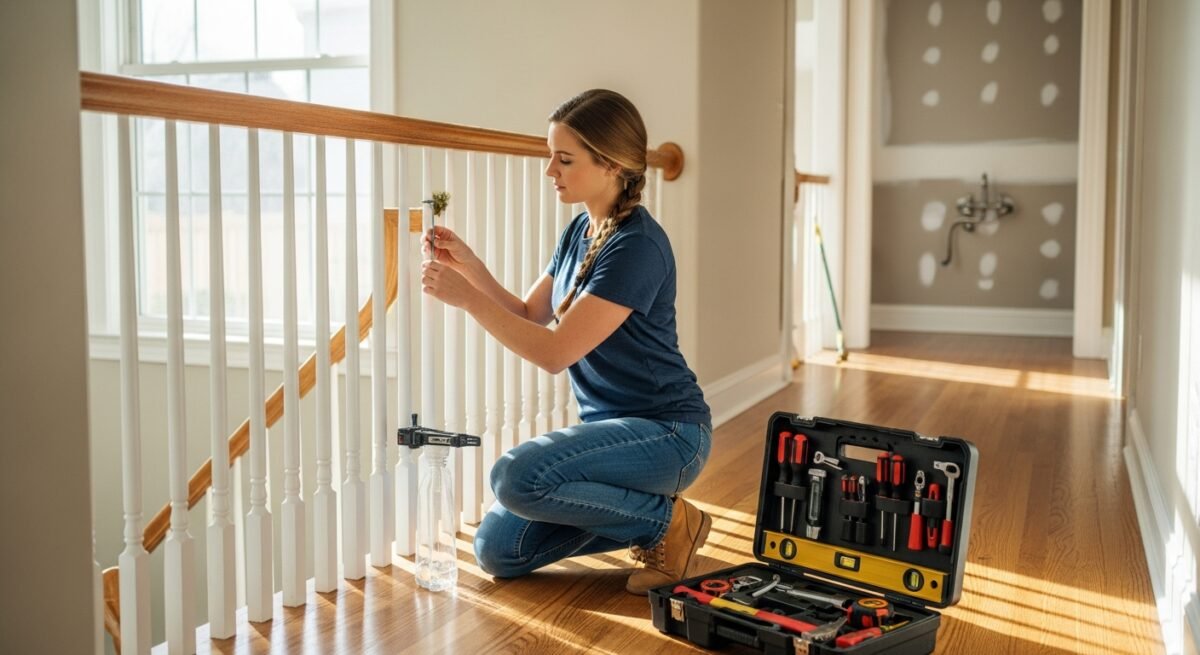
- Carpentry and Trim Work: Repairing a broken cabinet door, fixing a wobbly banister, re-hanging a door that sticks, or replacing damaged trim.
- Minor Electrical Work: Replacing light fixtures or switches, installing ceiling fans, or fixing an outlet that doesn’t work.
How Professionals Fix the Problem
A professional contractor follows a systematic approach to ensure the repair is done right the first time. It starts with a detailed assessment. They won’t just look at the symptom; they’ll diagnose the root cause to prevent a quick recurrence.
The process typically involves preparation, repair, and cleanup. For a drywall patch, this means cutting out the damaged area, installing a new piece securely, applying joint compound in layers, sanding it smooth, and then priming and painting to match. For a plumbing repair, it means turning off the water supply, replacing the faulty component with a correct, high-quality part, testing for leaks, and cleaning up any water.
Their expertise means they have the right tools and materials on hand. They know which type of caulk is mold-resistant for a shower, what weight drywall anchor to use for a shelf, and how to safely disconnect an electrical circuit before working on it. This efficiency saves you time and ensures a durable result.
Signs You Should Not Ignore
Some small issues are just nuisances, but others are warning signs of bigger underlying problems. It’s crucial to know the difference. A small water stain on the ceiling could indicate a leak from a pipe upstairs that is slowly causing rot.
Addressing these signs promptly with a professional can save you thousands of dollars. A contractor can spot the true extent of the issue and fix it completely, rather than just covering up the visible damage.
Be alert to these warning signs:
Don’t let small repairs become big problems. Call 📞833-439-3727 or visit Hire a Contractor for a fast, free quote from our licensed professionals.
- Persistent Moisture or Damp Spots: Any unexplained water, condensation, or soft spots around sinks, toilets, or walls.
- Electrical Anomalies: Outlets or switches that are warm to the touch, frequently tripping circuit breakers, or lights that flicker consistently.
- Structural Shifts: New or growing cracks in foundation walls, doors that no longer close properly, or windows that won’t stay open.
- Pest Evidence: Small holes in wood, droppings, or sounds in walls, which may need repair after extermination.
- Deteriorating Seals: Crumbling or missing caulk and grout, especially in wet areas, which can lead to water damage.
Cost Factors and What Affects Pricing
The cost for a small repair job can vary. It’s not just about the time it takes; it’s about the expertise, materials, and overhead of running a legitimate contracting business. Most reputable contractors will provide a clear, upfront estimate after seeing the job.
Key factors that influence the price include the complexity of the repair (fixing a leak behind a wall costs more than replacing a faucet washer), the cost of materials (high-end tile vs. standard), and the labor time. Accessibility is another factor,a repair in a tight crawl space takes more effort than one in an open garage.
Remember, the lowest price isn’t always the best value. A skilled contractor may charge a fair rate for their expertise but will complete the job correctly, preventing costly callbacks or further damage. They also factor in their insurance, licensing fees, and quality tools, all of which contribute to your protection and a superior outcome.
How To Choose the Right Professional or Service
Selecting the right contractor for a small job is critical. Start by verifying they are licensed and insured for the type of work you need,this is non-negotiable for your safety and their accountability.
Look for contractors who specifically advertise small repair jobs or handyman services. Read reviews and ask for references for similar projects. A good professional will be happy to show you examples of their past work. Communication is key; they should be willing to listen, explain the process clearly, and provide a detailed written estimate.
Ask these questions before hiring:
- Are you licensed and insured for this specific type of repair?
- Do you offer a warranty or guarantee on your workmanship?
- What is your estimated timeline for completion?
- Will you handle obtaining any necessary permits?
- Can you provide a few references from recent small repair clients?
Long-Term Benefits for Your Home
Investing in professional repairs pays dividends long after the job is done. First and foremost, it enhances your safety, eliminating hazards like electrical faults or trip risks. It also protects your home’s value by maintaining its structure and systems, which is important whether you plan to live there for years or sell someday.
Proper repairs prevent minor issues from escalating. A $200 fix today can avoid a $2,000 emergency repair next year. Furthermore, well-executed work simply looks better and contributes to your daily comfort and pride in your home. Knowing every part of your house is in good working order brings invaluable peace of mind.
Frequently Asked Questions
What’s the difference between a handyman and a residential contractor?
A handyman may be skilled in many trades but might not hold specific trade licenses. A residential contractor typically holds a state-issued license, carries insurance, and has deeper training, especially for jobs involving plumbing, electrical, or structural changes that require permits.
Do I need a permit for a small repair job?
It depends on the job and your local building codes. Minor repairs like fixing a leaky faucet usually don’t require one, but tasks like replacing a water heater or adding an electrical circuit often do. A reputable contractor will know and handle the permit process for you.
How long do small repairs usually take?
Many small repairs can be completed in a few hours or within a single day. However, this depends on the job’s complexity, material drying times (like drywall compound or paint), and the contractor’s schedule. Always ask for a timeline during the estimate.
Will you clean up after the repair is finished?
Yes, a professional contractor will always clean their work area, removing debris, tools, and materials. Leaving your home clean and tidy is a standard part of quality service.
Can you match my existing paint or tile?
In most cases, yes. For paint, they can take a sample to a store for color matching. For tile, they will try to source a match or suggest a complementary option. It’s best to discuss this during the initial consultation.
What if you find a bigger problem during the repair?
A trustworthy contractor will stop work immediately, explain the newly discovered issue to you clearly, and provide a revised estimate for the additional work required before proceeding. You should never be surprised by unexpected costs.
Do you charge a trip fee for estimates?
Policies vary. Many contractors offer free estimates for small jobs, especially if the scope is clear. Some may charge a small fee that is later applied to the job if you hire them. Always ask about their estimate policy when you first call.
What forms of payment do you accept?
Most contractors accept checks, credit cards, or cash. Payment terms are usually outlined in the contract, often with a portion due upon completion. Be wary of any contractor who demands full payment upfront before any work begins.
Taking care of your home means addressing issues, big and small, with care and expertise. By partnering with a qualified residential contractor for your repair needs, you make a smart investment in your home’s safety, function, and long-term beauty. You gain a reliable resource and the confidence that every corner of your house is properly maintained.
Don’t let small repairs become big problems. Call 📞833-439-3727 or visit Hire a Contractor for a fast, free quote from our licensed professionals.
Learn more about Home Inspection for guides, costs, and what to expect.
Compare Home Inspection Pros Near You
Enter your ZIP code to compare top-rated local professionals and request free quotes.