
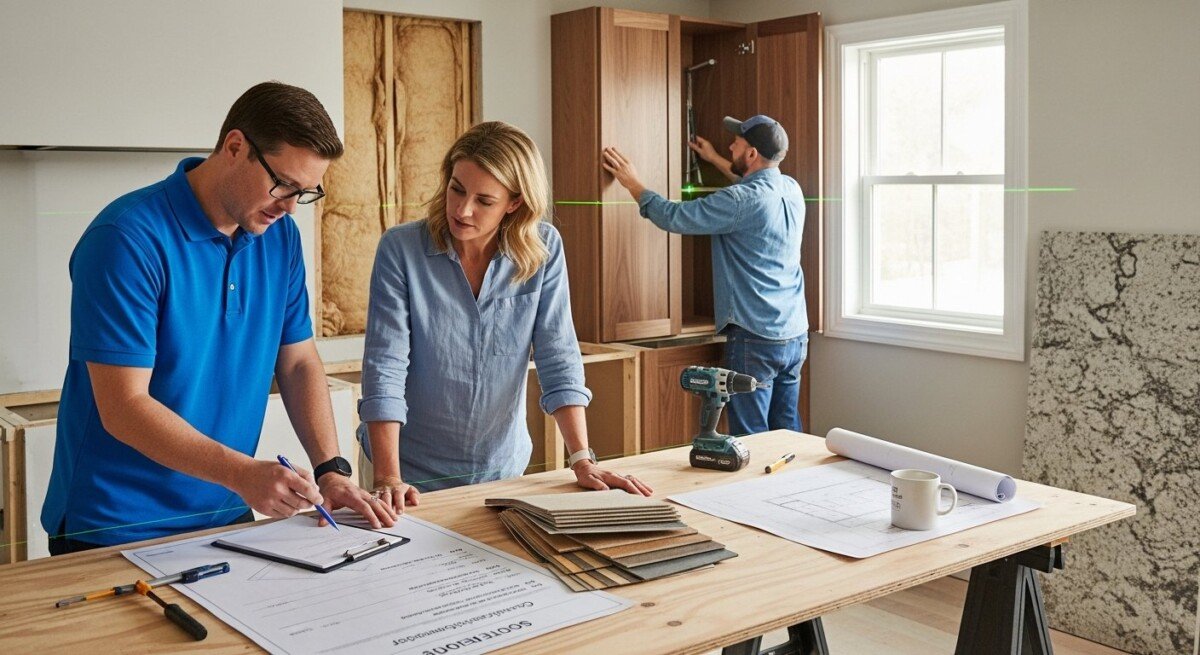
Understanding Remodeling Project Estimates for Homeowners
A practical guide for homeowners on understanding remodeling project estimates, avoiding common pitfalls, and ensuring a successful renovation.
By Alexia Mabel
Learn more about Exterior Painting for guides, costs, and what to expect.
Compare Exterior Painting Pros Near You

Enter your ZIP code to compare top-rated local professionals and request free quotes.
You’ve finally decided to tackle that kitchen renovation or add that master bathroom you’ve always wanted. You start dreaming about finishes and layouts, but then a practical question stops you cold: “How much will this actually cost?” For many homeowners, the world of remodeling project estimates feels confusing, filled with unknowns and the fear of hidden surprises. Getting a clear, realistic estimate isn’t just about budgeting; it’s the foundation of a successful project that protects your investment and your peace of mind.
Understanding Remodeling Project Estimates
A remodeling project estimate is more than just a single number. It’s a detailed breakdown of the anticipated costs for your specific project, provided by a contractor before any work begins. This document translates your vision into a practical plan, outlining materials, labor, timelines, and other expenses.
Creating an accurate estimate requires experience and a careful evaluation of your home. A good contractor considers not just the obvious work, but also potential challenges hidden behind walls or under floors. This upfront diligence is what separates a realistic budget from a guess that can lead to stressful mid-project changes and costs.
What Goes Into a Good Estimate?
A trustworthy estimate is detailed and itemized. It should clearly separate costs for demolition, materials, labor, permits, and waste disposal. This transparency allows you to see exactly where your money is going and makes it easier to compare quotes from different contractors on an apples-to-apples basis.
Why This Matters for Your Home
An accurate estimate is your first line of defense against project nightmares. It sets clear expectations for both you and the contractor, preventing misunderstandings that can strain the working relationship. Without a solid estimate, you risk running out of funds halfway through, leaving you with an unfinished space and a major financial headache.
More importantly, a professional estimate considers the long-term health of your home. It ensures the work is done correctly with proper materials, protecting your property’s structural integrity and safety. Cutting corners based on an unrealistically low bid can lead to costly repairs down the road, negating any initial “savings.” For insights on which projects protect and enhance your investment, our guide on remodeling projects that offer the best ROI can help you prioritize.
If you notice signs of this issue in your home, it may help to speak with a qualified contractor. Request a free quote or call to explore your repair or remodeling options.
Common Problems Homeowners Experience
Navigating estimates can be tricky. A common frustration is receiving a vague, one-line quote that gives no insight into cost components. This makes it impossible to understand what’s included and sets the stage for “change orders”,additional charges for things you assumed were part of the original price.
Another widespread issue is the wide range in quotes. You might get three estimates that vary by tens of thousands of dollars. This disparity often stems from different assumptions about the scope of work, material quality, or the contractor’s experience level. It’s not just about finding the lowest price; it’s about understanding the value behind each number.
- “Ballpark” Figures: Verbal guesses that bear little resemblance to the final cost.
- Missing Line Items: Estimates that omit critical costs like permits, dumpsters, or finishing touches.
- Unrealistic Timelines: Schedules that don’t account for material delays or unforeseen complications.
- Scope Creep: Starting a project based on a basic estimate, only to have the price balloon as more work is “discovered.”
- Low-Ball Bids: Suspiciously low quotes that may indicate inexperience, the use of subpar materials, or a plan to hit you with extra charges later.
How Professionals Solve the Problem
A reputable contractor approaches an estimate as a collaborative planning session. They start by listening to your goals and then conduct a thorough assessment of the work area. This process allows them to identify potential issues,like outdated wiring or plumbing,before they become expensive, mid-project surprises.
Their expertise allows them to create a comprehensive and realistic budget. They know the true cost of quality materials, the time required for skilled labor, and the local permitting process. This professional approach transforms anxiety into confidence, giving you a clear roadmap for your project’s success.
- Consultation & Scope Definition: A detailed discussion to understand your vision, needs, and budget.
- On-Site Inspection: A physical evaluation of the space to assess existing conditions and identify potential challenges.
- Detailed Documentation: Creation of a written estimate that lists all tasks, materials (including brands/grade), labor hours, and a projected timeline.
- Review & Clarification: A walk-through of the estimate with you to ensure you understand every aspect and can make informed decisions.
A professional inspection can reveal hidden issues before they become expensive repairs. Compare contractor quotes here or call to discuss your project.
Warning Signs You Should Not Ignore
When reviewing an estimate, certain red flags should prompt you to ask more questions or seek another opinion. An estimate that feels rushed or dismissive of your concerns often reflects how the project itself will be managed. Trust your instincts,if something feels off during the estimating phase, it likely won’t improve once the work begins.
Paying attention to these signs protects you from choosing a contractor who may cut corners, use pressure tactics, or disappear after receiving a deposit. A trustworthy professional welcomes your questions and provides clear, patient explanations.
- The contractor is reluctant to put the estimate in writing.
- They demand a large deposit (more than 10-15%) before starting work.
- They cannot provide references or proof of insurance and licensing.
- The estimate lacks detail, using phrases like “miscellaneous” or “allowances” without clear definitions.
- They pressure you to sign immediately, claiming the price is only good for today.
- The timeline seems impossibly short compared to other quotes.
What Affects the Cost of Repairs or Installation
Many factors influence the final number on your remodeling estimate. The size and complexity of the project are the most obvious,a full kitchen overhaul costs more than a powder room update. However, the choices you make regarding materials have a massive impact. Premium countertops, custom cabinetry, and high-end fixtures will increase the budget compared to standard, stock options.
Your home’s age and condition are also major cost drivers. Older homes often contain surprises like knob-and-tube wiring, plaster walls, or structural issues that must be addressed to meet modern building codes. The accessibility of the work area matters, too; a second-story bathroom or a tight urban lot with no parking can increase labor time and costs.
Costs can vary depending on the condition of your home. The best way to know the price is to get a personalized estimate. Request free quotes from contractors or call today.
How to Choose the Right Contractor
The estimate is a reflection of the contractor. Choosing the right professional is the most important decision you’ll make for your remodel. Start by verifying their credentials: a valid state license, general liability insurance, and workers’ compensation coverage are non-negotiable for your protection.
Don’t just collect estimates; interview the contractors. Ask about their experience with projects similar to yours, their process for handling unforeseen issues, and who will be supervising the job site daily. The goal is to find someone who is not only skilled but also communicates well and understands your vision.
- Get Multiple Quotes: Aim for at least three detailed, written estimates to compare.
- Check Reviews and References: Read online reviews and, crucially, call past clients to ask about their experience.
- Review the Contract Thoroughly: Ensure the final contract includes the detailed estimate, payment schedule, start/end dates, and warranty information.
- Assess Communication: Choose someone who listens, answers questions clearly, and makes you feel comfortable.
- Confirm Who Does the Work: Ask if they use their own employees or subcontractors, and how they ensure quality control.
Long-Term Benefits of Professional Work
Investing in a thorough estimate and a qualified contractor pays dividends long after the project is complete. Professional work done to code ensures the safety of your family and the durability of the renovation. You’ll avoid the recurring headaches and costs of fixes that stem from poor craftsmanship or improper installation.
Furthermore, a well-executed remodel enhances your daily living experience and significantly boosts your home’s market value. Quality workmanship and materials stand the test of time, making your home more energy-efficient, functional, and enjoyable. It’s an investment that pays off in comfort now and financial return later, a concept explored further in our analysis of projects with the best return on investment.
How long does it take to get an estimate?
A thorough, walk-through estimate for a medium-sized project like a bathroom remodel typically takes a few days to prepare after the initial meeting. For larger whole-house projects, it may take a week or more. A reputable contractor needs time to measure, plan, and price materials accurately.
What’s the difference between an estimate and a quote?
An “estimate” is typically a professional’s best calculation of costs, but the final price may change slightly if conditions differ. A “quote” or “bid” is often a fixed price for a clearly defined scope of work. Always clarify which you are receiving and under what circumstances the price could change.
Should I always choose the lowest estimate?
Not necessarily. The lowest bid can sometimes mean the contractor has misunderstood the scope, plans to use inferior materials, or is inexperienced. It’s crucial to compare the details line-by-line to ensure you’re comparing equal value, quality, and scope of work.
What questions should I ask when reviewing an estimate?
Ask about what is NOT included, the payment schedule, the projected timeline, who pulls permits, how change orders are handled, and the warranty on both materials and labor. A good contractor will have clear answers.
How much should a deposit be?
A typical deposit ranges from 10% to 15% of the total project cost to secure the contract and schedule the work. Be wary of contractors who demand 50% or more upfront; a fair payment schedule is tied to project milestones.
What if I find a problem after work starts?
This is why a detailed contract is vital. It should outline a “change order” process for addressing unforeseen issues. This involves documenting the problem, agreeing on a solution and adjusted cost, and signing an amendment before the extra work proceeds.
How can I prepare for the estimate meeting?
Have a clear idea of your goals, preferences, and budget. Gather inspiration photos, take measurements of the space, and make a list of your must-haves versus nice-to-haves. The more information you provide, the more accurate the estimate will be.
Understanding remodeling project estimates empowers you to move forward with your home improvement dreams confidently. By recognizing the value of a detailed, professional estimate, you take the first crucial step toward a successful project that enhances your home’s comfort, safety, and value. The smartest move any homeowner can make is to invest time upfront in comparing detailed quotes from qualified contractors, ensuring your vision becomes a reality you can afford and enjoy for years to come.
Learn more about Exterior Painting for guides, costs, and what to expect.
Compare Exterior Painting Pros Near You
Enter your ZIP code to compare top-rated local professionals and request free quotes.