
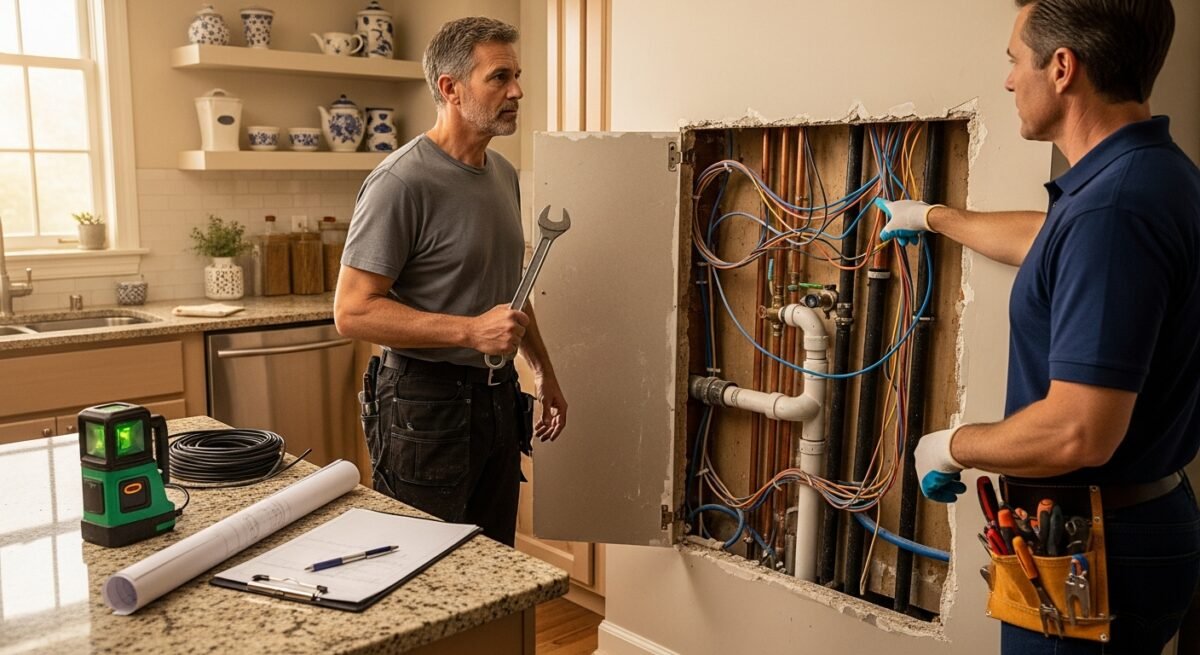
Signs You Need a Professional Home Contractor
Learn the key signs your home needs a professional contractor, from structural warnings to major renovations. Protect your investment and ensure safe, quality work.
By Alexia Mabel
Learn more about Exterior Painting for guides, costs, and what to expect.
Compare Exterior Painting Pros Near You

Enter your ZIP code to compare top-rated local professionals and request free quotes.
Your home is your sanctuary, but over time, it can present you with challenges that are more than just a weekend DIY project. From mysterious leaks to rooms that no longer function for your family, knowing when a small fix has become a major job requiring a skilled pro is key to protecting your investment and your peace of mind. Ignoring the signs can lead to bigger, more expensive problems down the road.
Protect your investment and peace of mind. Call 📞833-439-3727 or visit Hire a Contractor to schedule a consultation with a professional contractor today.
Understanding When It’s Time to Call a Home Contractor
Many homeowners pride themselves on handling minor repairs, but there’s a distinct line between a simple task and a project that demands professional expertise. A professional home contractor brings experience, proper licensing, and a network of specialized tradespeople to ensure work is done safely, to code, and with lasting quality.
Recognizing the signs early can save you from the stress of a botched job, unexpected costs, and potential safety hazards. It’s about being a smart homeowner who knows when to leverage professional skill for the best outcome.
Beyond Cosmetic Updates
Sometimes the need for a contractor isn’t about something broken, but about a vision unfulfilled. If you’re dreaming of a new kitchen layout, adding a bathroom, or finishing a basement, these are clear signals you need a pro. These projects involve structural, electrical, and plumbing systems that require precise planning and execution.
Why Hiring a Professional Contractor Matters
Choosing to hire a professional contractor is an investment in quality, safety, and long-term value. Amateur work can often look fine on the surface but hide problems that only reveal themselves later, leading to costly repairs and decreased home value. Professionals ensure the work meets local building codes, which is crucial for your safety and for any future home sale.
Furthermore, a reputable contractor manages the entire project timeline, coordinates with inspectors, and handles the procurement of materials. This lifts the enormous burden of project management off your shoulders, turning a potentially chaotic experience into a smooth, streamlined process. You gain a single point of contact and accountability.
Understanding what makes a home contractor trustworthy is the first step in this process, giving you the confidence that your project is in capable hands.
Common Home Issues and Their Root Causes
Many problems that signal the need for a contractor start small. A persistent drip from a ceiling might point to a failing roof or compromised flashing. Cracks in walls or foundations can indicate settling, water damage, or structural stress. These issues are symptoms of larger, underlying problems.
Other common triggers include outdated electrical systems that can’t handle modern appliance loads, leading to frequent breaker trips. Or, you might have a room that feels perpetually drafty due to poor insulation or aging windows. These aren’t just inconveniences; they’re clues that your home’s core systems need professional attention.
- Water Damage: Stains, peeling paint, or warped floors often signal leaks from plumbing, roofing, or foundation cracks.
- Structural Concerns: Sagging floors, sticking doors, or large cracks in drywall or masonry can indicate foundation or framing issues.
- System Failures: Frequent electrical issues, insufficient water pressure, or HVAC systems that can’t maintain temperature point to aging or faulty systems.
How Professional Contractors Solve These Problems
A professional contractor starts with a thorough assessment, diagnosing not just the visible issue but its root cause. This holistic approach prevents the common “patch job” cycle. For a structural concern, they might bring in a structural engineer; for a leak, they’ll trace it to its origin rather than just sealing the visible spot.
They then develop a detailed plan and scope of work, providing you with a clear timeline and cost estimate. Their expertise allows them to foresee challenges and navigate building permits and inspections seamlessly. The actual repair or renovation is performed by skilled tradespeople using the correct tools and high-quality materials, ensuring durability and compliance with all building codes.
Ready to get a professional assessment for your home project? Find trusted home contractors near you who can provide a detailed evaluation and quote.
Signs You Should Not Ignore
Some home issues are mere annoyances, while others are red flags waving vigorously for professional help. Paying attention to these warnings can prevent minor damage from escalating into a major disaster. Your home communicates its needs; learning to listen is crucial.
If multiple issues appear simultaneously,like electrical problems combined with moisture spots,it often indicates a interconnected systemic failure. This is a definitive sign that a comprehensive professional evaluation is needed. Don’t wait for a small crack to become a gap or a drip to become a flood.
- Major Water Intrusion: Any sign of active leaking, especially from ceilings or walls, requires immediate professional diagnosis.
- Significant Structural Movement: Doors/windows that no longer open, large diagonal cracks in walls, or sloping floors.
- Persistent Mold Growth: Recurring mold, despite cleaning, signals a chronic moisture problem that needs expert remediation.
- Knob-and-Tube or Aluminum Wiring: Outdated electrical systems present a serious fire hazard and must be updated by a licensed electrician.
- Planning a Major Renovation: Any project that involves moving walls, changing layouts, or adding square footage.
Cost Factors and What Affects Pricing
The cost of hiring a home contractor varies widely based on the project’s scope, complexity, and your location. A simple bathroom update will cost significantly less than a full second-story addition. Understanding these factors helps you set a realistic budget and interpret quotes accurately.
Protect your investment and peace of mind. Call 📞833-439-3727 or visit Hire a Contractor to schedule a consultation with a professional contractor today.
Key cost drivers include the quality of materials you select (e.g., standard vs. premium cabinets), the extent of structural changes needed, and the current condition of your home. Unforeseen issues, like discovering rotten wood or outdated wiring once walls are opened, can also affect the final price. A trustworthy contractor will communicate these possibilities upfront. For budget-conscious planning, exploring affordable home contractors and regional cost insights can provide valuable context.
Always ensure your quotes are detailed and include labor, materials, permits, and a contingency for unexpected repairs. This transparency is a hallmark of professional service.
How To Choose the Right Professional for the Job
Selecting the right contractor is as important as deciding to hire one. Start by verifying their license and insurance; this is non-negotiable for your protection. Ask for references from recent clients and, if possible, visit a completed project to see their work firsthand.
Look for a contractor who listens to your ideas, communicates clearly, and provides a detailed written contract. This document should outline the project scope, timeline, payment schedule, and specific materials to be used. A good working relationship, built on trust and clear communication, is essential for a successful project outcome.
The Long-Term Benefits for Your Home
Investing in professional contracting work pays dividends for years to come. Properly executed repairs and renovations enhance your home’s safety, improve its energy efficiency (leading to lower utility bills), and significantly boost its market value. You gain not just a fixed problem, but an upgraded living space.
Perhaps most importantly, you gain peace of mind. Knowing that your electrical system won’t spark a fire, your roof won’t leak in the next storm, and your addition is structurally sound allows you to enjoy your home fully. Professional work comes with warranties and guarantees, ensuring that the investment is protected long after the crew has packed up and left.
Frequently Asked Questions
How do I know if a project is DIY or needs a contractor?
If the project involves structural elements, plumbing, electrical systems, major gas lines, or requires a building permit, it’s time to call a pro. Simple cosmetic updates like painting or installing pre-made shelves are typically DIY-friendly.
What’s the difference between a general contractor and a handyman?
A licensed general contractor manages large projects, pulls permits, and hires specialized subcontractors (like electricians and plumbers). A handyman is best for small repairs and maintenance tasks that don’t require permits or specialized trade licenses.
Should I get multiple bids for my project?
Yes, getting at least three detailed bids is recommended. However, the lowest bid isn’t always the best. Compare the scope of work, materials, timeline, and the contractor’s communication style and reputation.
What questions should I ask a contractor before hiring?
Ask for proof of license and insurance, references, who will be supervising the job site daily, the projected timeline, and how change orders and payments will be handled. Always get everything in writing.
How long do most home renovation projects take?
Timelines vary drastically. A small bathroom remodel may take 2-3 weeks, while a full kitchen renovation or addition can take 2-4 months or more. Your contractor should provide a detailed schedule.
What is a contingency budget, and do I need one?
A contingency budget is an extra 10-20% of the project cost set aside for unexpected issues discovered during work (like hidden water damage). It’s a standard and prudent part of planning any renovation.
Do contractors help with design ideas?
Many contractors have strong design sensibilities and can offer excellent guidance. For complex projects, they may recommend you work with an architect or interior designer to finalize plans before construction begins.
How are payments typically structured?
A standard schedule involves a small initial deposit, followed by progress payments at defined milestones (e.g., after framing, after drywall), with a final payment due upon satisfactory completion. Never pay the full amount upfront.
Your home is one of your most important investments. Recognizing the signs that you need professional help and acting on them by hiring a qualified, trustworthy home contractor is the surest way to protect that investment, enhance your daily living, and ensure your home stands strong and beautiful for years to come. Don’t let uncertainty or small fixes delay the care your house deserves.
Protect your investment and peace of mind. Call 📞833-439-3727 or visit Hire a Contractor to schedule a consultation with a professional contractor today.
Learn more about Exterior Painting for guides, costs, and what to expect.
Compare Exterior Painting Pros Near You
Enter your ZIP code to compare top-rated local professionals and request free quotes.