
How to Negotiate Home Renovation Costs Successfully
Learn practical strategies for how to negotiate home renovation costs with contractors to get a fair price and a successful project.
By Chelsea Kris
Learn more about General Contracting for guides, costs, and what to expect.
Compare General Contracting Pros Near You

Enter your ZIP code to compare top-rated local professionals and request free quotes.
You’ve finally decided to tackle that kitchen remodel or finish the basement. You’ve dreamed about it, saved for it, and maybe even pinned a few inspiration photos. Then, you get the first contractor quote, and your heart sinks. The number is far higher than you expected. You feel stuck between your vision and your budget, unsure if you can even ask for a better price. This moment is where many homeowners freeze, accepting a cost that strains their finances or abandoning the project altogether. But there is a better way. Learning how to negotiate home renovation costs is a critical skill that can save you thousands, reduce stress, and ensure you get the quality work your home deserves without overpaying.
Understanding How to Negotiate Home Renovation Costs
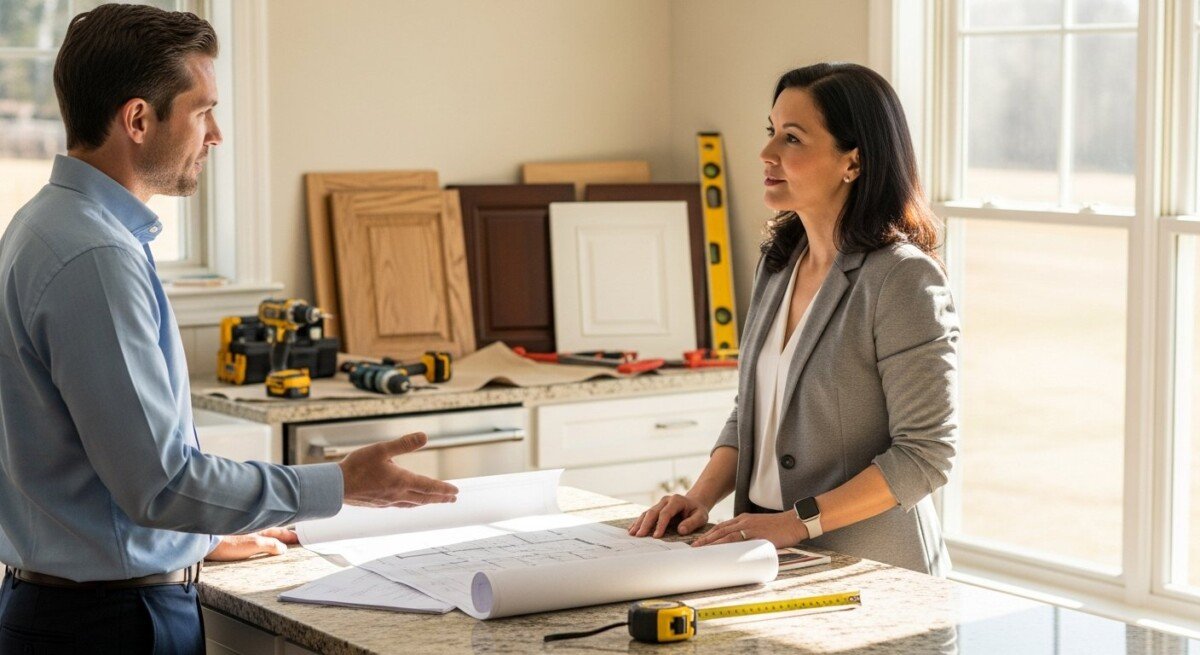
Negotiating a renovation quote isn’t about haggling like you’re at a flea market. It’s a professional conversation focused on value, scope, and fair pricing. It’s the process of discussing a contractor’s proposal to ensure it aligns with your budget and project goals, while respecting the contractor’s need to run a profitable, sustainable business.
This process happens because renovation estimates are rarely fixed. They are based on material selections, labor time, project complexity, and the contractor’s overhead. Many factors within that estimate have flexibility. Understanding this is the first step to a productive negotiation.
Almost every homeowner can benefit from this approach, whether you’re updating a single bathroom or undertaking a whole-house remodel. It’s especially valuable for first-time renovators who may not know what costs are reasonable and for those working with a tight but realistic budget.
Why This Matters for Your Home
Failing to negotiate or understand a quote can lead to serious financial strain. You might end up sacrificing quality finishes or essential project elements later because the initial price was too high. Worse, you could be tempted to choose the suspiciously lowest bidder, which often leads to costly home renovation mistakes like cutting corners, using subpar materials, or encountering endless change orders.
Getting a fair price from the start protects your investment. Your home is likely your most valuable asset. A well-executed renovation should increase its value, functionality, and your enjoyment. Overpaying diminishes your return on investment, while underpaying can result in shoddy work that actually decreases your home’s value and creates safety hazards.
Proper negotiation sets the tone for the entire project. It establishes clear communication, mutual respect, and a shared understanding of expectations between you and your contractor. This foundation is crucial for a smooth process and a successful outcome you’ll love for years to come.
If you notice signs of this issue in your home, it may help to speak with a qualified contractor. Request a free quote or call to explore your repair or remodeling options.
Common Problems Homeowners Experience
When facing a renovation estimate, homeowners often encounter a few predictable hurdles. The most common is “sticker shock”,the quote is simply more than you anticipated. This can stem from rising material costs, unseen structural issues the contractor factored in, or simply an inaccurate budget on your part.
Another frequent problem is the “apples to oranges” dilemma. You receive three bids, and they are all wildly different in price and scope. One includes high-end appliances, another uses builder-grade materials, and the third might have missed a major component entirely. Comparing them feels impossible, making negotiation seem pointless.
Homeowners also struggle with the fear of offending a good contractor. You want to build a positive relationship, so you hesitate to question any line item. This can lead to signing a contract you don’t fully understand or can’t comfortably afford.
- Vastly different quotes for the same described project.
- Hidden fees or vague line items like “general conditions” or “overhead.”
- Pressure to sign quickly with a “today only” discount.
- Quotes that don’t specify brands, models, or grades of materials.
- Unclear payment schedules that require too much money upfront.
- An overall price that forces you to compromise on essential project goals.
How Professionals Solve the Problem
A reputable contractor doesn’t view a negotiation as a confrontation. They see it as a collaboration to finalize a project plan. Their expertise allows them to explain costs clearly, suggest alternatives, and help you prioritize where to spend and where to save. They solve the problem by bringing transparency and options to the table.
An experienced pro knows multiple ways to achieve a similar look or function. They can often suggest a different material, a slightly modified layout, or a phased approach that better fits your budget while maintaining quality. Their goal is to earn your business by providing value, not just the lowest price.
Here is a typical process a professional uses to work with you on cost:
- Detailed Estimate Review: They walk you through their quote line-by-line, explaining labor, material, and subcontractor costs.
- Scope Clarification: They ensure the written scope of work matches your verbal understanding of the project.
- Value Engineering: They present alternative materials or methods that offer cost savings with minimal impact on aesthetics or durability.
- Phasing Options: For large projects, they may suggest a logical sequence to break the work into more affordable stages.
- Contract Finalization: All agreements on price, scope, schedule, and payments are put into a clear, written contract.
A professional inspection can reveal hidden issues before they become expensive repairs. Compare contractor quotes here or call to discuss your project.
Warning Signs You Should Not Ignore
Certain red flags during the quoting phase can signal that a contractor isn’t a good fit or that their price isn’t negotiable in a fair way. Ignoring these signs can lead to a nightmare renovation. The biggest warning is a contractor who gets defensive or dismissive when you ask questions about their estimate. Transparency is key to trust.
Another major sign is a quote that is significantly lower than all others. While tempting, this often means they’ve underestimated, plan to use inferior materials, or will hit you with expensive change orders later. A fair negotiation is based on realistic market prices, not a too-good-to-be-true lowball.
- The contractor refuses to provide a detailed, written estimate.
- They ask for a large cash deposit (more than 10-15%) before any work begins.
- They are not licensed, insured, or willing to provide references.
- The quote is a single lump sum with no breakdown of costs.
- They pressure you to sign immediately.
- Their communication is slow or unclear before you’ve even hired them.
What Affects the Cost of Repairs or Installation
Understanding what drives the final number empowers you to negotiate effectively. The single biggest factor is scope. A full gut-remodel of a kitchen costs exponentially more than a cosmetic update with the same cabinets. Being precise about what you want included is the foundation of an accurate quote.
Material choices cause huge price swings. Tile can cost $2 per square foot or $20. Countertops range from laminate to quartz to marble. Your selections here directly impact the budget. Labor is another major component, influenced by the project’s complexity, local wage rates, and the expected timeline of home renovation projects in your area.
Other factors include the age and condition of your home (older homes often have surprises), accessibility of the work area, permit costs, and the contractor’s own business overhead for insurance, tools, and skilled labor. A good estimate will account for all of these.
Costs can vary depending on the condition of your home. The best way to know the price is to get a personalized estimate. Request free quotes from contractors or call today.
How to Choose the Right Contractor
Your negotiation power starts with choosing the right person to negotiate with. Seek out contractors who are communicators, not just craftsmen. You want someone who listens to your goals, answers your questions patiently, and provides thorough documentation. This establishes a partnership from day one.
Always get at least three detailed quotes. This gives you a market baseline for your project’s cost. Don’t automatically choose the lowest; choose the one that offers the clearest communication, the most comprehensive scope, and the best feeling of trust. Remember, as you learn more about how long home renovation projects really take, a realistic schedule is often a sign of an honest contractor.
- Verify Credentials: Check for a valid state license, liability insurance, and workers’ compensation coverage.
- Read Reviews & Ask for References: Look at online reviews and actually call past clients to ask about their experience.
- Request Detailed, Itemized Estimates: A good quote breaks down costs for materials, labor, profit, and overhead.
- Compare Multiple Quotes: Use them to understand price ranges and ask questions about discrepancies.
- Assess Communication: Choose someone who is responsive, clear, and professional in all your interactions.
Long-Term Benefits of Professional Work
Investing in a fairly-priced, professional renovation pays dividends long after the workers leave. Quality workmanship and materials last longer, meaning you won’t face costly repairs or replacements in just a few years. This durability protects your investment and saves you money over time.
A well-executed project also enhances your home’s safety and efficiency. Proper electrical work, plumbing, and structural changes prevent hazards. Updated windows, insulation, and appliances can lower utility bills. These benefits contribute to your daily comfort and your home’s market value.
Ultimately, a successful negotiation and project completion give you peace of mind. You gain a beautiful, functional space that meets your needs, done correctly and at a fair price. This confidence in your home is perhaps the greatest long-term benefit of all.
Is it rude to negotiate with a contractor?
No, it’s not rude if done respectfully. Reputable contractors expect a discussion about budget and scope. Frame it as a collaboration: “We love your proposal, but it’s slightly above our budget. Are there areas where we could adjust the scope or materials to bring the cost closer to [your target]?” This shows you value their work and want to find a solution together.
What should I never negotiate?
Never negotiate on the fundamentals of quality, safety, or permits. Don’t ask a contractor to skip pulling required permits, use clearly substandard materials, or cut corners that violate building codes. This puts your home, your family’s safety, and your investment at serious risk. Focus negotiations on scope and material grades, not on proper procedure.
How much should a contractor’s quote be negotiated?
There’s no set percentage. It depends on the market, the project, and the quote’s composition. If a quote is in line with two other detailed bids, there may be only 5-10% of flexibility. If it’s the only quote you have and seems high, your research and subsequent quotes will tell you what’s reasonable. Aim for a fair market price, not an arbitrarily low one.
Should I tell a contractor my budget upfront?
Yes, being transparent about your realistic budget is helpful. It allows a conscientious contractor to tailor their design and material suggestions to fit within your range from the start. This can prevent sticker shock later and save everyone time. Say, “Our budget for this project is approximately $X. Can you work within that framework?”
What’s the difference between an estimate and a quote?
An estimate is a rough, preliminary guess of costs, often given before detailed plans are made. A quote (or bid) is a fixed-price offer to do the work as specified in a detailed scope of work. You negotiate and sign a contract based on a quote, not an estimate. Always insist on a detailed written quote before hiring.
How do I handle a contractor who won’t budge on price?
If the price is firm but still fair compared to other quotes, you have two choices: accept it or politely decline. If it seems high, ask them to explain why their price is higher than others you’ve received. Their answer about materials, process, or timeline may justify the cost. If not, thank them and move on to a contractor whose pricing and communication style are a better fit.
Can I negotiate after the project has started?
Negotiating the overall price after signing a contract and starting work is very difficult and can damage the relationship. However, you can and should negotiate any “change orders”,modifications or additions to the original scope. These should be discussed and priced separately before the extra work begins.
What is value engineering in renovation?
Value engineering is the process of finding cost-effective alternatives that achieve the same function or aesthetic without sacrificing quality. For example, using a luxury vinyl plank that looks like hardwood instead of solid hardwood flooring, or choosing a quartz countertop over more expensive marble. A good contractor will offer these options during negotiations.
Navigating renovation costs doesn’t have to be a source of anxiety. By understanding the process, preparing with research, and approaching negotiations as a collaborative discussion, you can secure a fair price for high-quality work. The key is to act early, get multiple detailed quotes, and choose a contractor you trust to be a partner in enhancing your home. Start by comparing quotes from qualified professionals to understand your options and take the first confident step toward your dream renovation.
Learn more about General Contracting for guides, costs, and what to expect.
Compare General Contracting Pros Near You
Enter your ZIP code to compare top-rated local professionals and request free quotes.