
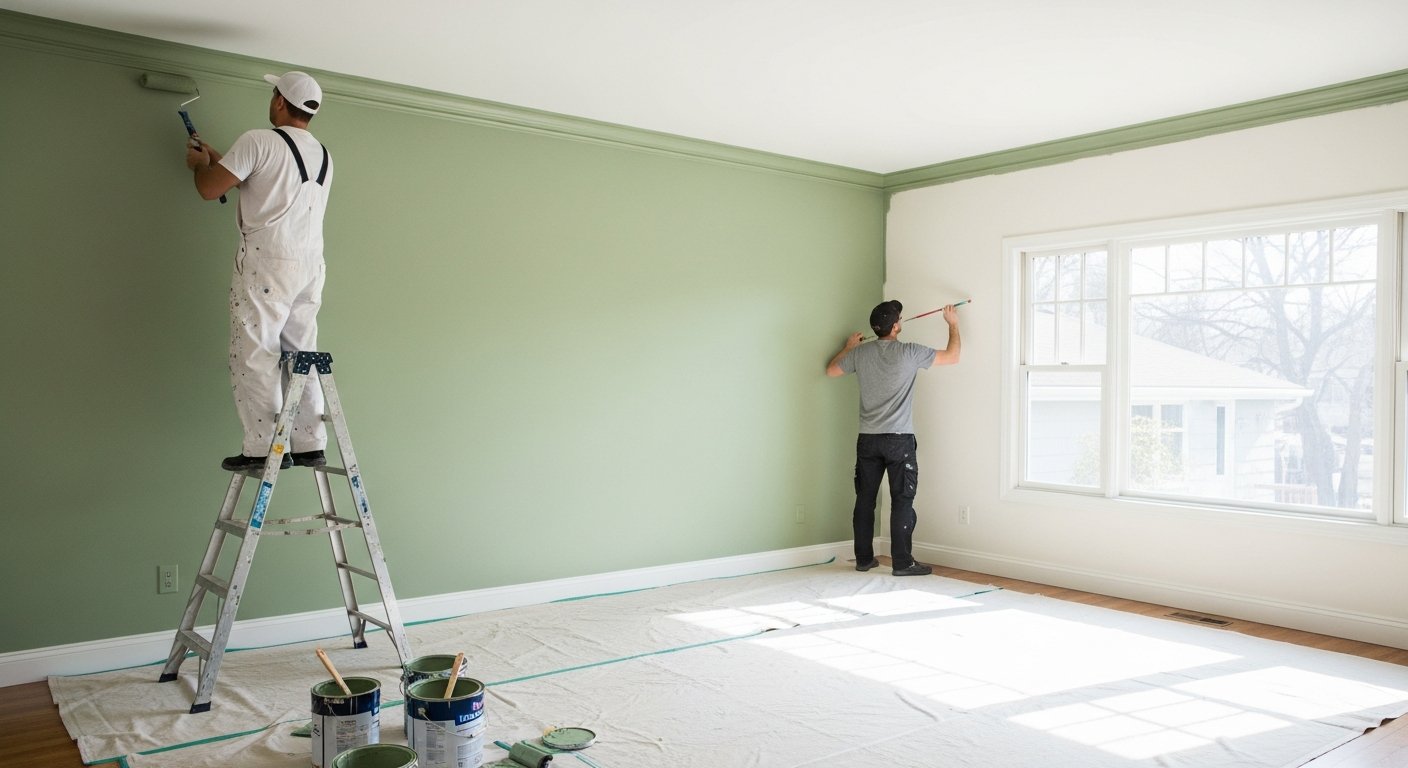
Interior Painting: How to Get Accurate Quotes
Learn what factors impact interior painting costs and how to get accurate quotes from pre-vetted contractors for a flawless finish.
By Alexia Mabel
Learn more about Interior Painting for guides, costs, and what to expect.
Compare Interior Painting Pros Near You

Enter your ZIP code to compare top-rated local professionals and request free quotes.
Few home improvements deliver the visual impact of a fresh coat of paint. A well-executed interior painting project can transform a tired living space into a vibrant, welcoming environment, and it often provides one of the highest returns on investment for homeowners. However, the process of hiring a professional painter involves more than just picking a color from a swatch. Understanding how interior painting quotes are calculated, what factors influence the final price, and how to select a reliable contractor can save you hundreds of dollars and a great deal of stress. This guide walks you through the essential steps of planning a successful interior painting project, from initial preparation to the final walkthrough, with a focus on helping you secure fair, accurate quotes.
The biggest mistake most homeowners make is focusing solely on the lowest bid. A cheap quote can hide inferior materials, rushed workmanship, or a contractor who is not properly insured. Conversely, the most expensive quote is not always the best. The key is to understand what you are paying for and to compare apples to apples. This article provides a comprehensive framework for navigating the interior painting process, ensuring you get the best value for your investment and a finish that lasts for years to come.
Why Professional Interior Painting Matters
While DIY painting can be tempting, the expertise of a professional brings a level of quality and efficiency that is hard to replicate. Professional painters have the skills to properly prepare surfaces, which is the most critical step for a durable finish. They know how to handle issues like cracks, holes, water stains, and old paint that is peeling or chalking. Their experience also means they can apply paint evenly, avoid visible brush strokes, and create crisp, clean lines around trim, ceilings, and fixtures. The result is not just a coat of color, but a smooth, flawless surface that enhances the entire room.
Beyond the aesthetic benefits, professional interior painting can also contribute to your home's indoor air quality. Many professional painters now use low-VOC (volatile organic compounds) or zero-VOC paints, which are better for your health and the environment. They also have access to high-grade equipment, such as commercial sprayers and specialized brushes, which can achieve a level of finish that is difficult to replicate with typical homeowner tools. When you consider the time, effort, and potential for costly mistakes, hiring a professional is often the more practical and cost-effective choice in the long run.
Key Factors That Influence Interior Painting Costs
Before you request quotes, it is helpful to understand the primary cost drivers. This knowledge will help you ask the right questions and evaluate bids more effectively. The total price of an interior painting project is determined by a combination of factors, including the size of the space, the condition of the walls, the type of paint selected, and the level of preparation required. Here are the most significant elements that will shape your final estimate.
One of the most obvious factors is the square footage of the area to be painted. However, painters often price by the square footage of wall and ceiling space, not just the floor area. The height of your ceilings also matters, as higher ceilings require more time and specialized equipment like ladders or scaffolding. The number of rooms, doors, and windows will also add to the labor time, as these features require careful cutting in and taping. Let's break down the other major components.
- Surface Preparation: This is often the most labor-intensive part of the job. Filling holes, sanding rough spots, patching cracks, and scraping old paint can add significant time and cost. Walls in poor condition will naturally cost more to prepare.
- Paint Quality: The price of paint varies dramatically. High-quality paints offer better coverage, durability, and washability, but they cost more per gallon. The number of coats required also affects the amount of paint and labor needed.
- Labor Costs: This is the largest portion of your quote. It reflects the time it takes for the crew to mask, prep, prime, and paint. It also includes the cost of their insurance, overhead, and profit.
- Ceilings and Trim: Painting ceilings and trim (baseboards, crown molding, window and door frames) adds complexity and time. These areas require a steady hand for clean lines and often a different type of paint than the walls.
- Number of Colors: Using multiple colors or custom color matches can increase the cost, as it requires more time to clean brushes and change paint in the sprayer, if one is used.
After considering these factors, you will be in a much better position to understand why one quote may be higher than another. A contractor who provides a detailed, itemized quote is showing you exactly where your money is going, which is a good sign of their professionalism and transparency. Be wary of any quote that is a simple lump sum without explanation, as this can be a red flag.
How to Get Accurate Interior Painting Quotes
Getting accurate quotes is the cornerstone of a successful interior painting project. The goal is to receive multiple, detailed estimates from different contractors so you can make a well-informed decision. This process is not just about finding the lowest price; it is about finding the best value and the most reliable professional for your specific needs. Here is a step-by-step approach to securing accurate and comparable bids.
First, gather your project details. Know the approximate square footage, the number of rooms, and the condition of your walls. Decide on a general color scheme, but be open to suggestions from professionals. Having this information ready will help you communicate your needs clearly and allow contractors to provide a more precise estimate. Next, you will want to invite at least three different contractors to your home for an on-site inspection. This is a crucial step, as it allows them to see the actual condition of the surfaces and measure the space accurately.
- Request a Written Estimate: Always ask for a detailed written estimate. This should include a breakdown of labor, materials, paint, and any other charges. This document protects you and ensures there are no surprises later.
- Ask About the Process: Inquire about their preparation methods. Will they move furniture? Do they use drop cloths? How much sanding and patching is included? A thorough contractor will have a clear, documented process.
- Check Their Qualifications: Verify that the contractor is licensed, insured, and bonded. Ask for proof of insurance and check their references. You can also look for reviews on reputable platforms.
- Compare Apples to Apples: Ensure each quote is for the same scope of work. If one contractor includes priming and another does not, the prices will not be comparable. Ask each contractor to specify the exact paint brand and grade they plan to use.
- Get a Timeline: Ask for a realistic start and completion date. A professional crew should be able to estimate how long the project will take. This is critical for your planning.
Once you have gathered these quotes, take your time to review them thoroughly. Do not feel pressured to make an immediate decision. A reputable contractor will understand that you are considering your options. The extra effort you put into this phase will pay off with a smoother project and a better final result. Using a service like Homes.Contractors can simplify this process by connecting you with pre-vetted professionals in your area who are ready to provide competitive quotes.
Understanding the Contractor's Quote
Deciphering a contractor's quote can feel like learning a new language, but it is essential for a successful project. A clear and professional quote will not just state a final price; it will break down the costs and outline the scope of work. This transparency is a hallmark of a trustworthy contractor. When you receive a quote, look for the following key components: a detailed description of the work, the specific paint products to be used, the estimated timeline, and the total cost. This level of detail shows that the contractor has taken the time to understand your project and has planned accordingly.
Be cautious of quotes that are extremely vague or that use generic terms like 'miscellaneous' without explanation. A professional quote should also specify what is not included in the price. For example, it should clarify if the cost includes moving heavy furniture or if the homeowner is responsible for that. It should also state whether wall repair, such as fixing large holes or cracks, is included or if it is an additional charge. Asking for clarification on any point you do not understand is always a good practice. A reputable contractor will be happy to explain their quote in detail, as they want you to feel confident in your decision.
Selecting the Right Painting Contractor
Choosing the right contractor is arguably the most important decision you will make. The best painter is not necessarily the one with the lowest price, but the one who offers the best combination of quality, reliability, and value. Start by asking for recommendations from friends, family, or neighbors who have had painting work done. You can also use online directories and review sites to find local professionals. Once you have a list of potential candidates, it is time to do your due diligence.
Check each contractor's credentials. Verify that they have a valid license and are fully insured, including liability and worker's compensation. This protects you from liability in case of an accident on your property. Look for a physical business address and a phone number. Ask for references from recent clients and actually call them. Ask about their experience, the quality of the work, and whether the project was completed on time and on budget. A professional contractor will have a portfolio of past work and will be happy to provide references. The right painter will also be a good communicator, answering your questions promptly and clearly.
Preparing Your Home for Painting Day
Once you have selected your contractor and signed the contract, a little preparation on your part can help the project run smoothly and efficiently. Clear the rooms that will be painted as much as possible. Move small furniture, decor, and breakables to another area. This allows the painters to move freely and protects your belongings. If you have large, heavy pieces of furniture that cannot be moved, let the contractor know in advance. They will typically cover these items with plastic sheeting.
Take down curtains, blinds, and wall hangings. This includes picture frames, mirrors, and clocks. Remove any nails or screws from the walls. If you have a home security system, you may need to provide the painters with a temporary code or be available to disarm it. It is also a good idea to cover any floors that the painters will not be covering with their drop cloths, adding an extra layer of protection. Finally, have a clear space for the painters to work, and be sure to discuss any specific concerns you have, such as pets or children, with the crew before they begin.
The Painting Process: What to Expect
Understanding the painting process can help you set realistic expectations. A professional crew will follow a systematic approach to ensure a high-quality finish. The first step is always surface preparation. This involves moving and covering furniture, cleaning the walls to remove dust and grease, and repairing any imperfections like holes, cracks, or dents. After the walls are smooth and dry, the crew will tape off trim, windows, and door frames to create clean lines. This preparation phase is critical and can take as long as the painting itself.
The next step is priming, especially if the walls are new, have been patched, or are being painted a significantly different color. Primer provides a uniform surface for the paint to adhere to, ensuring better coverage and a more even finish. After the primer dries, the painters will apply the first coat of paint, typically with a roller for large areas and a brush for edges and corners. They will then apply a second coat, which is essential for durability and rich color. Finally, after the paint has fully cured, the crew will remove the tape, clean up, and walk through the space with you to ensure you are completely satisfied with the work.
Maximizing the Value of Your Interior Painting Project
Interior painting is an investment, and like any investment, you want to maximize its return. Beyond the immediate visual boost, a fresh coat of paint can increase your home's resale value. Neutral colors like soft grays, warm beiges, and off-whites appeal to a broader range of potential buyers, making your home easier to sell. A clean, well-maintained interior signals to buyers that the home has been cared for, which can justify a higher asking price. The quality of the paint job also matters, as a flawless finish contributes to the overall impression of the home.
To get the most out of your project, choose a quality paint that is appropriate for the room's function. For high-traffic areas like hallways and kids' rooms, opt for a durable, washable finish like eggshell or satin. For bathrooms and kitchens, use paint that is resistant to moisture and mildew. Investing in a premium paint may cost more upfront, but it will last longer and look better, saving you money on future repaints. Partnering with a professional contractor from Homes.Contractors ensures that the job is done right, using the appropriate materials and techniques for your specific needs, which is the true key to maximizing your investment.
Finally, consider the long-term benefits. A high-quality interior painting job can last anywhere from 5 to 10 years. This means you are not just paying for a fresh look today, but for years of low-maintenance, beautiful walls. The right contractor will also offer a warranty on their workmanship, giving you peace of mind. By choosing to invest in a professional service, you are protecting your home's value and ensuring a beautiful, durable finish that you can enjoy for years to come. When you are ready to start your project, getting multiple quotes from qualified professionals through a trusted directory like Homes.Contractors is the smartest first step.
Learn more about Interior Painting for guides, costs, and what to expect.
Compare Interior Painting Pros Near You
Enter your ZIP code to compare top-rated local professionals and request free quotes.