
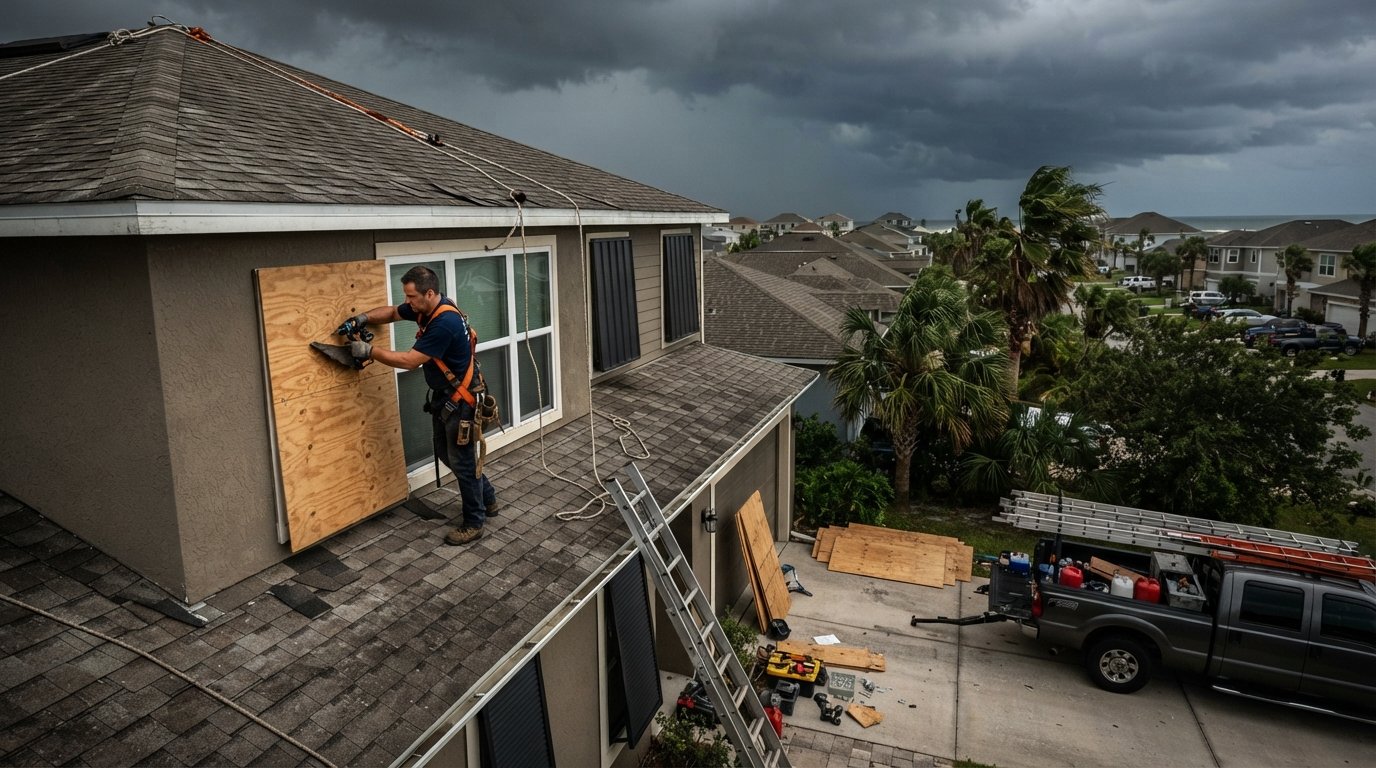
Hurricane Season Home Protection Repairs and Upgrades
Prepare your home for hurricane season with smart repairs and upgrades. Call 8334393727 for expert contractor quotes and protect your investment today.
By Adnan Nazir
Learn more about General Contracting for guides, costs, and what to expect.
Compare General Contracting Pros Near You

Enter your ZIP code to compare top-rated local professionals and request free quotes.
When hurricane season approaches, the difference between a minor inconvenience and a catastrophic loss often comes down to preparation. Homeowners along the Gulf Coast, the Atlantic seaboard, and even inland areas prone to tropical storm remnants understand that protecting a home requires more than stocking up on bottled water and batteries. It demands a strategic approach to repairs and upgrades that strengthen the structure against wind, water, and debris. This guide walks you through the most effective hurricane season home protection repairs and upgrades, helping you prioritize projects, budget wisely, and work with qualified contractors to get the job done right.
Assessing Your Home's Vulnerabilities Before Hurricane Season
Before you can protect your home, you need to understand where it is most likely to fail. A thorough assessment should examine the roof, windows, doors, garage door, siding, and the surrounding landscape. Start by walking the perimeter of your property and noting any visible damage: missing shingles, cracked caulk, loose fence posts, or tree limbs that overhang the house. Inside, check for signs of water intrusion such as stains on ceilings or musty odors in attics and crawl spaces.
It also helps to review the age and material of each major component. A roof that is more than 15 years old may have weakened fasteners or deteriorated underlayment. Single-pane windows offer little resistance to flying debris. An older garage door without horizontal bracing can buckle under wind pressure, allowing water and wind to enter the home. Once you have a clear picture of your home's weak points, you can prioritize repairs and upgrades that deliver the greatest protection per dollar.
For homeowners who prefer professional guidance, requesting multiple contractor estimates can provide valuable insights. A qualified inspector or contractor can identify issues you might miss and recommend code-compliant solutions. When you compare contractor estimates, look for detailed line items that specify materials, labor, and timelines. This practice not only helps you budget but also ensures you are comparing apples to apples.
Roof Repairs and Upgrades: Your First Line of Defense
The roof is the most critical component during a hurricane. Wind-driven rain can force water under shingles, while uplift pressure can peel away entire sections. Before the season begins, schedule a professional roof inspection. Repair any loose or missing shingles, replace damaged flashing around chimneys and vents, and seal gaps with a high-quality roof cement. If your roof is nearing the end of its lifespan, consider a full replacement with impact-resistant materials rated for high winds.
Upgrades such as secondary water barriers, hurricane straps, and reinforced roof-to-wall connections can significantly improve performance. Many of these upgrades may qualify for insurance discounts, so keep receipts and documentation. In some states, grant programs help offset the cost of wind mitigation improvements. A local contractor familiar with your area's building codes can advise on the most effective measures.
- Install impact-rated shingles or metal roofing with a Class 4 rating.
- Add a secondary water-resistant barrier under the primary roofing material.
- Reinforce gable ends with bracing to resist wind pressure.
- Secure roof sheathing with ring-shank nails or adhesive.
These upgrades not only protect your home but can also lower your insurance premiums. Insurers increasingly reward homeowners who invest in wind mitigation. After the work is complete, ask your contractor for a wind mitigation inspection report to submit to your insurer.
Window and Door Protection: Shutters, Films, and Impact Glass
Windows and doors are common points of failure. A single broken window can pressurize the house, leading to roof loss. There are several options for protecting these openings. Permanent storm shutters, such as accordion or roll-down models, offer convenience and strong protection. Removable panels are more affordable but require storage and advance installation. Impact-resistant glass with laminated layers is an excellent choice for new windows or replacements, as it resists breakage from flying debris.
For a budget-friendly temporary solution, you can cut plywood panels to fit each window and store them with labeled hardware. However, plywood must be at least 5/8 inch thick and properly anchored to be effective. Whichever method you choose, ensure that all doors, including garage doors, are reinforced. Garage doors are particularly vulnerable; a bracing kit or a new wind-rated door can prevent a catastrophic breach.
When hiring a contractor for window or door replacement, verify that they are licensed and insured. Our guide on change orders in construction explains how to handle modifications that arise during installation, so you are not caught off guard by unexpected costs.
Reinforcing Garage Doors and Entry Points
The garage door is often the largest opening in a home and the most susceptible to wind damage. A standard garage door can fail at wind speeds as low as 70 mph. To strengthen it, install a vertical bracing system or a hurricane-resistant garage door. Many manufacturers offer reinforcement kits that are relatively inexpensive and easy to install. If you are replacing the door, choose one rated for high wind speeds and ensure it is properly anchored to the framing.
Entry doors should be solid core or have a reinforced strike plate. Double doors need heavy-duty bolts at the top and bottom. Sliding glass doors should have both layers of glass laminated or be protected with shutters. These measures prevent wind from entering and creating internal pressure that can lift the roof.
Beyond the doors themselves, check the surrounding walls for cracks or gaps. Seal any openings around utility lines, pipes, and vents with caulk or expanding foam. This simple step can prevent water from seeping into walls during heavy rain.
Landscaping and Outdoor Items: Reducing Projectile Risks
During a hurricane, loose objects become dangerous projectiles. Before a storm, secure or store lawn furniture, grills, trash cans, and garden tools. Trim trees and shrubs well in advance; weak branches can break and damage your home or power lines. If you have large trees near the house, consider having a professional arborist evaluate their health and remove hazardous limbs.
Gutters and downspouts should be cleaned and securely fastened. Clogged gutters can cause water to back up under the roof edge, leading to rot and leaks. Consider installing gutter guards to reduce debris accumulation. Also, check that your fence and shed are anchored properly; these structures can become windborne debris if not secured.
For a comprehensive approach, create a pre-storm checklist that includes these outdoor tasks. Store important documents in a waterproof container and have a plan for evacuation if necessary. Protecting your home also means protecting your family, so practice your emergency plan before the season starts.
Water Intrusion and Flood Protection
Hurricanes bring not only wind but also torrential rain and storm surge. Even if you are not in a designated flood zone, water can enter through gaps, cracks, and backflowing drains. Install a sump pump with a battery backup in basements and crawl spaces. Check that your yard slopes away from the foundation, and consider installing French drains or swales to divert water.
For homes in low-lying areas, flood barriers such as sandbags or commercial flood panels can be deployed around doors and garage openings. Seal basement walls with waterproof coatings and ensure that window wells are covered. If you have a septic system, have it inspected to prevent sewage backup during flooding.
It is also wise to review your insurance coverage. Standard homeowners policies typically do not cover flood damage; you may need a separate flood policy through the National Flood Insurance Program or a private insurer. Understand your deductible and coverage limits before a storm hits.
Working with Contractors: Estimates, Timelines, and Quality
Many hurricane protection upgrades require professional installation. Finding a reliable contractor is essential, especially when demand spikes before storm season. Start your search early and gather at least three estimates. Be wary of contractors who demand large upfront payments or offer unusually low bids; these are red flags for potential scams.
When you request quotes, ask for a detailed scope of work, material specifications, and a timeline. Verify that the contractor is licensed, bonded, and insured. Check references and look for online reviews. A reputable contractor will be transparent about costs and will not pressure you into unnecessary upgrades.
If you need help connecting with qualified professionals, consider using a platform like USremodel, which connects homeowners with independent contractors across the United States. Such services can simplify the process of obtaining multiple quotes and comparing options. However, always perform your own due diligence before signing a contract.
Keep in mind that even the best contractor may encounter unforeseen issues. Our article on change orders in construction provides practical advice on how to document and approve changes to avoid disputes.
Budgeting for Hurricane Season Repairs and Upgrades
Home protection projects can range from a few hundred dollars for caulk and plywood to tens of thousands for a new roof or impact windows. Prioritize improvements that offer the highest risk reduction per dollar. Start with roof repairs, garage door bracing, and window protection. Then, as budget allows, invest in impact glass and a full roof replacement with hurricane-rated materials.
Many homeowners finance these upgrades through home equity loans, personal lines of credit, or government-backed programs. Some states offer grants or low-interest loans for wind mitigation. Research local incentives and tax credits; they can significantly offset costs. Also, remember that insurance discounts may apply, reducing your long-term expenses.
Create a timeline that spreads projects over several years if needed. For example, replace windows one year, then upgrade the roof the next. This approach makes the financial burden more manageable and ensures that each project is done correctly rather than rushed.
Maintenance After the Storm: Inspections and Repairs
Once a storm passes, safety is the first priority. Avoid downed power lines and damaged structures. If you evacuated, do not return until authorities say it is safe. When you do return, inspect your home for damage: check the roof, windows, doors, and foundation. Take photos and document everything for insurance claims.
Even if there is no visible damage, have a professional inspect your roof and attic for hidden leaks or structural stress. Moisture can lead to mold and rot if left untreated. Address any issues promptly to prevent further damage. If you need repairs, contact your insurance company first, then hire a licensed contractor. Be cautious of door-to-door repair crews that appear after storms; verify credentials before allowing any work.
Finally, use the post-storm period to update your emergency plan and restock supplies. Each storm provides lessons that can improve your future preparedness. By investing in hurricane season home protection repairs and upgrades, you not only safeguard your property but also gain peace of mind knowing you have done everything possible to weather the storm.
Learn more about General Contracting for guides, costs, and what to expect.
Compare General Contracting Pros Near You
Enter your ZIP code to compare top-rated local professionals and request free quotes.