How to Avoid Contractor Scams and Protect Your Home
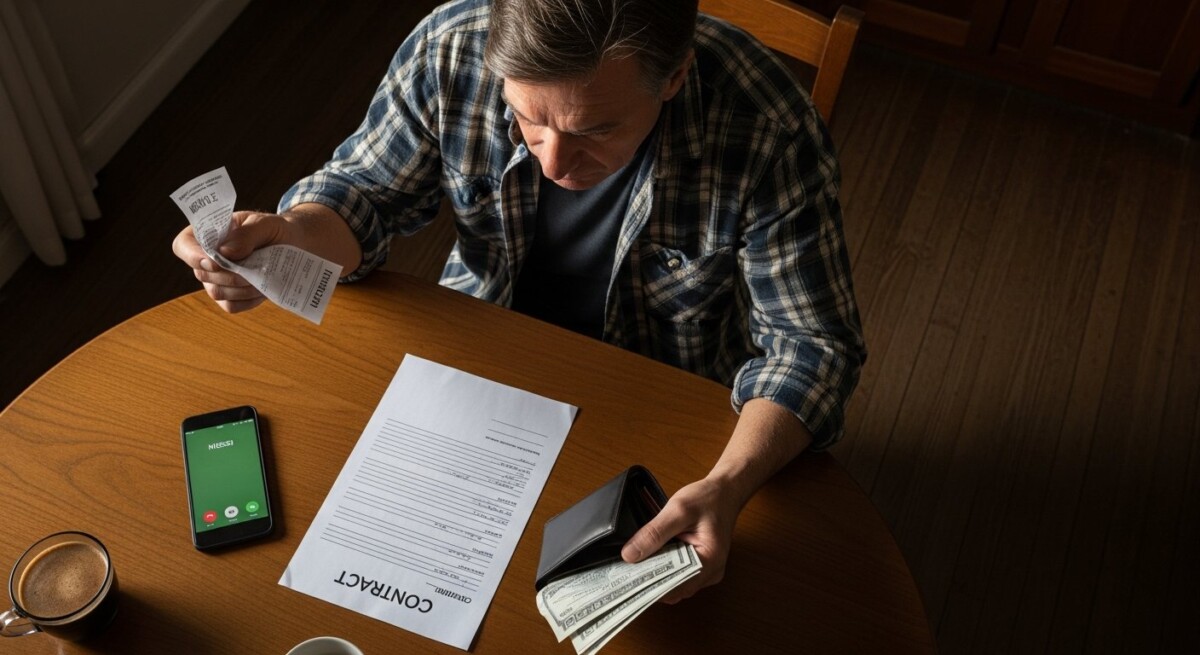
You finally saved up for that kitchen remodel, or maybe a leaky roof just forced your hand. You find a contractor online with a great price and a friendly voice, hand over a deposit, and then… the phone calls stop. The job never starts, or worse, it is done so poorly that it causes thousands of dollars in additional damage. This scenario is far too common, and learning how to avoid contractor scams is one of the most important skills a homeowner can develop. The problem often begins with a knock on the door or an online ad that seems too good to be true, and if ignored, it can drain your savings and leave your home in a dangerous condition.
Understanding How to Avoid Contractor Scams
At its core, how to avoid contractor scams is about recognizing the red flags that dishonest operators use to separate you from your money. A scam contractor typically asks for a large upfront payment, pressures you to sign a contract immediately, or claims to have leftover materials from another job in your neighborhood. They often lack a physical business address, proper licensing, and insurance.
These scams happen in every state and affect all types of homes, but older homes and properties in need of urgent repairs are frequently targeted. Scammers prey on homeowners who are anxious about a broken furnace, a leaking roof, or a storm-damaged exterior. They exploit your sense of urgency to bypass your normal caution, leaving you with a half-finished project and a hole in your wallet.
Why Scammers Target Homeowners
Home improvement scams are lucrative because the average homeowner does not know what a fair price or a proper contract looks like. Scammers rely on this knowledge gap. They also know that once you hand over cash, recovering it is difficult. Understanding this dynamic is the first step in protecting yourself, and our guide on how to avoid contractor scams and protect your home offers deeper insight into their tactics.
Why This Matters for Your Home
Falling for a contractor scam does not just cost you money; it actively damages your property. A scammer might rip off old shingles and never install new ones, leaving your roof exposed to rain. They might wire your new bathroom incorrectly, creating a fire hazard. These shortcuts and abandonments can turn a minor repair into a major structural emergency.
Delaying the discovery of a scam only compounds the problem. Water damage from a botched roof repair can rot the framing and ruin your insulation. Electrical work done without a permit can void your homeowners insurance. The safety of your family and the long-term value of your home are at stake, which is why taking action early to find a legitimate professional is essential for your peace of mind and financial security.
If you notice signs of this issue in your home, it may help to speak with a qualified contractor. Request a free quote or call to explore your repair or remodeling options.
Common Problems Homeowners Experience
Homeowners who get scammed often share similar stories. The most common problem is the “disappearing act,” where the contractor takes a large down payment and vanishes before any work begins. Another frequent issue is the “bait and switch,” where the contractor quotes a low price for inferior materials but installs something even worse than promised.
These problems are not just frustrating; they create real, physical damage. A poorly installed deck can collapse, a shoddy paint job can trap moisture against your siding, and a “fixed” foundation crack can actually worsen over time. Real-life scenarios include homeowners paying for a full driveway replacement only to receive a thin layer of asphalt that crumbles within a year, or hiring a “specialist” for mold removal who simply paints over the problem.
- Unfinished work: The crew starts the job but never returns to complete it.
- Substandard materials: The contractor uses cheap, low-quality materials instead of what was agreed upon.
- Inflated change orders: The price suddenly doubles once the work begins, with excuses about “unforeseen” issues.
- Lien filings: The contractor fails to pay their suppliers, and the suppliers place a lien on your home.
- Permit problems: The contractor tells you permits are unnecessary, leaving you liable for code violations.
- Fake credentials: The contractor shows you a license number that belongs to another, legitimate company.
How Professionals Solve the Problem
Experienced, legitimate contractors solve these problems by following a transparent and structured process. They start with a detailed, written estimate that lists the scope of work, materials, and timeline. They pull the necessary permits and schedule inspections, ensuring the work meets local building codes. This process protects both the contractor and the homeowner.
Professional work is safer and more reliable than a DIY fix or a fly-by-night operation because it is backed by insurance, warranties, and a reputation to protect. A real contractor stands behind their work and wants you to be a repeat customer or a source of referrals. They do not pressure you into signing; they encourage you to take your time and compare options.
- Inspection and Assessment: A professional visits your home to assess the damage or project scope in person.
- Detailed Written Estimate: You receive a clear, itemized quote outlining the costs for labor and materials.
- Permit Acquisition: The contractor handles all necessary permits and schedules official inspections.
- Scheduled Work: The project is completed according to a pre-agreed timeline, with regular updates.
- Final Inspection and Cleanup: The finished work is inspected, and the site is cleaned thoroughly before final payment.
A professional inspection can reveal hidden issues before they become expensive repairs. Compare contractor quotes here or call to discuss your project.
Warning Signs You Should Not Ignore
Your gut feeling is often your best defense against a scam. If a contractor makes you feel uncomfortable or rushed, listen to that instinct. Other warning signs are more concrete and easy to spot if you know what to look for. High-pressure sales tactics, demands for cash-only payments, and a refusal to put anything in writing are classic red flags.
Ignoring these signs can lead to a cascade of problems. A small leak ignored because you trusted the wrong person can turn into a mold infestation. Delaying the decision to find a reputable contractor only gives the scammer more time to disappear with your money. Early action is your most powerful tool for protecting your home and your finances.
- Door-to-door solicitation: Legitimate contractors rarely knock on doors looking for work.
- Large upfront payment demands: Be wary of anyone asking for more than 10% or a few thousand dollars before starting.
- No physical address: The contractor only provides a P.O. box or a cell phone number.
- Pressure to sign immediately: They claim the price is only good “today.”
- No proof of insurance: They cannot or will not provide a certificate of liability and worker’s compensation insurance.
- Vague contract terms: The contract lacks specifics about materials, timelines, or payment schedules.
What Affects the Cost of Repairs or Installation
The cost of a legitimate home repair or remodel varies widely based on several factors. The size of the project is the most obvious,a full bathroom remodel costs more than fixing a single leaky faucet. The materials you choose also play a major role, with luxury tile and custom cabinetry driving up the price compared to standard options.
Labor costs are influenced by the complexity of the work and the accessibility of your home. A roof repair on a steep, multi-story house is more expensive than a flat, ground-level roof. Older homes often require extra work to bring wiring or plumbing up to modern code, which can increase the final estimate. The best way to understand these costs is to get multiple, itemized bids from different professionals.
Costs can vary depending on the condition of your home. The best way to know the price is to get a personalized estimate. Request free quotes from contractors or call today.
How to Choose the Right Contractor
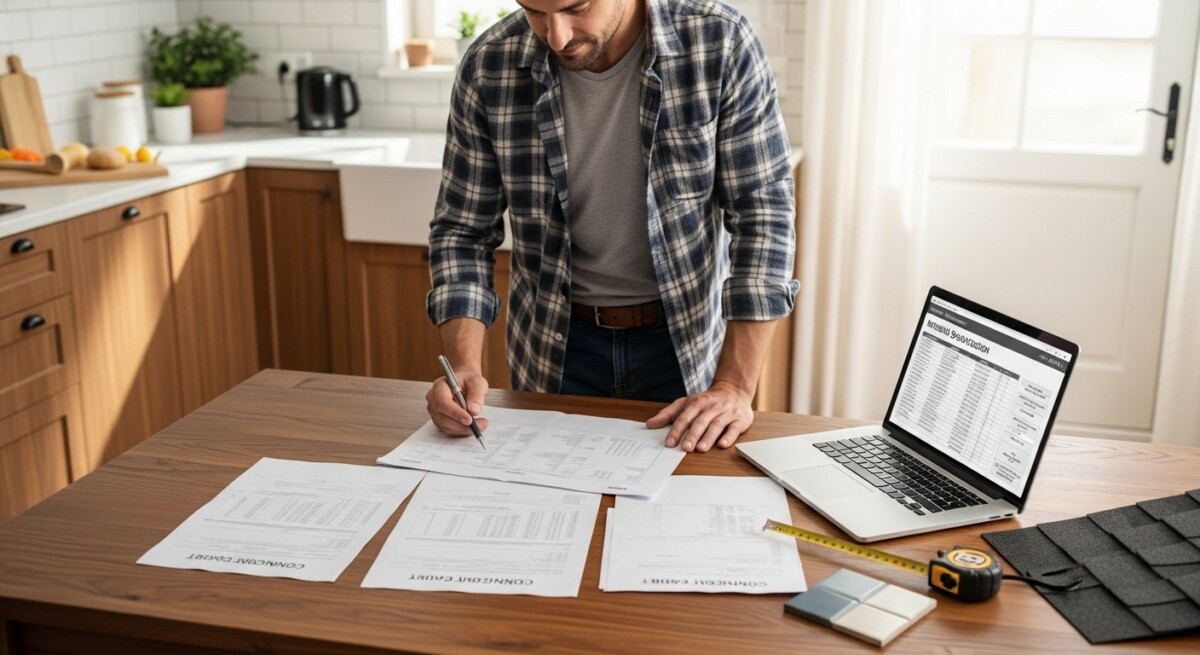
Choosing the right contractor is a process of verification. Start by asking for recommendations from neighbors or friends who have had similar work done. Then, cross-reference those names with online reviews and your state’s licensing board. A good contractor has a verifiable track record and a history of satisfied customers.
Once you have a shortlist, ask each candidate for a detailed, written estimate. Compare these estimates not just on price, but on the scope of work and the quality of materials listed. Do not automatically choose the lowest bid; it often means the contractor is cutting corners or missed something important. A trustworthy professional will be happy to answer your questions and provide references.
- Verify licenses and insurance: Check with your state or local licensing board and ask for proof of insurance.
- Read recent reviews: Look for reviews on Google, Yelp, or the Better Business Bureau that mention similar projects.
- Ask for references: Call previous clients and ask if they were happy with the work and if the project stayed on budget.
- Get multiple quotes: Aim for at least three written estimates to understand the market rate for your project.
- Read the contract carefully: Ensure the contract includes a start date, completion date, and a clear payment schedule.
Long-Term Benefits of Professional Work
Hiring a professional contractor is an investment in your home’s future. Work that is done correctly the first time lasts longer and performs better. A properly installed roof keeps your home dry for decades, and a well-framed deck provides safe outdoor space for years of family gatherings. These improvements add real, measurable value to your property.
Beyond durability, professional work offers improved safety and energy efficiency. A licensed electrician ensures your wiring is safe and up to code, reducing the risk of fire. A skilled HVAC contractor can install a system that heats and cools your home efficiently, lowering your monthly utility bills. These benefits mean less stress, lower maintenance costs, and a higher resale value when you decide to sell your home. For more detailed information, read our article on how to avoid contractor scams and protect your home.
How can I verify a contractor’s license?
You can verify a contractor’s license by visiting your state’s licensing board website. Most states offer a free online search tool where you can enter the contractor’s license number to see if it is active and in good standing. You can also call the board directly to confirm the license status and check for any complaints.
What is a normal down payment for a contractor?
A normal down payment is typically 10% to 15% of the total project cost, or a flat fee to cover materials that need to be ordered. Be very suspicious of any contractor who demands 50% or more upfront. Legitimate contractors have the credit and cash flow to buy materials and pay their crew without needing your full payment before the job is done.
Should I pay a contractor with cash?
It is generally not a good idea to pay a contractor with cash. Cash payments leave no paper trail, making it very difficult to prove you paid if there is a dispute. Checks or credit cards provide a record of the transaction and offer you more protection. Many credit cards also offer purchase protection that can help you recover lost funds if the contractor fails to deliver.
What should I do if I think I have been scammed?
If you believe you have been scammed, stop all payments immediately and document everything. Gather all contracts, receipts, photos, and text messages. Then, file a complaint with your state’s attorney general, the local police, and the Better Business Bureau. You may also want to consult with a lawyer to explore your options for recovering your money.
How can I find a reputable contractor in my area?
You can find a reputable contractor by using a trusted referral directory like Homes.Contractors, which connects you with pre-vetted professionals. You can also ask friends, family, and neighbors for recommendations. Once you have a name, always check their online reviews and verify their license and insurance before signing a contract.
Is it safe to hire a contractor from social media?
Hiring a contractor from social media can be risky because it is easy for scammers to create fake profiles with stolen photos. If you find a contractor on social media, treat them like any other candidate: verify their license, ask for references, and get a written contract. Do not let a polished social media page replace your own due diligence.
What is a lien waiver and why do I need one?
A lien waiver is a document from a contractor or subcontractor stating they have been paid and waive their right to file a lien against your property. You should ask for a lien waiver from the general contractor and any subcontractors after you make a payment. This protects you from being forced to pay for materials or labor twice if the contractor fails to pay their suppliers.
How long should I wait for a contractor to start the job?
A reasonable start date depends on the complexity of the project and the contractor’s schedule, but it should be clearly stated in the contract. For most jobs, a start date within two to four weeks is normal. If the contractor keeps delaying the start date without a valid reason, it may be a sign that they are overbooked or not serious about your project.
Protecting your home from contractor scams requires a combination of awareness, patience, and verification. By understanding the warning signs, doing your research, and always getting multiple written estimates, you can confidently hire a professional who will do the job right. Do not let urgency or a low price push you into a bad decision. Take the time to learn how to avoid contractor scams and protect your home, and always compare quotes before starting your next project.