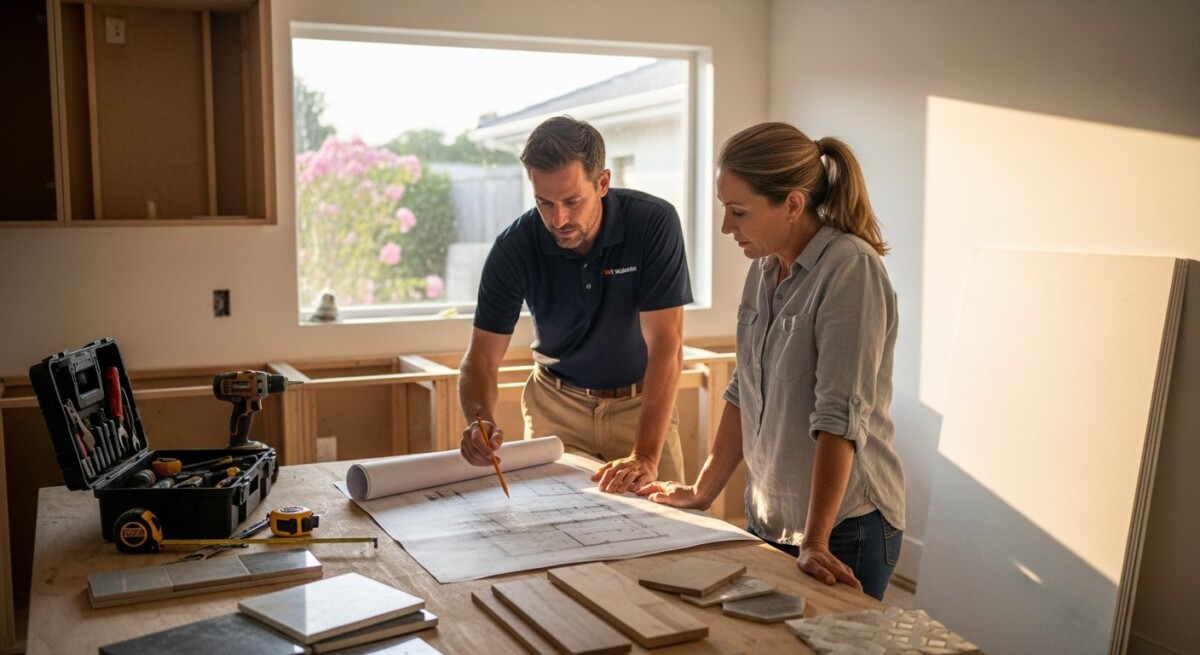
How to Avoid Contractor Scams and Protect Your Home
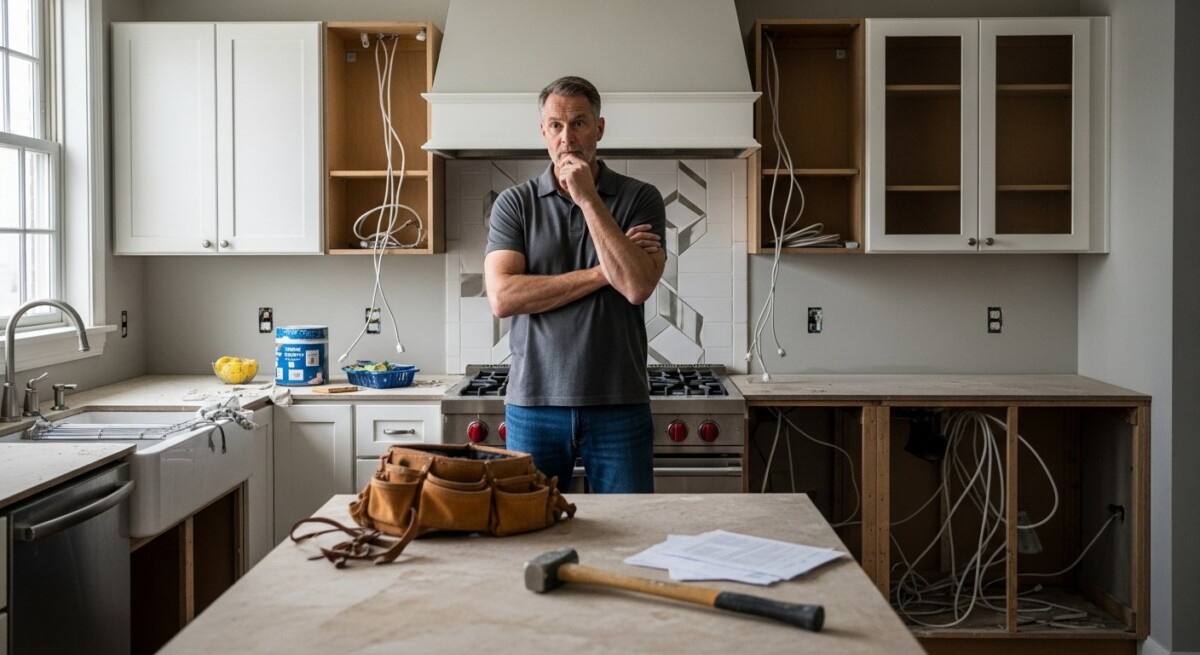
You’ve finally saved up for that kitchen remodel or urgent roof repair. You find a contractor online who offers a great price and promises a quick start. You pay a large deposit, and then… they stop returning your calls. The work is shoddy, incomplete, or never begins at all. This nightmare scenario is how many homeowners discover they’ve been scammed, leaving them with lost money, a damaged home, and immense stress. Learning how to avoid contractor scams is not just about saving money,it’s about protecting your biggest investment and your peace of mind. Ignoring the red flags can lead to serious financial loss and unsafe living conditions.
Understanding Contractor Scams
Contractor scams are deceptive practices used by dishonest individuals or companies to take advantage of homeowners during repair or remodeling projects. These scams can range from demanding large upfront cash payments and disappearing to using substandard materials and performing dangerously poor work.
They happen because homeowners are often vulnerable, especially after a storm or when facing an urgent repair. Scammers prey on this urgency and lack of specialized knowledge. While any homeowner can be targeted, those undertaking large projects, elderly residents, and people dealing with emergency damage are often most affected.
Why This Matters for Your Home
Falling victim to a contractor scam has consequences that go far beyond losing a deposit. Shoddy electrical or plumbing work can create serious fire or flood hazards for your family. Poor structural repairs can compromise your home’s integrity, leading to costly damage down the line.
Furthermore, botched projects can significantly decrease your home’s value. Future buyers will be wary of hidden problems left by an unqualified worker. Taking the time to vet contractors properly protects your safety, your property, and your financial future.
If you notice signs of this issue in your home, it may help to speak with a qualified contractor. Request a free quote or call to explore your repair or remodeling options.
Common Problems Homeowners Experience
Homeowners who have been scammed often share similar, frustrating stories. The problems usually start with a persuasive sales pitch and end with a project in disarray. The financial and emotional toll can be overwhelming.
These issues frequently appear as projects that are never finished, work that fails inspections, or massive cost overruns that were never discussed. The aftermath leaves homeowners needing to pay a legitimate professional to fix the mess, effectively paying for the job twice.
- Paying a large cash deposit (often 50% or more) upfront, after which the contractor vanishes.
- Receiving an extremely lowball estimate that skyrockets once work has begun.
- Being pressured to sign a contract immediately with high-pressure “today-only” discounts.
- Having a contractor who lacks proper licensing, insurance, or a permanent business address.
- Experiencing constant delays, excuses, and a lack of communication.
- Discovering the work is incomplete, uses wrong materials, or fails to meet building codes.
How Professionals Solve the Problem
Reputable contractors build their business on trust, quality, and clear communication. They follow a professional process designed to protect both the homeowner and their own reputation. This structured approach is your best defense against scams.
Professional work is safer and more reliable because licensed contractors understand local building codes, secure proper permits, and carry insurance that protects you from liability. They provide detailed contracts and stand behind their work with warranties.
- Consultation & Estimate: They provide a detailed, written estimate after assessing the project scope.
- Contract & Permits: A clear contract is signed, outlining costs, timeline, and materials. They pull all required permits.
- Reasonable Payment Schedule: Payments are tied to project milestones, not demanded in full upfront.
- Quality Execution: Work is performed by skilled tradespeople using agreed-upon materials.
- Final Inspection & Walkthrough: The project is completed, inspected, and any issues are addressed before final payment.
A professional inspection can reveal hidden issues before they become expensive repairs. Compare contractor quotes here or call to discuss your project.
Warning Signs You Should Not Ignore
Spotting a potential scam early can save you thousands of dollars and months of headaches. The warning signs often appear during your first interactions. Trust your instincts,if something feels off, it probably is.
Paying attention to these red flags allows you to walk away before any money changes hands. Early action prevents you from being locked into a bad situation with a dishonest operator.
- The contractor only accepts cash, asks for full payment upfront, or pressures you for a large deposit.
- They show up uninvited (“door knockers”) after a storm, claiming to “see damage” and offering a deal.
- They refuse to provide a written, detailed contract or a permanent business address and phone number.
- Their vehicle has no company name or branding, or they use a PO Box instead of a physical office.
- They are unwilling to provide references from recent local projects you can visit.
- They ask you to obtain the building permits yourself, which is often a sign they are not licensed.
What Affects the Cost of Repairs or Installation
Understanding what goes into a project’s cost helps you identify estimates that are suspiciously low or unreasonably high. A legitimate contractor’s price reflects materials, labor, overhead, and expertise.
Factors like the project’s complexity, the quality of materials chosen, and your home’s accessibility all influence the final cost. An experienced contractor will explain these factors clearly, helping you make informed decisions for your budget and goals.
Costs can vary depending on the condition of your home. The best way to know the price is to get a personalized estimate. Request free quotes from contractors or call today.
How to Choose the Right Contractor
Selecting a trustworthy contractor requires a bit of homework, but it’s the most important step in your project. This due diligence ensures you hire someone qualified who will treat your home with respect. For a deeper dive into this process, our comprehensive guide on how to avoid contractor scams outlines each verification step.
Taking the time to check credentials and compare multiple quotes gives you confidence in your choice. It transforms a potentially stressful process into a collaborative partnership for improving your home.
- Verify Licenses and Insurance: Check their state contractor’s license is active and that they carry both liability and workers’ compensation insurance.
- Read Reviews and Ask for References: Look at online reviews on multiple platforms and ask for 2-3 recent local references you can call.
- Get Detailed, Written Estimates: Obtain at least three itemized quotes that break down costs for materials, labor, and timeline.
- Review the Contract Thoroughly: Ensure the contract includes start/end dates, payment schedule, specific materials, and a process for handling changes.
- Trust Your Gut: Choose someone who communicates clearly, answers your questions patiently, and makes you feel comfortable.
Long-Term Benefits of Professional Work
Hiring a reputable professional is an investment that pays dividends long after the project is complete. Quality workmanship ensures the repair or improvement lasts for years, performing as intended. Understanding the full scope of a contractor’s responsibilities is key, which is why reviewing a detailed contractor selection checklist is so valuable.
Beyond durability, professional work enhances your daily life through improved safety, efficiency, and comfort. It also protects and increases the resale value of your home, giving you a strong return on your investment when it’s time to sell.
You gain peace of mind knowing the job was done right, with proper permits and warranties in place. This eliminates the worry of hidden problems or future failures that often plague DIY or scam artist work.
FAQs
What is the biggest red flag for a contractor scam?
The biggest red flag is a demand for a large cash deposit or full payment before any work begins. Reputable contractors typically use a payment schedule tied to project milestones, with a final payment due upon satisfactory completion.
How much should I pay a contractor upfront?
A reasonable upfront deposit is often around 10-30% of the total project cost to secure materials and schedule. Be very wary of any contractor who demands 50% or more before starting. Your payment schedule should be clearly outlined in your contract.
Is a verbal agreement with a contractor enough?
No, a verbal agreement is never enough. Always insist on a detailed, written contract that includes the project scope, materials, timeline, total cost, and payment schedule. This document protects you if disputes arise later.
What should I do if I think I’m being scammed?
Stop all payments immediately. Document everything,contracts, emails, texts, and photos of work. Contact your local consumer protection agency, the Better Business Bureau, and consider consulting with an attorney. For complex projects, having a clear homeowner’s guide to contractor agreements from the start is your best defense.
How can I verify a contractor’s license?
You can verify a contractor’s license through your state’s licensing board website, usually found via a simple online search. A legitimate contractor will gladly provide their license number for you to check.
Should a contractor pull the permits?
Yes, the contractor should always pull the required building permits for the work. If they ask you to get the permit as the homeowner, it may be because they are not properly licensed or insured to do the work in your area.
Is the lowest bid always the best choice?
Not necessarily. An extremely low bid can be a sign that the contractor plans to use subpar materials, cut corners, or will later hit you with expensive change orders. Compare multiple detailed bids and consider the value, reputation, and communication style, not just the price.
Protecting your home from contractor scams is about being an informed and proactive homeowner. By recognizing the warning signs, doing your research, and choosing a licensed professional, you can move forward with your project confidently. Addressing home improvements with a trustworthy partner ensures your investment is secure and your home is in good hands. Start by comparing detailed quotes from several qualified contractors to understand your options and make the best choice for your home and family.