Essential Home Repair Services for Aging Homes
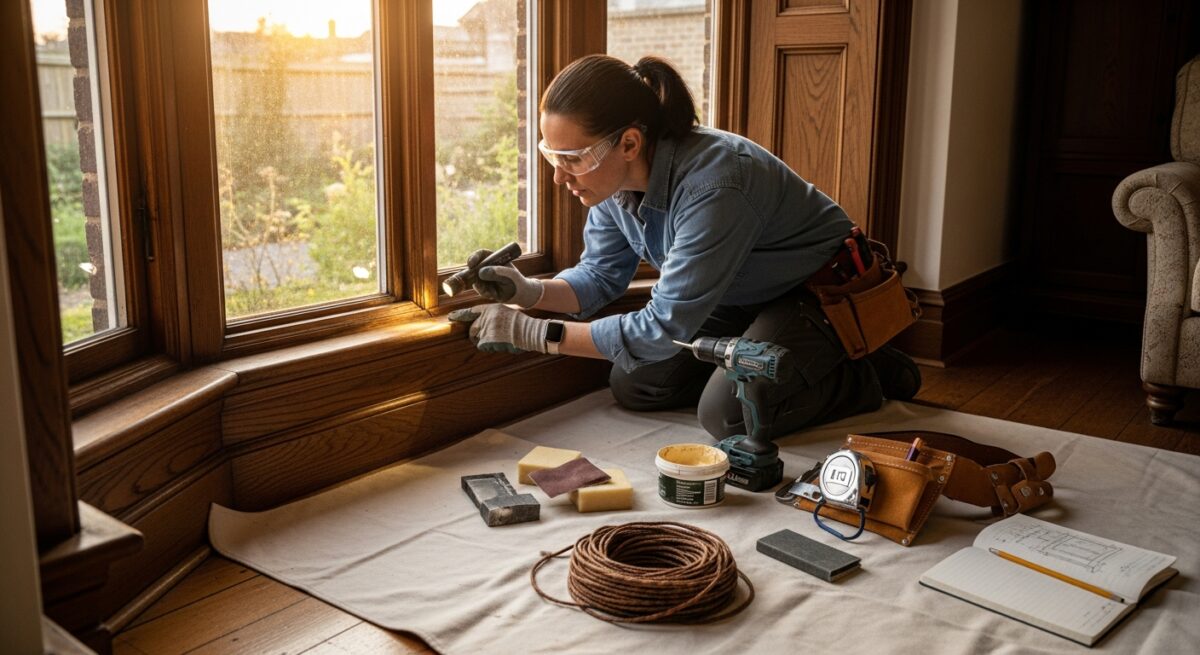
Your home has sheltered you for years, maybe even decades. But just like us, houses show their age. That familiar creak in the floorboard, the window that sticks in summer, or the slight dip in the hallway aren’t just quirks,they’re signs your home needs some thoughtful care. For aging homes, proactive repair isn’t just about fixing what’s broken; it’s about preserving your investment, ensuring safety, and maintaining the comfort you’ve built.
Protect your home and investment. Call 📞833-439-3727 or visit Assess Your Home to schedule a professional assessment of your aging home today.
Understanding Home Repair for Older Homes
Home repair services for aging homes focus on addressing the unique wear and tear that comes with time. These aren’t always full-scale renovations. Instead, they are targeted fixes and updates that tackle the specific vulnerabilities of older structures.
The goal is to extend the life of your home’s core systems and materials, preventing small issues from becoming major, costly emergencies. It’s a maintenance philosophy that values prevention and preservation, ensuring your home remains safe, efficient, and beautiful for years to come.
It’s More Than Just a Patch Job
Quality repair for an aging home goes beyond surface-level fixes. It involves understanding how different systems,like plumbing, electrical, and structural framing,interact and have aged together. A professional looks at the root cause, not just the symptom, to provide a lasting solution.
Why It Matters for Homeowners
Ignoring the needs of an aging home can lead to a cascade of problems. A small roof leak, left unchecked, can lead to rotted framing, damaged insulation, and toxic mold growth. What starts as a minor repair can quickly escalate into a project costing thousands.
More importantly, timely repairs are crucial for safety. Outdated electrical wiring is a fire hazard. Failing foundations or support beams can compromise structural integrity. Slippery, worn flooring or unstable railings increase the risk of falls. Proactive maintenance directly protects your family and your biggest financial asset.
Don’t let concerns about cost delay essential repairs. Addressing issues early is almost always more affordable than dealing with the consequences of neglect. Think of it as scheduled care for your home, much like you’d maintain a classic car.
Common Issues and Their Causes
Older homes face a predictable set of challenges. Materials degrade, building standards evolve, and decades of use take their toll. Understanding these common issues helps you know what to watch for.
Many problems stem from moisture intrusion, material fatigue, and outdated systems. For instance, old galvanized steel pipes corrode from the inside out, restricting water flow. Wood framing members can dry out, warp, or fall victim to insect damage over many years.
- Foundation Settling and Cracks: Soil movement, water drainage issues, and the sheer weight of the structure over time can cause foundations to settle unevenly, leading to cracks in walls and floors.
- Roof and Gutter Deterioration: Constant exposure to sun, rain, and temperature cycles breaks down shingles and flashing. Clogged or damaged gutters then direct water onto the roof and siding, accelerating damage. Expert roof leak repair is crucial to stop this cycle.
- Outdated Plumbing and Electrical: Systems designed for lower demand can become overloaded and hazardous. This includes old wiring, insufficient outlets, and pipes prone to leaks or bursting.
- Window and Door Drafts: Seals fail, wood frames rot or warp, and single-pane glass offers poor insulation, leading to high energy bills and uncomfortable drafts.
- Sagging Floors and Staircases: Often caused by failing support beams (joists) or settling foundations, creating tripping hazards and indicating potential structural concerns.
How Professionals Fix the Problem
A professional approach to aging home repair starts with a thorough assessment. A skilled contractor will diagnose not just the visible issue, but also its underlying cause. This ensures the repair addresses the full problem, not just a cosmetic flaw.
The process typically involves careful material matching, structural reinforcement, and system upgrades that meet modern safety codes while respecting the home’s original character. For example, repairing a plaster wall involves techniques different from drywall, and a pro will know how to blend the repair seamlessly.
- Inspection & Diagnosis: A detailed evaluation of the problem area and related systems to identify all contributing factors.
- Planning & Material Selection: Choosing the right methods and materials,sometimes modern, sometimes period-appropriate,for a durable fix.
- Precise Execution: Performing the repair with expertise, whether it’s sistering a new joist to an old one, re-piping a section of plumbing, or expertly flashing a roof valley.
- Testing & Cleanup: Ensuring the repair functions perfectly and leaving the work area clean and safe.
Signs You Should Not Ignore
Your home communicates its needs. Learning to recognize the warning signs can save you from major headaches and expenses down the road. Some signs are subtle, while others are urgent calls for action.
Pay special attention to changes. A crack that widens over months, a new musty smell that persists, or a circuit breaker that trips frequently are all telling you something is wrong. These are not problems that fix themselves.
Protect your home and investment. Call 📞833-439-3727 or visit Assess Your Home to schedule a professional assessment of your aging home today.
- Persistent Musty Odors: Often indicates hidden mold or mildew from a chronic moisture problem, perhaps in a crawl space, basement, or behind walls.
- New or Widening Cracks: In foundation walls, above doorways, or running diagonally across drywall. These can signal ongoing structural movement.
- Water Stains on Ceilings or Walls: Yellow or brownish rings are evidence of past or active leaks from the roof, plumbing, or windows.
- Flickering Lights or Frequently Tripped Breakers: Telltale signs of an overburdened or failing electrical system that needs professional evaluation.
- Spongy or Sagging Floors: When floors feel soft underfoot or visibly dip, it points to potential rot or structural weakness in the subfloor or joists below.
Cost Factors and What Affects Pricing
The cost of repairing an aging home varies widely, and transparency is key. Several factors influence the final price, and understanding them helps you budget effectively. The scope of the problem is the primary driver,a simple faucet repair costs far less than re-piping an entire house.
Accessibility and required materials also play a huge role. Repairing a hard-to-reach section of roof or foundation requires more labor. Matching historic materials like custom millwork or specialty plaster can increase material costs. Furthermore, bringing old systems up to current building codes is non-negotiable for safety and can affect the project’s complexity and price.
Ultimately, investing in quality repairs now saves money. It prevents the exponential cost of emergency fixes and major damage. Think of it as paying for certainty, expertise, and long-term peace of mind. Get a clear, detailed estimate from our team to understand your specific investment.
How To Choose the Right Professional or Service
Selecting the right contractor is the most important step in caring for your aging home. You need someone with specific experience in older construction methods and the challenges they present. Look for a professional who listens carefully and shows genuine respect for your home’s history and character.
Always verify licensing and insurance, and don’t hesitate to ask for and check references,especially for projects similar to yours. A trustworthy contractor will provide a detailed, written estimate that outlines the scope of work, materials to be used, a timeline, and the total cost, with no pressure to sign immediately.
- Seek out contractors with proven experience in historic homes or older home renovation.
- Choose communicators who explain problems and solutions clearly, without excessive jargon.
- Prioritize those who offer warranties on their workmanship for added security.
Long-Term Benefits for Your Home
Proactive repair and maintenance for your aging home delivers immense long-term value. First and foremost, it ensures the safety and well-being of everyone inside. You gain peace of mind knowing that electrical, structural, and mechanical systems are sound and secure.
These repairs also enhance your daily comfort by eliminating drafts, fixing uneven floors, and ensuring consistent water pressure and temperature. They significantly improve energy efficiency, lowering utility bills by sealing leaks and updating inefficient systems. Most importantly, you protect and potentially increase your home’s market value by preserving its structural integrity and charm. A well-maintained older home is a treasure that lasts for generations.
Frequently Asked Questions
How often should I have my aging home inspected?
We recommend a professional walk-through inspection every 2-3 years, similar to a routine health check-up. This allows an expert to spot minor issues before they become major. Always schedule an inspection if you notice new warning signs like cracks, leaks, or electrical problems.
Are repairs for older homes more expensive than for newer ones?
They can be, due to the need for specialized skills, custom material matching, and the complexity of working within existing structures. However, the cost of *not* repairing an older home is almost always far higher, as damage can compound quickly. Early intervention is the most cost-effective strategy.
Can I do any of these repairs myself?
Some minor maintenance, like cleaning gutters or caulking windows, is DIY-friendly. However, most repairs in aging homes,especially involving structure, electrical, plumbing, or major systems,require a professional. Mistakes can be costly or dangerous, and a pro ensures repairs meet code and address root causes.
Will repairs disrupt the historic character of my home?
A skilled contractor specializing in older homes will strive to preserve its character. This can mean sourcing period-appropriate materials or using techniques that hide modern updates. The goal is to repair and strengthen the home while maintaining its original aesthetic and charm.
What’s the most urgent repair for an aging home?
Any issue affecting safety or causing active water intrusion is top priority. This includes faulty wiring, major structural cracks, gas leaks, or a leaking roof. Our guide to essential home repair services can help you prioritize, whether you live in a historic house or a modern condo.
How do I find materials that match my old house?
Experienced contractors have sources for specialty mills, salvage yards, and manufacturers that produce replication materials. They can often custom-fabricate trim, match plaster textures, or find period-appropriate hardware to make repairs blend in seamlessly.
Do I need permits for these repairs?
Most structural, electrical, and plumbing work requires a permit from your local building department. A reputable contractor will handle the permit process for you, ensuring all work is inspected and meets current safety codes, which is crucial for your protection and home’s value.
Caring for an aging home is an act of stewardship. With the right knowledge and the right professional partner, you can address its needs confidently, ensuring it remains a safe, comfortable, and valuable haven for years to come. Taking action today secures your home’s tomorrow.
Protect your home and investment. Call 📞833-439-3727 or visit Assess Your Home to schedule a professional assessment of your aging home today.