Home Repair Quotes Near Me: Get Fair Prices Fast
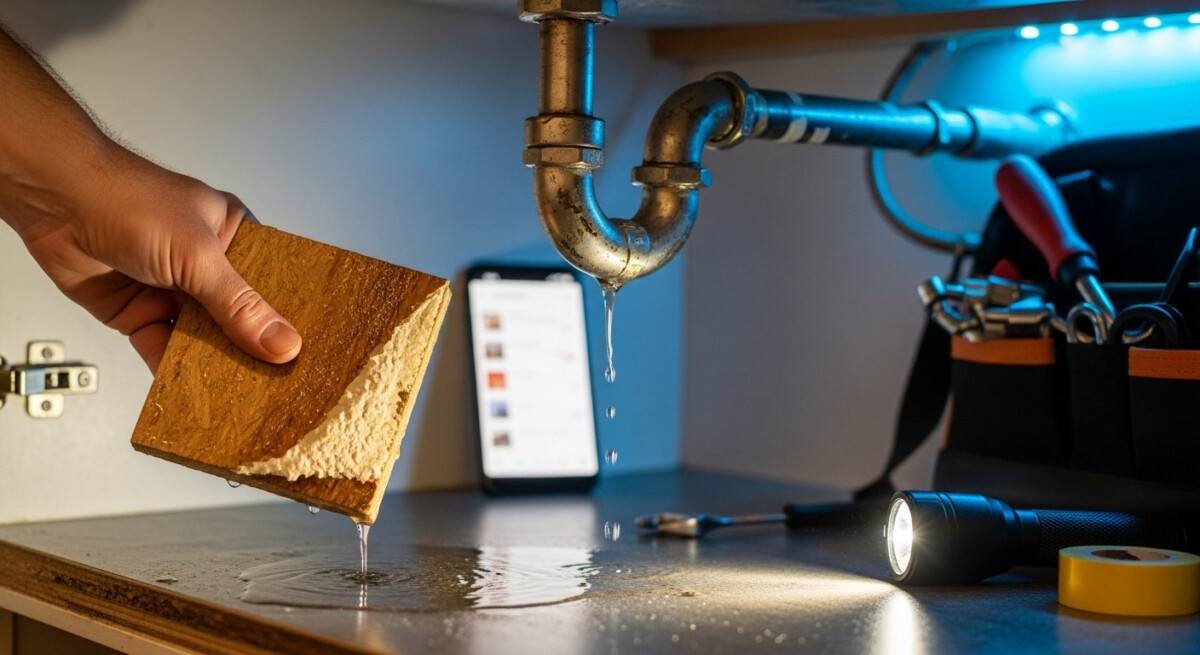
You walk into your kitchen to grab a glass of water, and your sock gets wet. A small puddle has formed under the sink. You grab a towel, wipe it up, and forget about it. The next week, the puddle is back,bigger this time. The cabinet base feels soft, and you notice a faint musty smell. That small drip has already started to warp the particleboard and may be inviting mold into your home. This is the exact moment when most homeowners start searching for home repair quotes near me, hoping a quick fix won’t break the bank.
Whether it’s a leaky pipe, a cracked foundation wall, a roof that’s lost a few shingles, or an HVAC unit that makes strange noises, home problems rarely get better on their own. The longer you wait, the more damage spreads,and the more expensive the repair becomes. Understanding how to find fair, accurate quotes from local professionals can save you hundreds or even thousands of dollars while protecting your biggest investment: your home.
Understanding Home Repair Quotes Near Me
A home repair quote is simply a written estimate a contractor gives you before starting work. It lists the scope of the project, the materials needed, the labor required, and the total price. Searching for home repair quotes near me helps you find local contractors who understand the building codes, climate, and common issues in your area.
Why do you need multiple quotes? Because prices can vary wildly between contractors for the same job. One company might charge twice as much as another for identical work. Getting three or four quotes gives you a clear picture of the fair market price and helps you avoid overpaying or hiring someone who cuts dangerous corners.
Why Homes Develop Repair Needs
Homes are constantly under stress from weather, moisture, temperature changes, and daily use. Roofs age, pipes corrode, foundations settle, and appliances wear out. Older homes, especially those built before 1980, often have materials that have reached the end of their useful life. Even newer homes can have problems if they weren’t built correctly or if routine maintenance was skipped.
Why This Matters for Your Home
Ignoring a small repair can turn a $200 fix into a $5,000 disaster. A tiny roof leak can rot the plywood sheathing, ruin attic insulation, and damage ceilings and walls below. A slow plumbing leak behind a wall can lead to mold growth, which affects your indoor air quality and can cause respiratory problems for your family.
Safety is another major concern. Faulty electrical wiring, a cracked furnace heat exchanger, or a loose porch railing can cause fires, carbon monoxide poisoning, or serious falls. Professional repairs ensure your home remains a safe place for everyone who lives there.
Your home’s value also depends on its condition. When it’s time to sell, buyers and home inspectors will find every deferred repair. A long list of needed fixes can slash your sale price or cause the deal to fall through. Investing in timely repairs protects your property’s resale value.
If you notice signs of this issue in your home, it may help to speak with a qualified contractor. Request a free quote or call to explore your repair or remodeling options.
Common Problems Homeowners Experience
No two homes are exactly alike, but certain repair needs show up again and again. Plumbing problems like dripping faucets, running toilets, and leaking supply lines are incredibly common. Roof issues, including missing shingles, flashing failures, and ice dam damage, affect millions of homeowners every year.
Electrical problems range from flickering lights and tripping breakers to outdated panels that can’t handle modern appliances. Foundation concerns include cracks in basement walls, uneven floors, and doors that stick. HVAC systems often fail due to neglected maintenance, clogged filters, or aging components.
- Water stains on ceilings or walls indicating a roof or plumbing leak
- Drafts around windows and doors that drive up energy bills
- Musty odors in basements or crawlspaces from excess moisture
- Cracks in drywall or tile that suggest foundation movement
- Gaps in caulk or grout around tubs, showers, and sinks
- Deck boards that feel bouncy or have loose railings
How Professionals Solve the Problem
Licensed contractors bring years of experience, specialized tools, and knowledge of building codes to every job. They can identify the root cause of a problem, not just patch the symptom. For example, instead of simply replacing a stained ceiling panel, a roofer will find and fix the leak source, then repair the damaged sheathing and insulation.
The typical repair process follows a clear sequence. First, the contractor inspects the area thoroughly, often using tools like moisture meters, thermal cameras, or sewer scopes. Next, they provide a detailed written quote explaining exactly what needs to be done. Once you approve the work, they obtain any required permits and schedule the job.
During the repair, professionals follow safety protocols and protect your home’s interior from dust and debris. They clean up thoroughly after the job is done and often offer a warranty on their workmanship. This level of care is hard to achieve with DIY repairs, which can miss hidden damage and end up costing more in the long run.
- Thorough inspection to diagnose the issue and identify any secondary damage
- Clear written estimate with itemized costs for materials and labor
- Permit acquisition and scheduling of the work
- Professional execution of repairs using proper techniques and safety gear
- Final inspection and cleanup, followed by a warranty on the work
A professional inspection can reveal hidden issues before they become expensive repairs. Compare contractor quotes here or call to discuss your project.
Warning Signs You Should Not Ignore
Your home often gives you clues that something is wrong long before a full-blown failure occurs. Learning to recognize these early warning signs can save you a lot of stress and money. Pay attention to changes in how your home looks, sounds, and smells.
Some problems are easy to spot, like a wet spot on the ceiling after a rainstorm. Others are subtler, such as a slight increase in your water bill that could indicate a hidden leak. Trust your instincts,if something feels off, it’s worth getting a professional opinion.
- Water stains, bubbling paint, or peeling wallpaper near plumbing fixtures
- Unusual sounds like dripping, hissing, grinding, or banging from appliances or pipes
- A sudden spike in your utility bills without a change in usage habits
- Visible mold growth, even a small patch, in damp areas like basements or bathrooms
- Floors that feel spongy or uneven, especially near exterior walls
- An unexplained musty or rotten-egg smell coming from drains or the crawlspace
What Affects the Cost of Repairs or Installation
Repair costs depend on several factors, and understanding them helps you evaluate the quotes you receive. The size of the project is the biggest factor,repairing a single shingle costs far less than replacing an entire roof. The materials you choose also make a big difference. Premium materials like hardwood flooring or architectural shingles cost more than basic options.
Labor rates vary by region and by the complexity of the job. A simple faucet replacement might take an hour, while a full bathroom remodel involves multiple trades and several weeks of work. Accessibility matters too. A pipe hidden inside a finished wall costs more to access than one in an unfinished basement.
The age and condition of your home can also influence pricing. Older homes may have outdated wiring, lead paint, or asbestos that requires special handling. Contractors have to factor in these risks when preparing their estimates.
Costs can vary depending on the condition of your home. The best way to know the price is to get a personalized estimate. Request free quotes from contractors or call today.
How to Choose the Right Contractor
Finding a trustworthy contractor is just as important as getting a fair price. Start by asking friends, neighbors, or your local hardware store for recommendations. Then check online reviews on platforms like Google, Yelp, and the Better Business Bureau. Pay attention to how contractors respond to negative feedback,it tells you a lot about their customer service.
Always verify that the contractor is licensed and insured. Licensing requirements vary by state, but a valid license shows the contractor has met minimum competency standards. Insurance protects you if a worker gets injured on your property or if the job causes accidental damage.
- Verify the contractor’s license with your state’s licensing board
- Ask for proof of general liability and worker’s compensation insurance
- Read recent online reviews and ask for references from past clients
- Get at least three detailed written estimates for comparison
- Confirm the contractor has experience with projects similar to yours
Long-Term Benefits of Professional Work
Hiring a professional contractor isn’t just about fixing today’s problem,it’s an investment in your home’s future. Quality repairs last longer and perform better than quick fixes. A properly installed roof, for example, can last 20,30 years with minimal maintenance, while a shoddy patch job might fail within a year or two.
Professional work also improves energy efficiency. Sealing air leaks, adding insulation, and repairing HVAC ductwork can lower your heating and cooling costs significantly. Over time, these savings can offset the cost of the repairs themselves.
Finally, a well-maintained home holds its value better. When you eventually sell, you’ll have documentation of professional repairs and upgrades that give buyers confidence. Your home will stand out in the market, and you’ll likely get a higher price for it.
What should I look for in home repair quotes near me?
Look for clear, itemized estimates that list materials, labor, and any permit fees separately. Avoid quotes that are vague or that change significantly after the work begins. A trustworthy contractor will explain every line item and answer your questions before you sign.
How many quotes should I get for a home repair?
It’s generally a good idea to get at least three quotes for any project over $500. This gives you a sense of the market rate and helps you identify outliers,either very high or suspiciously low estimates. Comparing multiple quotes helps you make an informed decision.
Are online home repair quotes reliable?
Online platforms can connect you with local contractors quickly, but always follow up with a phone call or in-person meeting. A remote quote based on photos may not capture hidden issues. A reliable contractor will want to inspect the problem in person before giving a final price.
How do I know if a contractor is overcharging me?
Comparing quotes from multiple contractors is the best way to spot overcharging. If one quote is significantly higher than the others, ask the contractor to explain the difference. It could be due to higher-quality materials or a more thorough scope of work, but it could also be an inflated price.
Can I negotiate a home repair quote?
Yes, many contractors are open to negotiation, especially if you have a competing quote. Ask if they can match a lower price or offer a discount for bundling multiple repairs. Just be careful not to push the price so low that the contractor cuts corners on materials or labor.
What should I do if a repair costs more than the quote?
Review your contract carefully. Most contracts include a clause about unforeseen issues that may increase costs. If the contractor discovers hidden damage, like rotted wood behind a wall, an increase may be legitimate. However, you have the right to approve any changes in writing before work continues.
How long does it take to get home repair quotes near me?
Simple repairs like a faucet replacement might get a quote within 24 hours. Larger projects like a new roof or foundation repair usually require an in-person inspection, which may take a few days to schedule. Plan ahead and start the quote process early to avoid delays.
Do I need a permit for my home repair?
Permit requirements vary by location and project type. Major structural, electrical, plumbing, and HVAC work almost always requires a permit. A professional contractor will know the local code and can pull the permit for you. Avoid hiring anyone who suggests skipping the permit process.
Taking the time to understand your repair options and compare quotes can save you money, stress, and future headaches. Small problems rarely stay small, but with the right professional help, you can protect your home and your peace of mind. Start by requesting quotes from a few local contractors today so you can move forward with confidence.