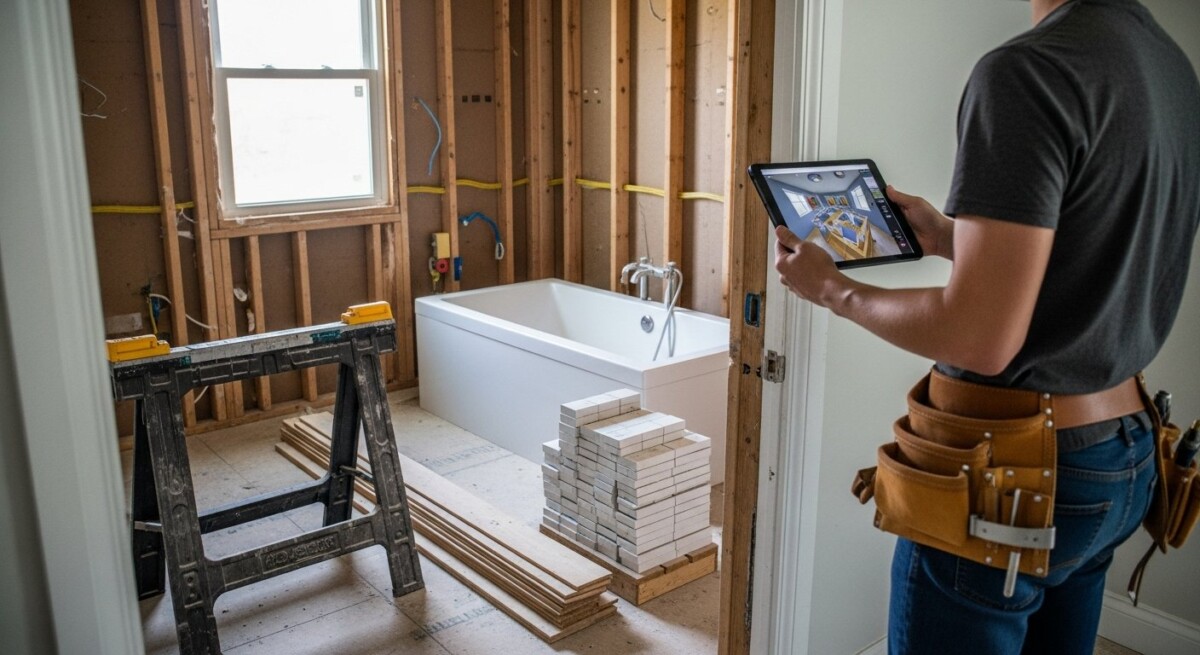
How Long Does a Home Remodel Take? A Realistic Timeline

You’re excited about your upcoming remodel, but there’s one big question nagging at you: “How long will we be living in a construction zone?” It’s one of the most common and crucial questions for homeowners. The answer is rarely simple, but having a realistic understanding of remodeling timelines is the first step to a smooth and successful project. This guide will walk you through the average timeframes for common projects and the key factors that influence the schedule.
Plan your renovation with confidence. Call 📞833-439-3727 or visit View Our Timeline for a free consultation and receive your detailed, personalized project timeline.
A Simple Breakdown of Remodeling Timelines
Every home remodeling project is unique, but most fall into predictable categories based on their scale and complexity. Understanding these categories helps set proper expectations from the start.
A good rule of thumb is that the timeline is almost always longer than you initially think. This isn’t because contractors are slow; it’s because quality work, proper inspections, and material lead times all take time to manage correctly. For a deeper look at managing large projects, our resource on understanding large-scale home remodeling contractors offers valuable insights.
From Weeks to Months
Smaller projects like a powder room update or a single-room refresh can often be completed in a matter of weeks. Whole-house renovations or complex additions, however, are measured in months. The difference hinges on the number of trades involved, the scope of structural work, and your home’s specific conditions.
Why a Realistic Timeline Matters for Homeowners
Knowing how long a remodel truly takes isn’t just about curiosity—it’s about practical planning and protecting your peace of mind. An accurate timeline helps you coordinate your life around the project, from arranging temporary living spaces to budgeting for overlapping mortgage and rental payments.
Perhaps most importantly, a realistic schedule reduces frustration. Remodeling involves hundreds of moving parts, and delays from weather, back-ordered materials, or unexpected structural issues are common. When you expect the process to have some flexibility, you’re less likely to feel stressed when adjustments are needed. This is why many home improvement projects are best left to professionals who can navigate these challenges.
Finally, a well-planned timeline is a sign of a professional contractor. It shows they have the experience to sequence trades properly and manage the project efficiently from start to finish.
Ready to plan your project with clarity? Get a detailed, personalized timeline from our experienced team. Contact us online
Common Issues That Cause Delays
Even the best-planned projects can hit snags. Being aware of these common delay-causers helps you prepare and, in some cases, prevent them.
The single biggest factor is often outside anyone’s control: the supply chain. Special-order cabinets, unique tiles, or custom windows can have lead times of several weeks or even months. If an item arrives damaged or incorrect, the clock resets.
Another major cause is the “unknowns” behind your walls and under your floors. Once demolition begins, contractors may discover outdated wiring, plumbing issues, or structural concerns that must be addressed before work can continue. Permitting and inspections also play a huge role. Municipal schedules can vary, and failing an inspection can set a project back by days or weeks.
- Material Delivery Delays: Backorders, shipping errors, or damaged goods.
- Unforeseen Structural Problems: Rotted wood, mold, or non-compliant old work.
- Permit and Inspection Holds: Waiting for approval or re-work after a failed inspection.
- Weather Impacts: Especially critical for projects involving roofing, siding, or exterior work.
- Design Changes Mid-Project: Known as “change orders,” these almost always add time.
How Professionals Manage the Timeline
A professional contractor’s primary job is to manage the project sequence and keep it moving forward. They act as the conductor, ensuring each trade arrives at the right time to perform their part without getting in each other’s way.
The process typically follows these steps: 1) Detailed planning and design, 2) Securing permits, 3) Demolition, 4) Rough-in work (electrical, plumbing, HVAC), 5) Inspections, 6) Installation of drywall, flooring, and fixtures, and 7) Final finishes and cleanup. Each step depends on the one before it being completed correctly.
Communication is their most vital tool. A good pro will provide regular updates, alert you to potential delays immediately, and have contingency plans. They also have established relationships with suppliers and subcontractors, which helps streamline scheduling. Working with a licensed general contractor ensures this coordination is handled by someone with the proper expertise and accountability.
Don’t let scheduling worries stall your dream remodel. Our team is ready to provide a clear, reliable schedule for your project. Reach out for an estimate today
Signs Your Project Timeline Is at Risk
While some delays are unavoidable, certain red flags can indicate poor management that will extend your project unnecessarily. Spotting these early can help you course-correct.
Pay attention to communication. Is your contractor consistently unavailable or vague about the next steps? Are subcontractors often sitting idle because materials aren’t on site or the previous trade hasn’t finished? These are signs of poor planning.
A complete lack of a written schedule at the project’s outset is a major warning sign. So is a timeline that seems unrealistically short just to win your business. Trust your instincts—if the planning phase feels rushed or disorganized, the construction phase likely will be, too.
Plan your renovation with confidence. Call 📞833-439-3727 or visit View Our Timeline for a free consultation and receive your detailed, personalized project timeline.
- No Written Schedule: The timeline is only discussed verbally.
- Frequent Radio Silence: You can’t get updates or answers to simple questions.
- Long Gaps with No Activity: The worksite is empty for days without explanation.
- Key Materials Are Not On-Site: Work stops waiting for deliveries that weren’t planned for.
- Subcontractor Confusion: Trades show up on the wrong days or for tasks not ready.
Cost Factors and What Affects Pricing
The project’s duration is closely tied to its cost. Generally, a longer timeline means higher labor costs and more complex work. Understanding what drives both time and price helps you budget realistically.
The project’s scope is the most obvious factor. A full kitchen gut job takes longer and costs more than a cosmetic refresh. The quality of materials also plays a role; high-end custom items have longer lead times and higher price tags. Your home’s location matters, too, as labor rates and permit fees vary widely.
Remember, the cheapest bid is often the riskiest in terms of timeline and quality. A professional bid will account for proper sequencing, quality labor, and a buffer for minor unknowns, which ultimately leads to a more reliable and efficient project.
How To Choose the Right Professional for Your Timeline
Selecting the right contractor is the most important decision you’ll make for your timeline and overall satisfaction. Look for a professional who listens to your goals and provides a detailed, written proposal and schedule.
Always check references and ask past clients specifically about how the contractor communicated delays and adhered to the schedule. Verify that they are licensed, insured, and willing to pull all required permits. A trustworthy professional will be transparent about potential challenges and how they plan to handle them.
Choose someone who makes you feel confident and informed, not rushed. A collaborative relationship with clear communication is the foundation of a remodel that finishes as smoothly as possible.
Long-Term Benefits for Your Home
While the remodeling process is temporary, the benefits of a well-executed project are lasting. A professionally managed remodel that respects a proper timeline results in higher quality craftsmanship. This means fewer callbacks for repairs, better durability of finishes, and a final product that truly adds value to your home.
You’ll also enjoy the peace of mind that comes from knowing the work was done correctly and up to code, ensuring the safety and longevity of your investment. Ultimately, a realistic timeline leads to a less stressful experience and a final result you’ll love for years to come.
Frequently Asked Questions
How long does a typical kitchen remodel take?
A minor cosmetic kitchen update may take 3-5 weeks. A full remodel involving layout changes, new plumbing, and custom cabinets typically takes 8-12 weeks or more, depending on complexity and product availability.
What is the average timeline for a bathroom renovation?
A standard full bathroom remodel usually takes 3-4 weeks. A larger master bath or a complete gut job with moving plumbing lines can extend to 5-6 weeks. Small powder rooms can often be completed in 1-2 weeks.
Does a whole-house remodel take years?
Not necessarily. A whole-house renovation is a major project but is often phased. A comprehensive, single-phase whole-house remodel for an average-sized home can take 6 months to a year, depending on the scope and size.
What adds the most time to a remodeling project?
Custom material orders, permit approval waits, and unforeseen structural repairs are the biggest time-adders. Making design changes after construction has begun also significantly extends the schedule.
Can I live in my home during a remodel?
For smaller projects, often yes. For large-scale remodels like kitchens or whole-house work, it’s possible but challenging. Discuss a detailed phasing plan with your contractor to understand the disruption and feasibility.
How can I help keep the project on schedule?
Make all design selections on time, be available for timely decisions, and avoid mid-project change orders. Protect the work area from pets and children, and ensure clear access for the crew.
What time of year is best for remodeling?
Interior projects can be done year-round. Exterior work like siding or roofing is best in dry, mild seasons. Contractor availability may be higher in winter, potentially speeding up start times for indoor projects.
How much should I budget for unexpected delays?
While you can’t budget for time, you should budget for cost overruns. A standard contingency fund is 10-20% of the total project cost to cover unexpected issues discovered during demolition or construction.
Understanding the typical duration of home remodeling projects empowers you to plan effectively, choose the right partner, and navigate the process with confidence. With realistic expectations and a trusted professional by your side, you can transform your home on a timeline that works for your life.
Plan your renovation with confidence. Call 📞833-439-3727 or visit View Our Timeline for a free consultation and receive your detailed, personalized project timeline.