
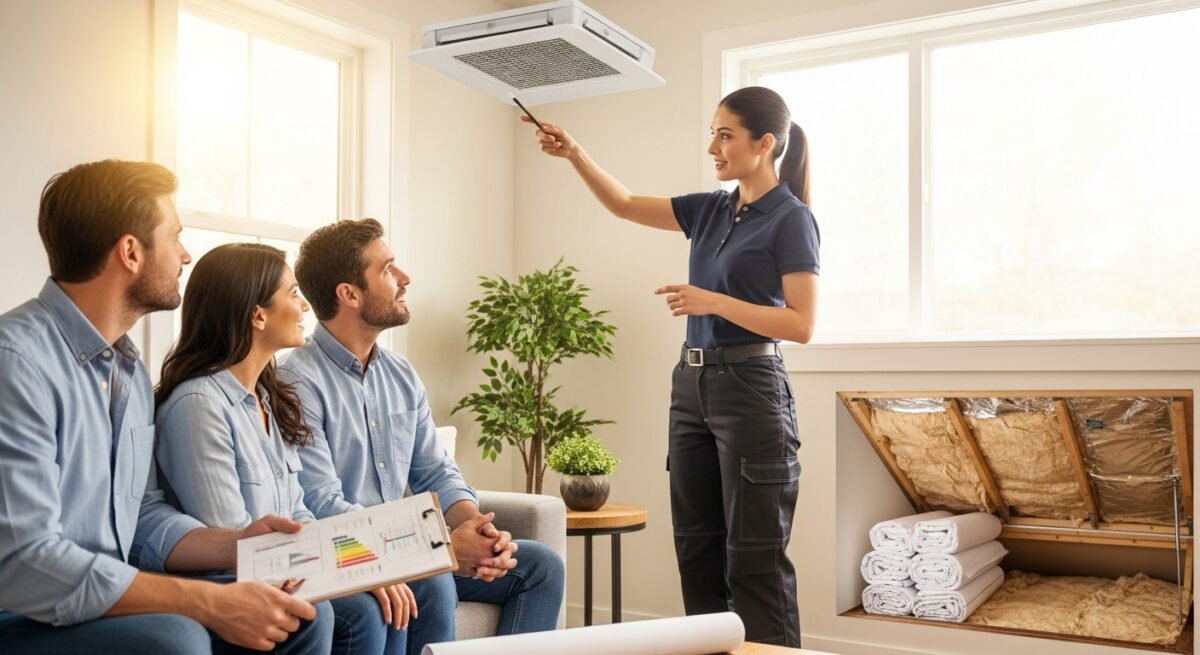
Home Improvement Services That Save You Money Long Term
Discover home improvement services that lower bills and prevent costly repairs. Invest in long-term savings with strategic upgrades from trusted professionals.
By Chelsea Kris
Learn more about Exterior Painting for guides, costs, and what to expect.
Compare Exterior Painting Pros Near You

Enter your ZIP code to compare top-rated local professionals and request free quotes.
As a homeowner, you’re always balancing immediate needs with your long-term budget. It’s tempting to put off repairs or choose the cheapest fix, but this often leads to higher costs down the road. The smartest approach is to invest in home improvement services that act as a shield, protecting your wallet from future, more expensive problems. These strategic upgrades and professional repairs don’t just solve today’s issue—they build lasting value and efficiency, turning your home into a source of savings for years to come.
Invest in your home’s long-term savings and schedule a professional assessment at Invest in Home Savings.
Understanding Smart Home Upgrades for Lasting Savings
Home improvement services that save money long term are investments in your home’s core systems and efficiency. They are professional upgrades or repairs designed to reduce ongoing operating costs, prevent major breakdowns, and enhance your property’s durability. Think of them not as an expense, but as a financial strategy for your biggest asset.
These services shift your focus from short-term patching to long-term performance. A quality professional doesn’t just replace a broken component; they assess the entire system to ensure the solution improves reliability and efficiency. This proactive mindset is key to unlocking real savings.
Examples of Strategic, Money-Saving Services
Common services in this category include high-efficiency HVAC installation, professional insulation and air sealing, energy-efficient window and door replacement, roof maintenance and replacement with durable materials, upgraded plumbing fixtures to prevent leaks and waste, and smart home installations for better energy management. Each targets a specific area where waste or failure commonly occurs.
Why These Upgrades Matter for Homeowners
Choosing the right improvements directly impacts your monthly bills and your home’s resilience. A drafty house with an old furnace forces your heating system to work overtime, leading to high energy costs and premature system failure. Investing in proper insulation and a modern, efficient furnace addresses both issues at once.
The benefits extend beyond utility savings. These services protect your home from costly, catastrophic damage. A small, persistent leak ignored today can lead to tens of thousands in water damage, mold remediation, and structural repairs tomorrow. Professional intervention stops small problems from becoming financial nightmares. For a broader look at available services, our complete guide to home improvement services offers valuable insights.
Ultimately, these upgrades increase your comfort and your home’s market value. You enjoy a more consistent temperature, better air quality, and the peace of mind that comes with reliable systems. When it’s time to sell, energy-efficient features and documented professional maintenance are strong selling points that attract buyers.
Ready to make an investment that pays you back? Our network of trusted professionals specializes in upgrades that boost efficiency and prevent costly repairs. Find a trusted home contractor near you to get started.
Common Issues That Drain Your Wallet
Many everyday home problems are silent money pits. They start small, often going unnoticed until a larger symptom appears. Understanding these common issues helps you identify where professional upgrades can have the biggest financial impact.
The primary cause is usually deferred maintenance or the use of low-quality materials during initial construction or past repairs. Over time, wear and tear on inadequate systems leads to inefficiency and failure. For instance, old fiberglass insulation can settle and compress, losing its R-value and letting heated or cooled air escape into your attic.
- Air Leaks and Poor Insulation: Creates drafts, forces HVAC systems to run constantly, and leads to uneven temperatures.
- Inefficient or Aging Appliances & Systems: Old water heaters, furnaces, and air conditioners use significantly more energy than modern, ENERGY STAR® rated models.
- Old, Single-Pane Windows: They offer poor thermal resistance, leading to heat loss in winter and heat gain in summer.
- Outdated Plumbing: Galvanized steel pipes corrode from the inside, reducing water pressure and risking leaks. Old toilets and faucets waste thousands of gallons of water annually.
- Poor Roof Ventilation or Worn Shingles: Traps heat and moisture, damaging roofing materials from underneath and shortening the roof’s lifespan.
How Professionals Deliver Lasting Value
A professional contractor approaches your home with a systems-thinking mindset. Their goal is to provide a solution that optimizes performance and longevity, not just a quick fix. The process begins with a thorough assessment to diagnose the root cause of inefficiency or the potential for future failure.
For example, when upgrading insulation, a pro won’t just add more batts. They perform a blower door test to locate specific air leaks, seal those gaps first, then install the proper insulation type and density for each area of your home. This comprehensive approach ensures the upgrade performs as intended for decades.
- Assessment & Diagnosis: Using tools and expertise to find the core issues, not just the symptoms.
- High-Quality Material Selection: Recommending durable, efficient products with strong warranties and proven track records.
- Precision Installation: Following manufacturer specs and building science principles to ensure optimal performance.
- Testing & Verification: Checking their work (e.g., testing for duct leaks, verifying insulation levels) to guarantee results.
- Maintenance Guidance: Providing you with a simple plan to maintain the new system and protect your investment.
Don’t settle for a temporary patch. A professional installation ensures your investment pays off for years. Learn what makes a home contractor trustworthy and get a quality upgrade.
Signs You Should Not Ignore
Your home often gives you clear signals that it’s losing efficiency or heading toward a major failure. Paying attention to these signs and acting quickly with a professional service can prevent a minor repair from becoming a major expense.
Some signs are obvious, like a sky-high energy bill. Others are more subtle, like a room that never seems comfortable no matter how you adjust the thermostat. These are indicators that your home’s envelope or systems are struggling.
Invest in your home’s long-term savings and schedule a professional assessment at Invest in Home Savings.
- Spiking Energy Bills: A sudden or steady increase with no change in usage habits points to system inefficiency.
- Drafts, Cold Floors, or Hot/Cold Rooms: Clear symptoms of poor insulation and air sealing.
- Frequent Repairs on the Same System: If your furnace, AC, or plumbing needs constant attention, replacement is often more cost-effective.
- Water Stains, Peeling Paint, or Ice Dams: Indicators of moisture intrusion from roof or siding failures.
- Condensation or Frost on Windows: Sign of excessive indoor humidity and poor window thermal performance.
Cost Factors and What Affects Pricing
The cost of money-saving upgrades varies based on the scope of the project and your home’s specific needs. Understanding the factors involved helps you see the value behind the quote and make an informed decision.
The primary cost drivers are the size of your home (square footage), the extent of the existing problem, the quality and type of materials selected, and local labor rates. For instance, spray foam insulation costs more per square foot than fiberglass batts but offers a superior air seal and higher R-value, leading to greater savings.
Remember, the goal is return on investment (ROI). While a higher-efficiency HVAC system has a larger upfront cost, the monthly utility savings and potential rebates will offset that over its lifespan. A professional can help you calculate this payback period. For budget-conscious planning, our resource on finding affordable home contractors provides useful tips.
Invest in your home’s future efficiency. Get a clear, upfront estimate for upgrades that will lower your bills.
How To Choose the Right Professional or Service
Selecting the right contractor is as important as choosing the right upgrade. The quality of the installation determines whether you realize the promised long-term savings. Look for a professional with specific expertise in the upgrade you need, whether it’s energy auditing, roofing, or plumbing.
Always verify licensing, insurance, and check online reviews. Ask for references from past clients who had similar work done. A reputable pro will provide a detailed, written estimate that outlines the scope of work, materials to be used (including brand and model numbers), timeline, payment schedule, and warranty information. They should also be able to explain how the upgrade will save you money and what the expected ROI is.
Long-Term Benefits for Your Home
The ultimate reward for investing in these services is a home that costs less to operate, is more comfortable to live in, and holds its value better. You gain predictable monthly expenses, protected from the volatility of utility rates and unexpected emergency repairs.
These improvements also contribute to your home’s durability. Proper ventilation protects structural elements from rot. A well-sealed envelope prevents pest intrusion. High-quality roofing materials withstand decades of weather. This proactive care extends the life of every component of your house. You’re not just saving money; you’re preserving your most valuable asset and creating a healthier, more resilient living environment for your family.
Frequently Asked Questions
What is the #1 home improvement for saving money?
Professional air sealing and adding attic insulation often provide the fastest return on investment. They are relatively low-cost upgrades that immediately reduce heating and cooling costs, making your home more comfortable year-round.
How long does it take for these upgrades to pay for themselves?
The payback period varies. Insulation can pay for itself in 2-5 years through energy savings. High-efficiency HVAC systems or windows may take 5-10 years. Consider the added comfort, increased home value, and avoided repair costs as immediate benefits while you wait for the full financial payback.
Are there tax credits or rebates for energy-efficient upgrades?
Yes, federal, state, and local utility companies frequently offer rebates and tax incentives for upgrades like insulation, high-efficiency HVAC, water heaters, and solar panels. A knowledgeable contractor can inform you of available programs.
Is it worth replacing windows before selling my home?
While you may not recoup 100% of the cost at sale, energy-efficient windows are a strong marketing point that can make your home sell faster. The improved curb appeal and comfort they provide while you still live there are also significant benefits.
Can I do these upgrades myself to save money?
Some simpler tasks, like adding weatherstripping, are great DIY projects. However, for major systems like insulation, HVAC, or roofing, professional installation is crucial. Mistakes can void warranties, reduce efficiency, and even create safety hazards, negating any potential savings.
How often should I have my home’s efficiency assessed?
Consider a professional energy audit every 5-10 years, or if you notice drafts, humidity problems, or rising bills. Regular maintenance on HVAC and plumbing systems should be performed annually to keep them running at peak efficiency.
Investing in your home’s efficiency and durability is one of the smartest financial decisions a homeowner can make. By partnering with skilled professionals for strategic upgrades, you transform your home from a source of constant expense into a bastion of savings, comfort, and long-term value. The initial investment pays dividends for years through lower bills, fewer repairs, and lasting peace of mind.
Invest in your home’s long-term savings and schedule a professional assessment at Invest in Home Savings.
Learn more about Exterior Painting for guides, costs, and what to expect.
Compare Exterior Painting Pros Near You
Enter your ZIP code to compare top-rated local professionals and request free quotes.