
Home Construction Cost Estimates: A Homeowner’s Guide
A practical guide for homeowners on understanding and obtaining accurate home construction cost estimates to plan successful renovations and builds.
By Chelsea Kris
Learn more about Home Remodeling for guides, costs, and what to expect.
Compare Home Remodeling Pros Near You

Enter your ZIP code to compare top-rated local professionals and request free quotes.
You’ve finally decided to build that addition, renovate your kitchen, or perhaps build your dream home from the ground up. The excitement is real, but then a nagging question pops up: “How much is this actually going to cost?” You might search online for average prices, ask friends about their projects, or try to tally up materials yourself, only to end up with a confusing range of numbers that don’t seem to apply to your specific vision. Without a clear and accurate home construction cost estimate, your exciting project can quickly become a source of stress, leading to budget overruns, stalled plans, or even financial strain. Getting a realistic handle on costs from the start isn’t just about numbers; it’s about protecting your investment and turning your vision into a successful reality.
Understanding Home Construction Cost Estimates
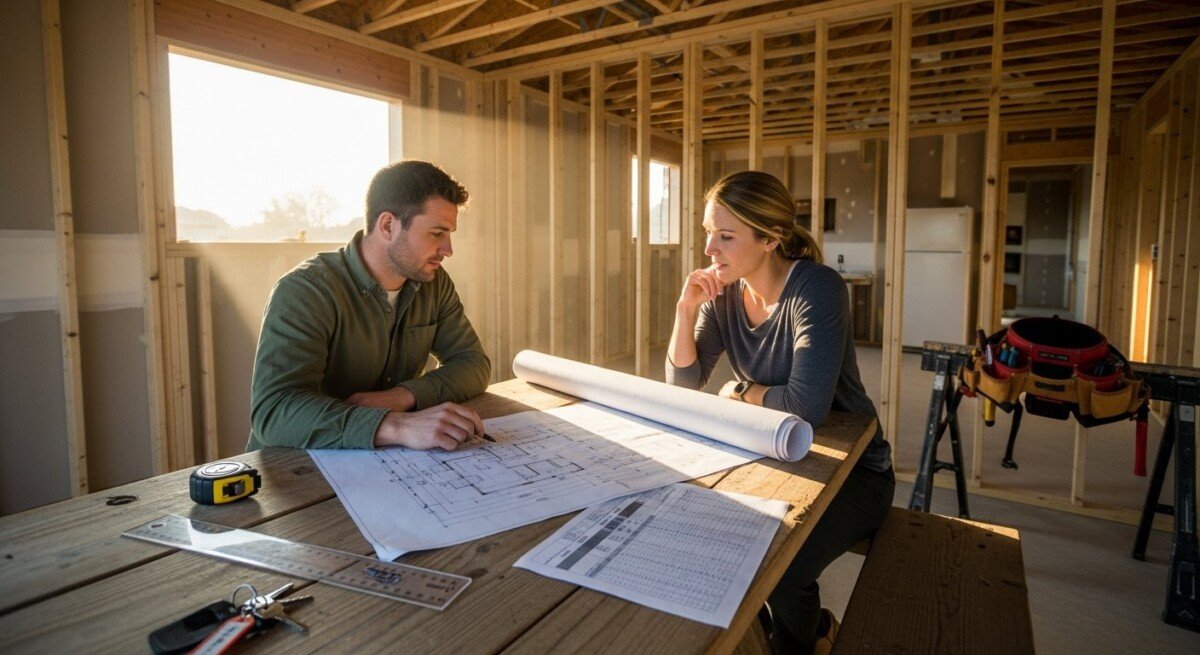
A home construction cost estimate is far more than a simple guess or a single number. It’s a detailed, itemized forecast of all the expenses involved in a building project. Think of it as the financial blueprint for your renovation or new build. This document translates your dreams and floor plans into the real-world costs of labor, materials, permits, and more.
Creating an accurate estimate happens because every home and project is unique. Costs fluctuate based on your location, the current price of lumber and other materials, the complexity of your design, and the labor rates of skilled tradespeople. A professional estimator or contractor considers all these variables to build a comprehensive picture of your project’s financial needs.
While any home project needs a budget, detailed estimates are most critical for larger undertakings. Major remodels, room additions, and new custom home construction are most affected by inaccurate estimates, as small miscalculations can multiply into tens of thousands of dollars.
Why This Matters for Your Home
An accurate cost estimate is the foundation of a successful construction project. It’s the tool that empowers you to make informed decisions, not hopeful guesses. Without it, you’re essentially navigating a financial minefield blindfolded, risking your home’s value and your family’s stability.
The risks of proceeding with a vague or DIY estimate are significant. You could run out of money halfway through, leaving you with a half-finished kitchen or an unusable bathroom. This can lead to rushed, poor-quality work to stay within a shrinking budget or the need to take on expensive financing. More importantly, underestimating costs can force you to cut corners on critical elements like electrical work, plumbing, or structural integrity, which compromises safety.
If you notice signs that your project’s scope is unclear or costs are spiraling, it may help to speak with a qualified contractor. Request a free quote or call to explore your repair or remodeling options.
Common Problems Homeowners Experience
Many homeowners start their planning with optimistic online calculators or by pricing out cabinets and countertops alone. This often leads to “sticker shock” when they receive actual quotes, because they’ve only accounted for a fraction of the total project cost. The gap between expectation and reality is where stress and abandoned dreams live.
These problems usually appear as constant budget revisions, the discovery of necessary but unexpected work (like outdated wiring behind walls), or the painful process of scaling back your vision mid-project. You might choose lower-quality materials than you wanted or eliminate features you were counting on, all because the initial financial picture was incomplete.
- The “Hidden Cost” Surprise: Forgetting to budget for permits, architectural fees, dumpster rentals, or temporary living arrangements during a major remodel.
- Underestimating Labor: Assuming skilled trades like plumbing, electrical, and finish carpentry are less expensive than they are, which is often the largest portion of a budget.
- Material Fluctuations: Basing your budget on material prices from six months ago, not accounting for supply chain issues or current market rates.
- Scope Creep: The tendency to add “just one more thing” to the project without adjusting the budget, slowly pushing it over the edge.
- Unforeseen Structural Issues: Discovering rot, mold, or inadequate foundations only after demolition begins, requiring immediate and unplanned repairs.
- Finishing & Fixture Reality: Budgeting for basic-grade finishes but falling in love with higher-end appliances, tiles, or hardware during the selection process.
How Professionals Solve the Problem
Professional contractors and estimators solve the cost puzzle by applying experience and systematic processes. They don’t just guess; they quantify. They’ve seen similar projects, understand local building codes and costs, and have relationships with suppliers. Their goal is to provide a transparent and realistic financial roadmap, so there are no surprises once the hammers start swinging.
A professional estimate is thorough because it breaks down every phase of the project. This allows you to see exactly where your money is going and make conscious trade-offs if needed. More importantly, a reputable contractor stands behind their estimate, often using fixed-price or cost-plus contracts with clear boundaries, which protects you from runaway expenses and ensures the work can be completed as planned.
- Initial Consultation & Scope Definition: They discuss your goals, review plans, and define the exact project scope to ensure everyone is on the same page.
- Site Evaluation: They inspect your property to identify potential challenges like access, grading, or existing conditions that could impact cost.
- Detailed Takeoff: They measure and list every single material needed,from studs and drywall to nails and paint,based on your specific plans.
- Labor & Subcontractor Pricing: They calculate the hours needed for each trade and obtain current rates or bids from trusted subcontractors.
- Overhead & Contingency: They responsibly include costs for insurance, permits, equipment, and a contingency fund (typically 10-20%) for the unexpected.
- Proposal Presentation: They present a clear, line-item estimate and contract, explaining each cost and the project timeline.
A professional inspection can reveal hidden issues before they become expensive repairs. Compare contractor quotes here or call to discuss your project.
Warning Signs You Should Not Ignore
How do you know if your budgeting process is on shaky ground? The warning signs often come early, in the planning stages. Ignoring them is like ignoring a check engine light; the problem won’t fix itself and will only become more expensive to address later.
Early action is your greatest financial tool. By seeking professional estimates at the beginning, you can adjust your plans proactively rather than reactively. This might mean phasing a project, choosing different materials, or securing appropriate financing from the start,all of which are better than facing a half-finished room and an empty bank account.
- Vague or Verbal Quotes: A contractor who is reluctant to provide a detailed, written estimate.
- Extremely Low Bids: A quote that seems “too good to be true” often is, usually meaning corners will be cut or costs will balloon later with change orders.
- You Can’t Account for Major Cost Categories: If your own budget doesn’t clearly include labor, permits, waste removal, and profit/overhead for the contractor.
- No Contingency Plan: Proceeding with a budget that has zero room for unexpected issues, which are almost guaranteed in construction.
- Pressure to Start Immediately: Being rushed to sign a contract or start work before you’ve had time to review and understand the estimate fully.
- Changing Plans Mid-Stream Without Budget Reviews: Deciding to move a wall or upgrade an appliance after work begins without pausing to get a formal change order and updated cost.
What Affects the Cost of Repairs or Installation
Understanding what drives costs helps you make sense of different quotes and manage your project effectively. The final price isn’t arbitrary; it’s a direct reflection of your choices, your home’s condition, and market realities. A good contractor will walk you through these factors so you can see the levers you can pull to align the project with your budget.
For example, a simple bathroom refresh will cost vastly less than a full gut job that requires moving plumbing lines. Knowing these drivers allows you to have productive conversations with contractors about where to save and where to invest. It turns budgeting from a mystery into a collaborative planning session.
Costs can vary depending on the condition of your home. The best way to know the price is to get a personalized estimate. Request free quotes from contractors or call today.
- Project Scope & Size: Square footage is a primary driver. A whole-house remodel costs more than a single room, and a complex custom design costs more than a standard layout.
- Material Selection: This is one of the biggest variables. Luxury finishes (hardwood, natural stone, high-end appliances) can double or triple costs compared to standard materials.
- Labor Intensity & Skill Required: Intricate tile work, custom cabinetry, and historic restoration require highly skilled artisans who command higher rates.
- Site Accessibility & Conditions: A steep lot, tight urban alley, or home with difficult access can increase labor time and equipment needs.
- Age & Condition of the Home: Older homes often require significant updates to electrical, plumbing, and structural systems to meet modern codes, which may not be visible during initial planning.
- Geographic Location: Labor and material costs are higher in major metropolitan areas compared to rural regions.
- Permitting & Regulations: Strict local building codes, historic district rules, or lengthy permit approval processes add time and cost.
How to Choose the Right Contractor
Your contractor is your partner, and their estimate is a reflection of their professionalism. Choosing the right one is perhaps the most important step in ensuring your project stays on budget. Look for a communicator, not just a craftsman. You need someone who listens to your goals and explains costs clearly, making you feel informed and confident, not rushed or confused.
A detailed estimate is a key indicator of a contractor’s thoroughness. It shows they’ve taken the time to think through your project and aren’t just winging it. The goal is to find a balance of fair price, proven experience, and clear communication that makes you feel comfortable with the substantial investment you’re about to make.
- Verify Licenses, Insurance, and Bonding: This is non-negotiable. It protects you from liability and ensures they meet state and local requirements.
- Read Reviews and Ask for References: Talk to past clients about their experience, specifically regarding how well the contractor stuck to the estimated budget and timeline.
- Request Detailed, Written Estimates: Never settle for a scribbled number on a napkin. Compare apples-to-apples quotes that break down costs for materials, labor, and profit.
- Compare Multiple Quotes: Get at least three detailed estimates. Be wary of the highest and lowest bids; look for the one that offers the best value and clarity.
- Assess Communication & Professionalism: From your first interaction, note if they are prompt, answer questions thoroughly, and provide clear next steps. This behavior will continue throughout the project.
Long-Term Benefits of Professional Work
Investing in a professional estimate and quality construction pays dividends long after the project is complete. It’s about building value, not just building rooms. A well-planned and accurately budgeted project results in work that lasts, functions properly, and enhances your daily life without constant maintenance headaches.
Think of it as a dual investment: in your current quality of life and in your home’s future market value. Real estate professionals consistently note that professionally completed renovations with proper permits and quality materials yield a much higher return on investment than DIY or poorly executed projects. You’re not just spending money; you’re strategically allocating capital to grow your most valuable asset.
- Improved Safety & Durability: Professional work meets building codes, ensuring electrical, plumbing, and structural elements are safe and built to last.
- Higher Energy Efficiency: Proper installation of insulation, windows, and HVAC systems reduces utility bills for years to come.
- Increased Home Value & Marketability: Quality renovations are a top factor for appraisers and future buyers, directly boosting your equity.
- Reduced Future Maintenance & Repair Costs: Doing it right the first time with quality materials prevents costly callbacks and fixes down the road.
- Peace of Mind & Warranty Protection: Reputable contractors stand behind their work with warranties, giving you confidence in your investment.
What is included in a construction cost estimate?
A thorough estimate includes line items for materials, labor, subcontractor costs, equipment rentals, permits and fees, waste disposal, contractor overhead and profit, and a contingency fund for unexpected issues. It should be detailed enough that you can see the cost of specific items like drywall, flooring, or plumbing fixtures.
How accurate are construction cost estimates?
A detailed estimate from an experienced contractor should be highly accurate, typically within 5-10% of the final cost, assuming the project scope doesn’t change. The contingency fund is there to cover the unforeseen. Less detailed estimates or those for very complex projects may have a wider variance.
Should I get multiple estimates for my project?
Yes, getting at least three detailed estimates is highly recommended. It allows you to compare pricing, scope, and contractor approaches. However, be cautious of bids that are significantly lower than others, as this often indicates missed items, lower-quality materials, or potential for future cost overruns.
What’s the difference between an estimate and a quote?
An estimate is an educated forecast of costs and can change as plans are finalized. A quote (or bid) is typically a fixed-price offer to complete a clearly defined scope of work for a set amount. Always get a formal, written quote or contract before work begins.
How long does it take to get a construction estimate?
For a small project, a contractor might provide a preliminary estimate in a few days. For a major renovation or new build, creating a detailed estimate can take one to two weeks, as it requires careful review of plans, material takeoffs, and consultations with subcontractors.
Can I reduce my construction costs after getting an estimate?
Absolutely. A good estimate is a planning tool. You can work with your contractor to identify areas for cost savings, such as choosing different finish materials, simplifying the design, or phasing the project to spread out expenses over time.
What questions should I ask a contractor about their estimate?
Ask what is and isn’t included, the payment schedule, the projected timeline, who will handle permits, what the contingency fund covers, what their change order process is, and what warranties are provided on both materials and labor.
Navigating home construction costs doesn’t have to be a leap of faith. By understanding the importance of a detailed estimate, recognizing the warning signs of poor planning, and partnering with a professional contractor, you take control of your project’s financial future. The most successful home renovations and builds start with clarity, not confusion. Take the first step toward that clarity today by seeking out detailed, professional quotes. Comparing estimates is the smartest way to ensure your vision is built on a solid foundation, both structurally and financially.
Learn more about Home Remodeling for guides, costs, and what to expect.
Compare Home Remodeling Pros Near You
Enter your ZIP code to compare top-rated local professionals and request free quotes.