Understanding Home Addition Contractor Quotes for Your Project

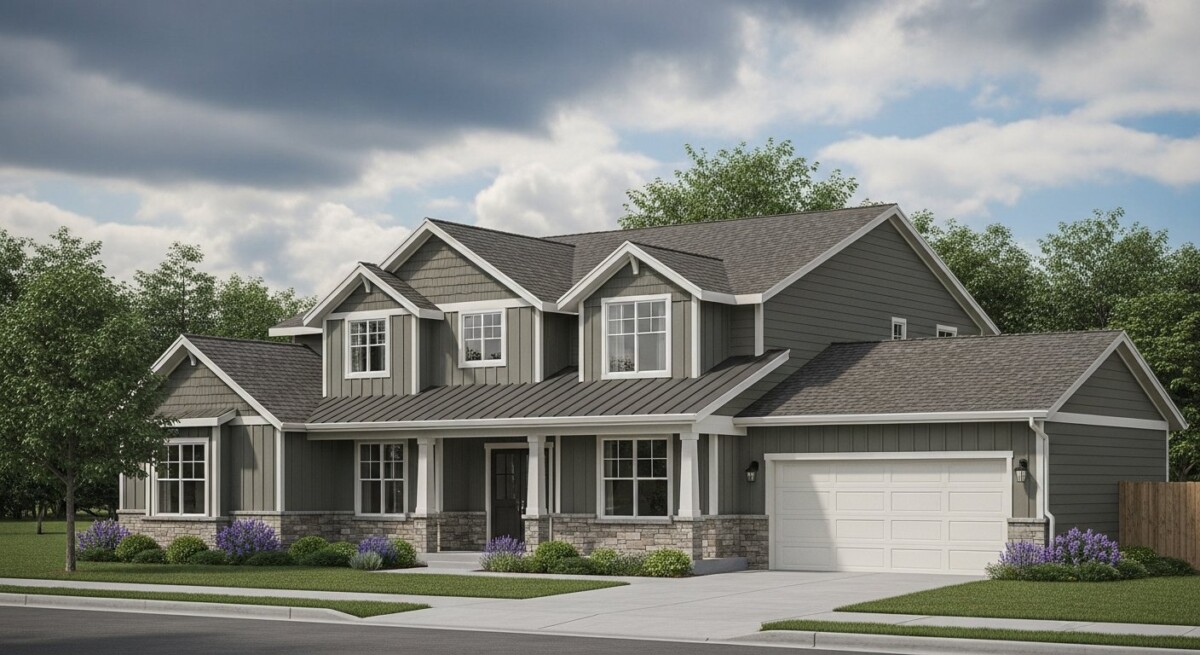
You’ve finally decided to add that extra bedroom, expand your kitchen, or build a sunroom. You’re excited, but then you start talking to contractors and receive several quotes. One is surprisingly low, another is shockingly high, and the third is a confusing list of line items. Suddenly, your dream project feels overwhelming. How do you know what’s fair, what’s included, and who you can trust? Ignoring the details in these quotes can lead to budget blowouts, unfinished work, and a stressful experience that turns your home improvement dream into a nightmare.
Understanding Home Addition Contractor Quotes
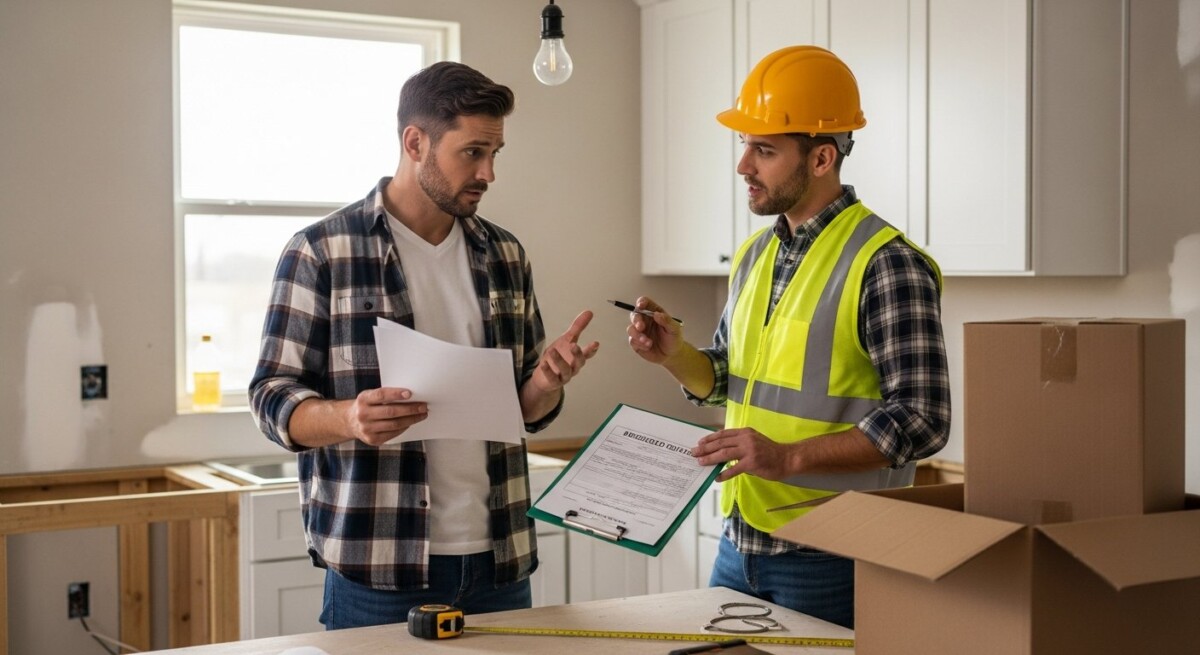
A home addition contractor quote is a detailed proposal that outlines the cost, scope, and timeline for your project. It’s more than just a bottom-line price. Think of it as a roadmap for your construction project, created by the professional who will guide you there.
It happens because every home addition is unique. The cost to build over a crawl space differs from building over a slab. A second-story addition involves different structural work than expanding the ground floor. Contractors create quotes to account for these variables, from materials and labor to permits and potential unforeseen issues.
Any homeowner considering an addition will need quotes. However, older homes often see more cost variation due to potential surprises behind walls, while projects in areas with strict zoning laws may have higher permit and design fees baked into the quote.
Why This Matters for Your Home
Getting clear, detailed quotes isn’t just about budgeting; it’s about protecting your investment. Your home is likely your most valuable asset. A well-executed addition can significantly increase its value and improve your family’s quality of life for years.
Conversely, a project based on a vague or inaccurate quote can compromise your home’s structure, safety, and efficiency. Water intrusion from poor flashing, electrical issues from unpermitted work, or foundation problems from inadequate support can create long-term damage that costs far more to fix than the original project.
By taking the time to understand and compare quotes thoroughly, you’re not just shopping for a price. You’re vetting partners for a major financial and lifestyle decision. You’re ensuring the work is done correctly, legally, and to a standard that protects your home’s integrity.
If you notice signs of this issue in your home, it may help to speak with a qualified contractor. Request a free quote or call to explore your repair or remodeling options.
Common Problems Homeowners Experience
Many homeowners jump into additions focused only on the final look, not the process of getting there. This can lead to frustration when quotes arrive. The most common issue is receiving an “apples-to-oranges” comparison, where one quote includes items another leaves out, making it impossible to see who truly offers the best value.
Another frequent problem is the “change order trap.” This occurs when a quote is intentionally vague or missing key details. Once work begins, the contractor reveals necessary tasks that weren’t included, leading to expensive add-ons that blow your budget. A detailed quote acts as a shield against this.
- Unclear Scope of Work: The quote doesn’t specify finishes, brands, or exactly what is and isn’t included.
- Missing “Soft Costs”: Permits, architectural drawings, dumpster rentals, and portable toilets are omitted.
- Vague Timelines: No clear start date, milestone schedule, or projected completion date.
- Lump-Sum Pricing: One big number with no breakdown, making it hard to understand what you’re paying for.
- No Contingency Plan: The quote doesn’t address how unforeseen issues (like rotten wood or outdated wiring) will be handled and priced.
- Insurance & License Gaps: The contractor isn’t properly insured, putting you at massive financial risk if someone gets hurt on your property.
How Professionals Solve the Problem
A reputable contractor solves these problems by providing a transparent, comprehensive quote. They view the quote as a communication tool, not just a sales document. Their goal is to set clear expectations, build trust, and demonstrate their professionalism before a single hammer is swung.
They solve the issue efficiently by following a systematic process to gather all necessary information. This allows them to provide an accurate estimate that minimizes surprises. Their experience helps them anticipate common challenges in your type of addition, which they can plan for upfront.
- Initial Consultation & Site Visit: They listen to your goals, assess your home’s structure, and take measurements.
- Design & Planning: They often work with a designer or architect to create plans, identifying all materials and structural needs.
- Detailed Takeoff: They calculate exact quantities of lumber, concrete, roofing, and other materials.
- Labor & Timeline Estimation: They determine crew size, specialized skills needed, and a realistic schedule.
- Quote Assembly: They compile everything into a clear document with line items, a payment schedule, and contract terms.
A professional inspection can reveal hidden issues before they become expensive repairs. Compare contractor quotes here or call to discuss your project.
Warning Signs You Should Not Ignore
When reviewing a quote, certain red flags should make you pause. These signs often indicate a contractor who may cut corners, lack experience, or is not running a legitimate business. Ignoring them can lead to project abandonment, legal issues, or subpar work.
Early action in identifying these warning signs protects you. It allows you to politely decline and continue your search for a qualified professional, saving you time, money, and immense stress down the road.
- Pressure to Sign Immediately: Claims that the price is only good “today” or uses high-pressure sales tactics.
- Request for Large Upfront Payment: Asking for more than 10-15% as a down payment before any work begins.
- Cash-Only Discounts: This is often a sign they are avoiding taxes and may not be properly insured.
- No Physical Address or License Number: They operate out of a truck with only a cell phone number.
- Extremely Low Bid: A quote significantly lower than others often means they’ve missed major costs or plan to use inferior materials.
- Unwillingness to Put Details in Writing: They promise things verbally but resist including specifics in the contract.
What Affects the Cost of Repairs or Installation
Understanding what drives the cost in a quote demystifies the numbers. It helps you see why one contractor’s price differs from another’s and allows for more informed conversations. The size and complexity of the addition are the most obvious factors, but many others play a role.
Materials account for a large portion. Are you choosing standard vinyl windows or custom wood? Laminate countertops or quartz? These choices have a dramatic impact. Labor is another major component, influenced by local wage rates, the need for specialized tradespeople like electricians or plumbers, and the project’s duration.
Other key factors include your home’s age and condition, which can reveal hidden challenges, and the project’s accessibility. An addition on a steeply sloped lot or in a tight urban backyard will cost more than one on open, flat land. Finally, local permit fees, inspection costs, and even disposal fees for construction debris are all part of a legitimate quote. For a deeper look at what goes into these numbers, our guide on understanding contractor quotes breaks it down further.
Costs can vary depending on the condition of your home. The best way to know the price is to get a personalized estimate. Request free quotes from contractors or call today.
How to Choose the Right Contractor
Choosing the right contractor is the single most important step in your home addition journey. The quote is a reflection of that contractor. By comparing not just the price, but the person and company behind it, you make a choice based on confidence, not just cost.
Start by ensuring they are qualified. Then, look for someone who communicates clearly, listens to your concerns, and provides thorough answers. The contractor-client relationship lasts for months, so personality and trust matter just as much as technical skill.
- Verify Licenses and Insurance: Ask for their state contractor’s license number and proof of liability and workers’ compensation insurance.
- Check References and Reviews: Talk to past clients who had similar projects. Ask about cleanliness, communication, and how they handled problems.
- Review Detailed, Written Estimates: Compare quotes that have the same level of detail. A great resource is our article on how to compare contractor quotes the right way.
- Meet the Team: If possible, meet the project manager or foreman who will be on-site daily.
- Trust Your Gut: Do you feel comfortable and heard? Do they return calls promptly? Your intuition is a powerful tool.
Long-Term Benefits of Professional Work
Investing in a professional contractor through a fair, detailed quote pays dividends long after the project is complete. Quality workmanship ensures your addition is safe, durable, and built to last. It integrates seamlessly with your existing home, preventing future leaks, drafts, or structural settling.
This professional approach also protects your home’s value. Real estate agents and appraisers can often spot shoddy, unpermitted work, which can reduce your home’s market value and make it harder to sell. A permitted, professionally built addition, however, is a documented asset that increases equity.
You’ll also enjoy better energy efficiency from proper insulation and installation, leading to lower utility bills. Perhaps most importantly, you gain peace of mind. Knowing your family is safe, that the work is guaranteed, and that you won’t face costly repairs in a few years is the ultimate benefit of starting your project with a trustworthy quote.
What should a home addition quote include?
A comprehensive quote should include a detailed scope of work, material specifications (brands, grades, quantities), a project timeline with milestones, a total cost breakdown, a payment schedule tied to completed work, information on permits and who obtains them, proof of insurance and licensing, and warranty details. It should leave no question about what is being provided.
How many contractor quotes should I get?
It’s generally recommended to get at least three detailed quotes. This gives you a good range for comparison on price, approach, and professionalism. Getting fewer might not show you the full market, while getting many more can become confusing and time-consuming.
Why is there such a big price difference between quotes?
Large differences often mean the quotes are not for the same thing. A low quote may exclude permits, use lower-grade materials, or underestimate labor. A high quote might include higher-end materials, more experienced labor, or a larger contingency fund. It’s crucial to compare the line items, not just the bottom line. For regional insights, you can see how factors like location play a role in our post about understanding contractor quotes in Dallas, Texas.
Is the cheapest quote always the best choice?
Almost never. The cheapest quote often carries the highest risk. It may indicate inexperience, cutting corners, or intentional omissions that lead to change orders. The goal is to find the best value,a fair price from a qualified, communicative professional who provides a clear and thorough proposal.
What questions should I ask a contractor about their quote?
Ask who will be the on-site foreman, what the daily work schedule is, how they handle dust and debris containment, what their process is for change orders, how payments are structured, and for a list of recent references. Also, ask them to walk you through any part of the quote you don’t understand.
Should a quote include a contingency for unforeseen problems?
Yes, especially for additions to older homes. A professional quote will often include a line item for a contingency fund (typically 10-20% of the project cost) or will clearly state how unforeseen issues will be priced and approved before work proceeds. This transparency is a sign of an honest contractor.
Taking on a home addition is a major undertaking, but it doesn’t have to be a scary one. The key to a smooth, successful project lies in the planning stage, starting with the quotes you receive. By understanding what makes a good quote, knowing the warning signs, and carefully choosing your contractor, you transform a complex process into a clear path forward. Don’t let confusion over quotes delay your dream. Take the first step today by gathering detailed, comparable proposals from qualified professionals in your area.