
General Contractor vs Specialist: Which Is Right for Your Project?
Learn the key differences between a general contractor and a specialist contractor to choose the right pro for your home project, ensuring success and saving time.
By Alexia Mabel
Learn more about Exterior Painting for guides, costs, and what to expect.
Compare Exterior Painting Pros Near You

Enter your ZIP code to compare top-rated local professionals and request free quotes.
You have a home project in mind,maybe a kitchen update, a new bathroom, or fixing a persistent leak. The big question is: who do you call? Should you hire a general contractor to manage everything, or bring in a specialist who focuses on one trade? Making the wrong choice can lead to delays, budget overruns, and a lot of unnecessary stress. Understanding the key differences between these two types of pros is the first step to a successful, smooth-running project.
To ensure your next project runs smoothly, call 📞833-439-3727 or visit Find Your Contractor to discuss your needs and find the right professional for the job.
Understanding General Contractors and Specialist Contractors
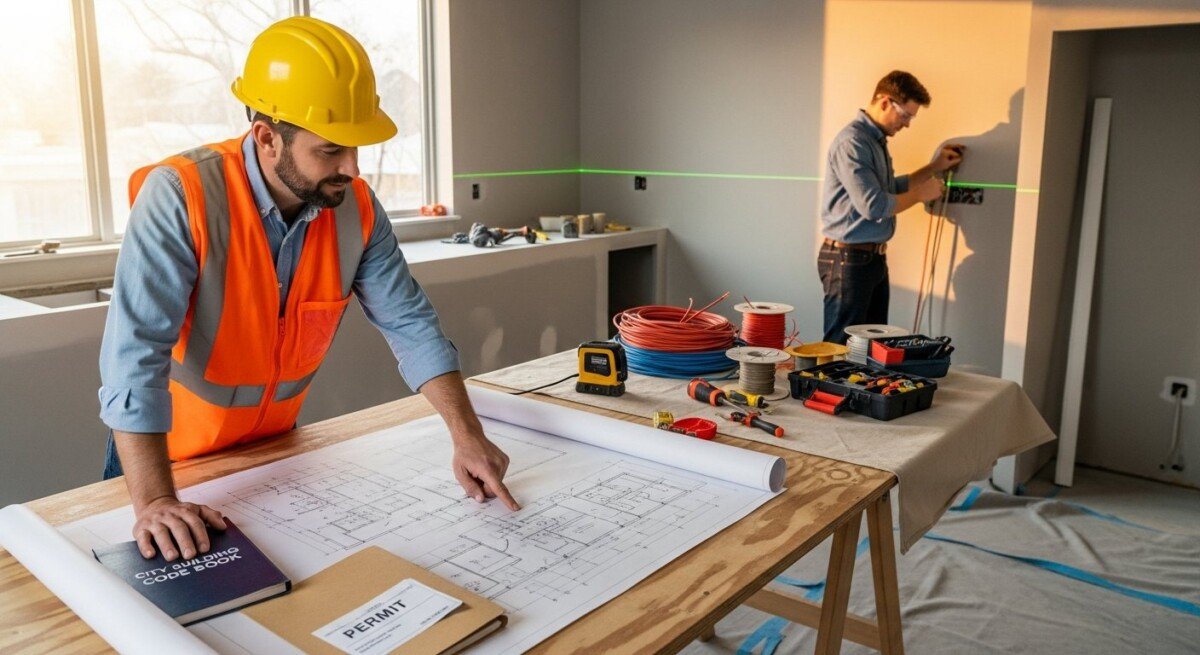
Think of a general contractor (GC) as the project manager or conductor of your home renovation orchestra. They oversee the entire project from start to finish. Their primary role is to coordinate all the different moving parts. They hire and schedule subcontractors (like electricians, plumbers, and carpenters), pull necessary permits, order materials, and ensure the work meets building codes and your expectations. They are your single point of contact.
A specialist contractor, on the other hand, is a master of one specific trade. They are experts in their field, such as roofing, plumbing, electrical work, HVAC installation, or tile setting. They are hired to perform that specific scope of work and typically do not manage other aspects of the project. You might hire them directly for a single, well-defined job.
The Core Difference: Management vs. Mastery
The simplest way to remember the difference is this: a general contractor provides broad management and coordination across multiple trades. A specialist contractor provides deep expertise and execution in one specific trade. One handles the whole project; the other handles a crucial piece of it.
Why Choosing the Right Pro Matters for Your Home
Choosing between a GC and a specialist isn’t just about who shows up,it’s about the outcome for your home, your schedule, and your wallet. The right choice ensures your project is done correctly, safely, and efficiently. The wrong choice can create a domino effect of problems.
For example, a complex remodel involving moving walls, plumbing, and electrical systems requires seamless coordination. A general contractor ensures the electrician doesn’t run wires where the plumber needs to put a pipe next week. If you try to manage three separate specialists yourself, a simple scheduling miscommunication can halt work for days. Conversely, for a straightforward job like repainting your home’s exterior, hiring a painting specialist directly is often more cost-effective and efficient than involving a GC.
The stakes are high with safety and permits. A qualified general contractor understands local building codes and secures the right inspections. A specialist brings critical knowledge of their trade’s safety standards. Hiring an unqualified person for either role can lead to dangerous work or failed inspections, which are costly to fix.
Don’t navigate this decision alone. Understanding general contractor services is key to planning your project. For a free consultation on your specific needs..
Common Issues and Their Causes
Many homeowner headaches stem from mismatching the project with the wrong type of contractor. These issues often have clear root causes that are easy to avoid with the right knowledge.
One of the most frequent problems is project misalignment. This happens when a homeowner hires a specialist for a job that needs overall coordination, or hires a GC for a tiny, single-trade job. The result can be finger-pointing between trades, gaps in work, and no one taking ultimate responsibility for the finished product.
Budget and timeline overruns are another major pain point. Without a general contractor to create and enforce a master schedule, delays with one specialist can push back everyone else. Similarly, a GC might not have the specialized, cost-effective supplier relationships that a dedicated tradesperson has for their specific materials.
- Lack of Coordination: Caused by homeowners acting as their own GC without the experience to manage multiple specialists.
- Workflow Conflicts: Caused when trades aren’t scheduled in the correct order (e.g., drywallers coming before electricians).
- Warranty & Responsibility Gaps: Caused when no single pro is accountable for the entire project’s outcome.
- Code Violations: Caused by hiring unlicensed specialists or a GC who fails to pull proper permits.
How Professionals Approach Your Project
A professional general contractor starts with a comprehensive plan. They will visit your home, discuss your vision, and develop a detailed scope of work. This becomes the blueprint for the entire project. They then build a team, pulling in trusted, licensed subcontractors for each phase of the work. Their day-to-day role is to manage the site, ensure quality control, handle deliveries, and communicate progress to you, solving problems before they affect your timeline.
A specialist contractor focuses intensely on their craft. Their process is deeply technical and specific. A master electrician will map out your home’s entire electrical load and circuitry. A master plumber will plan pipe routes for optimal water pressure and drainage. They come in, execute their specialized task with high expertise, and ensure their portion of the work is up to code and meets the highest standards of their trade.
The repair or installation process itself varies, but the professional approach is consistent: assessment, planning, execution, and cleanup. A GC orchestrates this across many trades; a specialist perfects it within one.
Signs You Should Not Ignore
Your project itself will often tell you what kind of help you need. Ignoring these signs can lead to bigger, more expensive problems down the line.
If your project involves more than two distinct trades (e.g., demolition, framing, electrical, plumbing, and finishing), that’s a strong sign you need a general contractor’s coordination. Similarly, if the work requires structural changes, pulling multiple permits, or will take several weeks to complete, the management a GC provides is not just helpful,it’s essential.
On the other hand, clear, isolated issues are often best suited for a specialist. If you have a single, persistent problem like a roof leak, faulty wiring in one room, or a bathroom faucet that needs replacement, calling the relevant expert directly is usually the fastest and most direct solution.
To ensure your next project runs smoothly, call 📞833-439-3727 or visit Find Your Contractor to discuss your needs and find the right professional for the job.
- You’re managing multiple quotes and schedules yourself.
- The project scope keeps expanding into different areas of your home.
- You need someone to be the single point of responsibility.
- A sub-task (like electrical or plumbing) is complex and critical.
- The job is small, defined, and within one trade.
Cost Factors and What Affects Pricing
The cost difference between using a GC and hiring a specialist directly often comes down to management overhead. A general contractor includes a fee (typically 10-20%) for their project management, coordination, and assumed risk. You’re paying for their expertise in running the entire show, which can prevent costly mistakes and delays. Their quote will usually be a single, comprehensive price for the complete project.
When hiring a specialist, you pay directly for labor and materials for that specific trade, plus their business overhead. It can seem cheaper upfront for a single task. However, for multi-trade projects, the costs of separately managing, scheduling, and assuming risk for each specialist can add up in hidden ways,in your own time, in scheduling delays, and in potential rework if trades conflict.
Other factors affecting price for both include project size and complexity, material quality, permit fees, accessibility of the work area, and your geographic location. Always get detailed, written estimates that break down labor, materials, and other fees.
How To Choose the Right Professional or Service
Start by clearly defining your project. Write down everything you want done. Is it a single repair or a whole-room transformation? This clarity is your most important tool. For large, multi-faceted projects, begin your search for a licensed general contractor in your area. For focused tasks, look for highly-rated specialists in that specific trade.
Always verify credentials. Check for a valid state license, insurance (liability and workers’ compensation), and bonding. Ask for and follow up on references. Look at portfolios of completed work similar to your project. A trustworthy pro will be happy to provide this information.
Finally, trust the consultation. A good GC will ask detailed questions about your goals and lifestyle. A good specialist will explain their process and the why behind their recommendations. Choose someone who communicates clearly, listens to your concerns, and provides a detailed, written contract.
Long-Term Benefits for Your Home
Investing in the right professional service pays dividends for years. Proper coordination by a general contractor means work is done in the correct sequence with proper inspections. This leads to a structurally sound, code-compliant result that enhances your home’s overall value and safety. You gain peace of mind with a single point of contact and often a warranty on the entire project.
Expert work from a specialist ensures that critical systems in your home,like electrical, plumbing, and roofing,are installed or repaired to the highest standard. This translates to greater durability, improved energy efficiency, fewer callbacks, and prevention of future damage. For example, a perfectly installed roof or correctly wired circuit panel protects your home and family for decades.
In both cases, doing it right the first time saves you significant money on emergency repairs, premature replacements, and inflated energy bills. It protects your biggest investment and makes your home a more comfortable, secure place to live.
Frequently Asked Questions
When is a general contractor absolutely necessary?
You likely need a GC for any project that involves multiple trades (like plumbing AND electrical), structural changes, or requires a building permit. They are essential for whole-home remodels, room additions, and large-scale renovations where coordination is key to success.
Can I hire a specialist directly to save money?
For a single, well-defined task (like installing a new water heater or re-tiling a shower), hiring a specialist directly can be more cost-effective. However, for complex projects, managing multiple specialists yourself can lead to coordination errors that end up costing more in time and rework.
Does a general contractor do any of the work themselves?
Some GCs have their own crews for certain tasks like framing or finish work, but most of their role is management. They typically hire and manage licensed subcontractors (specialists) for electrical, plumbing, HVAC, etc., ensuring each expert does their part.
How do I verify a contractor’s license and insurance?
Ask for their license number and check it with your state’s contractor licensing board online. Request a copy of their certificate of insurance (for both liability and workers’ comp) and call the insurer to verify it’s current. Any reputable pro will provide this readily.
What should be included in a contractor’s contract?
A solid contract must include the project scope, detailed materials list, payment schedule, start and completion dates, warranty information, and procedures for handling changes. Never work without a signed, written contract. Learning about standard contractor services helps you know what to expect.
Who pulls the building permits, the GC or the specialist?
For a full project, the general contractor typically pulls all necessary permits. When hiring a specialist directly for a permitted task (like a new electrical panel), they should pull their own trade-specific permit. The permit holder is legally responsible for the work.
What if I start with a specialist and realize I need a GC?
This happens. Be honest with the specialist. A good one will often advise you that the project has grown beyond their scope. You can then hire a GC, who can potentially bring that specialist on as a subcontractor, integrating the work already done into the new master plan.
How do I handle disagreements or problems during the project?
Communication is the first step. Address concerns immediately with your contractor. Refer to your contract’s terms for change orders and dispute resolution. If a licensed contractor fails to resolve legitimate issues, you can contact your state’s licensing board for mediation assistance.
Choosing between a general contractor and a specialist doesn’t have to be confusing. By understanding the scope of your project and the value each professional brings, you can make a confident decision that leads to a beautiful, durable, and stress-free home improvement. The right partner makes all the difference.
To ensure your next project runs smoothly, call 📞833-439-3727 or visit Find Your Contractor to discuss your needs and find the right professional for the job.
Learn more about Exterior Painting for guides, costs, and what to expect.
Compare Exterior Painting Pros Near You
Enter your ZIP code to compare top-rated local professionals and request free quotes.