
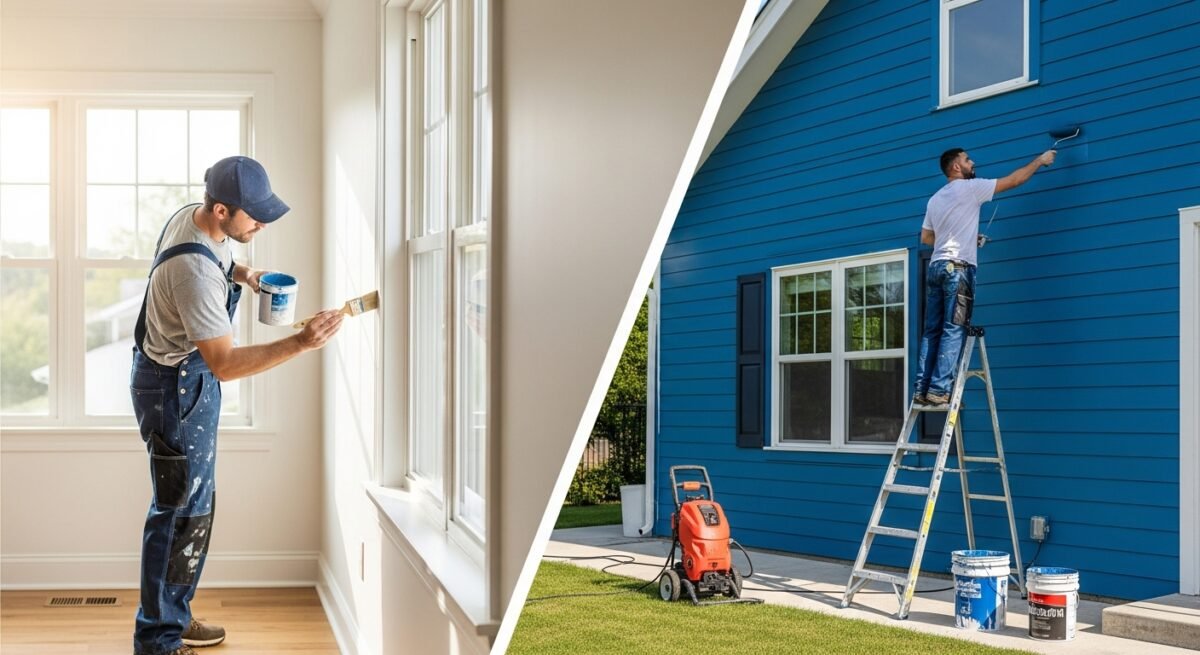
Finding Expert Painting Contractors for Interior and Exterior Projects
Find reliable local painting contractors for interior and exterior jobs. Learn how to choose a pro for lasting results that protect your home and boost its value.
By Alexia Mabel
Learn more about Exterior Painting for guides, costs, and what to expect.
Compare Exterior Painting Pros Near You

Enter your ZIP code to compare top-rated local professionals and request free quotes.
A fresh coat of paint is one of the most transformative updates you can make to your home, but finding the right team for the job can feel overwhelming. You need someone skilled, reliable, and local who can handle everything from your living room’s delicate trim to your home’s weather-beaten exterior. This guide will help you understand what to look for and how to connect with top-tier painting contractors near you for both interior and exterior jobs.
Ready to transform your home with a professional finish? Call 📞833-439-3727 or visit Get Your Quote today for a free, no-obligation quote from a vetted local contractor.
A Simple Breakdown of Painting Contractors for Your Home
When you search for “painting contractors near me,” you’re looking for more than just someone with a brush. A professional painting contractor is a licensed business that manages the entire project from start to finish. This includes providing a detailed estimate, preparing surfaces, selecting the right materials, executing the paint application, and cleaning up afterward.
For exterior jobs, this means dealing with siding, trim, doors, and often addressing underlying issues like wood rot or cracked caulk. Interior projects involve meticulous prep work, working around your furniture, and ensuring proper ventilation. A true contractor coordinates this process, unlike a solo painter who may only handle the application.
The Difference Between Interior and Exterior Expertise
While many contractors do both, the skills and materials differ. Exterior painting requires knowledge of weather-resistant paints, power washing, and extensive surface repair. Interior painting demands precision, an eye for detail in finish work, and strategies to minimize disruption in your home. A reputable contractor will be well-versed in both disciplines.
Why It Matters for Homeowners
Choosing a qualified painting contractor isn’t just about getting color on the walls; it’s an investment in your home’s protection, value, and beauty. A DIY paint job can save money upfront but often leads to premature peeling, uneven coverage, and hidden damage that costs more to fix later.
Professional painters bring expertise that ensures the job is done right the first time. They know which primer to use on water-stained ceilings, how to properly sand glossy trim for adhesion, and the best paint formulations to withstand your local climate. This expertise directly translates to a longer-lasting finish, saving you money and hassle over time. For more on why credentials are crucial, see our article on what makes a home contractor trustworthy.
Ready to transform and protect your home with a flawless finish? Contact our network of vetted local professionals today for a free, no-obligation quote to discuss your project.
Common Issues and Their Causes
Even with a good paint job, problems can arise over time. Understanding these common issues helps you communicate with your contractor and sets realistic expectations for your project’s longevity.
Peeling and blistering are frequent complaints. On exteriors, this is often caused by moisture trapped beneath the paint film or painting on a damp surface. For interiors, it usually stems from poor adhesion due to inadequate cleaning or priming, especially in high-humidity areas like bathrooms.
- Fading or Chalking: Caused by low-quality paint or excessive sun exposure on exterior surfaces.
- Cracking or Flaking: Often the result of applying paint too thickly, or using a less flexible paint on surfaces that expand and contract.
- Mildew Growth: Happens in shaded, damp areas, particularly if a paint without mildewcide was used.
- Brush Marks/Roller Stipple: Typically due to poor technique, low-quality tools, or paint that was not applied at the correct consistency.
How Professionals Fix the Problem
A professional painting contractor follows a systematic process to ensure beautiful, durable results. It starts long before the first can of paint is opened, with a thorough consultation and estimate.
The key to a lasting paint job is in the preparation, which often takes more time than the painting itself. For an exterior, this includes power washing, scraping loose paint, sanding rough areas, repairing rotten wood or cracked caulk, and priming bare spots. Interior prep involves moving and covering furniture, repairing drywall holes, sanding glossy surfaces, cleaning walls of grease and dust, and applying stain-blocking primers where needed.
Finally, skilled application using high-quality brushes, rollers, and often sprayers ensures an even, consistent coat. Professionals know the ideal weather conditions for exterior work and how to maintain proper ventilation indoors. They also handle the final cleanup, leaving your home refreshed and ready to enjoy. A similar level of detailed process is crucial for other exterior projects, as outlined in our guide to expert roofing and siding contractors
Signs You Should Not Ignore
How do you know it’s definitely time to call a pro? Some signs are obvious, while others are subtle hints that your home’s protective coating is failing.
On the exterior, extensive peeling or cracking isn’t just ugly—it leaves your siding or trim vulnerable to water damage and rot. If you notice paint dust (chalking) rubbing off heavily onto your hand, the paint’s binders have broken down and it’s no longer protecting the surface. Persistent mildew growth, even after cleaning, signals a need for specialized paint and treatment.
Ready to transform your home with a professional finish? Call 📞833-439-3727 or visit Get Your Quote today for a free, no-obligation quote from a vetted local contractor.
- Alligatoring: Paint cracks in a pattern resembling reptile scales, indicating paint applied over an incompatible coat or on an unprimed surface.
- Interior Wall Stains: Water stains or smoke stains that bleed through new paint, requiring a professional-grade sealer.
- Bubbling: Blisters forming on interior walls, often from painting over a damp surface or moisture coming from behind the wall.
- Fading on One Side: Significant sun exposure can degrade paint rapidly, requiring more frequent upkeep on certain sides of the home.
Cost Factors and What Affects Pricing
Painting quotes can vary widely, and understanding the factors involved helps you evaluate estimates fairly. The biggest determinants are the square footage of the area to be painted and the condition of the surfaces.
Extensive prep work like repairing wood rot, patching major drywall damage, or removing multiple layers of old paint will increase the cost but is necessary for a quality outcome. The type of paint selected also affects price; high-quality paints with better pigments and resins cost more but last longer and provide better coverage. Finally, architectural details like high ceilings, intricate trim, numerous windows, and the need for tall ladders or scaffolding for exterior work add to labor time and cost.
How To Choose the Right Professional or Service
With so many options, selecting the right contractor is critical. Start by verifying they are licensed and insured—this protects you from liability and indicates a legitimate business. Always ask for and check references, and look at photos of their past work, specifically for projects similar to yours.
Get at least three detailed, written estimates. The lowest bid isn’t always the best; compare what’s included in terms of prep work, number of coats, brand of paint, and cleanup. A trustworthy contractor will provide a clear contract outlining the scope, timeline, payment schedule, and products to be used. Understanding scheduling is also key, which we cover in our resource on contractor availability and scheduling for homeowners.
- Ask about warranties on both materials and labor.
- Ensure they will obtain any necessary permits for exterior work.
- Choose a contractor who listens to your ideas and communicates clearly.
Long-Term Benefits for Your Home
Hiring a skilled painting contractor pays dividends for years. A properly executed exterior paint job is your home’s first line of defense against rain, sun, and wind, preventing costly structural damage. Inside, quality painting enhances your daily living environment, making spaces feel cleaner, brighter, and more personalized.
Beyond protection and aesthetics, a professional paint job significantly boosts your home’s curb appeal and resale value. It’s one of the highest-return home improvements you can make. The durability of a professional application means you won’t be repainting every few years, saving you time, money, and inconvenience in the long run.
Frequently Asked Questions
How long does a typical exterior paint job last?
A quality exterior paint job on a properly prepared surface should last 7-10 years, sometimes longer depending on your climate, the quality of paint used, and sun exposure. Regular maintenance like cleaning and touching up small areas can extend its life.
Should I be home while the interior painting is being done?
It’s not necessary, and many homeowners prefer to be away during the busiest phases. Good contractors are respectful, professional, and will secure the area. Being available by phone for questions is usually sufficient once plans are set.
What’s the best time of year to paint the exterior of my house?
Late spring through early fall is ideal, when temperatures are consistently between 50°F and 85°F and humidity is low. A professional contractor will monitor the weather forecast to avoid painting just before or after rain.
How do I prepare my home before the painters arrive?
Move small furniture and fragile items out of the rooms. Clear walls of artwork and decor. For exterior jobs, clear the perimeter of your home, move vehicles, and trim back shrubs or tree branches near the house to provide access.
What type of paint finish should I use in different rooms?
Use flat or matte finishes for ceilings and low-traffic living areas. Eggshell or satin is perfect for most walls, offering slight sheen and easy cleaning. Semi-gloss or gloss is best for trim, doors, and high-moisture areas like kitchens and bathrooms.
Do painting contractors handle wallpaper removal?
Many do, but you must confirm this during the estimate. Wallpaper removal is a separate, labor-intensive service that will be added to the project’s scope and cost.
How many coats of paint will be applied?
For most color changes, two coats are standard to ensure even color, hide the old paint, and achieve the proper film thickness for durability. Some deep color changes or painting over stained surfaces may require a primer plus two coats.
Is pressure washing included in exterior painting?
Yes, thorough cleaning is a non-negotiable part of professional exterior prep. The contractor should include power washing to remove dirt, mildew, and loose chalky paint before any scraping or priming begins.
Finding the right painting contractor is the key to a stress-free project and stunning results that stand the test of time. By focusing on licensed, insured professionals with strong local references and clear contracts, you can invest in your home’s beauty and protection with confidence. Start your search today and get ready to fall in love with your home all over again.
Ready to transform your home with a professional finish? Call 📞833-439-3727 or visit Get Your Quote today for a free, no-obligation quote from a vetted local contractor.
Learn more about Exterior Painting for guides, costs, and what to expect.
Compare Exterior Painting Pros Near You
Enter your ZIP code to compare top-rated local professionals and request free quotes.